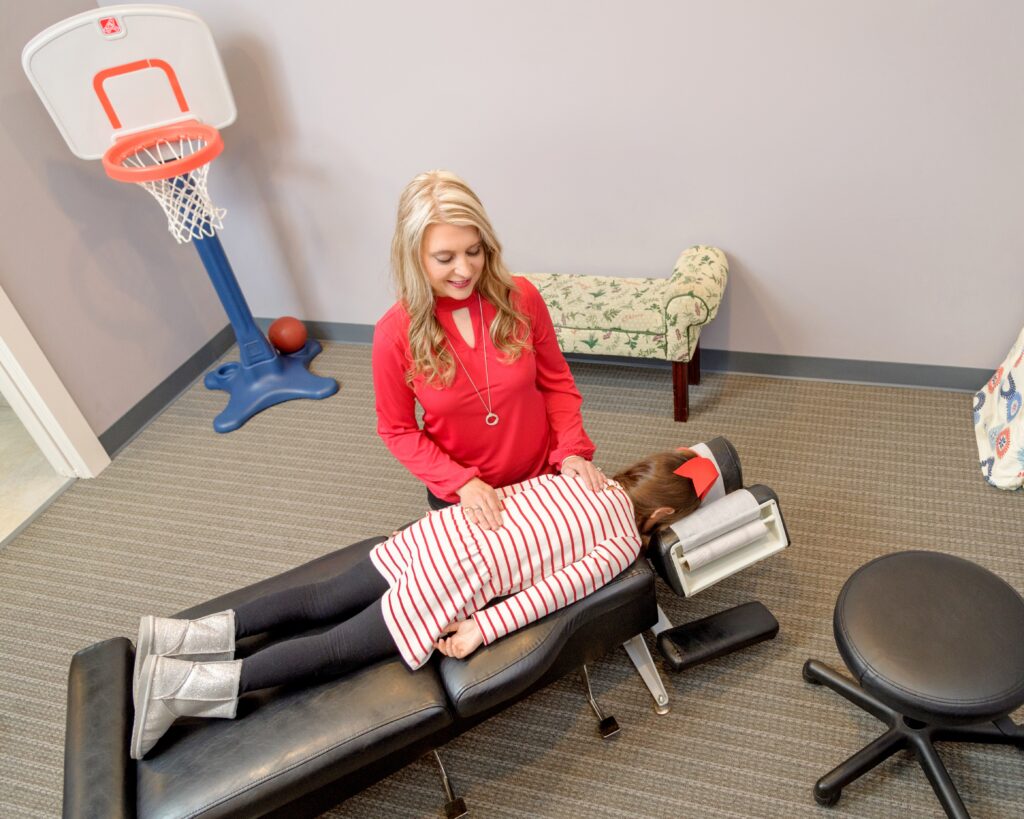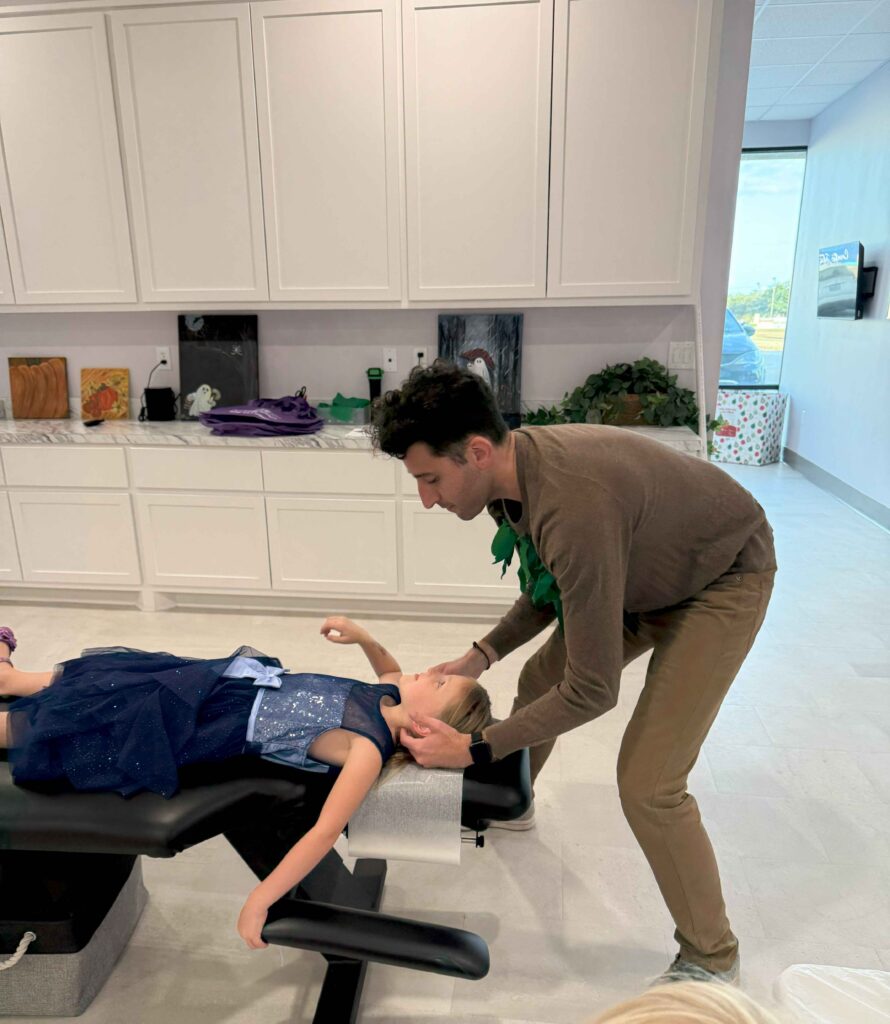

When dealing with an injury, it's crucial to understand that recovery involves more than just physical healing. Many people believe that simply resting is enough, but incorporating structured rehabilitation, proper nutrition, and building mental resilience can significantly enhance your journey back to peak performance. As a chiropractor, I want to help you recognize the various types of injuries and emphasize that each one requires a personalized approach to recovery.
In my practice, I've seen how the synergy between chiropractic care and nutrition can profoundly influence your healing process. Chiropractic adjustments can improve your mobility and alleviate pain, while a balanced diet supports your body's recovery mechanisms. Imagine being able to optimize every aspect of your recovery journey—it's possible when you embrace a holistic approach to healing. Let's work together to ensure you have the tools and knowledge you need for a successful recovery.
Understanding Injury Types
As a local chiropractor, I want to help you understand the different types of athletic injuries, which is crucial for your recovery journey. Generally, injuries can be classified into two primary categories: acute and chronic.
Acute injuries are those that happen suddenly, often as a result of a specific incident. For example, you might twist your ankle during a game or strain a muscle while lifting weights. It's vital to recognize these injuries promptly, as immediate treatment is key to preventing further damage and facilitating healing.
On the other hand, chronic injuries develop gradually over time. These often arise from repetitive stress on certain body parts, such as tendonitis in the elbow from constant throwing or shin splints from excessive running. Chronic injuries can be more challenging to pinpoint since they usually begin with mild discomfort and can worsen if not addressed.
Being aware of the signs associated with each type of injury is essential. Acute injuries typically manifest as immediate pain, swelling, or bruising, and you may find it difficult to move the affected area. Chronic injuries, however, usually present as persistent pain that worsens during physical activity but alleviates with rest.
Understanding these distinctions is important for effective communication with healthcare professionals, including chiropractors, and for tailoring your recovery strategy.
Pay close attention to your body's signals—ignoring them can lead to longer recovery times or even more severe injuries. By recognizing the type of injury you have, we can work together to implement appropriate natural healing strategies, ensuring you return to your sport safely and efficiently.
Importance of Rest and Recovery
As a local chiropractor, I want to emphasize the vital role that rest and recovery play in your journey to physical healing after an injury.
When you allow your body the time it needs to rest, you not only support its natural ability to repair itself, but you also foster a healthier mental state, which is crucial for overall well-being.
By making rest a priority, you create a strong foundation for effective injury prevention strategies down the road.
Understanding this connection can help you appreciate the holistic approach to health and recovery that chiropractic care embodies.
Let's work together to ensure your body heals properly and stays resilient for the future.
Physical Healing Process
As a local chiropractor, I want to emphasize the importance of the physical healing process, especially for athletes recovering from injuries. One of the most crucial aspects of this recovery is prioritizing rest, which can significantly influence how quickly and effectively you heal.
When you allow yourself to rest, your body gets the opportunity to mend damaged tissues, decrease inflammation, and rebuild strength. This healing phase is when your muscles, ligaments, and joints start to recover, setting you up for a stronger return to your sport.
It's important to recognize that ignoring the need for rest can lead to extended recovery times or even re-injuries. Many of you may feel tempted to push through pain or discomfort, but doing so can actually hinder your progress. I encourage you to listen to your body. If you're feeling fatigued or experiencing pain, that's your body's way of signaling that it's time to take a break.
In addition to rest, I recommend incorporating active recovery techniques like gentle stretching or low-impact activities. These can aid in your healing process without putting too much strain on your body.
Nutrition also plays a vital role; a balanced diet rich in essential vitamins and minerals can support your body's natural healing processes.
Remember, embracing rest isn't a sign of weakness; it's a fundamental part of your recovery journey. By prioritizing rest, you're not only investing in your future athletic performance but also ensuring a smoother and more effective healing process.
If you have questions about how chiropractic care can further assist in your recovery, don't hesitate to reach out.
Mental Health Benefits
As a local chiropractor, I want to emphasize the importance of prioritizing your recovery—not just for your physical health, but also for your mental well-being. Taking the time to rest and heal allows your mind to reset and recharge. This break from the physical demands of your daily activities can significantly reduce stress and anxiety, enabling you to return with a clearer focus and renewed motivation.
During your recovery process, it's crucial to engage in activities that support your mental wellness. Practices such as mindfulness, meditation, or gentle yoga can enhance your emotional resilience. Additionally, surrounding yourself with supportive friends and family during this time can create a strong emotional foundation, helping you feel less isolated on your healing journey.
Furthermore, allowing your body to recover properly can prevent feelings of frustration or burnout. Pushing through injuries not only jeopardizes your physical health but can also take a toll on your mental state.
Embracing the recovery process teaches you the importance of patience and self-care, which are essential for long-term success in any physical endeavor. At our clinic, we're here to guide you through this process with natural healing techniques that promote both physical and mental health.
Injury Prevention Strategies
As a local chiropractor, I want to emphasize the importance of incorporating regular breaks into your training routine to prevent injuries. Many people underestimate how crucial rest is for maintaining a healthy body. When you push yourself without giving your muscles and joints the time they need to recover, you increase your risk of overuse injuries, which can keep you from reaching your fitness goals.
It's important to schedule downtime in your routine. This doesn't just mean taking a full day off; it also includes integrating lighter training days and active recovery sessions, which can help your body heal and rejuvenate.
Listening to your body is vital. If you experience persistent soreness or fatigue, it's a clear signal to reconsider your training intensity or duration. Remember, rest isn't a sign of weakness; it's an essential aspect of any effective performance strategy.
I also encourage considering cross-training. This approach allows you to work different muscle groups and significantly reduces the risk of repetitive strain injuries.
Additionally, prioritizing sleep is key for both physical recovery and mental sharpness. Aim for 7-9 hours of quality sleep each night to support your overall well-being.
Nutrition is equally important; fueling your body with the right nutrients aids in recovery and helps prevent fatigue. By adopting these injury prevention strategies, you'll not only enhance your performance but also maintain a healthy body, ready to take on any challenge.
As your chiropractor, I'm here to support you in your journey to natural healing and optimal health.
Role of Physical Therapy
When you're on the road to recovery from an injury, chiropractic care can make a significant difference.
We provide individualized treatment plans designed specifically for your unique needs, aimed at helping you restore strength and regain mobility.
In addition, we focus on teaching you natural pain management strategies that can enhance your overall healing process.
Embracing chiropractic care not only supports your recovery but also promotes long-term wellness and vitality.
Personalized Rehabilitation Plans
After experiencing an injury, it's crucial to understand the role of personalized rehabilitation plans in your recovery. As a local chiropractor, I want to emphasize that these plans are specifically tailored to meet your unique needs, taking into account the nature of your injury, your overall physical condition, and your individual health goals.
By collaborating closely with me, we can develop a comprehensive strategy that addresses your specific challenges and effectively aids in restoring your function. Your rehabilitation plan will typically incorporate targeted exercises aimed at strengthening the injured area, enhancing flexibility, and improving overall stability.
By focusing on these key components, we can help prevent future injuries and work towards regaining your previous performance levels. Regular assessments will allow us to adapt the plan as you progress, adjusting exercises and their intensity to align with your recovery journey.
In addition to exercises, we can incorporate various chiropractic techniques, such as manual adjustments and movement training, to further support your healing process. I'll guide you through these methods to ensure you're practicing them safely and effectively.
Open communication is essential, so please feel free to express any concerns or ask questions during our sessions. Remember, the purpose of a personalized rehabilitation plan isn't just to facilitate healing but also to empower you to return to your activities even stronger than before.
Embracing chiropractic care and natural healing can make a significant difference in your recovery journey.
Pain Management Techniques
Navigating the journey of injury recovery can be challenging, and effective pain management techniques are vital to your overall rehabilitation. As a chiropractor, I want to share how our approach can support your healing process naturally.
Chiropractic care is a key component of managing pain and restoring function. We focus on your unique needs to create a customized plan aimed at alleviating discomfort and promoting recovery. Through spinal adjustments and other manual therapies, we can help realign your body, which often leads to a significant reduction in pain.
Therapeutic exercises also play an essential role in your recovery. These exercises are designed to improve strength, flexibility, and range of motion while helping you manage pain levels. I'll guide you in performing these movements safely and effectively, ensuring you're on the right track.
In addition to hands-on techniques, we may utilize various modalities such as heat, ice, or even electrical stimulation. These tools can help reduce inflammation and provide you with immediate relief, enhancing your overall recovery experience.
Nutrition for Healing
As a local chiropractor committed to supporting your healing journey, I want to emphasize the crucial role nutrition plays in recovery. Fueling your body with the right nutrients can significantly enhance your healing process, particularly when you're dealing with injuries. Your body needs extra support to repair tissues, reduce inflammation, and regain strength.
Here are four key nutritional strategies I recommend for optimal recovery:
- Prioritize Protein: Adequate protein intake is vital for muscle repair and growth. Incorporate lean sources of protein into your meals, such as chicken, fish, legumes, and dairy products. This will help your body rebuild and strengthen the muscles surrounding your spine and joints.
- Focus on Anti-Inflammatory Foods: Consuming foods rich in Omega-3 fatty acids, like fatty fish, walnuts, and flaxseeds, can significantly reduce inflammation. Additionally, incorporating a variety of fruits and vegetables—especially berries and leafy greens—will provide you with essential vitamins and antioxidants that support your immune system and overall health.
- Stay Hydrated: Proper hydration is essential for effective recovery. Water aids in transporting nutrients to your cells and supports critical metabolic functions. I recommend aiming for at least 8-10 glasses of water daily, and adjusting this amount based on your activity level and the demands on your body.
- Consider Supplements Wisely: In some cases, you may benefit from dietary supplements to support your healing process. Nutrients like Vitamin D, calcium, and zinc are key players in bone health and recovery. Before adding any supplements to your routine, I encourage you to consult with a healthcare professional to ensure they align with your specific needs.
By incorporating these nutritional strategies into your healing process, you can enhance your recovery and support your overall well-being.
Mental Strategies for Recovery
As a local chiropractor, I want to emphasize the importance of mental strategies in your recovery journey, alongside the physical care we provide. Your mindset can significantly influence the healing process, so fostering a positive outlook is crucial.
Begin by setting realistic, achievable goals for your recovery. Breaking down your healing into smaller milestones not only helps you stay motivated but also gives you something to celebrate along the way, which can uplift your spirits.
Visualization is a powerful technique that you can integrate into your recovery routine. Picture yourself overcoming your injury and returning to your activities. Imagine the movements, sensations, and the joy of feeling well again. This mental imagery does more than boost your confidence—it strengthens your commitment to the healing process we're working on together.
Maintaining connections with your support system is also vital. Surround yourself with family, friends, or teammates who encourage you. Sharing your feelings and experiences can relieve some of the stress and anxiety that often accompany recovery. Remember, you're not alone in this journey.
Incorporating mindfulness and relaxation techniques into your daily life can be incredibly beneficial as well. Practices like meditation, yoga, or deep-breathing exercises can help you manage stress, enhance focus, and maintain a sense of calm during challenging times. These techniques complement the physical adjustments and therapies we provide in our clinic.
Finally, it's essential to embrace the power of patience. Recovery takes time, and it's common to feel frustrated along the way. Healing isn't always a straight path; setbacks may happen, but they don't define your journey.
Trust the process, stay resilient, and remember that your mental strength, combined with our chiropractic care, will guide you through this important chapter of your health and wellness.
Gradual Return to Activity
As a local chiropractor, I want to emphasize the importance of a gradual return to activity for anyone recovering from an injury.
Jumping back into your usual routine too quickly can lead to re-injury and extend your recovery time. It's crucial to ease back into your activities while paying attention to what your body is telling you.
Here are four essential strategies to help you transition smoothly:
- Begin with Gentle, Low-Impact Activities: Start with exercises that are easy on your body and won't aggravate your injury. Activities such as swimming or cycling can help maintain your fitness levels without causing unnecessary strain.
- Create a Structured Recovery Plan: Collaborate with your chiropractor or healthcare provider to develop a phased plan tailored to your needs. This plan should include specific milestones to achieve, allowing you to gradually increase your activity levels in a safe manner.
- Listen to Your Pain Signals: Pay close attention to how your body responds during and after your workouts. If you experience any pain, it's essential to take a step back. Your health should always come before performance, and managing your pain is a key aspect of your recovery.
- Emphasize Rest and Recovery: Make sure to incorporate rest days into your routine. Your body requires time to heal properly, so don't overlook the critical role that rest plays in your overall training and rehabilitation process.
By following these guidelines, you can support your recovery and return to your activities in a safe and effective manner.
Conclusion
Injury recovery goes beyond just physical healing; it's a comprehensive journey that involves your entire well-being. As a chiropractor, I emphasize the importance of understanding your injury and how it affects your body. Prioritizing rest is crucial, but so is engaging in a well-structured rehabilitation program tailored to your needs.
Don't overlook the vital role of nutrition and mental resilience in your recovery process. Proper nutrition fuels your body and aids in healing, while mental strength keeps you motivated and focused on your goals.
As you gradually return to your activities, staying connected with your support network—whether that's friends, family, or healthcare professionals—can significantly boost your motivation. Remember, every step you take, with the right support and strategies, brings you closer to regaining your athletic performance and overall health. Trust in a holistic approach, and let us guide you on your path to recovery.