
As a local chiropractor, I understand that dealing with an injury can be incredibly frustrating, especially when it feels like your athletic performance is put on hold. However, it doesn't have to be that way. By gaining an understanding of your injury and embracing a holistic approach to healing, you can pave the way for a successful recovery and even come back stronger than before.
First and foremost, prioritizing rest is crucial. Your body needs time to heal, and proper rest allows your muscles, ligaments, and joints to recover effectively. Nutrition plays a significant role in this process as well. Nourishing your body with the right foods can aid in reducing inflammation and promote healing.
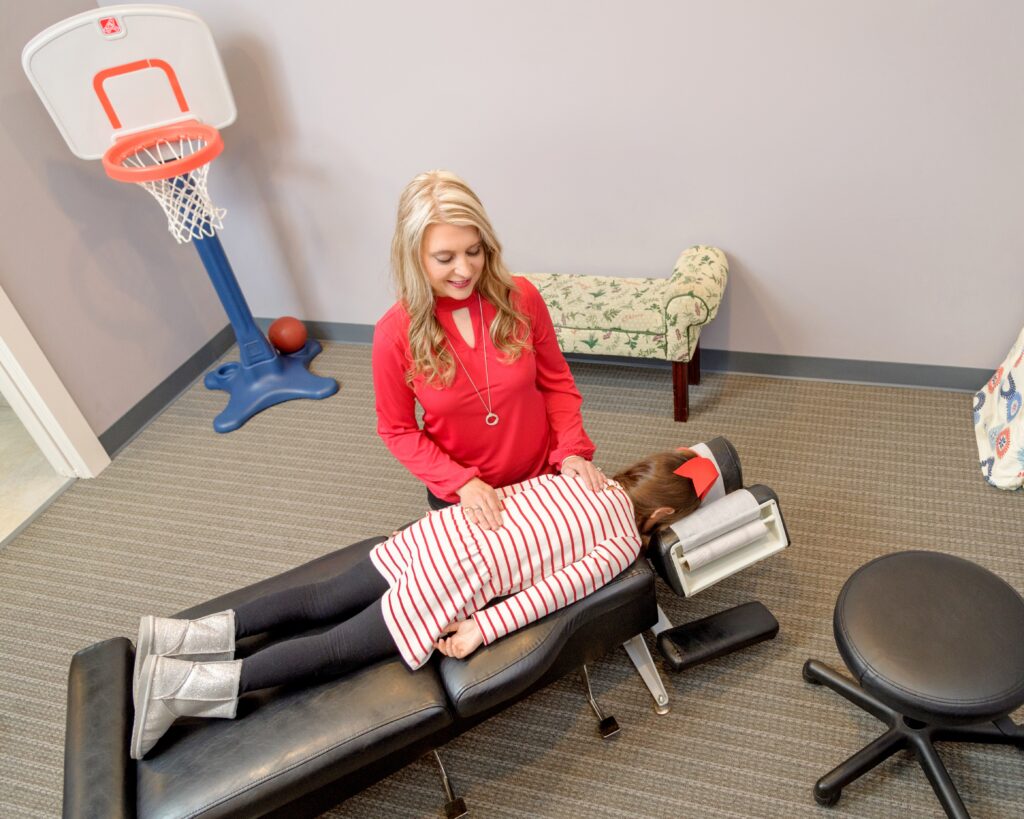
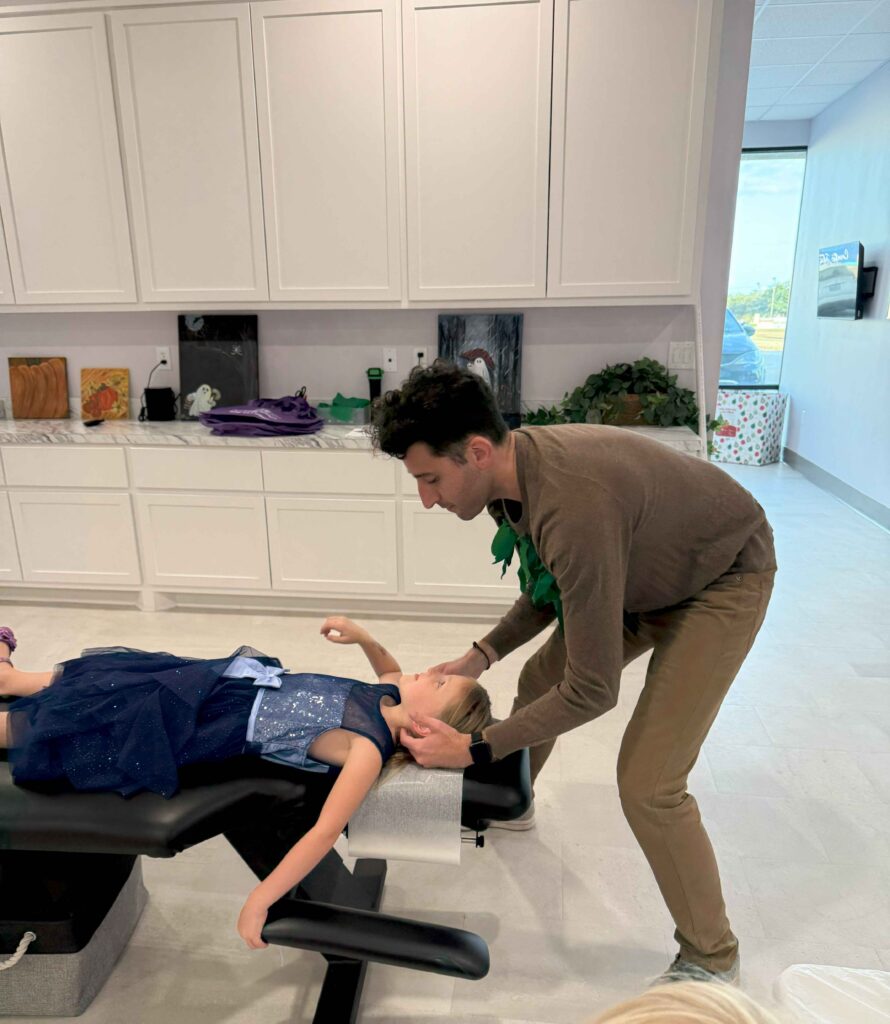
Incorporating chiropractic care into your recovery plan can be a game-changer. Our techniques focus on realigning the spine and improving overall function, which can alleviate pain and enhance mobility. Physical therapy exercises, tailored to your specific needs, can also support your rehabilitation journey and restore strength.
Moreover, don't underestimate the power of mental strategies. Visualization and positive affirmations can significantly impact your mindset and motivation during recovery. By combining these elements—rest, nutrition, chiropractic care, physical therapy, and mental strategies—you can ensure a smooth transition back to peak performance.
So, as you navigate your recovery, remember that it's not just about healing; it's about maximizing your potential for the future. Let's work together to get you back to doing what you love, stronger than ever!
Understanding Injury Types
As a local chiropractor dedicated to helping you understand your body and its healing processes, I want to emphasize the importance of recognizing the different types of injuries you might encounter in your daily life. Understanding these categories is essential for tailoring an effective recovery strategy that aligns with natural healing principles.
Generally, injuries can be classified into three main types: acute, chronic, and overuse.
Acute injuries occur suddenly and are often the result of specific events, such as a fall or collision. Common examples include sprains, strains, and fractures. It's crucial to recognize the signs of an acute injury, which typically include immediate pain, swelling, and limited mobility. Addressing these injuries quickly with appropriate chiropractic care can help prevent further damage and promote a smoother recovery.
On the other hand, chronic injuries develop gradually over time, often due to repetitive motions or prolonged stress on a particular area of your body. Symptoms may include persistent pain, stiffness, or swelling that lingers. By identifying chronic issues early, we can work together to adjust your activities and treatment plan, helping to prevent these problems from becoming more debilitating.
Lastly, overuse injuries fall in between acute and chronic injuries. These arise from repetitive activities and are frequently seen in athletes who may push their bodies without allowing enough time for recovery. If you notice increasing soreness that intensifies with continued activity, it's a sign to pay attention to your body.
As your chiropractor, I can guide you in recognizing these signs and implementing strategies to prevent more serious complications, ensuring your body stays aligned and healthy.
Importance of Rest and Sleep
As a local chiropractor, I want to emphasize the critical role that rest and sleep play in your healing process, especially when recovering from an injury. Quality sleep isn't just a luxury; it's essential for muscle repair and overall recovery. When you rest properly, you allow your body to reduce stress and begin the healing process more efficiently.
Many of my patients may not realize how important sleep hygiene is to their recovery. By establishing good sleep habits, you can significantly enhance your healing journey.
Simple practices like maintaining a consistent sleep schedule, creating a calming bedtime routine, and ensuring a comfortable sleep environment can make a big difference. Prioritizing these elements will help you feel better faster and support your body in its natural healing efforts.
Role of Sleep
As a local chiropractor, I want to emphasize the crucial role that adequate sleep plays in your injury recovery process. When you sleep, your body engages in vital repair work, releasing growth hormones that significantly aid in tissue regeneration. This is particularly important if your goal is to recover stronger and faster after an injury. Insufficient sleep can impede your body's natural healing capabilities, potentially prolonging your recovery time.
Moreover, sleep is essential for your brain's ability to consolidate memories and process information. This cognitive function is especially important for athletes, as it enhances focus, reaction time, and decision-making during practices and games. If you're not getting enough rest, you might find it difficult to stay alert, which could increase your risk of further injuries.
I recommend aiming for 7-9 hours of quality sleep each night. Establishing a calming bedtime routine can help signal to your body that it's time to rest. This might include activities like reading, avoiding screens, or practicing relaxation techniques.
Consistency in your sleep schedule will allow your body to adapt and heal more effectively. Prioritizing your sleep not only facilitates a smoother recovery process but also enhances your overall performance in the long run. Remember, your body's natural healing abilities are powerful—support them with the quality rest they need!
Recovery Through Rest
As a chiropractor, I want to emphasize the crucial role that rest plays in your journey to recovery and overall well-being. Many people underestimate how essential it's for your body to have time to heal and rejuvenate after physical exertion. When you engage in training or participate in competitions, your muscles experience stress and micro-tears. Incorporating adequate rest periods into your routine allows these tissues to repair, which can lead to improved strength and performance.
It's important to understand that rest isn't merely about stepping away from physical activity. It's about creating an environment in which your body can recover effectively. Active recovery days—such as light stretching or engaging in low-intensity activities—can enhance blood flow, helping to alleviate soreness and stiffness.
Additionally, emotional and mental recovery is just as significant as physical recovery. Taking some time off from intense workouts can help you reconnect with your motivation and love for your sport. Pay attention to the signals your body sends; if you're feeling fatigued or experiencing persistent pain, it's a clear indication that your body needs some rest.
I encourage you to integrate rest days into your training regimen and to recognize their importance. By prioritizing rest and recovery, you're giving yourself the best opportunity to come back stronger and more resilient, ultimately enhancing your performance in your sport and your overall health.
As your chiropractor, I'm here to guide you in understanding how natural healing and proper recovery can support your athletic journey.
Sleep Hygiene Practices
As a local chiropractor dedicated to your overall well-being, I want to emphasize the importance of a consistent sleep routine for optimizing your recovery and health. Striving for seven to nine hours of quality sleep each night is crucial. To facilitate this, aim to go to bed and wake up at the same time every day, including weekends. This practice helps regulate your body's internal clock and can significantly enhance the quality of your sleep.
Creating a peaceful sleeping environment is vital. Ensure your bedroom is dark, cool, and quiet. If necessary, consider using blackout curtains or white noise machines to block out distractions.
It's also important to avoid screens for at least an hour before bedtime, as the blue light emitted can hinder your ability to fall asleep. Instead, engage in calming activities such as reading or gentle stretching to prepare your mind and body for rest.
Additionally, be mindful of your diet and caffeine consumption. Steering clear of heavy meals and caffeine close to bedtime can prevent disruptions in your sleep. Implementing relaxation techniques, like deep breathing exercises or meditation, can also help soothe your mind and promote better sleep.
Lastly, listen to your body's signals. If you're feeling tired during the day, don't hesitate to take short naps to recharge.
Nutrition for Recovery
As a local chiropractor, I want to emphasize how important nutrition is in your recovery from an injury.
The healing process requires specific nutrients that aid in repairing tissues, and staying well-hydrated is crucial as well.
It's not just about what you consume; it's also about when you eat. Timing your meals can significantly enhance the benefits of your recovery.
By being mindful of your nutrition and hydration, you can support your body's natural healing abilities, complementing the chiropractic care you're receiving.
Together, we can work towards a stronger, healthier you.
Essential Nutrients for Healing
As a local chiropractor, I want to emphasize the vital role that proper nutrition plays in your recovery from injuries. When it comes to healing, certain essential nutrients can significantly speed up the process and enhance your body's natural healing abilities.
First and foremost, let's talk about protein. It's essential for repairing tissues, so I encourage you to include sources of lean protein in your diet, such as chicken, fish, eggs, beans, and nuts. These foods provide the amino acids your body needs to effectively rebuild damaged tissues.
Don't forget the importance of vitamins and minerals either. Vitamin C, for example, is crucial for collagen formation, which is key in wound healing. You can find this nutrient in delicious citrus fruits, strawberries, and colorful bell peppers.
Additionally, zinc is another important mineral that supports immune function and tissue repair. Incorporate foods like legumes, seeds, and whole grains into your meals to ensure you're getting enough.
Another nutrient to consider is omega-3 fatty acids, which can help reduce inflammation—a common issue during recovery. If you enjoy fatty fish like salmon, that's a great option. For those who prefer plant-based sources, flaxseeds and walnuts are excellent alternatives.
Lastly, don't underestimate the power of antioxidants found in a variety of fruits and vegetables. These compounds help combat oxidative stress, further supporting your overall recovery process.
As your chiropractor, I encourage you to adopt a balanced diet rich in these essential nutrients to aid in your healing journey. Your body will thank you for it!
Hydration's Role in Recovery
As a local chiropractor, I want to emphasize the vital role that adequate hydration plays in your recovery journey, especially if you're dealing with an injury. When your body is healing, it's crucial to drink enough water to support tissue repair, maintain a stable body temperature, and effectively transport essential nutrients.
If you're not drinking enough fluids, you could experience fatigue, muscle cramps, and a decline in your performance, all of which can slow down your recovery process.
It's important to stay hydrated throughout the day, particularly after your workouts or during rehabilitation exercises that I may recommend as part of your treatment plan. While water is fundamental, consider incorporating electrolyte-rich beverages if you're sweating heavily or participating in intense physical therapy sessions.
Always listen to your body—thirst is often a sign that you may already be dehydrated.
Additionally, incorporating hydrating foods into your meals can help you achieve your daily fluid intake. Foods like watermelon, cucumber, and oranges not only provide hydration but also deliver important vitamins and minerals that can aid in your healing.
Timing Your Nutrient Intake
As a local chiropractor, I want to emphasize the importance of timing your nutrient intake for optimal recovery, especially after an injury. By scheduling your meals and snacks thoughtfully, you can significantly enhance your healing process and return to your peak performance more quickly.
Here's how you can effectively time your nutrient consumption:
- Post-Workout Window (30-60 minutes): Right after your workouts or rehabilitation sessions, it's crucial to consume a combination of protein and carbohydrates. This helps replenish your energy stores and kickstarts the muscle repair process, which is vital for your recovery.
- Balanced Meals (Every 3-4 hours): Aim to eat balanced meals every few hours that include lean proteins, whole grains, fruits, and vegetables. This consistent nutrient intake ensures your body has the essential building blocks it needs to support healing and recovery.
- Before Bed (1-2 hours): Don't overlook the significance of a late-night snack! A small meal or snack that's rich in protein can assist muscle repair while you sleep, providing your body with the necessary resources it requires during this critical recovery phase.
By paying attention to when you eat, alongside the chiropractic care you receive, you can greatly enhance your recovery journey.
Rehabilitation Exercises
As your local chiropractor, I want to emphasize the vital role rehabilitation exercises play in your recovery journey. These exercises are essential for rebuilding strength, flexibility, and mobility after an injury. It's crucial to follow a structured rehabilitation program that's tailored to your specific needs, which we can develop together.
Initially, we'll focus on gentle movements that target the affected area. These exercises will gradually increase in intensity as you regain strength. This approach not only promotes healing but also helps prevent stiffness, which can hinder your recovery.
Incorporating range-of-motion exercises is another key component of your rehabilitation. Simple activities, such as ankle circles or shoulder rolls, can significantly improve your joint flexibility. As your condition improves, we can add resistance training to help build muscle strength, focusing not just on the injured area but also on surrounding muscles for added support. Tools like resistance bands or light weights can be very effective in this phase.
Balance and coordination exercises are equally important. They'll help restore your stability and minimize the risk of future injuries. Activities like single-leg stands or exercises on a balance board are excellent choices.
Throughout this process, it's important to listen to your body. If you experience any pain, please stop and reach out to me or another healthcare professional.
Consistency is crucial when it comes to rehabilitation. I encourage you to practice your exercises daily, even if it's for a short duration. Keeping a log of your progress can be a great motivator and provide insight into your healing journey. Additionally, remember to incorporate stretching to enhance flexibility and alleviate tension in your muscles.
Lastly, always follow the guidance I provide during your visits. I'll help you with proper form and ensure you progress at a safe and effective pace. With your commitment and the right rehabilitation exercises, you'll be on the path to recovery and back to your peak performance in no time.
Mental Strategies for Recovery
While physical recovery is crucial, your mental approach can significantly impact your healing journey. As a local chiropractor, I want to emphasize that embracing the right mindset can't only accelerate your recovery but also enhance your overall well-being.
Here are some mental strategies you can adopt to support your healing process:
- Visualize Your Recovery: Take a moment each day to envision yourself fully healed and engaging in activities you love. Imagine the strength and vitality returning to your body. This mental imagery can instill hope and motivation, making your recovery feel more achievable.
- Set Realistic Goals: It's important to break your recovery into smaller, attainable milestones. Whether it's regaining flexibility or completing a specific chiropractic exercise, these goals provide clear direction and a sense of accomplishment as you make progress.
- Cultivate Positivity: Surround yourself with supportive individuals who encourage you. Engage with family members, friends, or fellow patients who uplift your spirit. Practicing gratitude by recognizing and celebrating the small achievements during your recovery can help maintain a positive mindset.
By incorporating these mental strategies into your healing journey, you can enhance not only your recovery process but also your overall health and wellness.
Utilizing Physical Therapy
A positive mindset plays a crucial role in your healing journey, but it's important not to overlook the physical aspects of recovery. As a local chiropractor, I want to emphasize the benefits of incorporating chiropractic care into your rehabilitation process. This holistic approach is essential for regaining strength, flexibility, and mobility after an injury.
When you visit my practice, you're not just receiving a treatment plan; you're gaining a partner who's dedicated to understanding your unique needs and wellness goals. I'll conduct a thorough assessment of your condition and develop a customized chiropractic program tailored specifically for your recovery. This individualized plan ensures that we target the underlying causes of your discomfort, rather than merely masking the symptoms.
Through specific chiropractic adjustments and techniques, we can work together to restore alignment in your spine and joints, which can improve your overall function and reduce pain. I'll guide you through exercises that are designed to strengthen the affected areas, enhance your range of motion, and promote functional movement.
During our sessions, I'll also teach you proper techniques to prevent re-injury. I'll demonstrate how to safely perform rehabilitation exercises, helping you build confidence while understanding your body's limits.
In addition to adjustments, I may incorporate various natural therapies into your treatment plan, such as ultrasound or manual therapy, designed to alleviate pain and expedite the healing process. These techniques complement the chiropractic care you receive, providing you with a well-rounded recovery experience that focuses on natural healing.
Embracing chiropractic care can be a transformative step in your journey to recovery. Together, we can work towards achieving your health goals and restoring your well-being.
Gradual Return to Activity
As a local chiropractor, I want to emphasize the importance of a gradual return to activity during your recovery journey. It's crucial to rebuild your strength and confidence without risking setbacks. Instead of jumping back into your previous routine, let's take a thoughtful approach to ease you back in.
Here's how you can start:
1. Begin with Low-Impact Exercises: Activities such as walking, swimming, or cycling are excellent starting points. These low-impact exercises not only help maintain your cardiovascular fitness but also minimize stress on the area where you may be healing from an injury.
Aim for 20-30 minutes of these activities, 3-4 times a week, to gently get your body moving again.
2. Introduce Strength Training: Once you feel more comfortable with low-impact exercises, we can start incorporating strength training into your routine. Focus on bodyweight exercises or resistance bands to strengthen the muscles surrounding your injury.
This step is essential as it supports the healing process while building your strength. Start with 2-3 sessions per week and gradually increase the intensity as you feel ready.
3. Incorporate Sport-Specific Drills: As your confidence grows, it's time to reintroduce movements that are specific to your sport or activity. For instance, if you're a runner, start practicing short intervals to get your body accustomed to running again.
If you enjoy basketball, work on your shooting and dribbling skills. These drills will help transition your body back into the movements required for competition, ensuring you're prepared when you're ready to return.
Prevention of Future Injuries
As a local chiropractor, I want to share some important insights on how to prevent future injuries, especially after you've successfully recovered and returned to your favorite activities. The key to maintaining a healthy, injury-free lifestyle lies in a proactive approach that emphasizes natural healing and body awareness.
First and foremost, I recommend incorporating a dynamic warm-up before each activity. This technique helps to prepare your muscles and joints, making them more resilient to the demands of your sport and significantly reducing the risk of strains and sprains.
Next, let's talk about body mechanics. Using proper form and technique is crucial in how your body manages physical stress. If you're uncertain about your movements, consider consulting with a chiropractor or a trained professional who can assess your posture and provide valuable feedback to enhance your performance.
Strength training is another vital component of injury prevention. Developing strength in the muscles that support your joints can offer extra stability and protection. Aim for a balanced routine that engages all major muscle groups, and don't forget about your core—it's essential for overall athletic performance and injury prevention.
Flexibility is equally important, so I encourage you to include regular stretching or yoga sessions in your routine. These practices can improve your range of motion and help prevent muscle tightness, which can lead to injuries.
Lastly, always listen to your body. If you experience any discomfort or pain, it's crucial not to ignore it. Instead, take the time to rest and recover. Seeking professional advice from a chiropractor can also provide you with tailored strategies to address any issues before they escalate.
By embracing these proactive steps, you can't only enhance your athletic performance but also significantly lower your risk of future injuries.
Conclusion
Injury recovery is a journey that calls for patience and commitment. As your local chiropractor, I want to emphasize the importance of incorporating rest, proper nutrition, and gentle rehabilitation into your recovery process. These elements are crucial for setting yourself up for success.
It's also vital to recognize the impact of mental strategies, such as visualization, in keeping you motivated throughout your recovery. As you start to ease back into your activities, pay close attention to your body's alignment and adopt preventive measures to minimize the risk of future injuries.
Following a comprehensive wellness plan that includes chiropractic care can significantly enhance your recovery. Chiropractic adjustments can help restore proper function to your joints and improve overall mobility, which is key in maximizing your athletic performance while ensuring a strong and resilient recovery. Remember, healing takes time, but with the right approach, you can come back stronger than ever.