
When we think about achieving peak performance in sports, it's common to concentrate on training and technique. However, as a chiropractor, I want to emphasize that healing from injuries is equally vital to your success. Many people may not be aware of the innovative recovery methods available, especially those found in chiropractic care, which, when paired with mental resilience techniques, can significantly improve your rehabilitation process.
Understanding the common injuries athletes face and embracing holistic healing practices can not only expedite your recovery but also enhance your overall athletic performance. What if I told you that the key to unlocking your full potential might lie in these underappreciated strategies? By exploring chiropractic care, you can discover natural healing methods that promote not just recovery, but long-term wellness and performance improvement.
Understanding Injury Types
As a local chiropractor, I want to emphasize the importance of understanding the various types of sports injuries for anyone engaged in physical activity. Being informed about these injuries can significantly influence your approach to training and recovery.
Generally, injuries can be classified into two main categories: acute and chronic.
Acute injuries occur suddenly during activity. These might include sprains, fractures, or strains that happen when you twist your ankle while running or collide with another player. You may experience immediate pain and swelling in these cases. Recognizing acute injuries early is crucial because seeking prompt treatment can facilitate quicker healing and prevent further complications.
Conversely, chronic injuries develop gradually over time due to repetitive stress on specific body parts. Conditions such as tendinitis or stress fractures can creep up on you, especially if you're not attuned to your body's warning signals. If you notice ongoing discomfort that intensifies during physical activity, it's vital to address it promptly. Ignoring these symptoms can lead to more serious injuries and prolonged recovery periods.
Understanding the distinction between these two types of injuries is essential for developing effective prevention strategies. For acute injuries, timely intervention and appropriate first aid are key to minimizing damage.
For chronic injuries, incorporating rest, proper alignment, and cross-training into your routine can help prevent flare-ups.
As a chiropractor, I advocate for a holistic approach to injury management and recovery. By understanding the nature of your injuries and seeking natural healing methods, you can make informed decisions about your training, ultimately enhancing your performance and longevity in your chosen sport.
Innovative Recovery Techniques
As a local chiropractor, I want to emphasize the importance of understanding the types of injuries you may be facing, as this knowledge is key to exploring innovative recovery techniques that can enhance your healing journey.
Whether you're an athlete or someone leading an active lifestyle, staying proactive about your recovery is crucial for maintaining optimal health and performance.
Here are four innovative recovery methods that I recommend to help accelerate your healing:
- Cryotherapy: This technique involves exposing your body to extremely cold temperatures for a brief period, which can significantly reduce inflammation and pain. By incorporating cryotherapy into your recovery routine, you may find that your muscles recover faster, allowing you to return to your activities sooner.
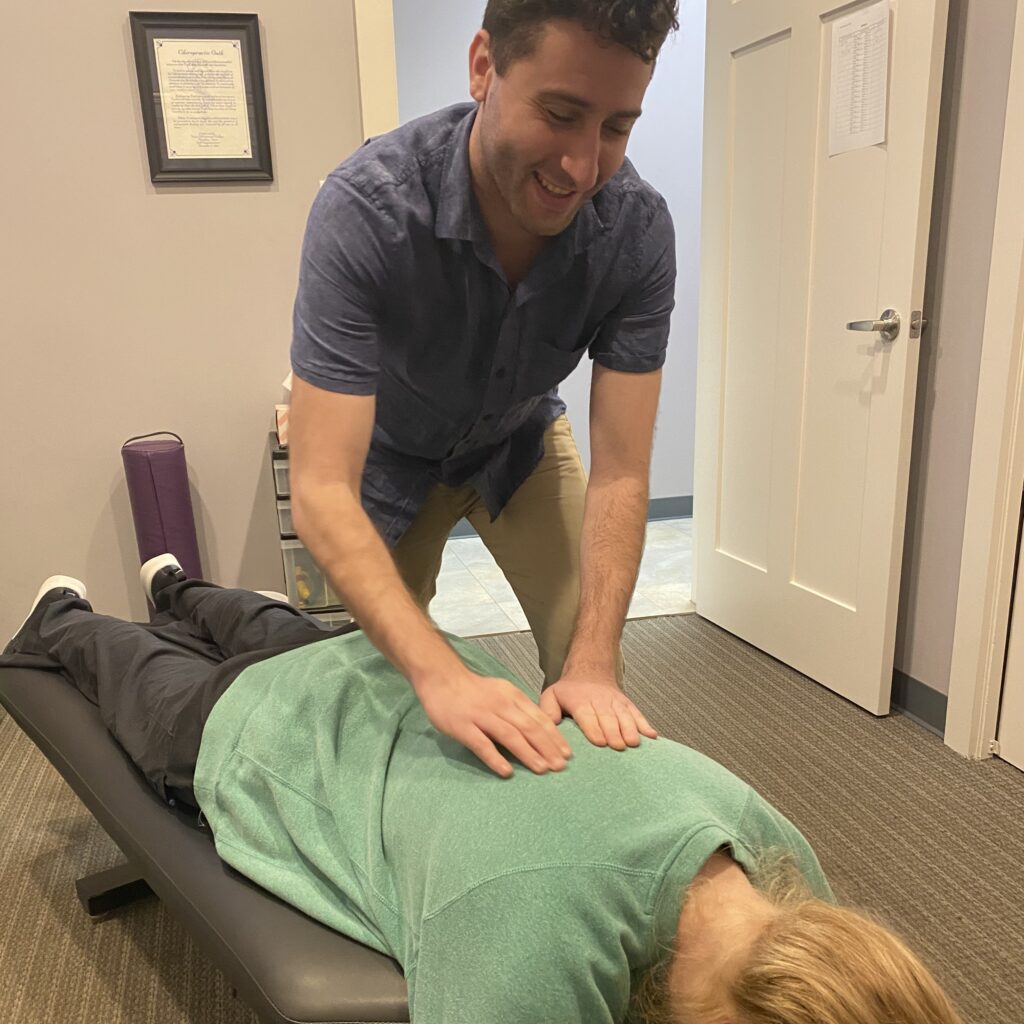
- Active Release Therapy (ART): ART is a hands-on approach that targets scar tissue and adhesions that can form after an injury. This technique utilizes specific movements combined with applied pressure to improve mobility and alleviate discomfort. It's an effective way to address the root causes of pain and restore your body's natural function.
- Blood Flow Restriction Training (BFRT): This innovative method involves temporarily restricting blood flow to a limb during exercise. This can stimulate muscle growth and strength, even with lighter weights. BFRT is especially beneficial during the rehabilitation process, as it helps maintain muscle mass while you're recovering from an injury.
- Kinesiology Taping: This technique employs elastic therapeutic tape to provide support and stabilization to muscles and joints without limiting your movement. Kinesiology taping can help relieve pain and enhance circulation, making it a valuable addition to your recovery strategy.
Integrating these innovative recovery techniques into your healing process can significantly enhance your overall well-being.
Remember, the goal isn't merely to recover but to emerge stronger and more resilient than ever before.
By embracing these methods, you're taking proactive steps towards achieving your peak performance and improving your quality of life.
If you have any questions about these techniques or how they can be tailored to your specific needs, feel free to reach out. I'm here to help you on your journey to optimal health!
The Role of Mental Resilience
As a local chiropractor, I want to emphasize the importance of mental resilience in your recovery journey. It's not just about physical healing; your mental well-being plays a crucial role as well. When you're dealing with an injury, the psychological hurdles can be just as daunting as the physical pain. You might experience feelings of frustration, fear, or even a sense of loss about your previous abilities.
By cultivating mental resilience, you can better navigate these challenging emotions and maintain a positive outlook throughout your recovery.
To foster this resilience, I encourage you to set realistic and achievable goals. Break your recovery down into smaller, manageable steps, and celebrate those small victories along the way. This method helps keep you motivated and focused, making the overall process feel less overwhelming.
Visualization can also be a powerful tool; take a moment to picture yourself fully healed and back to your regular activities, which can reinforce your determination to overcome any obstacles.
It's vital to surround yourself with a supportive network. Friends, family, and teammates can provide encouragement that lifts your spirits and reminds you that you're not alone in this journey.
Additionally, practicing self-compassion is essential. Understand that setbacks are a normal part of recovery; instead of being overly critical of yourself, recognize your progress and be kind to yourself, especially on difficult days.
Mindfulness techniques, such as meditation or deep breathing exercises, can also enhance your mental resilience. These practices help keep you grounded in the present moment, alleviating anxiety about the future.
Lastly, focus on what you can control: your attitude, effort, and commitment to your healing process are all within your grasp. By developing mental resilience, you're not just healing your body; you're also preparing yourself for a stronger comeback.
Holistic Healing Approaches
As a local chiropractor, I want to help you understand how developing mental resilience isn't just important for emotional recovery, but also opens the door to a range of holistic healing approaches.
These methods focus on treating you as a whole person, rather than merely addressing isolated physical injuries. By embracing a holistic perspective, you can enhance your recovery journey and lower the chances of future injuries.
Here are four key holistic healing approaches that you might find beneficial:
- Mindfulness and Meditation: Incorporating mindfulness into your routine can help you remain present and manage discomfort more effectively. Practicing meditation can boost your mental clarity and emotional stability, both of which are crucial during your recovery process.
- Nutrition: A well-rounded diet filled with anti-inflammatory foods can significantly speed up your healing. Prioritize whole foods, lean proteins, and a colorful array of fruits and vegetables to ensure your body gets the nutrients it requires to recover.
- Physical Therapy: Participating in customized physical therapy sessions can aid in restoring your movement and strength. Professional therapists often employ various techniques such as massage and stretching to facilitate healing and improve flexibility.
- Energy Healing: Methods like acupuncture or Reiki can be effective for releasing blockages and enhancing energy flow within your body. Many of my patients have found these approaches to be extremely helpful for both physical and emotional healing.
By considering these holistic approaches, you can take an active role in your recovery and overall well-being.
As your chiropractor, I'm here to guide you through this process and support you in achieving optimal health.
Success Stories of Recovery
As a local chiropractor, I want to share some inspiring success stories that showcase the incredible potential of natural healing and resilience in recovery.
Take Sarah, for instance, a dedicated marathon runner who confronted a serious knee injury. After trying conventional treatments without success, she explored a holistic approach that included chiropractic care, acupuncture, yoga, and dietary adjustments. Remarkably, within months, she not only healed but returned to running stronger than ever, setting a personal record in her next marathon.
Then there's Jake, a professional soccer player who experienced a significant ankle sprain. Instead of hastily returning to the pitch, he prioritized his rehabilitation and focused on mental conditioning. Collaborating with a sports psychologist, he developed mental resilience, which played a crucial role in alleviating the frustration and anxiety that often accompany injuries. When he eventually returned to the field, he did so with renewed confidence, leading his team to victory.
You may also find motivation in Maria's journey, a gymnast who faced a series of injuries. By committing to a comprehensive recovery plan that included chiropractic adjustments, physical therapy, mindfulness practices, and the support of her community, she was able to rebuild her strength and resilience.
Her dedication was rewarded when she not only returned to competitive gymnastics but also earned a silver medal at the national championships.
These success stories highlight that recovery isn't solely about physical healing; it encompasses mental strength, community support, and a holistic approach to well-being.
Each athlete's journey is unique, yet they all illustrate that with the right mindset and natural healing strategies, overcoming setbacks and achieving your goals is possible.
Whether you're an athlete or someone seeking inspiration, let these stories motivate your own path to recovery through chiropractic care and natural healing methods.
Conclusion
As a local chiropractor, I want to emphasize that injuries don't have to sideline your athletic journey. By exploring innovative recovery methods and focusing on mental resilience, you can heal effectively and return to your sport stronger than before. It's essential to engage with your support network—whether that's family, friends, or fellow athletes—and prioritize holistic healing, which includes chiropractic care, to optimize your recovery process.
Chiropractic adjustments can help improve your mobility and alleviate pain, allowing your body to heal more efficiently. With the right mindset and a tailored recovery strategy, you can tap into your peak performance and truly excel in your sport. Remember, recovery isn't just about getting back on the field—it's about thriving and pushing beyond your previous limits. Let's work together on your journey to healing and enhanced athletic performance!