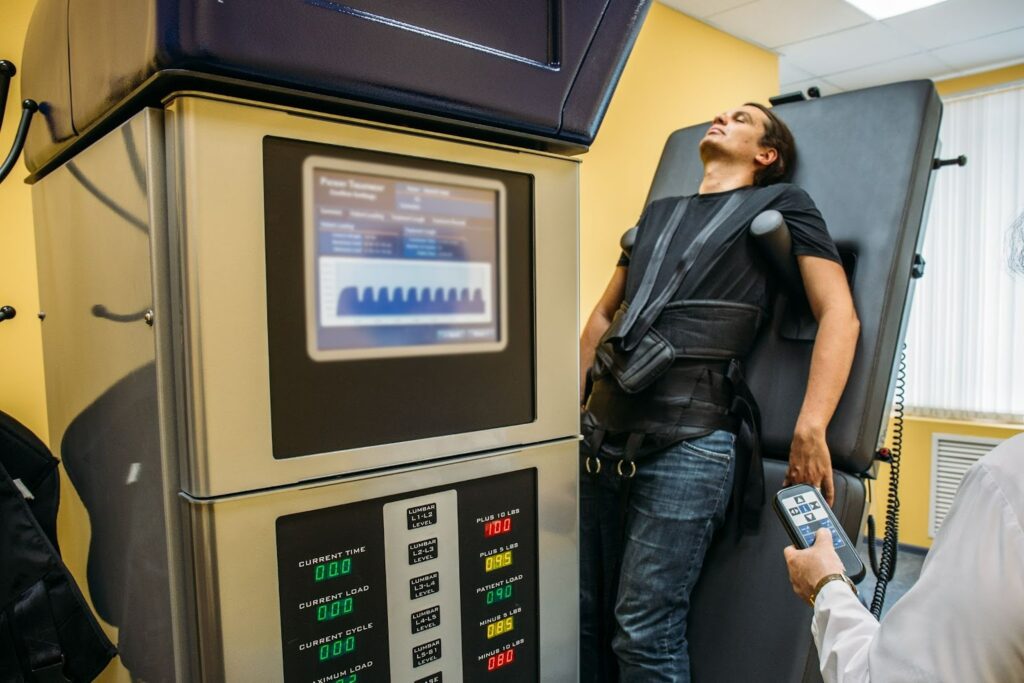

When it comes to recovering from injuries, especially for athletes, it's important to understand that healing is not just about taking time off from physical activity. As a local chiropractor, I want to emphasize that a comprehensive approach is crucial for effective recovery. This includes not only adequate rest but also personalized physical therapy and proper nutrition. Each of these components is essential not just for getting back on the field, but also for improving performance and reducing the risk of future injuries.
Have you considered how mental strategies can also play a role in your recovery? Incorporating mental resilience techniques can significantly enhance the healing process. By exploring these various elements, we can gain a better understanding of how to support your body's natural healing abilities and build the resilience necessary for a successful return to your sport. Embracing a holistic approach that includes chiropractic care can be a vital part of this journey, helping you to heal effectively and prevent future issues.
Effective Rest and Recovery
As a local chiropractor, I want to emphasize the importance of effective rest and recovery, especially for those of you looking to bounce back from an injury. Your body needs adequate time to heal and adapt, which goes beyond just taking a break from physical activity.
It's crucial to understand the role of quality sleep and proper nutrition in this process. I recommend aiming for seven to nine hours of sleep each night to help your muscles recover and your mind rejuvenate.
During your recovery, it's essential to listen to your body. You may feel tempted to push through discomfort, but this can lead to further setbacks. Instead, consider engaging in gentle movements or low-impact exercises that promote blood circulation without putting stress on your injury.
Activities like swimming or cycling are excellent options that allow you to stay active while your body heals.
Hydration is another key component of recovery. Make sure you're drinking plenty of water to flush out toxins and support cellular repair.
Additionally, fueling your body with nutrient-rich foods, particularly those high in protein and antioxidants, will greatly enhance your recovery process. Incorporate lean meats, fish, fruits, vegetables, and whole grains into your diet.
I also encourage you to explore mindfulness practices like meditation or yoga. These can help reduce stress, which can negatively impact your recovery journey.
By fully embracing rest and taking a holistic approach to healing, you'll be setting yourself up for a successful return to your favorite activities.
Importance of Physical Therapy
As a local chiropractor, I want to emphasize the vital role of physical therapy in your journey towards recovery.
Our approach involves creating personalized treatment plans specifically designed to address your unique needs. These tailored plans not only promote healing but also teach you essential injury prevention strategies, ensuring you can stay active and healthy for longer.
By understanding the significance of physical therapy within chiropractic care, you can experience enhanced overall performance and well-being.
Embracing natural healing methods can lead to greater resilience and a better quality of life.
Personalized Recovery Plans
Creating a personalized recovery plan is essential for athletes looking to heal from injuries, and as a local chiropractor, I'm here to help you understand how chiropractic care can play a vital role in this process.
It's important to recognize that recovery isn't a one-size-fits-all scenario; every injury and individual athlete has their own unique needs. By customizing your recovery plan, we can ensure it specifically addresses your condition, personal goals, and physical capabilities.
To begin, collaborating with a chiropractor allows for a thorough assessment of your injury. We'll work together to create a treatment strategy that not only focuses on your immediate pain relief but also emphasizes restoring strength, flexibility, and range of motion.
My expertise will guide you in developing a timeline for your recovery, alongside recommendations on what activities to avoid to prevent further injury.
Incorporating both rest and active recovery is crucial in your healing journey. It's essential to balance rehabilitation exercises with adequate downtime, allowing your body to heal effectively.
A personalized plan will take into account your training schedule, ensuring you can safely transition back to your sport without the risk of re-injury.
Moreover, tracking your progress is a key component of your recovery. Together, we'll regularly update your plan based on how you're feeling, which will help keep you motivated and allow us to adjust your goals as needed.
With a tailored approach that includes chiropractic care, you're more likely to achieve a successful recovery, allowing you to return to the activities you love sooner and stronger than ever.
Injury Prevention Techniques
Injury prevention is crucial for anyone engaging in physical activity, and as a local chiropractor, I want to share how incorporating chiropractic care into your routine can greatly benefit you. Chiropractors are skilled in evaluating your body mechanics and finding potential issues that could lead to injuries. By collaborating with us, you can develop personalized strategies that cater to your specific needs and activities.
Regular chiropractic adjustments can enhance your overall strength and flexibility, which are essential components in preventing injuries. We guide you through exercises and techniques that target areas of weakness or tightness, ultimately improving your performance and minimizing the risk of strains.
Additionally, we teach you proper movement patterns that help reduce unnecessary stress on your body.
Furthermore, chiropractic care emphasizes education on body awareness. You'll learn to tune into your body and recognize early signs of discomfort, allowing you to address potential issues before they develop into serious injuries.
Integrating these natural healing techniques into your routine doesn't just help you maintain your active lifestyle; it also supports your long-term health and well-being.
Nutritional Support for Healing
As a local chiropractor, I want to emphasize the vital role that proper nutritional support plays in your healing process, especially if you're an athlete recovering from an injury. When your body is injured, it needs specific nutrients to repair itself and reduce inflammation, and prioritizing a balanced diet can significantly enhance your recovery.
First and foremost, it's essential to include plenty of protein in your meals. Proteins are crucial as they serve as the building blocks for muscle and tissue repair. Great sources of protein include lean meats, fish, eggs, dairy, legumes, and nuts. Depending on your activity level and the severity of your injury, aim for a daily intake of 1.2 to 2.0 grams of protein per kilogram of your body weight.
Vitamins and minerals also play a significant role in the healing process. For example, Vitamin C is vital for collagen production, which is necessary for tissue repair. You can find Vitamin C in citrus fruits, berries, and leafy greens.
Zinc is another important mineral that supports immune function and tissue repair, so be sure to include nuts, seeds, and whole grains in your diet. Additionally, Omega-3 fatty acids are beneficial for reducing inflammation and can be found in fatty fish, flaxseeds, and walnuts.
Don't overlook the importance of hydration. Water is essential for every bodily function, including the healing process. It's important to drink plenty of fluids throughout the day, particularly if you notice any swelling.
Lastly, I highly recommend consulting with a nutritionist. They can provide personalized advice and help create a meal plan tailored to your specific needs, ensuring you receive all the nutrients necessary for optimal recovery.
Mental Resilience Techniques
As a local chiropractor, I want to emphasize the importance of mental resilience techniques in your recovery journey, especially after an injury. It's not just about physical adjustments; your mindset plays a crucial role in healing.
Techniques like visualization and positive self-talk can significantly enhance your recovery process. Imagine yourself fully healed and engaged in activities you love; this mental imagery can help set a powerful intention for your healing journey.
Additionally, maintaining a positive inner dialogue can boost your confidence and motivation, making it easier to adhere to your treatment plan. These strategies not only aid in managing your pain but also work in tandem with the chiropractic care you receive, potentially speeding up your recovery.
Visualization and Imagery
As a local chiropractor, I want to share how the power of visualization and imagery can significantly support your recovery and mental resilience. When you envision yourself fully healed and active again, you're not just indulging in wishful thinking; you're actively training your mind to align with your healing goals.
Picture the movements you want to perform, the joy you'll feel, and the achievements you aspire to reach. This mental rehearsal can greatly enhance your confidence and motivation as you recover.
To practice visualization, start by finding a quiet space where you can concentrate. Close your eyes and envision yourself overcoming obstacles, performing movements with ease, or celebrating your successes. Engage all your senses—hear the cheers of the crowd, feel the thrill of victory, and visualize the sights of your favorite arena.
The more vivid and detailed your imagery, the more powerful its impact on your recovery.
Moreover, imagery can be a valuable tool for managing pain and anxiety during your healing process. By visualizing a serene scene or a successful performance, you can shift your focus away from discomfort.
This technique not only supports mental recovery but also nurtures a positive mindset, which is crucial for overcoming the challenges you may face. I encourage you to incorporate visualization into your healing routine, and you may be amazed at how it can transform your journey back to the activities you love.
Together, we can work on your physical alignment and empower your mind, leading to a holistic approach to your wellness.
Positive Self-Talk Techniques
As a chiropractor, I want to emphasize the importance of surrounding yourself with positivity in your healing journey.
Whether it's supportive friends, family, or uplifting quotes, a positive environment can significantly bolster your mindset.
Remember, positive self-talk isn't merely a mental exercise; it's a vital tool that can enhance your resilience and aid in your recovery process.
Embracing this approach can complement the benefits of chiropractic care, helping you achieve a more balanced and healthier life.
Advanced Rehabilitation Methods
As a local chiropractor, I want to share how advanced rehabilitation methods can significantly enhance your recovery as an athlete. These innovative techniques not only expedite the healing process but also ensure you return to your peak performance levels.
One particularly effective approach is electrical stimulation therapy. This method helps to prevent muscle atrophy while promoting blood circulation and alleviating pain. By integrating this therapy into your rehabilitation routine, you can maintain your muscle strength even as you recover from an injury.
Another valuable technique is ultrasound therapy, which utilizes sound waves to facilitate tissue healing and decrease inflammation. This non-invasive treatment can be incredibly beneficial in shortening your recovery time.
Additionally, you might want to explore hydrotherapy, which involves performing exercises in water. The buoyancy of the water reduces strain on your body, allowing you to strengthen your muscles safely without the risk of re-injury.
Moreover, advanced technologies like virtual reality (VR) can play a crucial role in your rehabilitation process. VR can create real-life scenarios that help you regain your confidence and coordination during recovery. This interactive approach engages both your body and mind, making the rehabilitation experience more effective.
It's also important to consider personalized rehabilitation programs that utilize data analytics. These programs can help identify your specific needs and monitor your progress closely. By adapting your recovery plan based on real-time feedback, we can optimize your healing journey.
Incorporating these advanced rehabilitation methods into your recovery strategy can lead to faster healing, reduced pain, and a smoother transition back to your sport.
I encourage you to work closely with a professional who can tailor these methods to your individual needs, ensuring you receive the most effective care possible. Remember, your recovery isn't just about healing; it's about getting back to doing what you love with confidence and strength.
Long-term Injury Prevention Strategies
As a local chiropractor, I believe in the power of natural healing and the importance of long-term injury prevention strategies for anyone looking to maintain their health and performance, whether you're an athlete or simply active in your daily life.
By being proactive and attentive to your body, you can significantly lower the chances of injuries that could keep you away from doing what you love. Here are three essential strategies to consider:
1. Strength Training: Developing muscle strength around your joints is crucial for stability and injury prevention. Engaging in strength training exercises that focus on the key muscle groups used in your activities can enhance joint support and resilience.
This not only helps in preventing injuries but also aids in overall body alignment, which is fundamental in chiropractic care.
2. Flexibility and Mobility Work: It's important to regularly incorporate stretching and mobility exercises into your routine. These practices enhance your range of motion and can prevent muscle tightness, which often leads to injuries.
Activities such as yoga or dynamic stretching can be beneficial, promoting flexibility in your muscles and tendons, and complementing the adjustments and therapies we provide in chiropractic care.
3. Proper Nutrition and Hydration: The way you fuel your body has a direct impact on its ability to recover and perform optimally. A well-balanced diet that includes proteins, healthy fats, and carbohydrates, along with proper hydration, is essential for supporting your body's functions and recovery processes.
As a chiropractor, I emphasize the connection between nutrition and overall health, as it plays a vital role in how our bodies respond to stress and injury.
By integrating these strategies into your routine, you can enhance your overall well-being and longevity in your activities while minimizing the risk of injury.
Conclusion
As a local chiropractor, I want to share some time-tested strategies that can greatly enhance your recovery from injuries. It's essential to prioritize effective rest—allowing your body the time it needs to heal is crucial. Tailored physical therapy can also play a vital role in your recovery; it helps to strengthen the muscles around the injured area and restore mobility.
Additionally, fueling your body with the right nutrition is key. Proper nutrition supports healing and boosts your overall performance. Don't overlook the importance of nurturing your mental resilience; maintaining a positive mindset can significantly impact your recovery journey.
By consistently focusing on these areas, you can not only recover faster but also help prevent future injuries. This proactive approach will ensure you remain at your best for years to come. Remember, chiropractic care can be a valuable part of this process, as it helps align your body and optimize your healing potential. If you have any questions or would like to learn more, feel free to reach out!