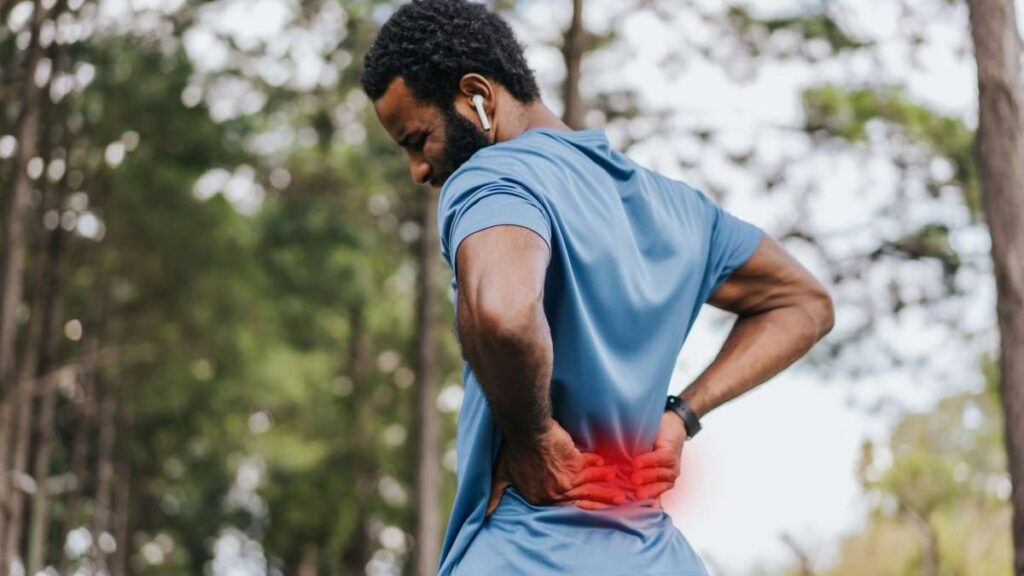

When you experience a sports injury, it's crucial to understand the effective techniques for recovery that can significantly aid your healing process. As a local chiropractor, I want to highlight the importance of rest, active recovery, and various physical therapy methods—these are fundamental in getting you back on your feet and performing at your best.
But there are also innovative treatments within chiropractic care that can provide you with an added advantage in your recovery. Techniques such as spinal adjustments, soft tissue therapy, and personalized rehabilitation exercises can help restore your body's function and alleviate pain more effectively.
Additionally, we must not overlook the vital role of nutrition and mental well-being in your recovery journey. Proper nutrition can fuel your body's healing processes, while maintaining a positive mindset can enhance your motivation and resilience during rehabilitation. By exploring these aspects together, we can create a comprehensive approach to healing that will support your return to sports and enhance your overall well-being.
Understanding Sports Injuries
As a local chiropractor, I want to emphasize the importance of understanding sports injuries for anyone participating in physical activities. This knowledge is vital not only for recovery but also for preventing future injuries. When you engage in sports, your body faces various stresses that can lead to common injuries such as sprains, strains, fractures, and tendonitis. By familiarizing yourself with these injuries, you can identify symptoms early and seek the right treatment, which may include chiropractic care.
Acute injuries, such as a twisted ankle or pulled muscle, often occur suddenly from impacts or falls. Recognizing these injuries as they happen allows for prompt care, which can be crucial in promoting healing.
Conversely, chronic injuries develop gradually due to repetitive stress on specific areas of the body, like runner's knee or tennis elbow. Being attentive to your body's signals can help you catch these issues before they worsen, allowing for effective natural healing approaches.
Understanding the mechanics behind these injuries is also essential. Often, improper technique or insufficient warm-up can increase your risk. By focusing on your form and ensuring that you're physically prepared, you can significantly lower your chances of injury. This is where chiropractic care can be beneficial; we can help you improve your biomechanics and movement patterns.
Additionally, individual factors like age, fitness level, and past injuries can influence your vulnerability to sports injuries. The more informed you're about these aspects, the better equipped you'll be to protect yourself.
Ultimately, comprehending sports injuries isn't just about acknowledging pain; it's about empowering yourself with knowledge to make wiser choices in your training and recovery. As your chiropractor, I'm here to guide you through this process, helping you achieve optimal health and performance through natural healing methods.
Importance of Rest and Recovery
As a local chiropractor, I want to emphasize the crucial role that rest and recovery play in healing from sports injuries. Your body needs quality sleep to repair itself, and incorporating active recovery techniques can significantly aid in this process.
It's equally important to allow for mental rest, as stress can hinder your healing. By prioritizing these aspects of recovery, you not only facilitate your healing but also set the stage for a stronger return to your activities.
Role of Sleep
As a local chiropractor, I want to emphasize the crucial role that sleep plays in your recovery from sports injuries. Sleep isn't just about resting; it's your body's natural repair mechanism. During sleep, your body releases growth hormones that are essential for healing tissues and aiding muscle recovery.
This is also the time when your immune system works hard to reduce inflammation and combat any potential infections that could slow down your healing process. If you're not getting enough quality sleep, you may be extending your recovery time.
I recommend aiming for 7-9 hours of restorative sleep each night to give your body the best chance to heal effectively. Establishing a consistent sleep schedule can help regulate your internal clock, making it easier for you to drift off and wake up feeling refreshed.
Creating a sleep-friendly environment is just as important. Make sure your bedroom is cool, dark, and quiet to support deeper sleep cycles. It's also wise to avoid screens and stimulating activities before bedtime, as these can interfere with your ability to wind down.
Additionally, consider incorporating relaxation techniques like meditation or gentle stretching to prepare your body for restorative sleep. By prioritizing sleep, you can significantly enhance your recovery process, allowing you to return to your sport even stronger than before.
As your chiropractor, I'm here to guide you on this journey to natural healing and optimal wellness.
Active Recovery Benefits
As a local chiropractor, I want to emphasize the importance of not just getting enough sleep for your recovery, but also incorporating active recovery techniques into your healing process.
Active recovery is about engaging in low-intensity exercises that promote blood flow, allowing your muscles to recover without adding unnecessary strain. Activities like walking, cycling, or gentle stretching can make a significant difference.
By practicing active recovery, you're helping your body flush out toxins and deliver essential nutrients to your muscles more efficiently. This can greatly reduce soreness and stiffness, especially after an injury.
Additionally, staying active is key to maintaining your overall fitness levels, which is crucial to prevent deconditioning during your recovery phase.
There are also psychological benefits to consider. Active recovery can enhance your mood and motivation, giving you a sense of control over your healing journey. Instead of passively waiting to heal, you're actively involved in your rehabilitation process.
It's important to always listen to your body. If you experience pain during certain movements, don't hesitate to adjust or stop.
By integrating active recovery into your daily routine, you're likely to feel stronger, more energized, and better prepared to return to your sport or daily activities.
Embrace this holistic approach, and you'll likely see positive progress in your recovery!
Mental Rest Importance
Taking a break for your mind is just as crucial as allowing your body time to heal, especially when recovering from a sports injury. Many people don't realize that mental fatigue can significantly impact motivation and focus during the recovery process. As a chiropractor, I want to emphasize how your mental state is intertwined with your physical healing.
Engaging in mental rest is essential; it allows your brain to unwind, thereby reducing stress and anxiety associated with your injury. Techniques such as mindfulness, meditation, or deep breathing exercises can help clear your mind, making it easier to maintain a positive outlook and resilience throughout your recovery.
This mental break isn't just about relaxation; it's about recharging your mental energy, which can enhance your decision-making abilities and boost your performance when you're ready to return to your sport.
Furthermore, stepping back from hyper-focusing on your injury can provide you with a healthier perspective on your recovery journey. Rather than fixating on limitations, you'll create the mental space to reflect on your goals and visualize your successful return.
So, don't underestimate the importance of mental rest. Embrace it as part of your healing process, and you'll find that you emerge stronger—both physically and mentally—when it's time to get back into action.
Physical Therapy Techniques
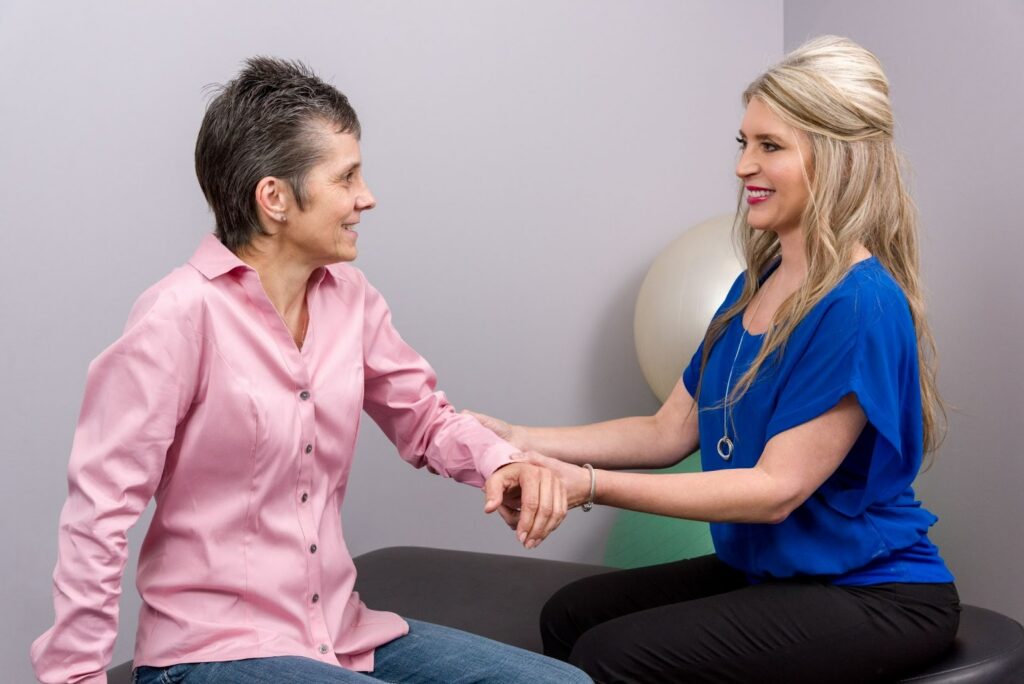
As your local chiropractor, I want to share how chiropractic care can significantly enhance your recovery journey.
Our manual therapy techniques are designed to alleviate pain and improve your range of motion, helping you feel more comfortable and active.
Additionally, we emphasize exercise rehabilitation strategies to strengthen your body and prevent future injuries.
By combining these natural healing methods, we aim to support you in getting back to the activities you love more quickly and effectively.
Embracing chiropractic care not only aids in your recovery but also promotes overall wellness.
Manual Therapy Approaches
As a local chiropractor, I want to share how manual therapy approaches can play a vital role in your sports injury recovery. These hands-on techniques are designed to alleviate pain and restore function, helping you get back to your favorite activities.
One of the key methods we use is myofascial release, which targets the fascia – the connective tissue that surrounds your muscles and organs. When this fascia becomes tight, it can limit your movement. By applying gentle, sustained pressure, we can help release that tension, promote relaxation, and improve blood flow, all of which are essential for healing.
Another important technique is joint mobilization. This involves carefully moving your joints to enhance their range of motion and reduce stiffness. By improving joint mobility, we can help you regain function more effectively and comfortably.
In addition, we utilize soft tissue manipulation techniques, such as deep tissue massage. This approach focuses on muscle knots and areas of tension, helping to decrease pain and enhance circulation. Proper circulation is crucial for recovery, and these methods can significantly improve your overall mobility and comfort.
It's important to work with a qualified therapist who can personalize these techniques to meet your specific needs. By doing so, you can ensure that you're receiving the best care possible on your journey to recovery.
Through chiropractic care and natural healing, we aim to help you achieve optimal wellness and return to the activities you love.
Exercise Rehabilitation Strategies
As a local chiropractor, I want to emphasize the importance of exercise rehabilitation strategies in your recovery from a sports injury. These strategies aren't only vital for regaining strength and flexibility but also play a crucial role in preventing future injuries. It all begins with a comprehensive assessment, which I can provide to tailor a rehabilitation program specifically for your needs.
Initially, we'll focus on gentle range-of-motion exercises to help improve flexibility and alleviate stiffness in the affected area. As you progress, we'll gradually introduce targeted strengthening exercises that focus on the injured area as well as the surrounding muscles. Utilizing tools like resistance bands and light weights can be very effective during this phase.
Incorporating balance and proprioception exercises is equally important, as these activities enhance your stability and coordination. Simple movements such as single-leg stands or balance board exercises can significantly benefit your overall recovery.
As you continue to heal, we'll integrate sport-specific drills that replicate the movements you perform in your sport. This approach not only helps rebuild your confidence but also prepares you for a safe return to play.
Throughout this journey, it's essential to listen to your body. If you encounter any pain or discomfort, we can adjust your exercises accordingly. Staying consistent and committed to your rehabilitation plan will accelerate your recovery, allowing you to return to your activities even stronger than before.
Innovative Treatment Options
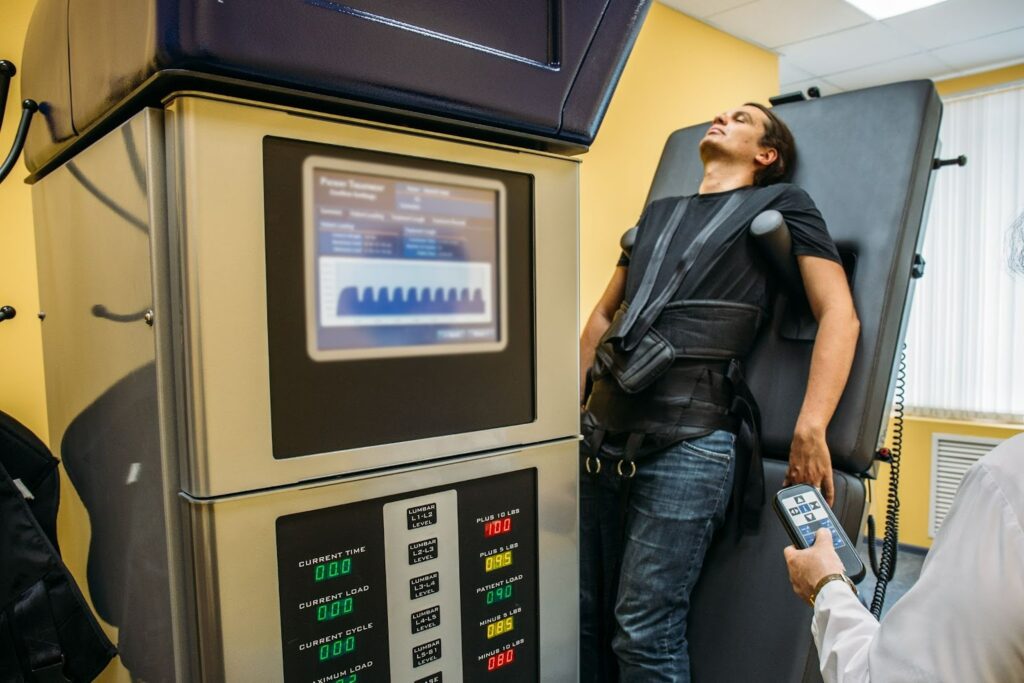
As a local chiropractor, I want to share with you some innovative treatment options that are changing the way we approach recovery from injuries. By combining cutting-edge technology with holistic methods, we can enhance your healing process and help you get back to your activities faster.
One of the therapies gaining popularity is cryotherapy. This treatment involves exposing your body to extremely cold temperatures, which can significantly reduce pain and inflammation. Many athletes have found it to be an effective way to relieve discomfort after an injury.
Another exciting option is infrared therapy. This technique uses specific wavelengths of light to penetrate deep into your tissues, promoting improved blood circulation and speeding up recovery. It's a gentle yet powerful way to support your healing journey.
You may have also heard about stem cell therapy, which utilizes your own cells to repair damaged tissues. This natural approach is particularly beneficial for joint injuries and allows for recovery without the need for invasive surgeries.
Platelet-rich plasma (PRP) therapy is another advanced modality that many are turning to. This process involves drawing a small amount of your blood, concentrating the platelets, and injecting them back into the injured area. By harnessing your body's natural growth factors, PRP therapy can accelerate healing and improve outcomes.
In addition, bioelectrical stimulation is a non-invasive treatment that uses electrical impulses to promote muscle recovery and alleviate pain. This can help you regain strength more rapidly and get you back on your feet sooner.
Lastly, virtual reality (VR) therapy is emerging as an innovative tool in rehabilitation. It creates immersive environments that can aid your mental recovery and assist in regaining motor skills.
With these innovative treatment options available, you can customize your recovery plan to fit your individual needs. As your chiropractor, I'm here to help guide you through these options, ensuring a smoother and more effective return to your sport and daily activities.
Nutrition for Healing
As a local chiropractor, I want to emphasize the crucial role of nutrition in supporting your recovery from sports injuries. When you experience an injury, your body requires specific nutrients to heal effectively, and understanding this can significantly enhance your healing journey.
First and foremost, protein is vital. It plays a key role in repairing tissues and building new muscle. I encourage you to incorporate lean meats, fish, beans, and legumes into your daily meals. Striving for a balanced intake of protein at each meal can optimize your recovery and help your body bounce back more quickly.
Carbohydrates shouldn't be overlooked, either. They're your body's primary source of energy during the healing process. Focus on whole grains, fruits, and vegetables, as they provide not just energy but also essential antioxidants that can help reduce inflammation, further supporting your recovery from injury.
Additionally, let's not forget about healthy fats. Omega-3 fatty acids, which are abundant in fish like salmon, as well as walnuts and flaxseeds, are known to have anti-inflammatory properties. Including these in your meals can significantly aid your body's response to injury and enhance your overall healing process.
Hydration is another critical factor in your recovery. Proper hydration helps transport nutrients and keeps your tissues well-hydrated. Make it a point to drink plenty of fluids throughout the day, especially if you're engaging in rehabilitation exercises.
Lastly, if you find that your diet is lacking in certain nutrients, supplements can be beneficial. For instance, vitamin C is known to enhance collagen production, while zinc can support your immune function and overall healing. However, it's essential to consult with a healthcare professional before introducing any new supplements into your regimen.
Preventing Future Injuries
As a local chiropractor, I want to emphasize the importance of preventing future injuries, especially for those of you who are active in sports or physical activities. Maintaining your performance and overall health is crucial, and one of the best ways to achieve this is through proper warm-up and cool-down routines during your training sessions.
Warming up not only increases blood flow to your muscles but also enhances flexibility, which can significantly reduce the risk of strains. Similarly, cooling down is vital for muscle recovery and can help minimize soreness after your workouts.
In addition to warming up and cooling down, incorporating strength training and conditioning into your routine is essential. By targeting specific muscle groups that support your primary sport, you can build resilience and stability, which helps prevent common injuries.
If you're unsure where to start, consider working with a trainer or a chiropractor like me who can develop a personalized program tailored to your unique needs and weaknesses.
Listening to your body is another critical aspect of injury prevention. If you experience pain or discomfort, it's important not to ignore those signals. Pushing through pain can lead to more significant issues down the road. Allow yourself adequate time for recovery, and don't hesitate to seek guidance from a healthcare professional.
Cross-training is also an excellent way to prevent injuries. By engaging in various sports or activities, you can reduce the repetitive strain on specific joints and muscles, promoting overall balance and health.
Lastly, wearing the right equipment is vital. Make sure you have shoes that provide proper support for your sport, and regularly check your gear for any wear and tear. Old or damaged equipment can increase your risk of injury.
By taking these proactive steps and considering chiropractic care as part of your overall wellness routine, you can greatly reduce your chances of injury. This will allow you to enjoy your activities to the fullest while maintaining peak performance.
Conclusion
As a local chiropractor, I want to share with you how effective sports injury recovery can be achieved through a holistic approach that includes rest, physical therapy, and some innovative treatments that we utilize in our practice. It's important to prioritize proper nutrition and hydration, as these elements play a crucial role in your healing process. Additionally, mental well-being is key to supporting your overall recovery journey.
Incorporating these techniques into your routine not only helps you recover more quickly but also aids in preventing future injuries. By understanding the benefits of chiropractic care and natural healing methods, you can take a proactive stance towards your health. This way, you'll not only recover from your current injuries but also enjoy a healthier, more resilient approach to your athletic pursuits. Remember, we're here to guide you on this journey to optimal recovery and performance.