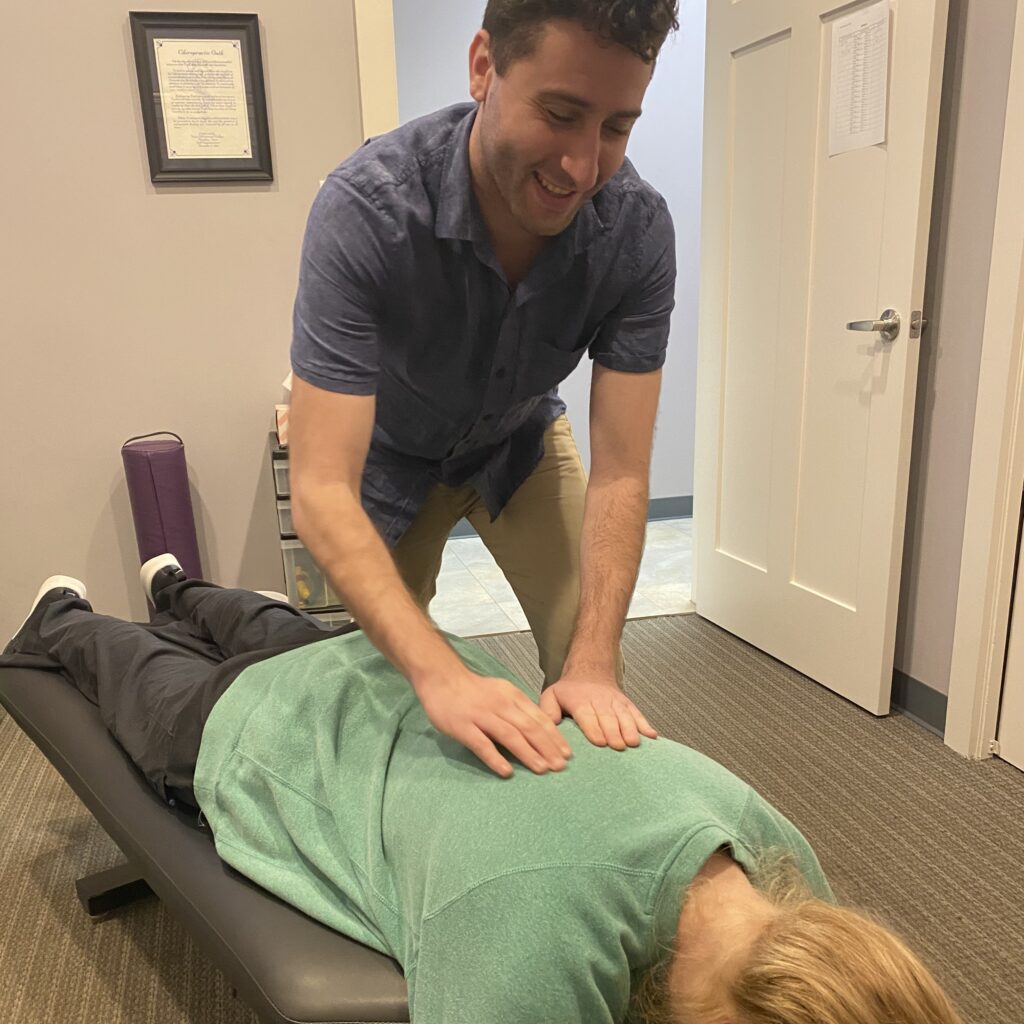

When dealing with neck injuries, it's common to feel overwhelmed by the search for relief. As a local chiropractor, I want to introduce you to soft techniques that can be incredibly effective in easing your discomfort and restoring your mobility. Methods such as gentle massage and myofascial release are designed to not only alleviate pain but also improve circulation and foster healing in the affected areas.
Incorporating simple relaxation techniques into your daily routine can significantly support your recovery process. These approaches, which may seem straightforward, can make a notable difference in how you feel. It's crucial to understand the full range of these soft techniques and the unique benefits they offer.
If you're curious about how to integrate these methods into your healing journey, I encourage you to ask questions and explore options that can maximize your comfort and promote healing. Your path to recovery can be gentle and effective with the right guidance and support.
Understanding Neck Injuries
As a local chiropractor, I want to share some insights about neck injuries, which can affect anyone, whether due to an unexpected fall, an accident, or simply from maintaining poor posture over time. These injuries can vary from mild strains to more serious issues like whiplash or herniated discs. Understanding these conditions is crucial for effective recovery and prevention, and that's where chiropractic care can play a significant role.
When you experience neck pain, it's essential to pinpoint the cause. Did you twist your neck awkwardly at the gym, or have you been slouched over your computer for hours? The symptoms can range widely, including stiffness, sharp pain, or even headaches. By recognizing these signs, you can better understand when it's time to seek professional help, like chiropractic care, which focuses on aligning the spine and promoting overall wellness.
Consider how your daily habits impact your neck health. Poor posture while sitting or standing can lead to muscle imbalances and increased strain on your neck. If you often find yourself looking down at your phone, you could be contributing to a condition commonly referred to as "text neck." Becoming aware of these habits can empower you to make better choices that support your neck and spine.
Moreover, factors such as stress and sleep quality can significantly influence neck health. Tension often builds up in the neck and shoulders, worsening discomfort. As a chiropractor, I encourage you to manage stress through relaxation techniques and ensure your sleep environment is conducive to restful sleep.
Chiropractic care can also help alleviate tension and improve overall neck function, aiding in injury prevention. By understanding how your lifestyle choices affect your neck health, and considering chiropractic care as a natural healing option, you can take proactive steps toward recovery and long-term wellness.
Benefits of Soft Techniques
As a local chiropractor, I want to share with you the incredible benefits of soft techniques when it comes to neck injuries.
Many people may not be familiar with these approaches, but they can significantly enhance your recovery experience.
Soft techniques not only provide effective relief from pain but also help improve your mobility and expedite the healing process.
By integrating these gentle methods into your recovery plan, you're choosing a more comfortable and efficient path towards healing.
Let's work together to explore how these techniques can support your journey to better health!
Pain Relief Methods
As a local chiropractor, I want to share with you some effective pain relief methods for those experiencing neck injuries. One approach I highly recommend is the incorporation of soft techniques. These gentle methods focus on relaxation and manipulation to ease tension and discomfort in your neck, making a significant difference in your overall comfort during daily activities.
Soft techniques such as massage, myofascial release, and gentle stretching are fantastic for targeting specific areas of tightness or soreness in your neck. By focusing on these areas, we can improve blood circulation, which not only promotes healing but also helps reduce inflammation.
Additionally, these calming methods can lower your stress levels, contributing further to pain relief.
Another benefit of these soft techniques is that they encourage your body to produce natural pain-relieving chemicals, like endorphins. This means that many patients find they can rely less on medications, which can often have unwanted side effects.
By regularly practicing these techniques, you may also experience long-term benefits that enhance your overall sense of well-being.
If you're new to chiropractic care and natural healing, I encourage you to explore these methods to help alleviate your neck pain. Together, we can work towards a healthier and more comfortable you.
Improved Mobility Outcomes
At our chiropractic practice, we want to help you experience improved mobility through gentle and effective techniques tailored for your neck. Many people are unfamiliar with how soft manipulation and relaxation methods can enhance their well-being, so let me explain.
Techniques like myofascial release and gentle stretching are designed to improve your range of motion without the discomfort that can often come with more aggressive treatments. As we work together to reduce tension in your neck, you may find it easier to turn your head and look side to side.
Using these soft techniques not only helps alleviate stiffness but also promotes better alignment of the cervical spine. Proper alignment is crucial for maintaining mobility, as it allows for smoother movements and minimizes the risk of further injury.
You might notice that everyday tasks, such as looking over your shoulder or holding your head up, become much more comfortable and less of a struggle.
Additionally, these approaches encourage you to develop a deeper mind-body connection. You'll learn to identify areas of tension, which enables you to respond more effectively to any discomfort you experience.
As you add these gentle techniques into your routine, you may discover a newfound freedom in your neck movement, making it easier to engage in daily activities and improving your overall quality of life.
We're here to guide you on this journey to better mobility and well-being!
Enhanced Healing Process
As a local chiropractor, I often see patients who are unfamiliar with how chiropractic care and natural healing can support their recovery from neck injuries.
One effective approach I recommend is incorporating soft techniques into your healing process. These gentle methods focus on relaxation and manipulation, leading to numerous benefits.
Here are three key advantages you might experience:
- Increased Blood Flow: Techniques such as massage and gentle stretching can significantly stimulate circulation in the injured area. This enhanced blood flow brings essential nutrients and oxygen to the tissues, which is vital for accelerating the healing process.
- Reduced Muscle Tension: Methods like myofascial release target the tight muscles around your neck. By alleviating this tension, many patients report experiencing less pain and greater comfort, which can contribute to a quicker recovery.
- Enhanced Relaxation: Incorporating soft techniques into your routine can foster overall relaxation, which helps lower stress hormones that may hinder the healing process. When your body is relaxed, it can devote more energy to recovery instead of being bogged down by tension and discomfort.
Integrating these soft techniques into your rehabilitation plan can significantly impact the speed and quality of your recovery from a neck injury.
By harnessing your body's natural ability to heal, you can support a smoother and more efficient healing journey.
If you're interested in exploring these techniques further, I'd be happy to discuss how we can tailor them to your specific needs.
Soft Tissue Manipulation
As a local chiropractor, I want to share the vital role that soft tissue manipulation plays in the recovery process for neck injuries. Many of my patients come in with discomfort and limited mobility, often due to the tension and inflammation in the muscles and tissues surrounding the neck. By incorporating targeted soft tissue manipulation techniques into your treatment plan, we can effectively alleviate that tension and support your healing journey.
One of the most common techniques I utilize is massage therapy. With a trained therapist or through my own hands-on approach, we can apply pressure to specific areas of your neck. This not only helps to loosen tight muscles but also enhances circulation. Increased blood flow is crucial as it delivers essential nutrients to the injured areas and helps to remove waste products that can exacerbate inflammation.
Another technique I often recommend is myofascial release. This method focuses on the fascia, which is the connective tissue enveloping your muscles. Through gentle stretching and manipulation, we can release restrictions within this tissue and improve your overall flexibility. This is particularly beneficial if you're dealing with restricted movement due to scar tissue or muscle tightness.
Additionally, trigger point therapy is an effective approach that targets specific knots within your muscles. By applying pressure to these trigger points, we can alleviate pain and restore normal muscle function. This technique can be particularly useful if you're experiencing referred pain—meaning pain that radiates from your neck to other areas like your shoulders or head.
As your chiropractor, my goal is to provide you with a holistic understanding of how these natural healing techniques can support your recovery and enhance your overall well-being. If you have any questions about chiropractic care or soft tissue manipulation, feel free to reach out during your next visit!
Gentle Stretching Exercises
As a local chiropractor, I want to emphasize the importance of gentle stretching exercises in your recovery from neck injuries.
These exercises aren't only helpful for improving flexibility, but they also play a vital role in reducing stiffness and enhancing blood circulation to the affected areas.
It's crucial to listen to your body during these stretches and avoid any movements that cause discomfort or pain.
Here are three effective gentle stretching exercises I recommend incorporating into your routine:
- Neck Tilts: Find a comfortable seated or standing position. Gradually tilt your head to one side, bringing your ear toward your shoulder. Hold this position for 15-30 seconds, allowing the stretch to reach the opposite side of your neck. Return your head to the center and repeat on the other side.
- Chin Tucks: While either sitting or standing, gently tuck your chin towards your chest. This movement elongates the back of your neck. Hold this position for 5-10 seconds before releasing. This exercise is excellent for strengthening your neck muscles and improving overall posture.
- Shoulder Rolls: Sit up straight and allow your shoulders to relax. Inhale deeply as you lift your shoulders toward your ears, then exhale while rolling them back and down. Repeat this motion 5-10 times, focusing on alleviating tension in your shoulders and neck.
Integrating these gentle stretches into your daily routine can significantly aid in your recovery process.
Consistency is key, so take your time and be patient with yourself.
With dedication and care, you'll notice positive changes in your neck's flexibility and overall comfort.
Relaxation Techniques
As a local chiropractor dedicated to your well-being, I want to emphasize the importance of relaxation techniques in your recovery from neck injuries.
Many patients may not realize how vital these methods can be in promoting healing. Incorporating deep breathing exercises is a great way to calm both your mind and body, reducing stress and tension.
Additionally, gentle stretching can help alleviate discomfort and improve flexibility in the affected area. By combining these techniques, you can experience significant relief and enhance your overall comfort during your healing journey.
Deep Breathing Exercises
As a local chiropractor, I often emphasize the importance of holistic approaches to healing, especially when it comes to recovering from neck injuries. One excellent method is deep breathing exercises, which can significantly promote relaxation and alleviate tension in the body.
By focusing on your breath, you activate your body's natural relaxation response, which can help ease discomfort and enhance your overall well-being. Let me share three effective deep breathing techniques that you can incorporate into your daily routine:
- Diaphragmatic Breathing: Find a comfortable position, either sitting or lying down. Place one hand on your chest and the other on your abdomen. As you inhale deeply through your nose, aim to fill your diaphragm rather than your chest. You should feel your abdomen rise as you breathe in. Then, exhale slowly through your mouth. Practice this for several minutes to promote relaxation.
- 4-7-8 Breathing: This technique is great for calming your nervous system. Begin by inhaling quietly through your nose for a count of four. Hold that breath for a count of seven, then exhale completely through your mouth for a count of eight. Repeating this cycle can help reduce stress and bring a sense of calm.
- Box Breathing: This method is excellent for restoring focus and calmness. Inhale through your nose for a count of four, hold your breath for another count of four, exhale through your mouth for four, and hold again for four. Repeat this cycle several times, and you'll find it helps clear your mind and promote relaxation.
Incorporating these deep breathing techniques into your everyday life can significantly enhance your healing process and complement the chiropractic care you receive.
Gentle Stretching Practices
As a chiropractor, I want to emphasize the importance of gentle stretching practices in your recovery from neck injuries. These stretches are vital for enhancing flexibility and alleviating muscle tension, which can contribute to your overall well-being.
Integrating these simple exercises into your daily routine can significantly ease discomfort and improve your mobility.
Let's start with neck rolls. Gently tilt your head to one side so that your ear moves toward your shoulder. Then, roll your head forward and to the opposite side. This exercise should be performed slowly and mindfully, repeating it several times to avoid any strain.
Another beneficial stretch is the side-to-side look. Whether you're sitting or standing comfortably, turn your head to the right and hold that position for a few seconds before returning to the center. Make sure to alternate sides to keep your body balanced.
Additionally, consider trying the chin tuck: while seated or standing, gently tuck your chin toward your chest, which will create a nice stretch along the back of your neck.
Throughout these stretches, remember to breathe deeply and tune in to your body's signals. If you experience any pain, it's crucial to stop immediately.
By regularly practicing these gentle stretches, you can significantly enhance the flexibility of your neck and support your overall health.
Always remember, it's wise to consult with a healthcare professional, such as myself, before starting any new exercise regimen—especially after an injury—to ensure you're on the right track towards recovery.
Heat and Cold Therapy
As a local chiropractor, I want to share with you how heat and cold therapy can be a valuable part of your recovery from neck injuries. Many of my patients have found significant relief through these methods, which can effectively reduce pain and inflammation.
It's important to understand when to use heat versus cold for optimal results.
Heat therapy is particularly beneficial for those dealing with chronic pain or stiffness in the neck. It helps to increase blood flow to the affected area, which promotes healing. You can achieve this by using a warm towel, a heating pad, or even by taking a warm shower.
However, it's crucial to avoid applying heat if there's visible swelling, as this could worsen the condition.
In contrast, cold therapy is your go-to option for acute injuries. By applying ice packs or cold compresses to the injured area, you can numb the pain and reduce inflammation.
Just remember to wrap your ice packs in a cloth to protect your skin, and limit the application to 15-20 minutes at a time to prevent any damage.
Here are three essential tips for effectively using heat and cold therapy:
- Timing: If you experience an injury, start with cold therapy immediately. After a few days, if the pain continues, you can switch to heat to help ease discomfort.
- Consistency: To achieve the best outcomes, apply heat or cold several times a day. Regular application can significantly enhance your healing process.
- Listen to Your Body: It's important to pay attention to how your body responds to therapy. If you notice increased pain or discomfort, stop the treatment and consider consulting with a healthcare professional, like myself, for further guidance.
By incorporating heat and cold therapy into your recovery routine, you can find significant relief from neck injuries and support your overall healing journey.
Importance of Posture
As a local chiropractor, I want to emphasize the crucial role that posture plays in maintaining neck health. Many people may not realize that poor posture can lead to various neck problems, such as muscle strain and chronic pain. When you slouch or lean your neck forward—common habits while working on a computer or scrolling through your phone—you place unnecessary stress on your neck muscles and spine. This strain can build up over time, leading to discomfort and potentially more serious injuries.
To help you improve your posture, I encourage you to be mindful of how you sit and stand throughout the day. When seated, try to keep your feet flat on the ground and maintain a straight back. It's also important to position your computer screen at eye level to prevent tilting your head down or forward. If you frequently find yourself looking down at your phone, consider raising it to eye level as well. Making these simple adjustments can significantly reduce the strain on your neck.
Additionally, I recommend taking regular breaks to stretch and move around. Incorporating simple neck stretches into your routine can help alleviate tension and serve as a reminder to maintain proper posture. Strengthening your core and back muscles through specific exercises will further support better posture, making it easier for you to keep your neck properly aligned.
Ultimately, being conscious of your posture is vital for preventing neck injuries. By implementing these adjustments, you can promote better neck health and decrease the chances of experiencing discomfort in the future. Your body will thank you for it, and if you have any questions or need personalized guidance, don't hesitate to reach out to my office!
Mindfulness and Breathing
As a local chiropractor, I want to share with you the importance of mindfulness and focused breathing in enhancing not just your neck health, but your overall well-being as well. Many of my patients may be unaware of how these simple techniques can significantly reduce tension and promote relaxation in the neck muscles.
Practicing mindfulness helps you tune into your body's sensations, allowing you to recognize areas of discomfort or tightness. This awareness is a crucial first step in the healing process.
Here are three effective mindfulness and breathing techniques that I encourage you to try:
- Deep Breathing: Find a comfortable seat or lie down. Begin by inhaling deeply through your nose, allowing your abdomen to rise as you fill your lungs. Hold that breath for a moment, then exhale slowly through your mouth. Repeat this for five to ten minutes, focusing solely on your breath and letting go of any distractions. This practice can help alleviate tension in your neck and shoulders.
- Body Scan: Create a peaceful environment where you won't be interrupted. Close your eyes and take a few deep breaths to center yourself. Gradually shift your focus from your toes up to your head, paying attention to any areas of tension or discomfort. As you concentrate on each part of your body, visualize releasing that tension with each exhale. This technique promotes relaxation and awareness of your physical state, which is essential for effective chiropractic care.
- Mindful Movement: While engaging in gentle neck stretches, maintain awareness of your breath. As you tilt your head side to side or rotate slowly, synchronize these movements with your inhalations and exhalations. This mindful movement not only enhances flexibility but also helps reduce stress, complementing the benefits of chiropractic adjustments.
By incorporating these mindfulness and breathing techniques into your daily routine, you can improve your neck health and foster a greater sense of calm and balance in your life.
When to Seek Professional Help
As a local chiropractor, I want to help you understand when it's important to seek professional help for neck injuries. Recognizing the signs can greatly influence your recovery journey. If you find yourself experiencing severe neck pain that doesn't improve with rest or over-the-counter pain relief, it's a good time to reach out for chiropractic care. Persistent pain can often suggest a more significant underlying issue that needs to be addressed.
Pay close attention to any numbness, tingling, or weakness in your arms or hands. These symptoms can indicate nerve compression or a herniated disc, which require prompt evaluation and treatment. If your neck pain is also accompanied by headaches, dizziness, or changes in your vision, don't hesitate to seek immediate assistance, as these could signal more serious conditions.
Additionally, if your neck pain arises after an accident or injury, it's crucial to get checked out. Sometimes, symptoms may not appear right away, but a chiropractor can help assess your situation and rule out fractures or other traumatic injuries.
If you're finding it difficult to carry out your daily activities due to neck pain, this is another important reason to reach out to a chiropractor. Our goal is to help you regain your functionality, and we can recommend specific therapies or treatments that are tailored to your unique needs.
Lastly, if your neck pain is affecting your sleep or emotional well-being, a consultation with a chiropractor can provide you with options to enhance your quality of life.
Conclusion
As a local chiropractor, I want to share some effective soft techniques for managing neck injuries that can significantly aid in your recovery. Gentle methods such as massage, stretching, and relaxation techniques are not only beneficial for alleviating pain but also play a key role in improving your mobility and reducing stress levels.
It's essential to be mindful of your posture throughout the day, as this can have a profound effect on neck health. Additionally, incorporating heat or cold therapy can provide extra relief and help soothe discomfort.
If you're experiencing persistent symptoms, I encourage you to reach out for professional assistance. Prioritizing your neck health through these natural healing techniques can lead to a more comfortable and fulfilling life. Remember, taking care of your body is vital, and I'm here to help guide you on your journey to recovery.