
When you're dealing with back pain, exploring non-invasive options can be an essential step in finding relief. Treatments like physical therapy, acupuncture, and chiropractic care offer alternatives to surgery and heavy medications, focusing instead on holistic approaches. Each method has its own unique benefits and techniques, which can help you regain function and reduce discomfort. But with so many choices available, how do you determine which path is right for you? Understanding the specifics of these options might just hold the key to your recovery.
Understanding Back Pain Types
Back pain can be a complicated experience, and understanding the different types is essential for finding the right treatment. You might encounter two main categories: acute and chronic back pain.
Acute pain typically arises suddenly, often due to an injury or strain. It's usually short-lived, lasting a few days to a few weeks. If you've recently lifted something heavy or twisted awkwardly, this might be the type of pain you're dealing with.
Chronic back pain, on the other hand, persists for three months or longer, and it can stem from various underlying conditions. If your pain lingers despite rest and treatment, it's vital to consult a healthcare professional to pinpoint the cause. Conditions like herniated discs, arthritis, or sciatica can contribute to chronic issues.
Additionally, you may experience localized pain, which is confined to a specific area of your back, or radiating pain that travels down your legs or arms. Knowing how your pain presents itself can help you communicate effectively with your doctor.
Furthermore, consider whether your pain is mechanical, stemming from movement or posture, or non-mechanical, resulting from other health issues. Each type requires a tailored approach to treatment.
Benefits of Non-Invasive Treatments
Non-invasive treatments offer you a quicker recovery time, allowing you to get back to your daily activities sooner.
With minimal side effects, these options reduce the risks often associated with more invasive procedures.
Ultimately, you'll find that your quality of life can improve greatly as you manage your back pain effectively.
Reduced Recovery Time
When considering treatment options, many find that non-invasive methods lead to quicker recovery times compared to surgical interventions. Since these treatments often involve physical therapy, medication, or lifestyle modifications, you can typically return to your daily activities much sooner.
Unlike surgery, which may require weeks or even months of recovery, non-invasive approaches allow your body to heal while minimizing downtime.
With non-invasive treatments, you're also less likely to experience complications that can prolong recovery. For instance, if you choose physical therapy, you'll engage in exercises designed to strengthen your back without the risks associated with surgical procedures.
This proactive approach can help you regain mobility rapidly and reduce pain more effectively.
Additionally, non-invasive options often focus on gradual improvement. You can monitor your progress and adjust your treatment as needed, ensuring that you're always on the right path.
This flexibility can make a significant difference in how quickly you feel better. Overall, opting for non-invasive treatments not only speeds up recovery but also empowers you to take charge of your health, allowing you to enjoy life without the prolonged pain or restrictions often associated with surgery.
Minimal Side Effects
Choosing non-invasive treatments not only speeds up recovery but also minimizes the risk of side effects. When you opt for methods like physical therapy, acupuncture, or chiropractic care, you're less likely to experience the complications often associated with surgical options or long-term medication use.
These treatments focus on enhancing your body's natural healing abilities, which means you can address your back pain without introducing unnecessary risks.
For instance, medications can lead to gastrointestinal issues, dependency, or other health concerns. In contrast, physical therapy primarily involves exercises tailored to strengthen your back, improving flexibility and reducing pain without harsh side effects.
Similarly, acupuncture has been shown to alleviate pain with minimal adverse reactions, making it a safer choice for many.
When you prioritize non-invasive options, you're choosing a path that promotes recovery while protecting your overall health. With fewer side effects, you can focus on what matters: getting back to your daily activities and enjoying life without the burden of additional complications.
Embracing non-invasive treatments not only benefits your back but also supports your long-term wellness.
Improved Quality of Life
Often, people who pursue non-invasive treatments for back pain notice a significant improvement in their quality of life. You may find that simple activities, like playing with your kids or going for a walk, become much more enjoyable. When pain decreases, your overall mood often lifts, leading to more engagement in daily life.
Non-invasive options, such as physical therapy, acupuncture, or chiropractic care, can help restore your mobility and strength. As you regain your ability to move freely, you'll likely experience an increase in energy levels and motivation. This can open the door to new hobbies or social activities you might've avoided due to discomfort.
Additionally, these treatments can help you avoid the complications associated with more invasive procedures. By managing your pain effectively, you can maintain a more active lifestyle, which can lead to better physical health and emotional well-being.
Ultimately, investing in non-invasive treatments doesn't just relieve back pain; it enhances your overall life experience, allowing you to live more fully and authentically. Embracing these options can pave the way for a happier, healthier you.
Physical Therapy Techniques
When it comes to managing back pain, physical therapy techniques can be incredibly effective.
You can benefit from manual therapy approaches that target specific areas of discomfort and personalized exercise rehabilitation programs designed to strengthen your back.
Let's explore how these methods can help you regain mobility and reduce pain.
Manual Therapy Approaches
Manual therapy approaches in physical therapy offer effective ways to alleviate back pain through hands-on techniques. These methods focus on mobilizing and manipulating soft tissues and joints to promote healing and improve mobility.
You might experience techniques like joint mobilization, where a therapist gently moves your joints within their range of motion, easing stiffness and enhancing flexibility.
Another common technique is myofascial release, which targets the fascia—the connective tissue surrounding your muscles. By applying sustained pressure, your therapist can help release tension and restore normal motion.
If you're dealing with muscle tightness, deep tissue massage may also be beneficial. This technique involves applying firm pressure to reach deeper layers of muscle, relieving tension and pain.
You'll likely find that these manual therapy approaches not only reduce pain but also improve your overall function. They can help you regain your range of motion and ease discomfort, allowing you to engage more fully in daily activities.
Always consult with your physical therapist to determine which methods are best for your specific back pain and to guarantee you're receiving safe, effective care tailored to your needs.
Exercise Rehabilitation Programs
Exercise rehabilitation programs play an essential role in managing back pain and restoring function. These tailored programs focus on improving strength, flexibility, and endurance, which can greatly reduce discomfort and enhance your daily activities.
By participating in these programs, you'll learn specific exercises that target the muscles supporting your spine, helping to alleviate pain and prevent future issues.
You'll typically start with an assessment from a physical therapist who'll identify your specific needs and limitations. They'll design a personalized routine that may include stretching, strengthening, and aerobic exercises.
It's vital to follow their guidance closely to guarantee you're using proper techniques, which can prevent further injury.
Consistency is key. Making time for regular exercise will help you build resilience in your back and overall body.
As your strength and flexibility improve, you may find that everyday tasks become easier and less painful.
Chiropractic Adjustments
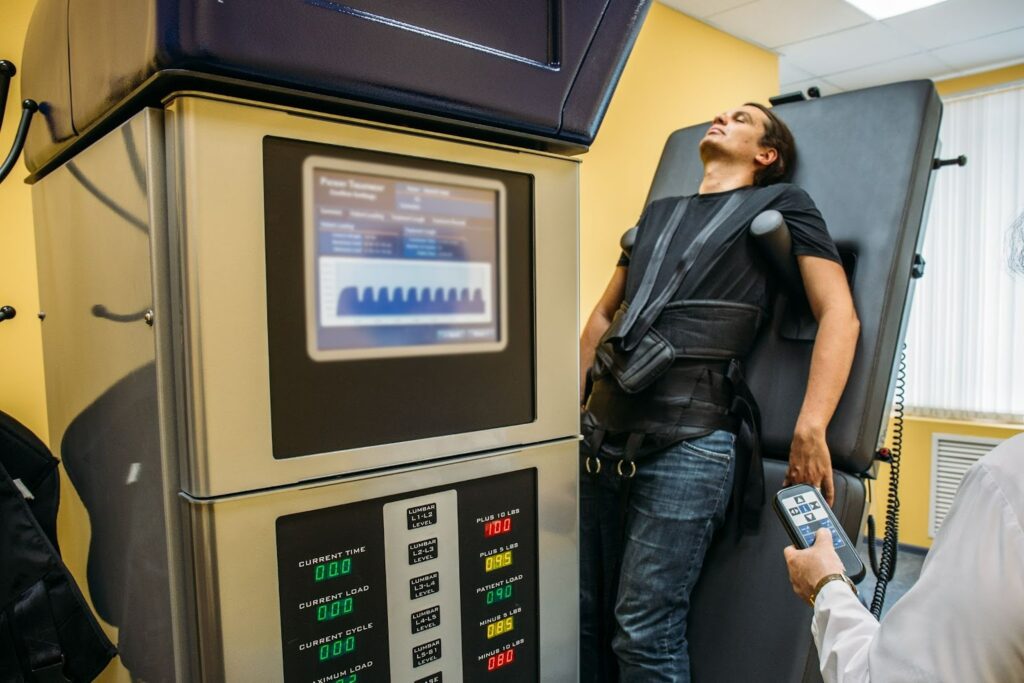
Chiropractic adjustments can provide significant relief for those struggling with back pain. By using hands-on spinal manipulation, chiropractors aim to restore proper alignment and function to your spine. This technique can help reduce pain, improve mobility, and enhance overall wellness.
When you visit a chiropractor, they'll assess your condition, identifying any misalignments or restrictions in your spine or joints. During your appointment, the chiropractor will perform various adjustments tailored to your specific needs. You might feel a quick pop or crack during the adjustment, but don't worry—this is typically a sign that the joint is moving back into its proper place.
Many patients report feeling immediate relief after their first session, while others find gradual improvements over time. Chiropractic adjustments can also help alleviate tension in surrounding muscles, which may contribute to your back pain. By addressing both the skeletal and muscular components of your pain, chiropractic care can offer a more holistic approach to your recovery.
Additionally, chiropractors often provide valuable advice on posture, ergonomics, and exercises to support your recovery and prevent future issues. If you're considering non-invasive options for back pain, chiropractic adjustments could be a viable solution.
Just remember to consult with a qualified professional who can guide you through the process and guarantee your treatment is safe and effective. With the right care, you can enjoy a more comfortable, pain-free life.
Acupuncture and Its Benefits
Acupuncture offers a unique approach to back pain relief by stimulating specific points on your body.
You'll find that this ancient practice can enhance your body's natural pain relief mechanisms during treatment sessions.
Let's explore how acupuncture works, its effects on pain relief, and what you can expect during a session.
How Acupuncture Works
Many people find relief from back pain through acupuncture, a practice rooted in traditional Chinese medicine. This technique involves inserting thin needles into specific points on your body, known as acupuncture points. These points are believed to correspond to various bodily functions and health conditions, including pain relief.
When you visit an acupuncturist, they'll assess your condition and customize a treatment plan. You might feel slight discomfort as the needles are inserted, but many find the experience relaxing. The needles stimulate your body's natural healing processes, promoting better blood flow and reducing inflammation in the affected areas.
As the needles remain in place for about 20 to 30 minutes, you're encouraged to relax. Some people report feeling a sense of calm or energy during and after the session.
While results can vary, many individuals experience a reduction in back pain and an overall improvement in well-being.
Pain Relief Mechanism
Understanding how acupuncture alleviates pain reveals its intricate benefits. This ancient practice works by stimulating specific points on your body, promoting the release of endorphins and other natural pain-relieving chemicals.
When you undergo acupuncture, you're not just addressing the symptoms; you're tapping into your body's innate healing mechanisms.
Here are some key benefits of acupuncture for pain relief:
- Increased blood flow: Acupuncture can improve circulation, delivering essential nutrients and oxygen to affected areas.
- Reduced inflammation: By modulating your immune response, acupuncture helps decrease swelling and discomfort in your back.
- Relaxation of muscles: The treatment promotes muscle relaxation, often easing tension that contributes to back pain.
- Enhanced overall well-being: Regular acupuncture sessions can improve your mood and reduce stress, which often exacerbates pain.
Treatment Session Experience
Entering an acupuncture treatment session can feel like stepping into a serene sanctuary. The soft lighting and calming scents immediately create an atmosphere of relaxation. As you settle onto the treatment table, your practitioner will take a moment to discuss your specific back pain concerns. This personalized approach helps tailor the experience to your needs.
Once you're ready, the practitioner will insert thin, sterile needles into specific points on your body. You might feel a slight pinch or tingling sensation, but it's generally painless. These needles stimulate your body's energy flow, promoting healing and pain relief.
During the session, you might experience a deep sense of relaxation, allowing your mind and body to unwind. Typically, each session lasts around 30 to 60 minutes. After the treatment, you may feel a sense of lightness or even a reduction in pain, which can last for days.
Many patients find that regular sessions enhance their overall well-being, improving not just back pain but also sleep and stress levels. With consistent visits, you may discover lasting relief and a better quality of life. Embrace the journey toward healing and comfort!
Massage Therapy Options
If you're struggling with back pain, massage therapy can be a valuable non-invasive option to explore. This approach not only targets muscle tension but also promotes relaxation, which can greatly alleviate discomfort. By working with a skilled massage therapist, you can experience various techniques tailored to your specific needs.
Here are some popular types of massage that might benefit you:
- Swedish Massage: A gentle technique that uses long strokes, kneading, and circular movements to enhance circulation and relax muscles.
- Deep Tissue Massage: Focuses on deeper layers of muscle and connective tissue, perfect for chronic pain and tension release.
- Trigger Point Therapy: Targets specific tight spots in muscles, helping to relieve pain that radiates to other areas, particularly beneficial for back pain.
- Myofascial Release: Works on the fascia, the connective tissue surrounding muscles, to improve mobility and reduce stiffness.
Incorporating massage therapy into your routine could provide considerable relief from back pain. Not only can it help with physical symptoms, but it also offers mental benefits, such as reduced stress and improved mood.
When considering this treatment, it's crucial to communicate openly with your therapist about your pain levels and preferences. Regular sessions may yield the best results, so think about scheduling appointments consistently.
Ultimately, massage therapy can be an effective component of your overall back pain management strategy.
Heat and Cold Therapy
Heat and cold therapy can be a simple yet effective way to manage back pain. You can use these methods individually or in combination, depending on your needs.
Heat therapy involves applying warmth to your back, which can help relax muscles, improve blood flow, and reduce stiffness. This can be done using a heating pad, warm towel, or even a hot water bottle. Try to apply heat for about 15 to 20 minutes at a time, ensuring you don't burn your skin.
On the other hand, cold therapy focuses on numbing the area and reducing inflammation. You might use an ice pack, a bag of frozen vegetables, or a cold compress. Apply cold therapy for 15 to 20 minutes, too. This method can be especially beneficial after an injury or during a flare-up, as it helps to minimize swelling.
You should pay attention to how your body responds to each type of therapy. Some people find that heat works best for chronic pain, while cold therapy is more effective for acute injuries. Always listen to your body and adjust accordingly.
Lastly, be mindful of any underlying conditions or sensitivities before using heat or cold therapy. If you experience increased pain or discomfort, it's important to stop and consult a healthcare professional.
Incorporating heat and cold therapy into your routine can offer you relief and improve your overall back health.
Lifestyle Modifications
Making lifestyle modifications can greatly impact your back pain management. Simple changes in your daily routine can help reduce discomfort and improve your overall quality of life.
By being proactive and making conscious choices, you can create a healthier environment for your back.
Consider implementing the following modifications:
- Stay Active: Engage in regular physical activity to strengthen your back muscles and improve flexibility. Aim for low-impact exercises like walking, swimming, or yoga.
- Maintain Good Posture: Pay attention to your posture whether you're sitting, standing, or lifting objects. Proper alignment can prevent undue strain on your back.
- Incorporate Ergonomics: Make sure your workspace is set up ergonomically. Use chairs that provide support, keep your computer screen at eye level, and take breaks to move around.
- Manage Stress: Chronic stress can contribute to muscle tension and exacerbate back pain. Consider practicing relaxation techniques such as meditation, deep breathing, or mindfulness.
Nutritional Approaches
Eating a balanced diet can play an essential role in managing back pain. When you focus on nutrition, you can support your body's overall health, which may help alleviate discomfort. Incorporating anti-inflammatory foods like fruits, vegetables, whole grains, and healthy fats can reduce inflammation in your body, potentially easing back pain. Omega-3 fatty acids found in fish like salmon and walnuts are particularly beneficial, as they combat inflammation.
You should also pay attention to your calcium and vitamin D intake. These nutrients are important for maintaining strong bones and preventing osteoporosis, which can contribute to back issues. Dairy products, leafy greens, and fortified foods are great sources of calcium, while sunlight exposure and fatty fish can boost your vitamin D levels.
Additionally, staying hydrated is essential. Dehydration can lead to muscle cramps and discomfort, so make sure you're drinking enough water throughout the day. Aim for at least eight glasses, and consider increasing your intake if you're active or in a hot climate.
Lastly, consider reducing your intake of processed foods, sugars, and saturated fats. These can contribute to inflammation and overall poor health, which may exacerbate back pain.
Mindfulness and Relaxation Techniques
While managing back pain often involves physical approaches, incorporating mindfulness and relaxation techniques can greatly enhance your overall well-being.
These methods help reduce stress, improve mental clarity, and promote a sense of calm, which can alleviate the perception of pain. By focusing on the present moment, you can shift your attention away from discomfort and cultivate a more positive mindset.
Here are some effective mindfulness and relaxation techniques you can try:
- Deep Breathing: Engage in deep, slow breaths to lower your heart rate and relax your muscles. This simple practice can create a sense of immediate relief.
- Meditation: Spend a few minutes each day meditating. This practice helps you cultivate awareness and acceptance of your pain without judgment.
- Progressive Muscle Relaxation: Systematically tense and then relax different muscle groups. This technique can help you recognize where you hold tension and promote relaxation throughout your body.
- Mindful Movement: Activities like yoga or tai chi combine gentle movements with mindfulness. These practices can improve flexibility and reduce pain while keeping your mind focused and calm.
Incorporating these techniques into your daily routine can create a powerful synergy with other non-invasive treatments for back pain.
You'll likely find that as you nurture your mind, your body responds positively, leading to a more balanced life.
Conclusion
To sum up, managing back pain doesn't have to involve invasive procedures. By exploring non-invasive options like physical therapy, chiropractic care, acupuncture, and lifestyle changes, you can find effective relief. Incorporating heat and cold therapy, along with mindfulness techniques, can also enhance your recovery process. Remember, it's important to listen to your body and consult with healthcare professionals to tailor a treatment plan that works best for you. With the right approach, you can regain control of your back health.