
When you're dealing with chronic back pain, finding effective non-invasive solutions can feel overwhelming. You might consider various approaches, from physical therapy techniques to alternative therapies that promise relief. Lifestyle changes and mind-body practices could also play a vital role in your recovery. Each option offers unique benefits, but knowing which strategies align with your needs is essential. As you explore these possibilities, you may discover unexpected pathways to better manage your pain and improve your quality of life. What might be the key to unleashing your journey to relief?
Understanding Chronic Back Pain
Chronic back pain can feel like a heavy burden, affecting your daily life and overall well-being. You might find it hard to perform routine tasks, engage in activities you love, or even get a good night's sleep.
Understanding the nature of your pain is fundamental for managing it effectively. Chronic back pain typically lasts longer than three months and can stem from various causes, including injury, poor posture, or underlying medical conditions.
You might experience different types of pain, such as sharp, shooting sensations or a dull, persistent ache. It's vital to pay attention to where the pain originates and how it affects your mobility. For instance, pain that radiates down your leg could indicate nerve involvement, while localized discomfort may suggest muscle or joint issues.
When considering your lifestyle, think about factors that could contribute to your pain. Are you sitting for long periods? Do you engage in heavy lifting without proper technique?
Your daily habits can play a significant role in exacerbating back pain. Stress can also manifest physically, leading to muscle tension that compounds discomfort.
Physical Therapy Techniques
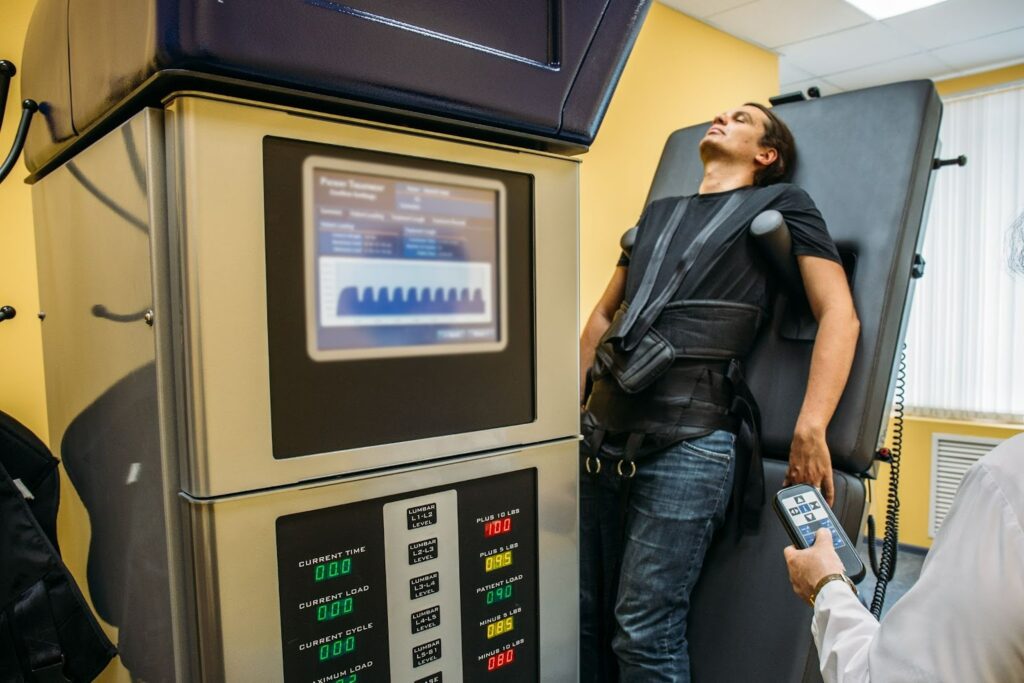
How can physical therapy help relieve your back pain? Physical therapy offers targeted techniques designed to strengthen your muscles, improve your flexibility, and enhance your overall mobility. A skilled physical therapist will assess your condition and create a personalized program that addresses your specific needs.
One effective technique is manual therapy, where the therapist uses hands-on methods to manipulate your spine and surrounding tissues. This can reduce pain and improve your range of motion.
Additionally, therapeutic exercises play an essential role in your recovery. These exercises strengthen your core muscles, which provide important support to your spine and can alleviate pressure on painful areas.
Stretching exercises are also critical. They help maintain flexibility, which can prevent future injuries and reduce tension in your back. Your therapist might incorporate modalities like heat or cold therapy, ultrasound, or electrical stimulation to further relieve pain and promote healing.
You may also learn about posture and body mechanics during your sessions. Proper posture can greatly reduce strain on your back, and your therapist will teach you how to maintain it in your daily activities.
Finally, physical therapy encourages self-management strategies, empowering you to take control of your pain. By understanding your body and how it responds to movement, you can make informed choices that will help you manage your chronic back pain effectively.
With dedication and guidance, physical therapy can transform your approach to back pain relief.
Alternative Therapies
Alternative therapies can offer valuable relief for back pain when traditional methods fall short. If you've tried the usual options without success, exploring these alternatives can be a game-changer.
Here are four effective therapies to contemplate:
- Acupuncture: This ancient practice involves inserting thin needles into specific points on your body. It can stimulate your nervous system and promote natural healing, helping to alleviate pain.
- Chiropractic Care: Chiropractors focus on spinal alignment and can use various techniques to relieve pressure on nerves. Regular adjustments may help improve mobility and reduce discomfort.
- Massage Therapy: Therapeutic massage can relax tense muscles, improve circulation, and reduce stress. Whether it's deep tissue or Swedish massage, finding the right massage type for you can make a significant difference in your back pain.
- Mind-Body Techniques: Methods like yoga, tai chi, or meditation can enhance your mental and physical well-being. These practices not only build strength and flexibility but also help you manage stress and pain perception.
Lifestyle Modifications
Making small lifestyle modifications can have a significant impact on managing back pain. One of the simplest changes you can make is to improve your posture. Whether you're sitting at a desk or standing, maintaining proper alignment can help reduce strain on your back. Invest in ergonomic furniture if possible, and remember to take breaks to stretch throughout the day.
Incorporating regular physical activity into your routine is another vital adjustment. Aim for low-impact exercises like walking, swimming, or cycling. These activities strengthen your core muscles, which support your spine, and can alleviate discomfort.
Stretching exercises, like yoga or Pilates, can also enhance flexibility and reduce tension in your back.
Another area to reflect on is your weight. Maintaining a healthy weight can lessen the pressure on your spine, which may help in reducing pain. Adopting a balanced diet rich in fruits, vegetables, lean proteins, and whole grains can aid in weight management.
Lastly, pay attention to your sleep habits. Confirm you have a supportive mattress and pillow that keeps your spine aligned during sleep.
Establishing a consistent sleep schedule can also improve the quality of your rest, allowing your body to recover and heal more effectively.
Mind-Body Practices
Mind-body practices offer powerful tools for managing chronic back pain. These techniques focus on the connection between your mind and body, helping to reduce tension and promote relaxation. By incorporating these practices into your routine, you can enhance your overall well-being and alleviate pain.
Here are four effective mind-body practices you can try:
- Meditation: Set aside a few minutes each day to meditate. This helps clear your mind and can reduce stress, which often exacerbates pain. Focus on your breathing and visualize a pain-free body.
- Yoga: Yoga combines physical postures with breath control and mindfulness. It improves flexibility, strengthens muscles, and teaches relaxation techniques. Look for classes specifically tailored for back pain relief.
- Tai Chi: This gentle martial art emphasizes slow, deliberate movements and deep breathing. It promotes balance and body awareness, which can help you move more freely and reduce pain.
- Biofeedback: Using sensors to monitor your body's responses, biofeedback teaches you how to control physiological functions. This can help you learn to manage pain through relaxation techniques and stress reduction.
Conclusion
Incorporating these effective non-invasive solutions into your routine can greatly improve your chronic back pain. By embracing physical therapy, exploring alternative therapies, making lifestyle adjustments, and practicing mind-body techniques, you're taking proactive steps towards healing. Remember, consistency is key, and finding the right combination that works for you is essential. Don't hesitate to consult with healthcare professionals to tailor a plan that fits your needs. Your journey to relief and better spine health starts now!