
You've probably felt that tightness in your shoulders or that nagging discomfort in your back when stress hits. It's intriguing to contemplate how spinal adjustments might actually play a role in alleviating that stress. By addressing misalignments, chiropractic care could potentially help ease muscle tension and enhance your overall well-being. But what's the real connection between your spine and stress management? Understanding this relationship might just change how you approach stress relief. Let's explore what the evidence says and what you might discover about your own experience.
Understanding Stress and Its Effects
Stress, both from daily pressures and significant life events, can have profound effects on your physical and mental health. You might notice that stress manifests in various ways, often leading to headaches, fatigue, or even digestive issues.
When you're under stress, your body releases hormones like cortisol, which can affect your immune system and overall well-being. If you've ever felt your heart race or your muscles tense up during stressful moments, you're experiencing your body's natural response to pressure.
Your mental health isn't immune either. You may find yourself feeling anxious or overwhelmed, struggling to concentrate, or even experiencing mood swings. These emotional responses can hinder your daily activities, making it tough to cope with challenges.
Prolonged stress can lead to more serious conditions like depression or anxiety disorders, impacting your relationships and quality of life.
Recognizing stress triggers is the first step toward managing its effects. You might want to assess your lifestyle, work environment, and personal relationships to identify what causes you the most strain.
Once you pinpoint these stressors, you can begin to develop coping strategies, whether that's through mindfulness, exercise, or simply talking to someone you trust.
Understanding how stress affects you physically and mentally is essential. By acknowledging these effects, you can take proactive steps to address them, leading to a healthier, more balanced life.
After all, you deserve to feel good, both in body and mind.
The Role of Chiropractic Care
Chiropractic care plays an essential role in regulating your nervous system, which can help manage stress levels.
By relieving muscle tension, it allows your body to relax and function more effectively.
Ultimately, regular adjustments can enhance your overall well-being, making it easier for you to handle daily stressors.
Nervous System Regulation
When your spine is aligned properly, it can considerably enhance the function of your nervous system. This alignment allows for better communication between your brain and body, which is essential for regulating stress responses. Chiropractic care helps restore that balance, ensuring your nervous system operates efficiently.
By receiving regular spinal adjustments, you can reduce interference in the nervous system caused by misalignments. This interference often leads to heightened stress levels, anxiety, and overall discomfort. With adjustments, your body can better manage stressors, resulting in a calmer mind and improved emotional resilience.
You might notice that after a chiropractic session, you feel more relaxed and focused. This is because a well-functioning nervous system can process stress more effectively, allowing you to handle challenges with greater ease.
Additionally, chiropractic care promotes the release of neurotransmitters that enhance mood and decrease feelings of anxiety.
Incorporating chiropractic care into your routine can be a valuable strategy for regulating your nervous system. By taking this proactive approach, you're investing in your overall well-being, empowering yourself to navigate life's ups and downs with greater confidence and composure.
Muscle Tension Relief
Muscle tension can really hold you back, impacting your daily activities and overall well-being. When you're stressed, your muscles tend to tighten, leading to discomfort and pain. That's where chiropractic care comes in. By focusing on spinal adjustments, chiropractors help release that built-up tension, allowing your muscles to relax and function properly.
When you visit a chiropractor, they'll assess your spine and identify areas of misalignment. These misalignments can contribute to muscle tension, as your body compensates for discomfort. Through targeted adjustments, a chiropractor realigns your spine, which can alleviate pressure on surrounding muscles and joints.
You may notice an immediate reduction in tension, making it easier to move and engage in your daily life. Additionally, chiropractic care promotes better blood circulation, ensuring that oxygen and nutrients reach your muscles effectively. This not only aids in muscle recovery but also reduces fatigue and stiffness.
Regular chiropractic sessions can keep muscle tension at bay, helping you maintain a more relaxed state. So if you're struggling with muscle tension, consider seeking chiropractic care to help you feel more balanced and free from discomfort.
Enhanced Overall Well-being
Ideal health isn't just about the absence of pain; it's about achieving a state of overall well-being. Chiropractic care plays a key role in this journey. When you receive spinal adjustments, you're not only addressing physical discomfort but also promoting a healthier nervous system, which can greatly enhance your overall quality of life.
These adjustments help improve your body's communication pathways, allowing it to function more efficiently. As your spine aligns, you might notice improvements in other areas, such as sleep quality, mood stability, and stress reduction.
You'll likely feel more energized and better equipped to handle daily challenges, leading to a positive feedback loop that reinforces your commitment to a healthier lifestyle.
Moreover, regular chiropractic care encourages proactive health management. By prioritizing your well-being, you're less likely to rely on medications or invasive procedures. Instead, you'll cultivate a sense of empowerment, knowing you're actively participating in your health journey.
Incorporating chiropractic care into your routine can be a powerful step toward enhanced overall well-being. You'll not only relieve tension but also create a solid foundation for a balanced, fulfilling life.
How Spinal Adjustments Work
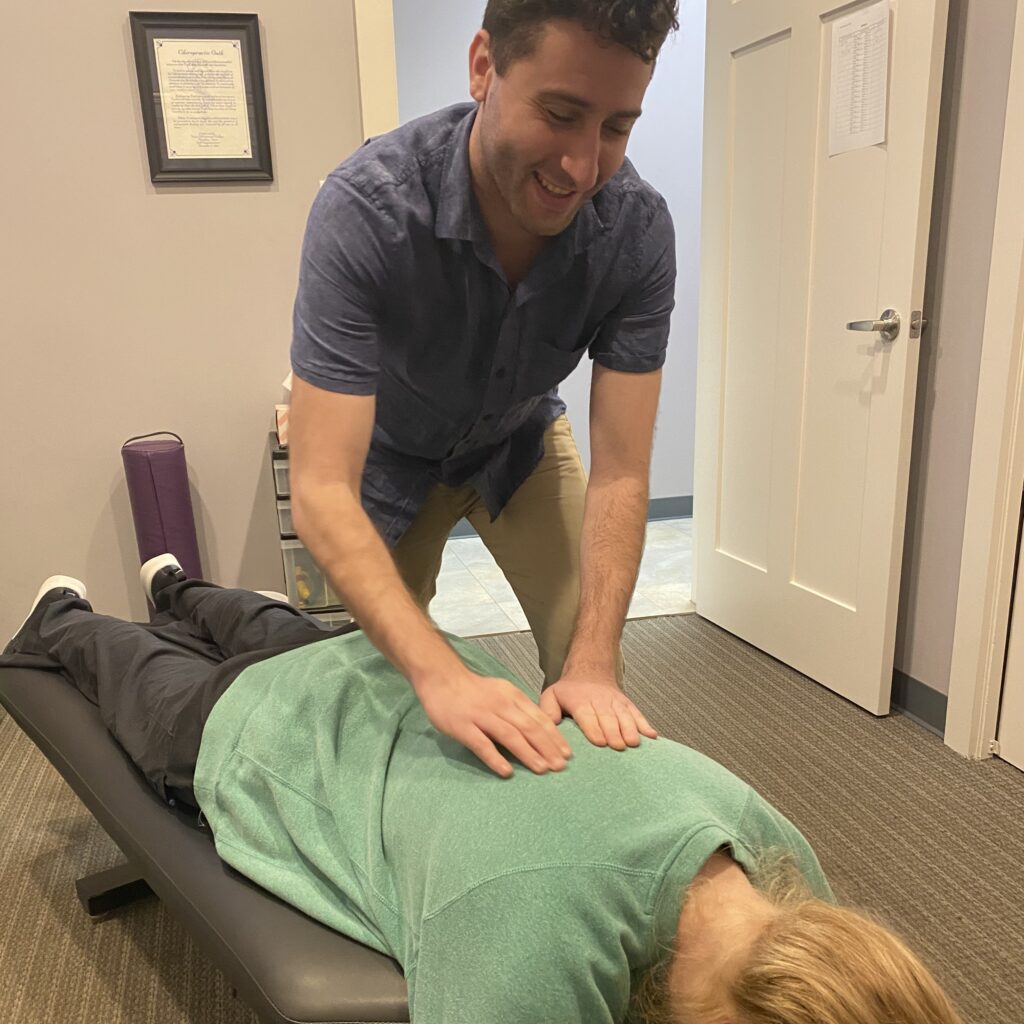
Spinal adjustments, often referred to as chiropractic adjustments, involve a targeted application of force to specific joints in the spine. This technique aims to restore proper alignment and function, helping to alleviate discomfort and improve mobility.
When you receive an adjustment, your chiropractor assesses your spine's condition, identifying areas of restriction or misalignment. Using their hands or specialized tools, they apply controlled pressure to these areas. This force can help release stiff joints, allowing your spine to move more freely.
The adjustment may also create a popping sound, which is simply gas bubbles releasing from the joints, and it's generally not a cause for concern. As the adjustments occur, your nervous system becomes more engaged. A properly aligned spine allows for better communication between your brain and body.
This improved communication can enhance your body's ability to heal and function effectively. You might feel immediate relief or experience gradual improvement over time as your body adapts to the changes.
Chiropractors often combine spinal adjustments with other techniques, such as soft tissue therapy or exercises, to support your overall recovery. This holistic approach addresses more than just spinal alignment; it considers your entire body's well-being.
Connection Between Spine and Stress
Your spine plays an essential role in your nervous system, impacting how you respond to stress.
When you experience physical tension, it can create a feedback loop that heightens your stress levels.
Understanding this connection can help you find effective ways to release that tension and manage stress better.
Nervous System Connection
The intricate relationship between the spine and the nervous system plays an essential role in how stress affects the body. Your spine houses the spinal cord, a vital pathway for signals between your brain and the rest of your body. When you experience stress, your nervous system activates the "fight or flight" response, which can lead to muscle tension and discomfort. This heightened state impacts your spine, potentially causing misalignments that further exacerbate stress.
When spinal misalignments occur, they can interfere with nerve function, leading to pain, discomfort, and a sense of unease. If you're feeling stressed, these issues can create a vicious cycle, where stress leads to spinal problems, which in turn increases your stress. This connection highlights the importance of maintaining a healthy spine.
Chiropractic care, through spinal adjustments, aims to restore proper alignment, allowing the nervous system to function effectively. By doing so, you may find it easier to manage stress and its effects on your overall well-being.
Understanding this connection can empower you to take proactive steps in addressing stress through spinal health, leading to a more balanced and harmonious life.
Physical Tension Release
When stress builds up, it often manifests as physical tension in the body, particularly around the spine. This tension can lead to discomfort, reduced mobility, and even exacerbate feelings of anxiety.
You might notice tightness in your shoulders, neck, or lower back, making daily activities feel burdensome. Recognizing the connection between stress and physical tension is essential for your overall well-being.
Spinal adjustments can help release this tension by realigning the vertebrae, allowing your body to function more effectively. When your spine is properly aligned, it can reduce stress on your nervous system and promote relaxation.
Here are a few benefits you might experience from spinal adjustments:
- Improved posture and alignment
- Enhanced blood flow and circulation
- Decreased muscle tension and pain
- Increased range of motion and flexibility
- Greater overall sense of well-being
Benefits of Regular Adjustments
Regular adjustments can markedly enhance your overall well-being. When you commit to regular spinal adjustments, you're not just addressing discomfort; you're investing in your health. These adjustments help improve your posture, which can lead to better alignment of your body.
When your spine is properly aligned, it allows your nervous system to function efficiently. This can translate into improved energy levels, making you feel more vibrant and less fatigued.
Additionally, regular adjustments can bolster your immune system. By ensuring that your nervous system operates without interference, you allow your body to fight off illnesses more effectively. You'll likely notice fewer sick days and a quicker recovery when you do catch something.
Moreover, the reduction in physical tension can lead to mental clarity. When your body feels good, your mind often follows suit. You may find that you handle stressors more effectively, making you more resilient in the face of life's challenges.
Lastly, regular adjustments can enhance your overall mood. Many people report feeling more relaxed and balanced after their sessions. This emotional uplift can help you maintain a positive outlook, contributing to better relationships and a more fulfilling life.
Incorporating regular spinal adjustments into your routine isn't just about immediate relief; it's about fostering long-term wellness.
Research Supporting Chiropractic Care
Numerous studies back the effectiveness of chiropractic care in promoting overall health and wellness. Research shows that spinal adjustments can greatly reduce pain, improve mobility, and enhance quality of life.
You might wonder how this relates to stress relief, and it's worth noting that when your body feels better, your mind often follows suit.
Several studies highlight the connection between chiropractic adjustments and stress reduction. For instance, a study published in the Journal of Chiropractic Research found that patients receiving regular spinal adjustments reported lower anxiety levels.
Another research article in the Journal of Manipulative and Physiological Therapeutics showed that chiropractic care could positively affect the autonomic nervous system, which plays an essential role in the body's stress response.
Here are some key findings that support chiropractic care:
- Pain Relief: Chiropractic adjustments can alleviate chronic pain, leading to decreased stress levels.
- Improved Sleep: Many patients experience better sleep quality, which is vital for stress management.
- Enhanced Mood: Regular chiropractic care has been linked to improved mood and emotional well-being.
- Increased Energy: You might feel more energetic after adjustments, reducing fatigue-related stress.
- Better Immune Function: Chiropractic care may boost your immune system, helping your body handle stressors more effectively.
Patient Experiences and Testimonials
Many patients who've experienced chiropractic care share stories of transformative outcomes that go beyond just physical pain relief. You might find it interesting to hear how these individuals often describe a newfound sense of calm and well-being after their spinal adjustments. They report that not only does their body feel better, but their mental clarity and emotional balance improve as well.
Take Sarah, for instance. After struggling with chronic neck pain and stress, she decided to give chiropractic care a try. Following a series of adjustments, Sarah noticed her anxiety levels decreased considerably. She felt more relaxed and focused, allowing her to tackle daily challenges with greater ease. This isn't an isolated experience; many others echo her sentiments.
Another patient, Mark, shared how regular visits to his chiropractor helped him manage work-related stress. He felt a release of tension not just in his back, but throughout his entire body. Mark describes walking out of his chiropractor's office feeling lighter and more in control of his emotions, which positively impacted his relationships and productivity.
These testimonials reinforce the idea that chiropractic care can foster a holistic sense of well-being. Patients often leave their sessions feeling rejuvenated, proving that spinal adjustments can be about more than just addressing physical ailments. Instead, they can help you achieve a more balanced, stress-free life, enhancing both your mind and body.
Complementary Stress Relief Techniques
When it comes to managing stress, breathing exercises and mindfulness practices can be game-changers for you.
These techniques not only help you relax but also enhance your overall well-being.
Let's explore how incorporating these strategies into your routine can make a real difference.
Breathing Exercises Benefits
Breathing exercises offer a simple yet powerful way to alleviate stress and promote relaxation. When you focus on your breath, you can shift your attention away from daily pressures and create a sense of calm.
These techniques can be done anywhere and don't require special equipment, making them accessible for anyone looking to manage stress.
Here are some benefits you can experience from incorporating breathing exercises into your routine:
- Reduces anxiety: Slowing your breath can help calm your mind and lower feelings of anxiety.
- Increases mindfulness: Paying attention to your breath encourages you to stay present in the moment.
- Improves focus: Deep breathing can enhance concentration, allowing you to tackle tasks more effectively.
- Enhances relaxation: Engaging in breathing exercises activates the body's relaxation response, helping to release tension.
- Boosts energy: Proper breathing techniques can increase oxygen flow, giving you a quick energy boost when you need it.
Mindfulness Practices Effectiveness
In today's fast-paced world, mindfulness practices can serve as effective tools for managing stress and enhancing overall well-being. By incorporating mindfulness into your daily routine, you can cultivate a greater sense of awareness and presence, allowing you to navigate stressors with more ease.
Techniques like meditation, mindful breathing, and body scans encourage you to focus on the present moment, reducing anxiety and promoting relaxation. You might find that dedicating just a few minutes each day to mindfulness can lead to significant improvements in your mental clarity and emotional resilience.
Research shows that consistent practice not only lowers stress levels but also enhances your ability to respond to life's challenges calmly. As you engage in these practices, pay attention to your thoughts and feelings without judgment.
This non-reactive awareness helps you detach from stressors, allowing you to respond thoughtfully rather than impulsively. Whether you choose guided meditations or simply sit in silence, remember that the key is consistency.
Choosing the Right Chiropractor
Finding the right chiropractor can make a significant difference in your overall well-being. When you're seeking relief from stress and tension, it's crucial to choose someone who understands your specific needs and can create a customized treatment plan.
Start by considering the chiropractor's qualifications and experience. Verify their credentials, and confirm they're licensed to practice in your state.
Next, think about the approach you're most comfortable with. Chiropractors may use various techniques, so it's important to find one whose methods resonate with you. Take the time to read reviews or ask for recommendations from friends or family. Personal experiences can give you insight into the chiropractor's effectiveness and patient care.
During your first consultation, pay attention to how they communicate. A good chiropractor will listen to your concerns and explain their treatment plan clearly. Trust your instincts—if you feel comfortable and understood, you're likely on the right path.
Here are some key factors to keep in mind while choosing your chiropractor:
- Qualifications: Check their education and certifications.
- Specialization: Look for someone who specializes in stress-related issues.
- Techniques: Understand the methods they use and see if they align with your preferences.
- Patient Reviews: Read testimonials from previous patients for insights.
- Comfort Level: Prioritize your comfort and trust in their care.
Taking these steps will help you find a chiropractor who can effectively support your journey toward reduced stress and improved health.
Tips for Managing Stress Holistically
Managing stress holistically involves a balanced approach that nurtures both your body and mind. To effectively manage stress, start by incorporating regular physical activity into your routine. Exercise releases endorphins, which can greatly improve your mood and reduce anxiety. Aim for at least 30 minutes a day, whether it's walking, yoga, or dancing—whatever you enjoy most.
Next, pay attention to your nutrition. A well-balanced diet rich in fruits, vegetables, whole grains, and lean proteins can enhance your overall well-being. Avoid excessive caffeine and sugar, as they can contribute to stress and anxiety. Instead, hydrate with plenty of water and consider herbal teas like chamomile or lavender for their calming effects.
Don't underestimate the power of mindfulness and relaxation techniques. Practices like meditation, deep breathing exercises, or progressive muscle relaxation can help center your mind and alleviate stress. Even just a few minutes a day can make a difference.
Additionally, prioritize sleep. Quality rest is essential for stress management. Aim for 7-9 hours of sleep per night, and establish a calming bedtime routine to promote better sleep quality.
Finally, connect with your support system. Engaging in meaningful conversations with friends or family can provide comfort and perspective when you're feeling overwhelmed.
Conclusion
To sum up, spinal adjustments can be a powerful tool in managing stress. By restoring alignment and improving nervous system function, they help reduce tension and enhance overall well-being. If you're looking to ease stress and promote relaxation, consider incorporating regular chiropractic care into your routine. Remember, you're not alone in this journey—many have found relief and improved their quality of life through these adjustments. Take the first step toward a healthier, more balanced you today!