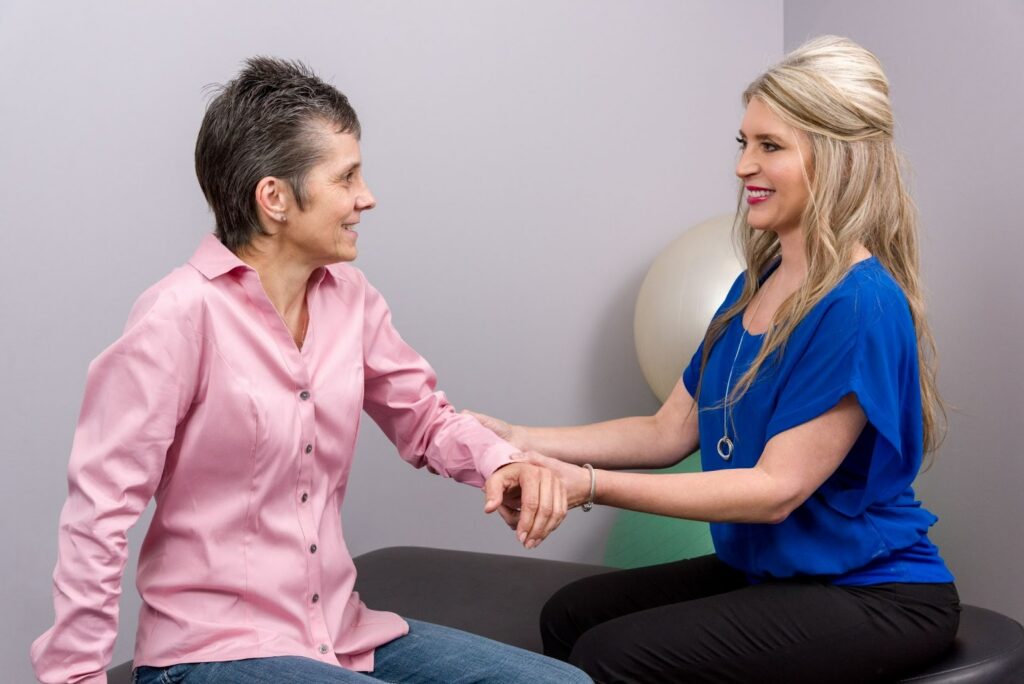

You might find yourself overwhelmed by daily stressors, but non-invasive therapy offers a variety of methods to help you regain balance. Techniques like mindfulness, breathing exercises, and aromatherapy can create a serene environment that promotes relaxation and emotional resilience. Imagine discovering how simple practices can greatly lower your stress levels and enhance your well-being. However, the world of non-invasive therapy is broad, and each approach has its unique benefits. What's the best fit for you? Let's explore the options together.
The Benefits of Non-Invasive Therapy
Non-invasive therapy offers numerous benefits that can greatly enhance your mental well-being. One of the most significant advantages is that it provides a safe and comfortable environment for you to explore your thoughts and feelings. You won't have to worry about invasive procedures or side effects, allowing you to focus solely on your healing journey.
Additionally, non-invasive therapies often promote relaxation and stress relief. Techniques such as cognitive behavioral therapy and art therapy can help you identify negative thought patterns and replace them with healthier ones. As you engage in these therapeutic approaches, you'll likely find it easier to cope with stressors in your life.
Another key benefit is the accessibility of non-invasive therapy. You can often find these services in various settings, from private practices to community centers. This means you have a greater chance of finding a therapist who resonates with you and meets your unique needs.
Moreover, non-invasive therapy encourages a collaborative relationship between you and your therapist. This partnership fosters trust and open communication, making it easier for you to share your experiences and concerns. You'll feel more empowered to take charge of your mental health.
Finally, non-invasive therapy can enhance your overall quality of life. By addressing underlying issues and developing coping strategies, you're more likely to experience improved relationships, increased productivity, and a greater sense of fulfillment. Embracing non-invasive therapy could be a transformative step toward a healthier, happier you.
Mindfulness and Meditation Techniques
Mindfulness and meditation techniques can greatly reduce your stress levels.
By incorporating breathing exercises, guided meditation practices, and mindfulness into your daily routine, you'll find it easier to stay grounded.
Let's explore how these techniques can enhance your overall well-being.
Breathing Exercises Benefits
Harnessing the power of your breath can greatly enhance your mental well-being. Breathing exercises are simple yet effective tools for reducing stress and promoting relaxation. When you focus on your breathing, you shift your attention away from anxious thoughts, creating a sense of calm and clarity.
One significant benefit of breathing exercises is their ability to lower your heart rate and blood pressure. Deep, slow breaths signal your body to relax, which can counteract the physical symptoms of stress. You'll also find that regular practice helps improve your overall emotional resilience.
Incorporating breathing exercises into your daily routine can enhance your mindfulness. You can use techniques like diaphragmatic breathing or the 4-7-8 method, which involves inhaling for four counts, holding for seven, and exhaling for eight. These methods not only boost your concentration but also promote a greater sense of presence.
Finally, engaging in these practices can lead to improved sleep quality. By calming your mind and body before bedtime, you'll set the stage for restorative rest.
Guided Meditation Practices
Guided meditation practices offer a powerful way to cultivate mindfulness and manage stress. By following a facilitator's voice, you can easily immerse yourself in the experience without getting lost in your thoughts.
You'll find various types of guided meditations, from those focusing on relaxation to others that encourage self-reflection or visualization.
To get started, choose a quiet space where you won't be disturbed. Use a meditation app or find a video online that resonates with you. Close your eyes, breathe deeply, and allow the guide to lead you through the process.
Pay attention to the sensations in your body and the rhythm of your breath. If your mind wanders, gently bring your focus back to the guide's voice or your breath.
Regular practice can enhance your ability to stay present and reduce anxiety. Aim for just a few minutes each day to build a sustainable habit.
Over time, you'll discover that these moments of stillness can greatly impact your overall well-being. So, embrace guided meditation as a valuable tool in your stress-relief toolkit, and watch your mindfulness flourish.
Mindfulness in Daily Life
Incorporating mindfulness into your daily routine can transform ordinary moments into opportunities for stress relief and awareness. Start by dedicating a few minutes each morning to set your intentions. Focus on your breath, grounding yourself before the day begins.
As you move through your tasks, practice being fully present. Whether you're eating, walking, or engaging in conversation, immerse yourself in each experience.
When you feel tension rising, take a moment to pause. Close your eyes, breathe deeply, and reconnect with the present. This simple act can shift your perspective and reduce stress.
You can also integrate mindfulness during mundane activities. For example, while washing dishes, pay attention to the sensations of the water and the movement of your hands.
Use reminders throughout the day to bring your awareness back. Set an alarm or place sticky notes in visible spots, reminding you to breathe and check in with yourself.
Exploring Acupuncture for Stress Relief
Acupuncture offers a unique approach to stress relief that many people find beneficial. This ancient practice, rooted in Traditional Chinese Medicine, involves inserting thin needles into specific points on your body. By stimulating these points, acupuncture aims to balance your body's energy, or "Qi," promoting relaxation and reducing stress levels.
During an acupuncture session, you'll lie comfortably while a trained practitioner carefully places the needles. You might feel a slight pinch, but many people report a sense of calm immediately afterward. The process encourages the release of endorphins, your body's natural painkillers, which also help elevate your mood and reduce anxiety.
You might wonder how acupuncture can help with the pressures of daily life. By targeting stress-related symptoms, such as tension headaches, insomnia, or muscle tightness, acupuncture provides a holistic approach to managing stress. Regular sessions may lead to improved emotional well-being, enabling you to cope better with challenges.
It's essential to find a licensed acupuncturist who can tailor the treatment to your specific needs. They'll assess your overall health and may incorporate additional techniques, like cupping or herbal remedies, to enhance the effects of your treatment.
If you're looking for a non-invasive way to relieve stress, consider giving acupuncture a try. Many people have found it to be a game-changer in their stress management journey, helping them feel more balanced and in control.
With consistent practice, you could experience a profound shift in your overall well-being.
The Power of Aromatherapy
Aromatherapy can be a powerful tool for stress relief, offering a range of benefits through essential oils.
You can explore various diffusion techniques to create a calming atmosphere in your space.
Plus, by personalizing your own aromatherapy blends, you can tailor the experience to meet your unique needs.
Essential Oils Benefits
Throughout history, people have turned to essential oils for their calming and restorative properties. These natural extracts have the power to enhance your mood, reduce anxiety, and promote relaxation. When you inhale the fragrant molecules, they interact with your limbic system, the part of your brain that controls emotions and memories. This connection can help you feel more grounded and at peace.
Different essential oils offer various benefits. For example, lavender is renowned for its soothing qualities, while peppermint can invigorate and energize you. If you're feeling overwhelmed, chamomile might be your go-to for stress relief. By incorporating these oils into your daily routine, you can create a more harmonious environment that supports your mental well-being.
Additionally, essential oils can boost physical health. Some oils, like eucalyptus, have antimicrobial properties that can help clear your airways, making it easier to breathe and relax.
You might also find that oils like lemon can uplift your spirits and improve your focus.
Ultimately, using essential oils is a simple yet effective way to integrate a non-invasive therapy into your life, helping you manage stress and elevate your overall sense of well-being.
Diffusion Techniques Explained
Discovering the right diffusion technique can amplify the benefits of essential oils in your daily routine. There are several methods to evaluate, each offering unique advantages.
First, evaluate an ultrasonic diffuser. It uses water and essential oils to create a fine mist, dispersing the aroma throughout your space. This method also adds moisture to the air, which can enhance your comfort.
Another popular option is the nebulizing diffuser. It works by blowing air through a small tube, turning the essential oil into a fine mist without the use of water. This method delivers a more concentrated aroma, making it ideal for larger areas or intense therapeutic effects.
If you're looking for something simpler, a reed diffuser could be your go-to. It involves placing reeds in a bottle of essential oil, allowing the scent to travel up the reeds and fill the room gradually.
Lastly, don't overlook the power of simply adding a few drops of essential oil to a bowl of hot water or using a personal inhaler.
Each technique has its charm and effectiveness, so experiment to find what resonates best with you.
Personalized Aromatherapy Blends
Crafting personalized aromatherapy blends can elevate your wellness routine and create a unique sensory experience tailored to your needs. Start by selecting essential oils that resonate with your emotions and wellness goals. For relaxation, consider lavender or chamomile; for energy, try citrus oils like orange or lemon.
Next, combine your chosen oils with a carrier oil, such as jojoba or sweet almond oil, to dilute them safely for skin application. A common ratio is 3-5 drops of essential oil per tablespoon of carrier oil. Mix them in a dark glass bottle to protect the oils from light and degradation.
You can also explore various applications. Diffusing your blend in your living space fills the air with calming scents, while applying it to pulse points—like your wrists or behind your ears—allows for a more direct effect.
Don't hesitate to experiment! Adjust the ratios until you find the perfect balance that suits your taste and needs.
With consistent use, your personalized aromatherapy blends can become a powerful tool to relieve stress, enhance your mood, and promote overall well-being. Immerse yourself in this creative process to discover what works best for you!
Yoga and Its Relaxation Benefits
Many people find that practicing yoga offers profound relaxation benefits, helping to alleviate stress and restore inner peace.
If you're looking for a way to unwind and rejuvenate, incorporating yoga into your routine can work wonders.
Here are some key benefits you'll experience:
- Increased Flexibility: Regular yoga practice stretches and tones your body's muscles, enhancing flexibility. This can help reduce physical tension, which often contributes to stress.
- Mindfulness and Focus: Yoga emphasizes mindfulness, teaching you to be present in the moment. This focus can help clear your mind of worries and distractions, allowing for a deeper state of relaxation.
- Improved Breathing: Yoga incorporates various breathing techniques that encourage deep, controlled breaths. This not only calms your nervous system but also promotes relaxation by lowering your heart rate.
- Enhanced Mood: Engaging in yoga can boost your mood by releasing endorphins, the body's natural stress relievers. You'll likely feel more balanced and emotionally stable after your practice.
Nature Therapy and Outdoor Activities
Taking your relaxation efforts outdoors can provide a revitalizing change of scenery while enhancing your mental well-being. Nature therapy, often called ecotherapy, encourages you to immerse yourself in natural surroundings to reduce stress and anxiety. Studies show that being in green spaces can lower cortisol levels, boost mood, and improve focus.
Start by taking a walk in a local park or forest. Feel the crunch of leaves beneath your feet and breathe in the fresh air. The sights and sounds of nature can ground you and offer a break from daily pressures.
If you prefer an active approach, consider hiking or biking. These activities not only get your heart pumping but also allow you to connect with your surroundings, fostering a sense of peace.
Gardening is another excellent outdoor activity. It lets you engage with the earth, promoting mindfulness as you tend to plants. Digging in the soil, planting seeds, and watching your garden grow can be incredibly rewarding and therapeutic.
If you're near water, spend time by a lake or beach. The calming sound of waves can soothe your mind, making it a perfect spot for reflection or meditation.
Finally, don't underestimate the power of simply sitting outside. Whether it's on your porch or a park bench, take a moment to soak in the beauty around you.
Nature therapy isn't just about physical activity; it's about creating space for mental clarity and emotional rejuvenation. So, grab your shoes, step outside, and let nature work its magic.
Conclusion
Incorporating non-invasive therapies into your routine can greatly enhance your well-being and help you manage stress effectively. By practicing mindfulness, exploring aromatherapy, and embracing nature, you create a calming environment that fosters relaxation and resilience. Whether it's through meditation, yoga, or simply enjoying the outdoors, these techniques empower you to take control of your stress. So, take a moment to breathe deeply, unwind, and enjoy the journey to a more peaceful, balanced life.