
As school starts each year, parents in Conroe and Huntsville juggle countless tasks—new clothes, school supplies, and ensuring their kids are ready for another year of learning. But one simple item that often gets overlooked can have a surprisingly big impact on your child’s spinal health: their backpack. That heavy bag slung over one shoulder or packed to bursting can contribute to neck pain, shoulder strain, and even early postural problems that may affect your child well into adulthood. The good news? With a few practical adjustments, you can help protect your child’s developing spine and set them up for healthier habits that last a lifetime.
At Rodgers Stein Chiropractic Center in Conroe and Huntsville, Texas, the team a regularly sees children and teens experiencing discomfort related to poor backpack habits. Understanding how to choose, pack, and wear a backpack correctly is one of the simplest ways to support your child’s musculoskeletal health during their school years.
What makes a backpack harmful to a child’s back? When a backpack is too heavy, worn incorrectly, or poorly designed, it forces the body to compensate by leaning forward, rounding the shoulders, or tilting to one side. Over time, this unnatural posture can strain developing muscles, ligaments, and spinal structures, leading to pain, fatigue, and postural imbalances.
Table of Contents
Why Backpack Safety Matters for Growing Spines
Children and teenagers are still developing. Their bones, muscles, ligaments, and spinal structures are not yet fully formed, making them more vulnerable to strain and misalignment. When a child carries a heavy or improperly worn backpack day after day, the repetitive stress can lead to muscle fatigue, joint irritation, and postural changes that may become ingrained over time.
Research has shown that a significant number of school-aged children report back, neck, or shoulder pain, with backpack use being a commonly cited contributing factor. The American Chiropractic Association has highlighted concerns about heavy backpacks and their potential impact on children’s musculoskeletal health. While occasional discomfort might seem minor, developing poor posture and movement patterns early in life can set the stage for chronic issues later on.
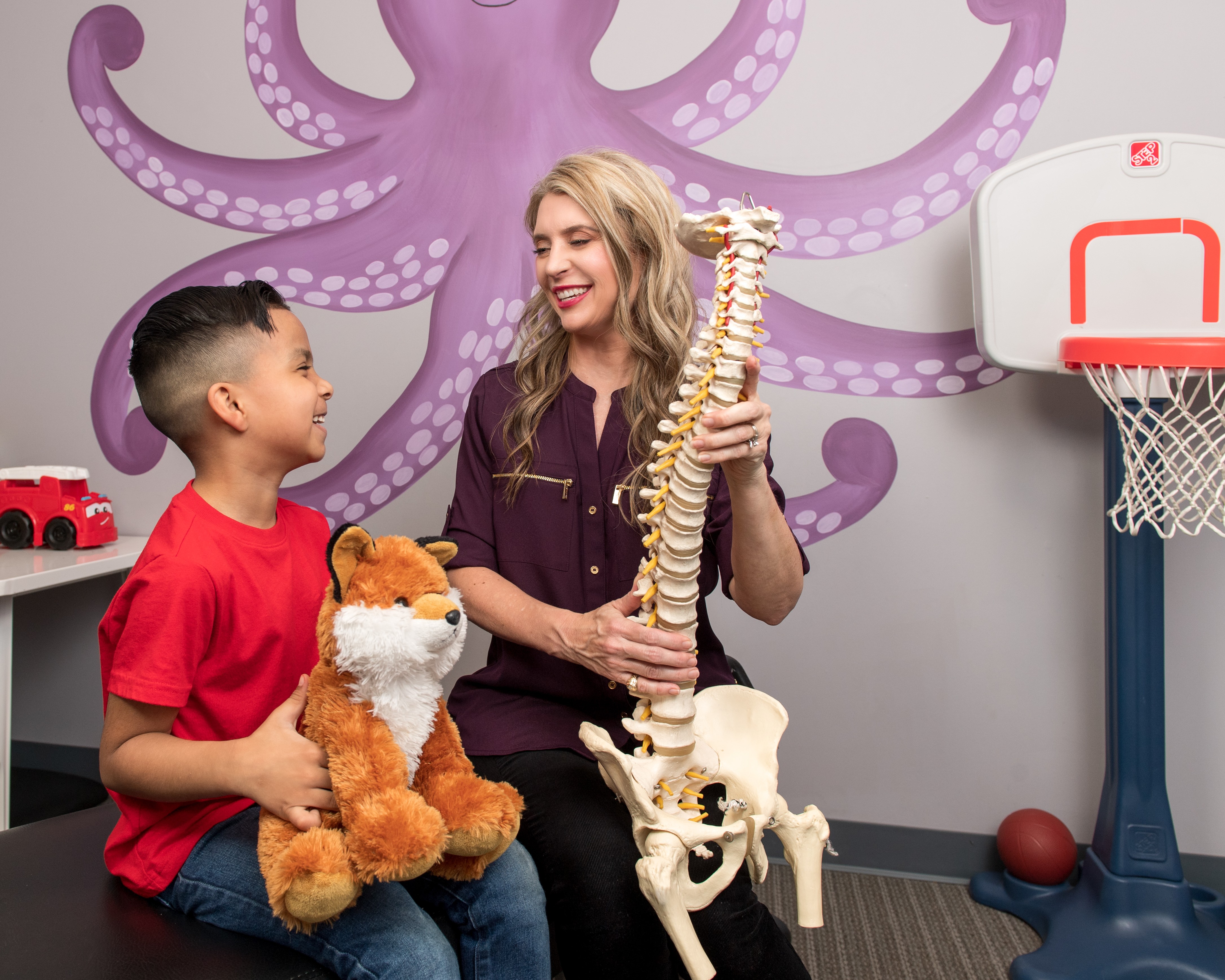
The spine has natural curves that help distribute weight efficiently and absorb shock during movement. When a child leans forward to counterbalance a heavy backpack, those curves flatten or shift unnaturally. Over time, the muscles that support the spine become fatigued and imbalanced. Some muscles tighten while others weaken, which can affect coordination, comfort, and overall spinal alignment.
In Conroe and Huntsville, many parents don’t realize that simple adjustments to how their child wears and packs a backpack can make a meaningful difference. Teaching kids good backpack habits is just as important as teaching them to brush their teeth or look both ways before crossing the street—it’s a foundational health habit that protects them as they grow.
How Heavy Is Too Heavy?
One of the most common questions parents ask is, “How much weight should my child’s backpack actually hold?” While every child is different, general guidelines suggest that a backpack should weigh no more than 10 to 15 percent of a child’s body weight. For a child who weighs 80 pounds, that means the backpack should ideally stay under 8 to 12 pounds.
Unfortunately, many students carry far more than that. Textbooks, binders, laptops, water bottles, gym clothes, and personal items can quickly add up. Some middle and high school students carry backpacks weighing 20 or even 30 pounds—well beyond safe limits for their developing frames.
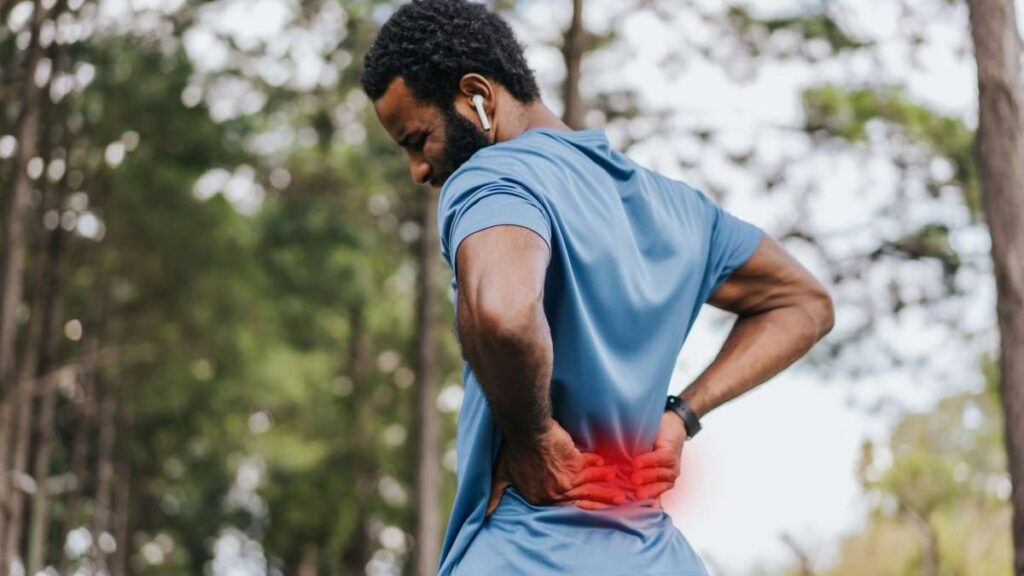
Carrying excessive weight doesn’t just cause immediate discomfort. It forces the body into compensatory postures. The child might lean forward at the hips, round their shoulders, or shift their head forward to balance the load. These compensations increase strain on the neck, upper back, and lower back. Over weeks and months, this repetitive strain can lead to muscle soreness, tension headaches, and even early degenerative changes in spinal structures.
The team at Rodgers Stein Chiropractic Center routinely reminds parents it’s not just about the total weight—it’s also about how that weight is distributed and how long it’s carried. A backpack that’s packed poorly or worn on just one shoulder magnifies the problem, even if the total weight falls within recommended limits.
Choosing the Right Backpack for Your Child
Not all backpacks are created equal. Choosing a well-designed backpack can go a long way in protecting your child’s spine and reducing strain. Here are the key features to look for when shopping for a backpack:
Wide, padded shoulder straps: Thin straps dig into the shoulders and can compress nerves and blood vessels. Look for straps that are at least two inches wide and have cushioning to distribute weight more evenly across the shoulders.
A padded back panel: A cushioned back not only adds comfort but also protects the spine from sharp objects inside the bag, like book corners or laptop edges. It also helps the backpack sit more comfortably against the body.
Multiple compartments: A backpack with several pockets and sections allows you to distribute weight more evenly. It also makes it easier to organize contents so heavier items can be placed strategically.
A waist or chest strap: These straps help stabilize the backpack and transfer some of the weight from the shoulders to the hips and torso. This can significantly reduce strain on the upper back and neck.
Lightweight material: The backpack itself shouldn’t add unnecessary weight. Choose a bag made from durable but lightweight fabric. Avoid backpacks with excessive buckles, chains, or decorative hardware that add pounds without adding function.
Appropriate size: The backpack should fit your child’s frame. It shouldn’t extend below the lower back or hang more than four inches below the waistline. A bag that’s too large encourages overpacking and poor weight distribution.
Avoid single-strap messenger bags or oversized fashion backpacks that prioritize style over ergonomics. While they might look trendy, they often lack the structural support needed to protect a growing spine.
Proper Packing Techniques
Even the best backpack won’t help if it’s packed incorrectly. Teaching your child how to pack their backpack thoughtfully can reduce strain and improve comfort throughout the school day.
Place the heaviest items closest to the back: Heavier objects like textbooks or a laptop should sit against the part of the backpack that rests against your child’s back. This keeps the center of gravity close to the body and reduces the tendency to lean forward.
Distribute weight evenly from side to side: Avoid loading one side of the backpack more than the other. Uneven weight forces the body to compensate by tilting, which strains muscles on one side of the spine.
Use all the compartments: Don’t just throw everything into the main pouch. Use outer pockets for lighter items like pens, snacks, or a water bottle. This helps balance the load and keeps the bag organized.
Pack only what’s needed: Encourage your child to evaluate what they truly need each day. Do they need to carry every textbook, or can some stay in their locker? Can they use digital versions of books when possible? Reducing unnecessary weight is one of the simplest and most effective strategies.
Adjust straps daily: Make it a habit to check and adjust the shoulder straps so the backpack sits snugly against the back, with the bottom resting in the curve of the lower back—not sagging down toward the hips.
At Rodgers Stein Chiropractic Center , we often remind families that small habits practiced consistently make the biggest difference. Teaching kids to pack their backpack thoughtfully is a simple routine that protects their spine every single day.
How to Wear a Backpack Correctly
Once you’ve chosen the right backpack and packed it properly, the next step is making sure your child wears it correctly. Surprisingly, many kids develop habits that undermine even the best backpack design.
Always use both shoulder straps: Wearing a backpack over one shoulder is one of the most common mistakes. It forces the body to lean to one side to balance the weight, which strains muscles and joints on that side of the spine. Both straps should always be used, adjusted to the same length, and tightened so the bag sits high on the back.
Tighten the straps appropriately: Loose straps allow the backpack to sag and pull the shoulders backward and down. The backpack should rest evenly in the middle of the back, not hanging down near the buttocks. Straps should be snug but not so tight that they restrict movement or breathing.
Use the waist and chest straps if available: These straps aren’t just decorative—they transfer weight from the shoulders to the stronger muscles of the torso and help keep the backpack stable as your child moves.
Stand up straight: Remind your child to stand tall when wearing their backpack. Slouching or leaning forward increases strain. Good posture distributes weight more evenly and reduces fatigue.
Lift carefully: When picking up a heavy backpack, encourage your child to bend at the knees and use their legs, not their back, to lift. This protects the lower back from sudden strain.
Dr. Stacey Rodgers often sees children in the office who have developed muscle imbalances or tension from consistently wearing their backpack incorrectly. Simple changes in how they wear the bag can lead to noticeable improvements in comfort and posture within just a few weeks.
Signs Your Child’s Backpack Is Causing Problems
Kids aren’t always great at communicating discomfort, especially if they think it’s normal or if they’re distracted by school and activities. As a parent, it’s important to watch for signs that your child’s backpack may be causing strain.
Complaints of pain or soreness: If your child mentions neck pain, shoulder pain, or lower back discomfort—especially after school or on weekdays—it’s worth evaluating their backpack habits.
Visible red marks or indentations on the shoulders: Strap marks that linger after removing the backpack suggest the straps are digging in and the bag may be too heavy or poorly adjusted.
Changes in posture: Notice if your child is starting to slouch more, round their shoulders forward, or tilt to one side. These postural changes can develop gradually in response to repetitive strain.
Difficulty putting on or taking off the backpack: If your child struggles to lift or swing the backpack onto their shoulders, it’s likely too heavy.
Numbness or tingling in the arms or hands: Heavy shoulder straps can compress nerves that run through the shoulder and down the arm, leading to tingling, numbness, or weakness.
Headaches or neck stiffness: Forward head posture caused by a heavy backpack can strain the muscles at the base of the skull, leading to tension headaches.
If you notice any of these signs, it’s time to reassess your child’s backpack weight, packing strategy, and wearing habits. In some cases, a visit to a chiropractor can help identify underlying postural issues and provide guidance tailored to your child’s needs.
How Chiropractic Care Supports Spinal Health in Kids
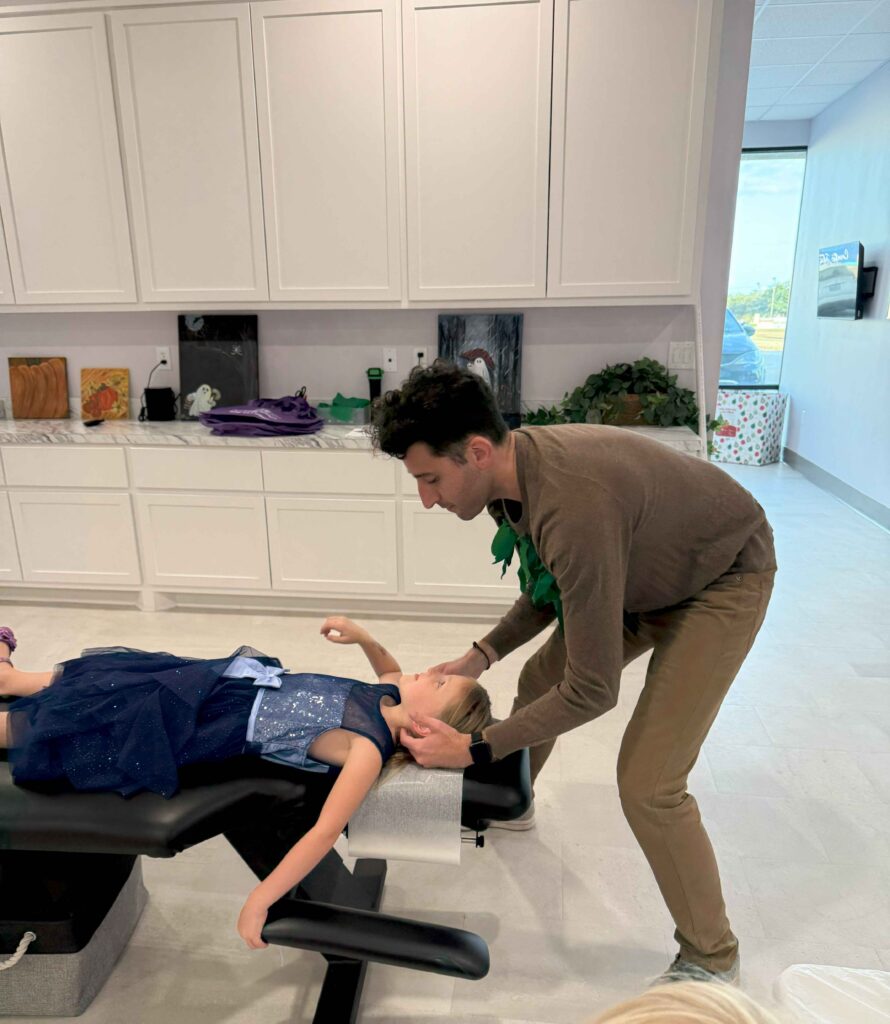
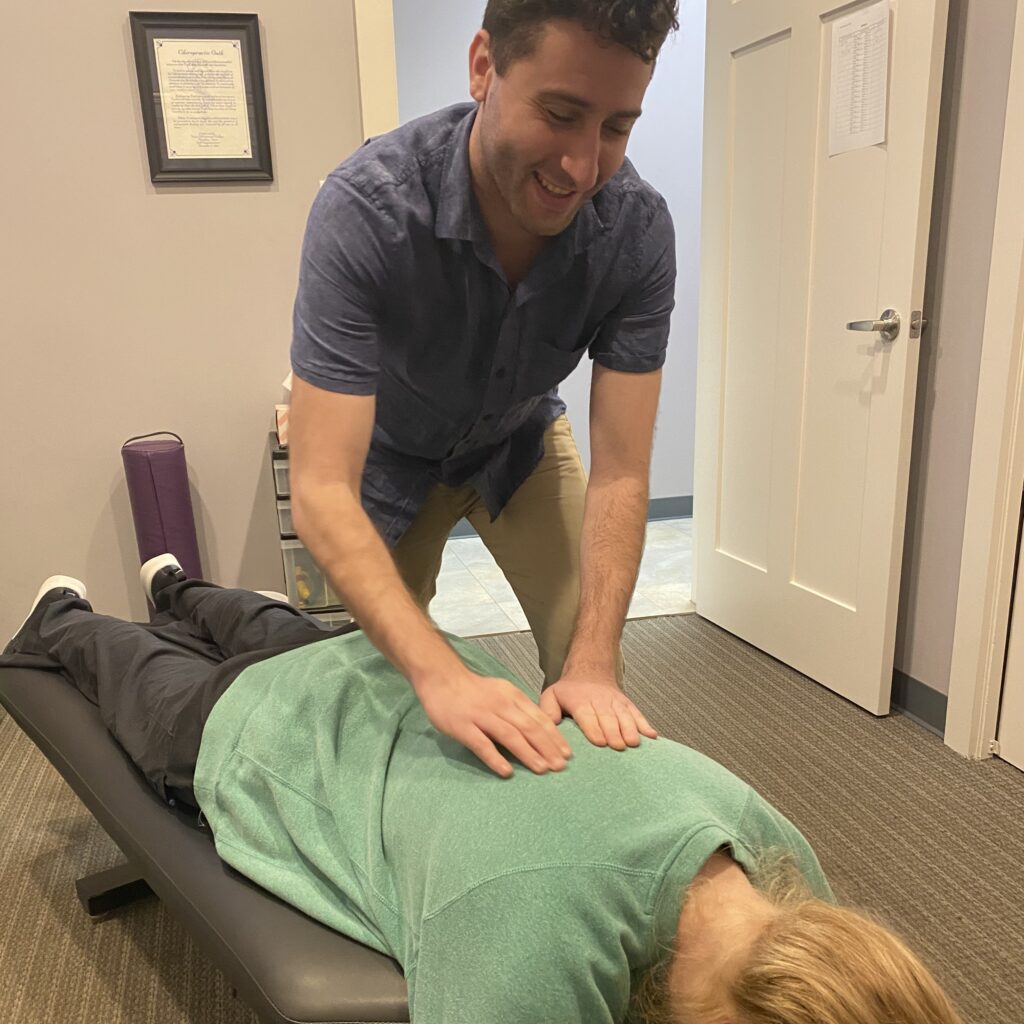
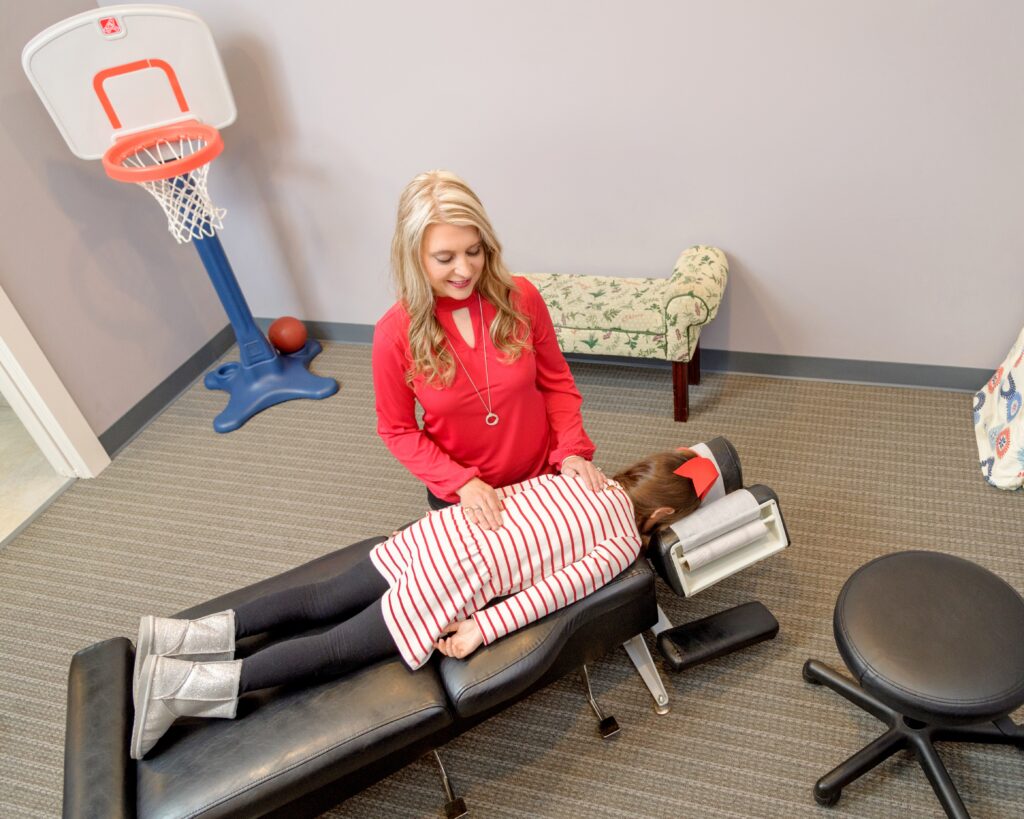
Chiropractic care isn’t just for adults with chronic pain—it can be a valuable resource for children and teens, especially those experiencing discomfort related to backpack use or postural stress. At Rodgers Stein Chiropractic Center in Conroe and Huntsville, Dr. Stacey Rodgers and her team of chiropractors work with families to support healthy spinal development and address musculoskeletal concerns in a gentle, age-appropriate way.
Chiropractic adjustments for children are typically very gentle and tailored to the child’s size, age, and specific needs. The goal is to restore proper alignment, improve joint mobility, and reduce tension in muscles that may have become tight or imbalanced due to repetitive strain. Adjustments can help the body function more efficiently, reducing discomfort and supporting better posture.
In addition to adjustments, chiropractors often provide education on posture, ergonomics, and body mechanics. Dr. Stacey Rodgers’ team may assess how your child carries their backpack, evaluate their posture during common activities, and offer practical recommendations to reduce strain both at school and at home.
Many parents find that regular chiropractic check-ups during the school year help catch small issues before they become bigger problems. Just as you take your child to the dentist for preventive care, periodic chiropractic visits can support their musculoskeletal health and help them develop habits that protect their spine as they grow.
Chiropractic care is non-invasive, drug-free, and focused on helping the body heal naturally. For children dealing with backpack-related discomfort, postural strain, or general growing pains, it offers a safe and effective option that complements other healthy habits.
Backpack Mistakes vs. Smart Solutions
|
Common Mistake |
Smart Solution |
|---|---|
|
Wearing the backpack on one shoulder |
Always use both shoulder straps, adjusted evenly |
|
Packing the backpack with everything “just in case” |
Pack only what’s needed each day; use a locker when possible |
|
Choosing a backpack based on style alone |
Select a backpack with padded straps, multiple compartments, and ergonomic design |
|
Placing heavy items in outer pockets or away from the back |
Put the heaviest items closest to the back panel for better balance |
|
Letting the backpack hang low, below the waistline |
Adjust straps so the backpack sits high, resting in the curve of the lower back |
|
Ignoring complaints of pain or discomfort |
Take complaints seriously and assess backpack weight, fit, and wearing habits |
Myths vs. Facts About Kids and Backpacks
Myth: Kids’ bodies are resilient—they can handle heavy backpacks without long-term effects.
Fact: While children are generally adaptable, their musculoskeletal systems are still developing. Repetitive strain from heavy or poorly worn backpacks can contribute to muscle imbalances, postural problems, and discomfort that may persist into adulthood. Prevention is far easier than correction.
Myth: Using one shoulder strap is fine as long as you switch sides regularly.
Fact: Even if a child alternates shoulders, wearing a backpack on one shoulder forces the body into an uneven, compensatory posture. This strains muscles, ligaments, and joints on both sides over time. Both straps should always be used to distribute weight evenly.
Myth: A bigger backpack is better because it holds more.
Fact: A larger backpack often encourages overpacking, leading to excessive weight. The backpack should be appropriately sized for your child’s frame—not so large that it extends far below the waistline or tempts them to carry unnecessary items.
Myth: Backpack-related pain is just part of being a student.
Fact: Pain is the body’s way of signaling that something is wrong. Backpack-related discomfort is not normal and should not be ignored. Simple adjustments to backpack habits, combined with chiropractic care if needed, can often resolve the issue and prevent it from becoming chronic.
Myth: Rolling backpacks are always a better option.
Fact: While rolling backpacks eliminate the weight on the shoulders, they can create other problems. Pulling a heavy bag behind you can strain the arm, shoulder, and lower back, especially when navigating stairs or uneven surfaces. They’re a good option in some cases, but they’re not a universal solution. Proper use of a well-designed traditional backpack is often the better choice.
Final Thoughts from Rodgers Stein Chiropractic Center
Helping your child develop healthy backpack habits is a simple but powerful way to support their spinal health and overall well-being. Small changes—choosing the right backpack, packing it thoughtfully, wearing it correctly, and keeping the weight manageable—can make a significant difference in how your child feels at the end of the school day and how their body develops over time.
Here in Conroe and Huntsville, Texas, the team at Rodgers Stein Chiropractic Center is here to support families in building healthy habits that last. Dr. Stacey Rodgers understands the unique needs of growing bodies and is passionate about helping children and teens stay strong, comfortable, and active as they navigate their school years. If you’ve noticed your child struggling with back pain, poor posture, or discomfort related to their backpack, we’re here to help.
Taking a proactive approach to your child’s musculoskeletal health now can set the stage for a lifetime of better posture, less pain, and greater resilience. We encourage you to review your child’s backpack habits and make adjustments where needed. And if you have questions or concerns, don’t hesitate to reach out to our office. We’re always happy to provide guidance and support to the families we serve right here in Conroe and Huntsville.
Frequently Asked Questions
How do I know if my child’s backpack is too heavy?
A good rule of thumb is that a backpack should weigh no more than 10 to 15 percent of your child’s body weight. If your child struggles to lift the backpack, complains of pain, or shows visible strap marks on their shoulders, the bag is likely too heavy.
Can a heavy backpack cause scoliosis?
Heavy backpacks do not cause scoliosis, which is a structural curvature of the spine with various underlying causes. However, carrying a heavy or improperly worn backpack can contribute to muscle imbalances, postural strain, and discomfort that may mimic or worsen the appearance of postural asymmetries.
At what age should I start paying attention to my child’s backpack habits?
It’s never too early to establish good habits. Even young elementary students can benefit from using a properly fitted, appropriately weighted backpack. As children grow and their academic workload increases, these habits become even more important.
Are there exercises my child can do to strengthen their back?
Yes. Simple exercises that strengthen the core and back muscles—such as planks, bridges, and gentle stretches—can help support the spine and improve posture. A chiropractor can provide age-appropriate recommendations tailored to your child’s needs.
Should I consider a rolling backpack instead?
Rolling backpacks can be helpful in certain situations, especially if your child has a significant amount of weight to carry and navigates mostly flat, smooth surfaces. However, they can be awkward on stairs or crowded hallways and may cause strain when pulled improperly. Evaluate your child’s environment and needs before making the switch.
When should I take my child to a chiropractor for backpack-related pain?
If your child experiences persistent pain, noticeable postural changes, numbness or tingling, or discomfort that doesn’t improve with backpack adjustments, it’s a good idea to schedule an evaluation. A chiropractor can assess alignment, muscle balance, and overall spinal health and provide gentle, effective care tailored to children.
TL;DR: Key Takeaways
-
A backpack should weigh no more than 10 to 15 percent of your child’s body weight to avoid strain on developing muscles and joints.
-
Choose a backpack with wide, padded shoulder straps, multiple compartments, and a padded back panel for better support and comfort.
-
Pack heavy items closest to the back panel, use both shoulder straps, and adjust the fit so the backpack sits high on the back.
-
Watch for signs of strain such as shoulder pain, postural changes, or visible strap marks, and address them promptly.
-
Chiropractic care can support spinal health in children by addressing alignment, reducing tension, and teaching healthy postural habits. Rodgers Stein Chiropractic Centers in Conroe and Huntsville, Texas, are here to help your family keep young spines strong and healthy.