
If you’ve ever caught yourself slumping at your desk, hunching over your phone, or feeling neck and shoulder tension after a long day, you’re not alone. Poor posture has become one of the most common complaints we see here at Rodgers Stein Chiropractic Center in Conroe and Huntsville, TX. The good news? With some help from our team, you can significantly improve how you hold your body throughout the day. This guide will walk you through what proper posture really means, why it matters for your overall health, and practical steps you can take starting today to support your spine and reduce discomfort.
What is proper posture? Proper posture is the alignment of your body that places the least strain on supporting muscles and ligaments during movement and weight-bearing activities. It means your ears align over your shoulders, shoulders over hips, and hips over ankles, creating a balanced position that allows your spine to maintain its natural curves without excessive stress.
Table of Contents
Why Posture Matters More Than You Think
Your posture affects far more than just how you look. The position of your body influences your musculoskeletal health, energy levels, breathing capacity, and even your mood. When your spine is properly aligned, your muscles work efficiently, your joints experience less wear and tear, and your nervous system functions optimally.
Poor posture, on the other hand, creates a cascade of problems. Forward head posture can add pounds of abnormal leverage on the cervical spine, according to research in the field of biomechanics. This extra weight strains muscles, compresses joints, and can contribute to headaches, neck pain, and shoulder tension. Over time, sustained poor posture can lead to structural changes in the spine and contribute to degenerative conditions.
Here in Conroe and Huntsville, many of our patients work desk jobs or spend considerable time driving. These activities, when done with poor posture habits, create repetitive stress that accumulates over weeks, months, and years. The discomfort you feel today is often the result of postural habits formed long ago.
Beyond pain and discomfort, posture affects your body’s ability to breathe deeply. Slouched positions compress the chest cavity and limit diaphragm movement, reducing oxygen intake. Studies have shown that upright posture can improve breathing capacity and even influence mood and confidence levels.
Understanding Spinal Alignment and Natural Curves
Your spine isn’t meant to be perfectly straight. A healthy spine has three natural curves that work together to distribute mechanical stress efficiently. The cervical spine (neck) curves slightly inward, the thoracic spine (mid-back) curves outward, and the lumbar spine (lower back) curves inward again.
These curves act like shock absorbers, helping your spine handle the forces of gravity, movement, and daily activities. When you maintain proper posture, you preserve these natural curves. When you slouch, crane your neck forward, or arch your back excessively, you disrupt this balance and place uneven pressure on spinal structures.
Think of your spine like a stack of building blocks. When stacked properly, they’re stable and require minimal effort to maintain. When misaligned, the stack becomes unstable, requiring surrounding muscles to work overtime to prevent collapse. This constant muscle tension leads to fatigue, soreness, and eventually pain.
Dr. Stacey Rodgers frequently explains to patients that the goal isn’t perfection—it’s awareness and gradual improvement. Your body has adapted to your current posture over time, so changing habits requires patience and consistent effort. Small adjustments made throughout each day add up to significant improvements over time.
Common Posture Mistakes We See Every Day
Certain posture mistakes appear repeatedly in our Conroe and Huntsville chiropractic practice. Recognizing these patterns in yourself is the first step toward correction.
Forward head posture is perhaps the most common issue. When you lean your head forward—often while looking at screens—your neck muscles must work much harder to support your head’s weight. For every inch your head moves forward, the effective weight on your neck increases substantially. This position strains the posterior neck muscles and compresses cervical joints.
Rounded shoulders often accompany forward head posture. This position happens when your shoulders roll forward and inward, typically from prolonged sitting, computer work, or looking down at phones. Rounded shoulders tighten chest muscles, weaken upper back muscles, and can contribute to shoulder impingement and rotator cuff problems.
Slouched sitting collapses the natural lumbar curve and places excessive pressure on lumbar discs. When you slouch, you shift weight onto the tailbone instead of sitting on your sit bones (ischial tuberosities), creating a posterior pelvic tilt that flattens your lower back.
Anterior pelvic tilt creates the opposite problem—excessive arching in the lower back. This position happens when your pelvis tilts forward, often from tight hip flexors and weak core muscles. It can contribute to lower back pain and hip discomfort.
Asymmetrical standing habits like consistently shifting weight to one leg, carrying bags always on the same shoulder, or crossing the same leg over repeatedly can create muscular imbalances that pull your spine out of alignment over time.
Sitting Posture Guidelines for Desk Workers
If you work at a desk in Conroe or Huntsville or spend considerable time sitting, your chair setup and sitting habits significantly impact your spinal health. Proper sitting posture reduces strain and helps you maintain productivity without developing pain.
Start with your chair height. Your feet should rest flat on the floor with your knees at approximately a 90-degree angle. If your feet don’t reach the floor, use a footrest. Your hips should be slightly higher than your knees, which helps maintain the natural lumbar curve.
Your lower back needs support. Most chairs have adjustable lumbar support—use it. The small of your back should contact the chair’s backrest, maintaining that gentle inward curve. If your chair lacks adequate support, a small rolled towel or lumbar cushion can help.
Position your computer monitor so the top of the screen sits at or slightly below eye level, about an arm’s length away. This prevents you from tilting your head up or down, which strains neck muscles. Your keyboard and mouse should be close enough that your elbows stay near your body at roughly 90 degrees.
Avoid perching on the edge of your seat or slouching backward. Sit all the way back in your chair so your buttocks touch the backrest. Your shoulder blades should lightly contact the chair back without forcing your shoulders into an uncomfortable position.
Even with perfect setup, sitting for prolonged periods stresses your spine. Stand up, walk around, and change positions every 30 to 45 minutes. Movement keeps muscles active and prevents the stiffness that comes from static postures.
Standing Posture Fundamentals
Good standing posture distributes your weight evenly and maintains your spine’s natural curves without excessive muscle tension. When standing, imagine a straight line running from your ear through your shoulder, hip, knee, and ankle.
Begin with your feet. Stand with feet about hip-width apart, weight distributed evenly between both feet and from heel to toe. Avoid locking your knees, which restricts circulation and creates tension. Keep a slight, soft bend in your knees instead.
Your pelvis should be in a neutral position—not tilted excessively forward or backward. Think about gently engaging your lower abdominal muscles, which helps stabilize your pelvis and support your lumbar spine. This doesn’t mean sucking in your stomach or creating tension, just maintaining gentle awareness.
Your shoulders should be relaxed and pulled slightly back and down, not hunched up toward your ears. Imagine your shoulder blades gently sliding down your back. Your arms should hang naturally at your sides with your palms facing your body.
Your head should balance directly over your spine with your chin parallel to the ground. Avoid jutting your chin forward or tilting your head to one side. Think of a string gently pulling the crown of your head toward the ceiling, lengthening your spine.
When standing for extended periods, shift your weight periodically, use a footrest to prop one foot up occasionally, or take brief walking breaks. Static standing, even with good posture, creates fatigue over time.
Sleeping Position Considerations
You spend roughly one-third of your life sleeping, making your sleeping position a crucial factor in spinal health. While individual comfort varies, certain positions better support spinal alignment than others.
Back sleeping generally provides the most neutral spinal position when done correctly. Place a pillow under your knees to maintain the natural lumbar curve and prevent your lower back from arching excessively. Your head pillow should support your neck without pushing your head too far forward or letting it drop backward.
Side sleeping is also spine-friendly when you maintain proper alignment. Place a pillow between your knees to keep your hips, pelvis, and spine aligned. Your head pillow should fill the space between your ear and shoulder, keeping your neck in a neutral position. Avoid pulling your knees up too tightly toward your chest, which can flatten your lumbar curve.
Stomach sleeping creates the most stress on your spine and is generally discouraged. This position requires you to turn your head to one side, rotating your neck for hours. It also tends to flatten your lumbar curve or create excessive arching. If you can’t break this habit, place a thin pillow under your pelvis and lower abdomen to reduce lumbar stress, and use a very thin pillow or no pillow under your head.
Your mattress matters too. While firmness preference is individual, your mattress should support your spine’s natural curves without sagging excessively. If you wake up stiff or your mattress is over eight years old, it might be time to evaluate whether it’s providing adequate support.
How Chiropractic Care Helps Improve Posture
Chiropractic care addresses posture from multiple angles. While improving your daily habits is essential, sometimes your body needs help restoring proper alignment and function, especially if you’ve maintained poor posture for years.
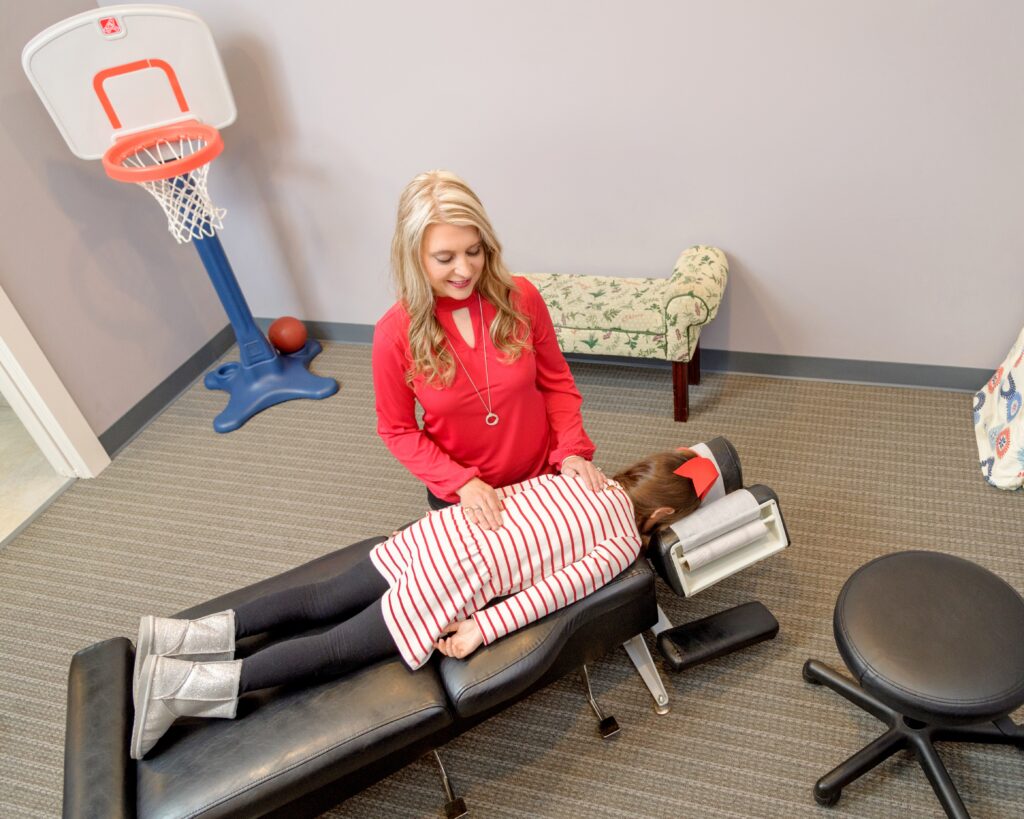
At Rodgers Stein Chiropractic Center, we start with a thorough evaluation of your posture, spinal alignment, and movement patterns. Dr. Stacey Rodgers assesses not just how you stand or sit, but how your spine moves, where restrictions exist, and which muscles may be tight or weak from compensating for misalignment.
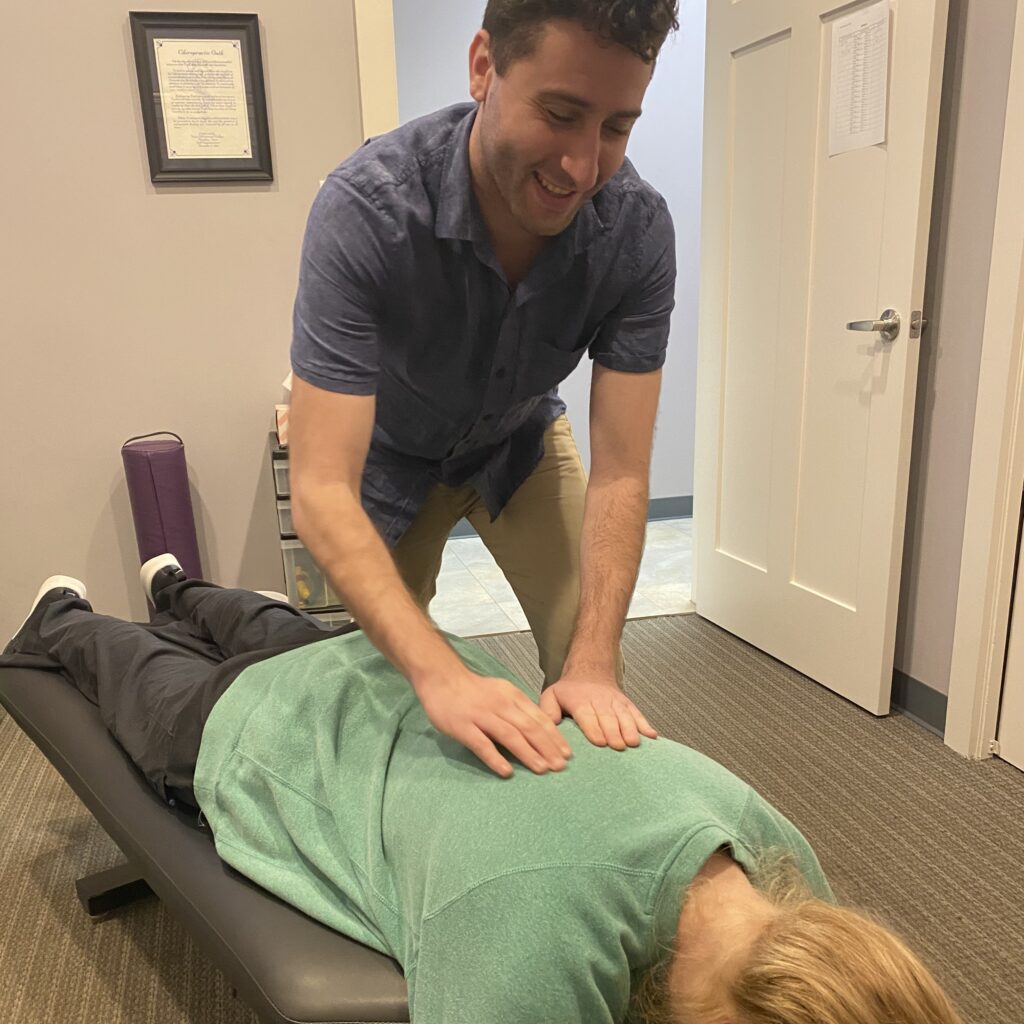
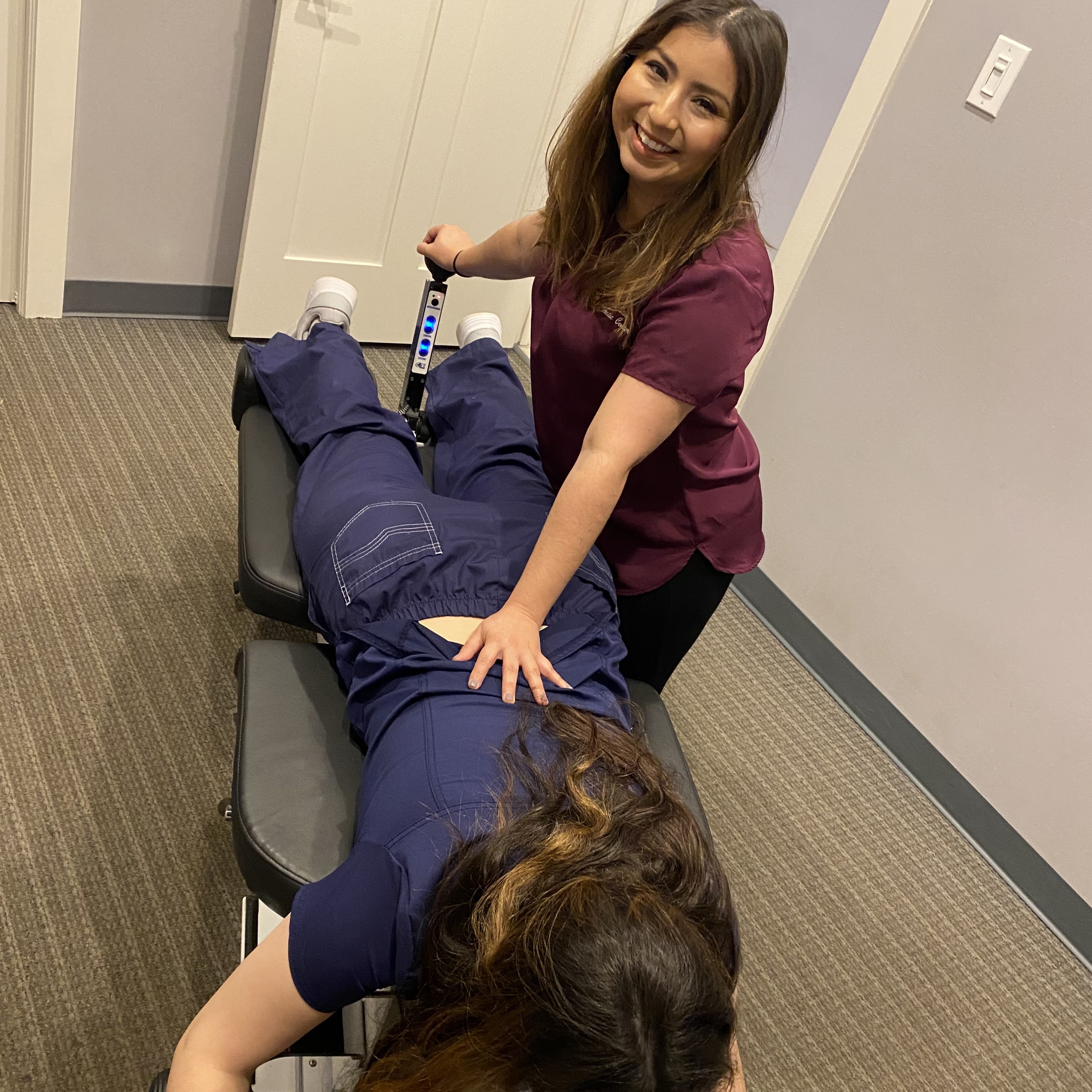
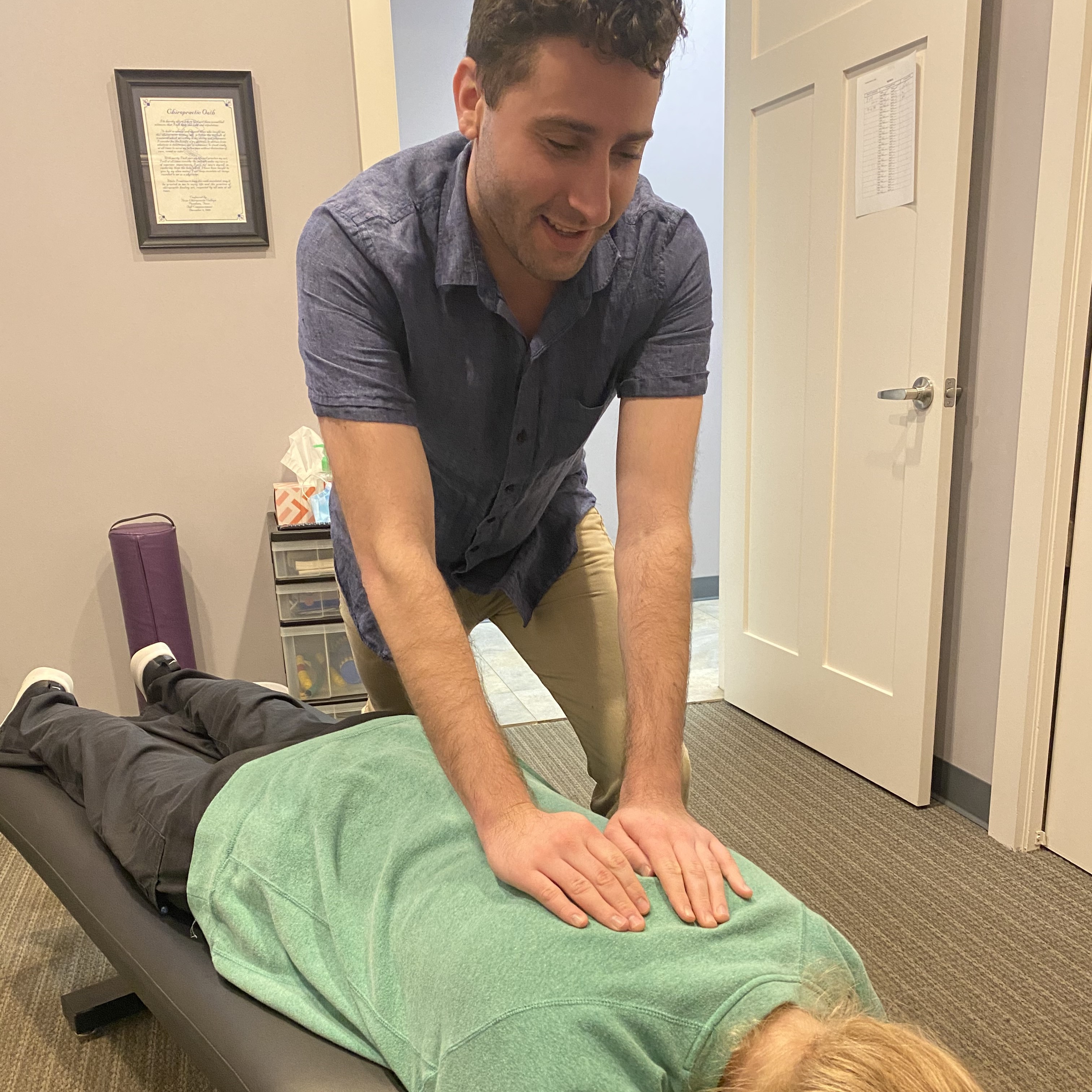
Chiropractic helps restore proper joint motion and alignment in your spine. When vertebrae become restricted or misaligned—often from sustained poor posture—they can interfere with normal movement patterns and create muscle imbalances. Gentle, specific adjustments help restore mobility and reduce the abnormal stress that contributes to pain and dysfunction.
Many patients in Conroe and Huntsville notice that after chiropractic care, maintaining good posture feels easier and more natural. This happens because adjustments help reset your body’s proprioception—your sense of where your body is in space. When your spine functions better, your nervous system receives clearer feedback about your position, making it easier to recognize and correct poor posture automatically.
Beyond adjustments, chiropractic care often includes guidance on specific exercises and stretches tailored to your posture needs. These might include stretches for tight chest muscles, strengthening exercises for weak upper back muscles, or core stability work to support your spine.
The goal isn’t to make you dependent on care, but to help your body function optimally so that good posture becomes sustainable. Regular chiropractic visits combined with improved daily habits create the best long-term outcomes for spinal health.
Practical Daily Tips for Better Posture
Improving your posture doesn’t require expensive equipment or hours of exercise. Small, consistent changes throughout your day make the biggest difference.
Set hourly reminders. Use your phone or computer to alert you every hour to check your posture. When the reminder goes off, take three deep breaths, roll your shoulders back, and adjust your position. This brief reset prevents you from staying in poor positions for extended periods.
Practice the wall test. Stand with your back against a wall, heels about three inches away. Your buttocks, shoulder blades, and head should all touch the wall. Slide your hand behind your lower back—there should be a small space, but not so much that you could fit your whole hand through. This position shows you what proper standing posture feels like.
Strengthen your core. Your core muscles—not just abdominals, but also back and hip muscles—provide crucial support for your spine. Simple exercises like planks, bridges, and bird dogs strengthen these stabilizers without requiring gym equipment.
Stretch tight areas. Door frame chest stretches help counteract rounded shoulders. Chin tucks strengthen deep neck flexors and reduce forward head posture. Hamstring and hip flexor stretches improve pelvic positioning. Hold stretches for 20 to 30 seconds and perform them daily.
Optimize your workspace. Position frequently used items within easy reach to avoid repetitive twisting or reaching. Use a document holder at eye level if you reference papers while typing. Consider a standing desk or adjustable workstation to vary your position throughout the day.
Mind your phone use. Rather than looking down at your phone, bring it up to eye level. This simple change dramatically reduces neck strain. When texting or reading, take frequent breaks to look up and around, resetting your neck position.
Wear supportive footwear. High heels and unsupportive shoes alter your body’s alignment from the ground up. Choose shoes with adequate arch support and cushioning, especially if you stand or walk frequently during your day.
Stay active. Regular movement keeps muscles flexible and strong. Walking, swimming, and yoga all promote body awareness and support good posture. Even short walks during lunch breaks help prevent the stiffness that comes from prolonged sitting.
|
Posture Mistake |
Common Trigger |
Simple Correction |
|---|---|---|
|
Forward Head |
Looking at phone or low monitor |
Raise screen to eye level; perform chin tucks |
|
Rounded Shoulders |
Prolonged computer work |
Door frame chest stretches; shoulder blade squeezes |
|
Slouched Sitting |
Poor chair support; fatigue |
Sit fully back in chair; use lumbar support |
|
Anterior Pelvic Tilt |
Tight hip flexors; weak glutes |
Hip flexor stretches; glute bridges |
|
Locked Knees Standing |
Static standing positions |
Keep soft bend in knees; shift weight periodically |
When to See a Chiropractor About Posture
While many posture improvements can happen through self-awareness and habit changes, certain situations warrant professional evaluation and care.
If you experience persistent pain or discomfort despite making posture improvements, it’s time to see a chiropractor. Pain that lasts more than a few weeks, especially if it interferes with daily activities or sleep, indicates that something beyond simple habit changes may be needed.
Frequent headaches, especially those that start at the base of your skull or behind your eyes, often relate to neck posture and alignment issues. These tension-type headaches may respond well to chiropractic care combined with posture correction.
Numbness, tingling, or weakness in your arms or legs should always be evaluated. While not always serious, these symptoms can indicate nerve involvement that requires professional assessment.
If you notice visible postural changes—such as one shoulder appearing higher than the other, changes in how your clothes fit, or a visible curve developing in your spine—schedule an evaluation. Early intervention can prevent these issues from progressing.
Difficulty maintaining good posture even when you try, or posture that feels uncomfortable or unnatural, might indicate underlying restrictions or imbalances that need to be addressed before sustainable improvements can occur.
If you’ve been in an accident—car collision, fall, or sports injury—even if you feel fine initially, having your spine evaluated helps ensure that any misalignments are addressed before they create long-term compensation patterns.
Red flags that warrant immediate medical attention include severe pain, sudden onset of weakness, loss of bowel or bladder control, or progressive neurological symptoms. While these are rare, they require urgent evaluation to rule out serious conditions.
At Rodgers Stein Chiropractic Center, we welcome patients at any stage of their posture journey, whether you’re experiencing pain or simply want to prevent problems before they start. Dr. Stacey Stein provides personalized care plans based on your individual needs, lifestyle, and goals.
Myths vs. Facts About Posture
Myth: There’s One Perfect Posture Everyone Should Maintain
Fact: While general alignment principles apply to everyone, perfect posture varies somewhat based on individual anatomy, flexibility, and strength. The best posture is one you can maintain comfortably while supporting your spine’s natural curves. Additionally, varying your position throughout the day is healthier than rigidly maintaining any single position for hours.
Myth: Posture Problems Only Cause Back and Neck Pain
Fact: Poor posture affects your entire body. It can contribute to headaches, jaw tension, breathing difficulties, digestive issues, reduced circulation, fatigue, and even mood changes. The interconnected nature of your musculoskeletal and nervous systems means that alignment issues in one area often create problems elsewhere.
Myth: You Can Fix Years of Poor Posture in a Few Days
Fact: Your current posture reflects years of habits, and changing it takes time and consistency. Your muscles, ligaments, and nervous system have adapted to your current alignment. Gradual, sustainable changes are more effective and safer than trying to force dramatic improvements quickly. Most people notice meaningful changes within a few weeks of consistent effort.
Myth: Posture Braces and Devices Fix Posture Problems
Fact: While posture braces can provide temporary awareness and support, they don’t address the underlying muscle imbalances and movement patterns causing poor posture. Relying on external devices can actually weaken postural muscles over time. The most effective approach combines professional care, targeted exercises, and improved daily habits.
Myth: If Posture Doesn’t Hurt, It Doesn’t Matter
Fact: Pain often appears long after postural problems develop. Your body compensates remarkably well until compensation mechanisms become exhausted. By the time you feel pain, structural changes and muscle imbalances may already be significant. Addressing posture proactively prevents problems rather than waiting for pain to develop.
Maintaining Your Posture Journey in Conroe and Huntsville
Improving your posture is a journey, not a destination. The small adjustments you make each day—how you sit at your desk, how you hold your phone, how you stand in line at the grocery store—accumulate into significant long-term benefits for your spine, muscles, and overall health.
Remember that perfection isn’t the goal. Awareness and gradual improvement create lasting change. Be patient with yourself as you develop new habits. Your body has adapted to your current posture over years or even decades, so give yourself grace as you work toward healthier patterns.
We’re committed to supporting our community’s spinal health at Rodgers Stein Chiropractic Center. Whether you’re dealing with pain from poor posture or simply want to prevent future problems, Dr. Stacey Rodgers and our team are here to help guide your journey toward better alignment and function.
Your spine supports you through every activity, every day. Taking time to support it through better posture is one of the most valuable investments you can make in your long-term health and quality of life. Start with one or two changes from this guide, practice them consistently, and build from there. Your body will thank you.
Frequently Asked Questions
How long does it take to improve posture?
Most people begin noticing improvements in how they feel within two to three weeks of consistent effort. However, creating lasting changes in muscle memory and structural alignment typically takes two to three months of regular practice. The timeline varies based on how long you’ve had poor posture and how consistently you practice new habits.
Can poor posture be completely reversed?
In most cases, yes—especially when addressed before significant structural changes occur. With consistent effort combining improved daily habits, appropriate exercises, and professional care when needed, most postural issues can be significantly improved or resolved. However, some long-standing structural changes may only partially reverse, making early intervention important.
Does poor posture really cause permanent damage?
Sustained poor posture over years can contribute to degenerative changes in spinal joints and discs, though many factors influence this process. The good news is that improving your posture at any age helps reduce abnormal stress and can slow or prevent further degeneration. Your body has remarkable healing capacity when given proper support and alignment.
Are posture corrector devices worth buying?
Posture devices may provide temporary awareness and reminders, but they shouldn’t replace active strengthening and habit changes. Over-reliance on braces can weaken the muscles that should naturally support good posture. If you use one, limit it to short periods as a training tool while you build strength and awareness through exercises and conscious practice.
What’s the best exercise for improving posture?
No single exercise fixes everything, but exercises that strengthen your upper back and core while stretching tight chest and hip flexors are particularly valuable. Rows, planks, bridges, and chin tucks are excellent starting points. The best exercise program is one tailored to your specific imbalances—something a chiropractor or physical therapist can help design.
Will chiropractic adjustments alone fix my posture?
Chiropractic care is highly effective for restoring proper spinal alignment and joint function, but lasting posture improvement requires combining adjustments with improved daily habits and appropriate exercises. Adjustments help reset your alignment and remove restrictions, while habit changes and strengthening exercises help maintain those improvements between visits and create long-term change.
TL;DR – Key Takeaways
-
Proper posture maintains your spine’s natural curves and distributes stress evenly, reducing pain and preventing long-term problems.
-
Common mistakes include forward head posture, rounded shoulders, and slouched sitting—all worsened by prolonged screen time and sedentary work.
-
Simple daily changes make the biggest difference: adjust your workspace ergonomics, set hourly posture check reminders, and vary your positions throughout the day.
-
Chiropractic care at Rodgers Stein Chiropractic Center in Conroe helps restore spinal alignment and makes maintaining good posture easier and more natural.
-
Improving posture takes consistent effort over weeks to months, but the benefits for your spine, energy levels, and overall health are well worth the investment.