
As a parent, you want the very best for your child’s health and development. Whether you’re navigating sleepless nights with a newborn, dealing with growing pains in your school-aged child, or supporting your teenager through sports seasons, you’re constantly seeking safe, gentle, and effective ways to help them thrive. Here in Conroe and Huntsville, many parents are discovering how pediatric chiropractic care can support their children’s wellness naturally. At Rodgers Stein Chiropractic Center, we understand that when it comes to your child, you need clear, honest information before making any healthcare decision. This guide will walk you through everything you need to know about chiropractic care for children, from infancy through adolescence.
What is Pediatric Chiropractic Care?
Pediatric chiropractic care involves gentle, specialized adjustments and assessments designed specifically for infants, children, and adolescents. Unlike adult chiropractic techniques, pediatric adjustments use extremely light pressure—often no more than the weight you’d use to test the ripeness of a tomato. The goal is to support proper spinal development, nervous system function, and overall wellness during crucial growth stages.
Table of Contents
Why Parents Consider Chiropractic Care for Children
More families throughout Conroe and Huntsville are incorporating chiropractic care into their children’s wellness routines, and for good reason. The birth process itself, whether vaginal or cesarean, places significant physical stress on a newborn’s spine and nervous system. As children grow, they experience countless falls, tumbles, awkward sleeping positions, and heavy backpacks that can affect spinal alignment and function.
Many parents initially bring their children to Rodgers Stein Chiropractic Center seeking help with specific concerns like colic, ear infections, difficulty nursing, or sports injuries. Others are looking for a proactive approach to wellness, recognizing that proper spinal development during childhood can set the foundation for lifelong health.
The nervous system controls and coordinates every function in your child’s body. When the spine is properly aligned, nerve signals can flow freely between the brain and body. Misalignments, which chiropractors call subluxations, can potentially interfere with this communication. Pediatric chiropractic care focuses on identifying and gently correcting these misalignments to support optimal nervous system function.
Parents also appreciate that chiropractic care offers a conservative, non-pharmaceutical approach to common childhood concerns. In an era where many families are looking for ways to minimize medication use when appropriate, gentle chiropractic adjustments provide an alternative worth exploring.
Is Chiropractic Care Safe for Children?
This is often the first question parents ask, and it’s absolutely the right one. The safety of your child is paramount. The research and clinical evidence support that when performed by a trained chiropractor, pediatric adjustments are remarkably safe and gentle.
Pediatric chiropractic techniques differ dramatically from adult adjustments. For infants, the pressure applied during an adjustment is incredibly light—typically around the same force you’d use to gently press on your own eyelid. There’s no twisting, popping, or forceful manipulation. Many babies sleep right through their adjustments or simply seem more comfortable afterward.
For older children and teenagers, adjustments may involve slightly more pressure, but they’re still modified significantly from adult techniques. Chiropractors who work with children receive specialized training in pediatric assessment, development, and adjustment techniques. They understand the unique anatomical and physiological differences in growing bodies.
Multiple systematic reviews have examined the safety profile of pediatric chiropractic care. While no healthcare intervention is entirely without risk, serious adverse events related to pediatric chiropractic adjustments are exceptionally rare. Minor, temporary soreness—similar to what you might feel after any physical activity—is the most commonly reported side effect, and even that is uncommon in children.
Organizations including the International Chiropractic Pediatric Association have established guidelines and standards for pediatric care. Many chiropractors, including those at Rodgers Stein Chiropractic Center in Conroe, pursue additional training and certifications in pediatric techniques to provide the safest, most effective care possible.
What Conditions Might Benefit from Pediatric Chiropractic Care?
Parents bring their children to chiropractors for a wide variety of reasons. It’s important to understand that chiropractors don’t treat diseases or cure conditions. Instead, they work to optimize spinal alignment and nervous system function, which may help the body function better overall.
For infants, common reasons for chiropractic evaluation include difficulty latching or nursing, colic symptoms, excessive crying or fussiness, head shape concerns like plagiocephaly, torticollis (head tilting to one side), and general discomfort. Birth trauma, even from seemingly uncomplicated deliveries, can create tension patterns that gentle chiropractic care may help address.
As children enter their toddler and preschool years, parents often seek chiropractic care for ear infections, sleep difficulties, developmental milestone concerns, and the aftermath of frequent falls that come with learning to walk and run. Research suggests that chiropractic care may support proper drainage and function in the ears, though it’s not a replacement for medical evaluation when needed.
School-aged children commonly present with growing pains, postural issues from increased sitting and screen time, headaches, bedwetting concerns, and sports-related injuries. The physical demands of backpacks, sports participation, and hours spent hunched over tablets or homework can all impact spinal health.
Teenagers face their own unique challenges. Many come in with sports injuries, scoliosis concerns, tech neck from constant device use, stress-related tension, and postural problems. The teenage years involve rapid growth spurts that can sometimes create temporary imbalances in the musculoskeletal system.
Here in Conroe and Huntsville, we also see many young athletes seeking chiropractic care as part of their performance and injury prevention strategies. Maintaining proper spinal alignment can support better movement patterns, coordination, and recovery from training.
What to Expect During Your Child’s Visit
Understanding what happens during a pediatric chiropractic visit can help ease any anxiety you or your child might feel. The first appointment at Rodgers Stein Chiropractic Center begins with a thorough consultation where we’ll discuss your child’s health history, any current concerns, developmental milestones, birth history, and your goals for their care.
The examination is comprehensive yet child-friendly. We observe your child’s posture, movement patterns, and how they use their body. For infants, we note things like head preference (always turning to one side), asymmetries in movement, and how comfortably they move through typical baby activities. We perform gentle palpation to feel for areas of tension, restriction, or misalignment along the spine.
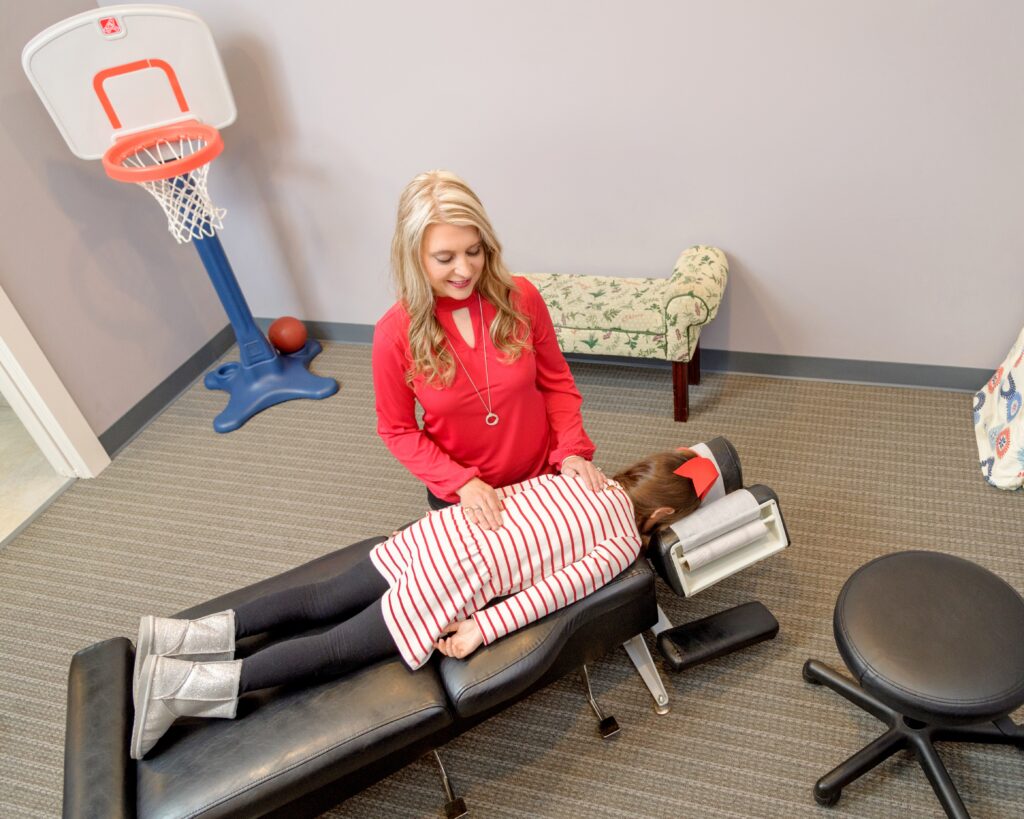
Unlike medical offices where children might feel anxious, chiropractic offices designed for pediatric care create a welcoming environment. We encourage parents to stay with their child throughout the entire visit. Younger children often sit in a parent’s lap during assessments and adjustments. We work at your child’s pace, building trust before proceeding with any care.
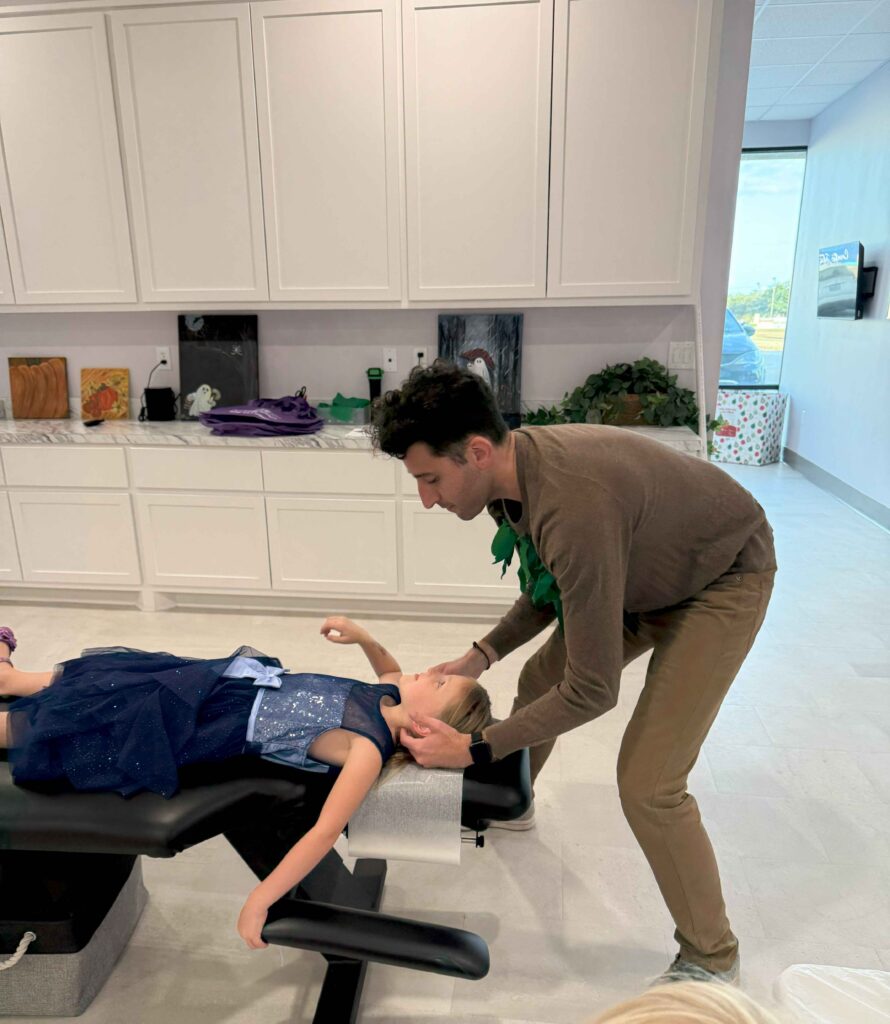
The adjustment itself is remarkably gentle. For infants, it might look like simple massage or light fingertip pressure at specific points along the spine. Many babies relax so completely during adjustments that they fall asleep. For older children, adjustments might involve more noticeable techniques, but they’re still modified significantly from adult care. We often incorporate low-force instruments that deliver gentle impulses without any twisting or popping.
After the adjustment, we’ll discuss home care recommendations and answer any questions. Some children show immediate improvements in comfort or behavior, while others respond more gradually over several visits. Every child is unique, and we tailor our care recommendations to their individual needs and responses.
How Care Differs Across Age Groups
Chiropractic care for children is never one-size-fits-all. The techniques, frequency, and focus of care change significantly as children grow and develop.
Infants (0-12 months): Adjustments for newborns and infants use incredibly light touch. The force applied is often less than five ounces of pressure. We’re addressing tension patterns from birth, supporting proper cranial and spinal development, and helping ensure that nerve communication isn’t compromised during this crucial early development period. Visits may be more frequent initially if addressing specific concerns like nursing difficulties, then space out as issues resolve.
Toddlers (1-3 years): As children become mobile, they experience countless tumbles and falls. While most are harmless, the cumulative effect can create tension patterns. Adjustments remain very gentle but may use slightly more pressure than with infants. We’re monitoring developmental milestones, supporting balance and coordination, and addressing any issues that arise from their increasingly active lifestyle. Keeping toddlers cooperative requires patience, play, and sometimes adjusting them while they’re exploring toys in the office.
Preschool and Early Elementary (4-7 years): At this stage, children can better communicate what they’re feeling, which helps guide care. We’re watching for postural habits as they begin school, managing the impact of growth spurts, and addressing specific complaints they might have. Adjustments can be more direct but remain modified from adult techniques. Many children this age become enthusiastic about their chiropractic visits once they experience how good they feel afterward.
Older Children (8-12 years): These children often present with issues related to increased academic demands, organized sports participation, and growing use of electronic devices. We’re addressing tech neck, supporting athletic performance, managing growing pains, and helping maintain healthy posture habits. Adjustments may begin to resemble modified adult techniques, tailored to their still-developing bodies.
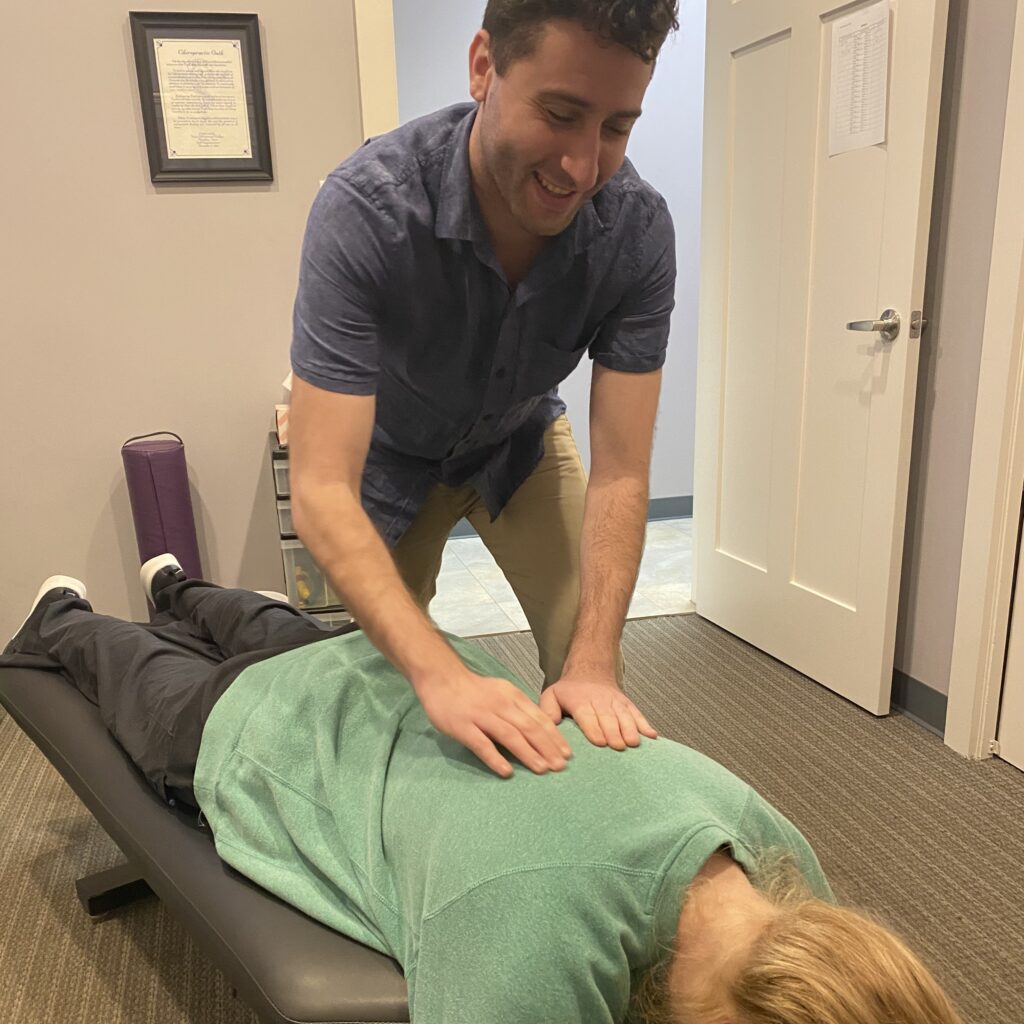
Teenagers (13-18 years): Adolescents face rapid growth spurts, intense athletic demands, increased stress, and often poor postural habits from technology use. Care focuses on supporting their active lifestyle, addressing sports injuries, managing stress-related tension, and monitoring conditions like scoliosis. Adjustments are similar to adult techniques but still account for their developing skeletal system. Many teenagers at Rodgers Stein Chiropractic Center in Conroe appreciate having a drug-free option for managing pain and optimizing performance.
|
Age Group |
Typical Pressure Used |
Common Focus Areas |
Adjustment Style |
|---|---|---|---|
|
Newborn to 6 months |
Fingertip light (1-5 oz) |
Birth trauma, nursing, colic, torticollis |
Feather-light touch, cranial work |
|
6-24 months |
Very gentle (5-10 oz) |
Developmental milestones, ear health, falls |
Gentle sustained contact, light impulse |
|
2-7 years |
Light pressure |
Posture development, growing pains |
Modified techniques, instrument-assisted |
|
8-12 years |
Moderate pressure |
Sports injuries, backpack strain, tech neck |
Gentle manual adjustments, diversified |
|
13-18 years |
Moderate to firm |
Athletic performance, stress, rapid growth |
Modified adult techniques, activator |
Myths vs. Facts About Pediatric Chiropractic Care
Myth: Chiropractic adjustments for babies are dangerous and involve forceful manipulation.
Fact: Pediatric adjustments, especially for infants, are extraordinarily gentle and nothing like adult adjustments. The pressure used is similar to what you’d use to check if fruit is ripe—typically less than the weight of a nickel. There’s no twisting, cracking, or forceful manipulation involved in infant care.
Myth: Children’s spines don’t need adjustments because they’re young and flexible.
Fact: While children are indeed more flexible than adults, they also experience significant physical stress during birth, learning to walk, playing sports, and carrying heavy backpacks. Misalignments can develop at any age, and addressing them early may help prevent problems from becoming more established as the child grows. Think of it as preventive maintenance during crucial developmental periods.
Myth: Once you start chiropractic care with your child, they’ll need it forever.
Fact: The frequency and duration of care depend entirely on your child’s specific needs and your family’s wellness goals. Some children receive care for a specific issue and then discontinue once resolved. Others receive periodic wellness checks, similar to dental cleanings. There’s no requirement for ongoing care, and at Rodgers Stein Chiropractic Center, we empower families to make informed decisions about what’s right for their child.
Myth: Chiropractors claim to cure childhood diseases and conditions.
Fact: Responsible chiropractors do not claim to cure diseases. Chiropractic care focuses on optimizing spinal alignment and nervous system function, which supports the body’s innate ability to heal and function optimally. When parents report improvements in conditions like ear infections or colic, it’s because the child’s body is functioning better overall, not because chiropractic “cured” a specific disease.
Myth: You don’t need a pediatrician if you take your child to a chiropractor.
Fact: Chiropractic care complements medical care—it doesn’t replace it. Children absolutely need regular pediatric checkups. Many families in Conroe and Huntsville integrate both medical and chiropractic care as part of a comprehensive approach to their children’s health. We work collaboratively with your child’s healthcare team.
Choosing the Right Chiropractor for Your Child
Not all chiropractors work extensively with children, so finding one with appropriate training and experience is important. When evaluating chiropractors for pediatric care, consider asking about their specific training in pediatric techniques and adjustments. Many chiropractors pursue additional certifications through organizations like the International Chiropractic Pediatric Association.
Experience matters. Ask how long the chiropractor has been working with children and what age ranges they commonly treat. A chiropractor who regularly sees pediatric patients will have developed specialized skills and a child-friendly approach that makes visits more comfortable and effective.
The office environment provides important clues. A practice that welcomes children typically has a welcoming atmosphere with space for kids to feel comfortable. Some offices have toys, books, or child-sized adjustment tables. The staff should be patient, friendly, and experienced in working with children of all ages and temperaments.
Communication style is crucial. The right chiropractor will take time to explain everything clearly, answer your questions thoroughly, and never pressure you into care plans you’re uncomfortable with. They should encourage parent involvement, welcome your presence during adjustments, and respect your role as the decision-maker for your child’s care.
At Rodgers Stein Chiropractic Center here in Conroe, we pride ourselves on creating a family-friendly environment where children feel safe and parents feel informed. We believe in building relationships with families over time, supporting children through various developmental stages, and always practicing with integrity and transparency.
Supporting Your Child’s Spinal Health at Home
Chiropractic adjustments are just one piece of supporting your child’s spinal health. What happens at home between visits matters tremendously. Here are practical ways to support healthy development and minimize stress on growing spines.
Backpack Safety: Ensure your child’s backpack weighs no more than 10-15% of their body weight. Both shoulder straps should be used, positioned snugly against the back, with the bottom of the pack resting in the curve of the lower back. Heavier items should be packed closest to the back. Many schools in the Conroe and Huntsville area now offer lockers or allow students to keep textbooks at school, which can significantly reduce daily backpack weight.
Tech Posture: Set up homework and screen time areas ergonomically. Screens should be at eye level when possible, not requiring your child to look down constantly. Encourage frequent breaks using the 20-20-20 rule: every 20 minutes, look at something 20 feet away for 20 seconds. Consider using device stands or adjustable desk setups that grow with your child.
Sleep Position and Surface: While children are generally adaptable sleepers, proper mattress support matters. A mattress should be firm enough to support proper spinal alignment but not so hard that it’s uncomfortable. Avoid oversized pillows that force the head into awkward positions. For infants, always follow safe sleep guidelines, with babies on their backs on firm, flat surfaces.
Encourage Movement: Regular physical activity supports healthy spinal development, muscle strength, and coordination. Encourage diverse movement—not just organized sports but also free play, stretching, climbing, and active outdoor time. Movement variety helps children develop balanced strength and coordination patterns.
Tummy Time for Infants: For babies, regular supervised tummy time is crucial for developing neck strength, preventing flat spots on the head, and building the muscles needed for rolling, crawling, and eventually walking. Start with short periods several times daily, gradually increasing duration as your baby becomes stronger and more comfortable.
Ergonomic School Setup: Teach your child to sit with feet flat on the floor, back supported, and elbows at roughly 90 degrees when writing. Many classroom setups aren’t ideal, but you can advocate for appropriate furniture sizing and teach your child to adjust their position regularly throughout the day.
Balanced Activity: If your child participates in sports that emphasize one-sided movement patterns (tennis, baseball, golf), encourage complementary activities that develop the opposite side. Repetitive, single-sided activities can create muscle imbalances over time.
When to Consider Chiropractic Care for Your Child
Many parents wonder about the right time to bring their child in for chiropractic evaluation. While some families choose regular wellness visits to support optimal development, certain signs and situations particularly warrant consideration of pediatric chiropractic care.
For newborns and infants, consider an evaluation if you notice persistent head tilting to one side, difficulty turning the head in both directions equally, trouble latching or nursing only on one side, excessive crying or irritability that seems related to discomfort, asymmetrical movement patterns, or if there were complications during delivery including vacuum or forceps assistance, unusually long labor, or cesarean delivery after prolonged labor.
For toddlers and young children, seek evaluation if your child experiences frequent falls, unusual clumsiness or coordination difficulties, complains of neck or back discomfort, develops noticeable postural asymmetries, or has recurrent ear infections despite medical treatment. Many parents in the Conroe area also bring their toddlers in after significant tumbles or falls, even when there’s no obvious injury, just to ensure everything remains properly aligned.
School-aged children might benefit from chiropractic evaluation when they experience frequent headaches, complaints of back or neck pain, difficulty sitting still or maintaining attention (sometimes related to discomfort), participation in high-impact sports, observable postural problems, or complaints related to heavy backpacks.
For teenagers, consider chiropractic care when they’re involved in competitive athletics, show signs of technology-related posture problems, experience stress-related tension or headaches, develop scoliosis or other spinal curves, or report any persistent musculoskeletal discomfort.
It’s also worth noting when to seek medical attention first. If your child has fever with neck stiffness, severe headache with vision changes or confusion, pain following significant trauma, loss of bowel or bladder control, or progressive weakness or numbness, these require immediate medical evaluation. Chiropractors recognize the limits of their scope and will refer to appropriate medical professionals when conditions warrant medical attention.
Many families establish a relationship with a chiropractor early and bring their children in periodically for wellness checks, similar to dental visits. This preventive approach allows the chiropractor to monitor development, catch potential issues early, and support optimal growth and function throughout childhood.
Final Thoughts from Rodgers Stein Chiropractic Center
Watching your child grow and thrive is one of life’s greatest joys. Supporting their health journey with safe, gentle, and effective care is something we’re honored to be part of. At Rodgers Stein Chiropractic, we understand that choosing any healthcare provider for your child is a significant decision. We respect the trust families place in us and are committed to providing evidence-informed, compassionate care tailored to each child’s unique needs.
Pediatric chiropractic care isn’t about making grand promises or claiming miracle cures. It’s about supporting your child’s body during crucial developmental stages, addressing minor issues before they become major problems, and giving your child every opportunity to grow into a healthy, active adult. Whether you’re dealing with a specific concern or simply interested in a proactive wellness approach, we’re here to answer your questions, address your concerns, and provide the highest quality care.
If you’re curious about whether pediatric chiropractic care might benefit your child, we invite you to reach out to Rodgers Stein Chiropractic Center. We offer consultations where you can learn more, ask questions, and get a feel for our approach—all before making any commitment to care. Your child’s health and your peace of mind are our top priorities.
Frequently Asked Questions
At what age can a child start receiving chiropractic care?
Children can receive chiropractic evaluation and care from birth if needed. Many chiropractors assess newborns within the first few weeks of life, especially if there were birth complications. The techniques used are extraordinarily gentle and specifically designed for each developmental stage.
Does pediatric chiropractic care hurt?
No, pediatric chiropractic adjustments should not hurt. The pressure used is very light, especially for infants and young children. Most children find adjustments comfortable and relaxing. If a child experiences any discomfort, the chiropractor immediately modifies the approach.
Will my child need X-rays?
X-rays are rarely necessary for pediatric chiropractic care, especially for infants and young children. Chiropractors use palpation, observation, and functional assessments to evaluate spinal alignment. X-rays would only be recommended in specific situations, such as suspected structural abnormalities, following significant trauma, or when monitoring conditions like scoliosis in older children.
How many visits will my child need?
This varies significantly based on your child’s age, specific concerns, how long issues have been present, and your family’s wellness goals. Some acute issues resolve within a few visits, while families pursuing wellness care may come in monthly or seasonally. At Rodgers Stein Chiropractic Center, we develop individualized care plans and regularly reassess to ensure care remains appropriate and beneficial.
Key Takeaways-
-
Pediatric chiropractic adjustments are extremely gentle, using light fingertip pressure for infants and modified techniques for older children—nothing like adult adjustments.
-
Safety research supports pediatric chiropractic care when performed by trained professionals, with serious adverse events being exceptionally rare.
-
Children may benefit from chiropractic evaluation for issues ranging from birth trauma and nursing difficulties to sports injuries, posture problems, and growing pains.
-
Care is highly individualized based on age, development stage, and specific needs, with techniques and pressure levels adjusted accordingly.
-
Chiropractic care complements medical care and doesn’t replace regular pediatric checkups, vaccinations, or medical treatment when needed.
-
Supporting spinal health at home through proper backpack use, ergonomic setups, regular movement, and good sleep surfaces reinforces the benefits of chiropractic care.
-
Finding a chiropractor with specific pediatric training and experience ensures your child receives appropriate, safe, and effective care tailored to their growing body.