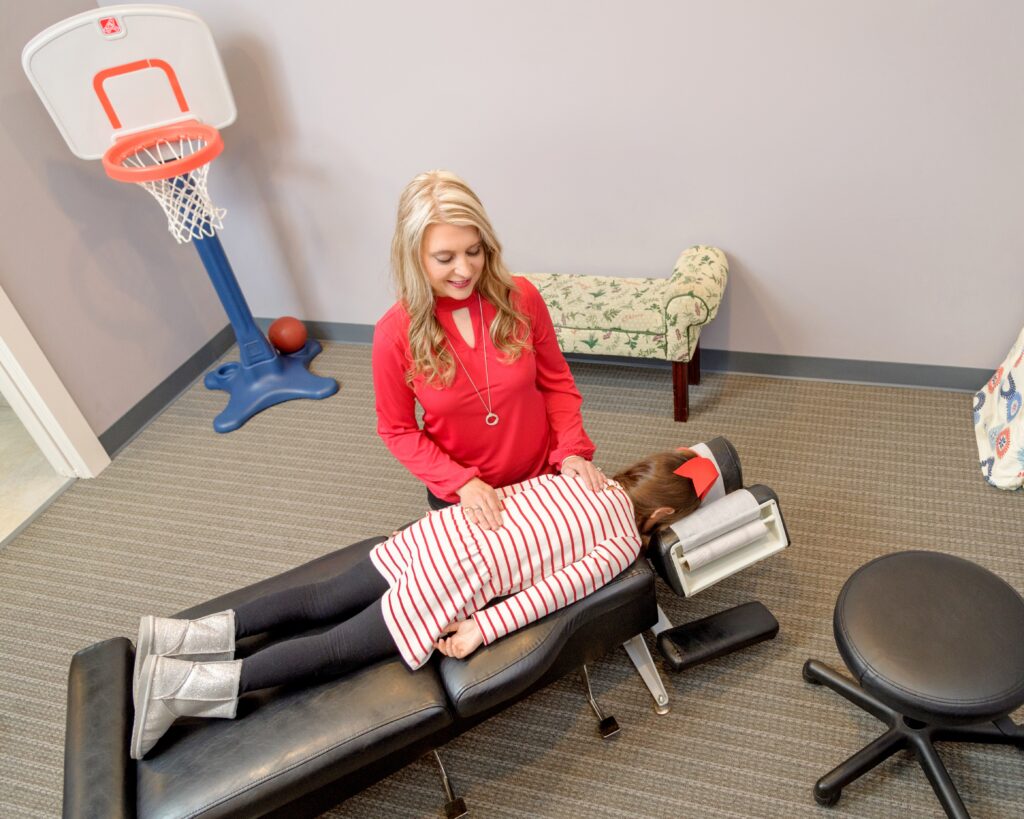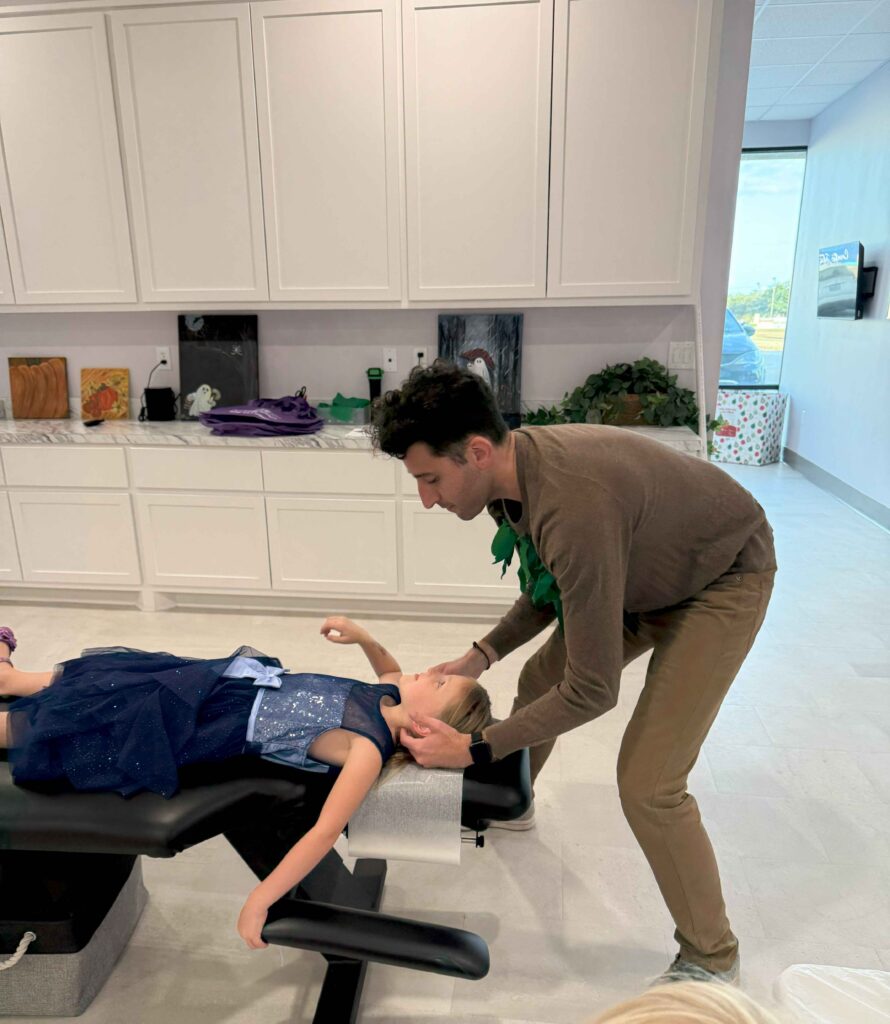

Personalized care is essential for you because it recognizes that your health journey is uniquely yours. It goes beyond one-size-fits-all solutions, focusing on your specific needs and circumstances. This tailored approach not only improves your engagement with treatment but also builds trust with your healthcare providers. By prioritizing your individual health concerns, personalized care can empower you in ways you might not expect. So, what are the key benefits that can transform your healthcare experience and ultimately enhance your well-being?
Understanding Personalized Care
Personalized care is all about tailoring health services to meet your individual needs. It focuses on recognizing that each person's health journey is unique, shaped by various factors like genetics, lifestyle, and personal preferences. When you engage in personalized care, you're not just another patient; you're an individual with specific health concerns and goals.
Understanding personalized care means realizing that it goes beyond standard treatments. It involves a thorough assessment of your medical history, current health conditions, and even your emotional and social circumstances. Your healthcare team takes the time to listen to you, ensuring they understand your values and priorities. This collaborative approach empowers you to be an active participant in your health decisions.
In personalized care, the emphasis is on prevention and early intervention. By identifying potential health risks early, you can adopt strategies that cater to your specific circumstances. This might include customized exercise plans, dietary recommendations, or targeted medical therapies designed just for you.
Moreover, personalized care fosters stronger relationships with your healthcare providers. You'll find that when you feel heard and understood, it enhances your trust in the medical team. It also encourages ongoing communication, making it easier to adjust your care plan as your needs evolve.
Ultimately, understanding personalized care is about recognizing the importance of a tailored approach to your health, ensuring you receive the most effective and relevant care possible.
Benefits of Tailored Approaches
Tailored approaches to healthcare offer numerous advantages that enhance your overall well-being. When healthcare is personalized to your unique needs, you're more likely to receive effective treatments that resonate with your specific health conditions, lifestyle, and preferences. This means you're not just another number in a system; you're an individual whose concerns are understood and addressed.
One of the main benefits is improved health outcomes. With tailored care, your treatment plans are designed to suit your body's responses and preferences, leading to better results. You'll notice that when your healthcare provider considers your medical history, genetics, and even your daily routines, you're more engaged in your care. This engagement often translates into better adherence to treatment plans and healthier lifestyle choices.
Additionally, tailored approaches foster a stronger patient-provider relationship. When you feel understood and valued, you're more likely to communicate openly about your symptoms and concerns. This trust allows for more accurate diagnoses and personalized recommendations, further enhancing your care.
Lastly, tailored healthcare can boost your overall satisfaction. You won't feel like you're just following generic advice; instead, your healthcare journey feels more relevant to your life. This tailored approach not only addresses your immediate health needs but also empowers you to take charge of your long-term health.
Personalized Care in Healthcare
The essence of personalized care in healthcare lies in its ability to transform the patient experience. When you enter a healthcare setting, you want to feel understood and valued, not just another number in the system. Personalized care focuses on your unique needs, preferences, and circumstances, ensuring that your treatment plan is tailored specifically for you.
Imagine visiting a doctor who takes the time to listen to your concerns and understands your medical history. They consider not only your symptoms but also your lifestyle, values, and goals. This approach leads to more effective treatments and higher satisfaction levels. You're more likely to engage in your care when you see that your healthcare team genuinely cares about you as an individual.
Moreover, personalized care promotes better communication between you and your providers. By fostering an open dialogue, you can voice your questions and concerns, leading to a better understanding of your health situation. You'll feel empowered to make informed decisions about your care, which can greatly impact your overall well-being.
Incorporating technology also enhances personalized care. With tools like telehealth, wearable devices, and patient portals, you can access your health information conveniently and share data with your providers in real time. This integration not only streamlines your care but also allows for more proactive management of your health.
Ultimately, personalized care in healthcare isn't just about treating illness; it's about fostering a partnership that prioritizes your health and happiness.
Impact on Customer Experience
Customer experience in healthcare greatly improves when personalized care is prioritized. When you feel like your unique needs and preferences are recognized, it enhances your overall satisfaction. Personalized care allows healthcare providers to tailor their services to fit your specific situation, making you feel valued and understood. This approach leads to more meaningful interactions, where you can openly discuss your concerns and goals.
Imagine walking into a healthcare facility where the staff already knows your name and relevant history. They've taken the time to learn about your preferences, making your visits smoother and less stressful. This level of personalization not only builds trust but also fosters a collaborative relationship between you and your healthcare team.
Moreover, when care is personalized, it often results in better health outcomes. You're more likely to engage in your treatment plan when it reflects your values and lifestyle. Feeling involved in your health decisions can lead to increased compliance and a stronger commitment to following through with recommendations.
Additionally, personalized care can minimize the feeling of being just another patient in a long line of appointments. This individualized attention can greatly reduce anxiety and improve your overall experience, resulting in positive word-of-mouth and loyalty to the healthcare provider.
Enhancing Educational Outcomes
Personalized care not only elevates the patient experience but also markedly enhances educational outcomes in healthcare settings. When you tailor education to your unique needs and circumstances, you're more likely to engage with the material and retain critical information. This approach fosters a deeper understanding of your health conditions, treatment options, and self-management strategies.
By focusing on your individual learning style, preferences, and pace, healthcare providers can create an environment where you feel empowered. You're not just a passive recipient of information; instead, you become an active participant in your education. This can lead to improved health literacy, enabling you to make informed decisions about your care.
Moreover, personalized education encourages you to ask questions and seek clarity. When healthcare providers address your specific concerns and interests, they can break down complex medical concepts into easily digestible pieces. This targeted teaching method helps you grasp essential ideas and apply them in real-world situations.
In addition, when educational materials are customized to reflect your cultural background and personal experiences, you're more likely to resonate with the content. This relevance increases your motivation to learn and implement lifestyle changes that promote better health outcomes.
Ultimately, personalized care creates a supportive learning atmosphere that drives engagement, fosters comprehension, and enhances your overall educational journey in healthcare. By prioritizing your unique needs, healthcare providers can guarantee you receive the knowledge and skills necessary to manage your health effectively.
Building Stronger Relationships
When healthcare providers prioritize personalized education, they lay the groundwork for building stronger relationships with patients. You deserve to feel valued and understood, and personalized care fosters an environment where your unique experiences and needs are recognized. This approach creates a sense of trust, making it easier for you to communicate openly about your health concerns.
When providers take the time to listen and tailor their communication to your preferences, it enhances your engagement in the healthcare process. You're more likely to ask questions and express concerns, which leads to better health outcomes. This two-way communication helps providers understand your perspective, allowing them to offer more relevant advice and recommendations.
Moreover, when you feel that your healthcare team genuinely cares about you as an individual, it can greatly impact your overall experience. A strong relationship with your provider means that you're not just another patient; you're a partner in your care. This partnership encourages you to take an active role in managing your health, making informed decisions that align with your personal values.
Building stronger relationships also means that providers can recognize your emotional and psychological needs. Feeling supported can make a considerable difference in managing chronic conditions or steering through difficult health journeys.
When you trust your healthcare provider, you're more likely to adhere to treatment plans, attend follow-up appointments, and seek care when needed, ultimately leading to a healthier, happier you.
Addressing Individual Needs
To provide the best care, you need to recognize your unique health requirements.
By creating tailored treatment plans, you can guarantee that your specific needs are met.
Plus, enhanced communication strategies will help you express your concerns and preferences more effectively.
Unique Health Requirements
In today's diverse healthcare landscape, recognizing and addressing unique health requirements is essential for effective treatment. Your health is influenced by a variety of factors, including genetics, lifestyle, and personal history. These elements shape your individual needs, making a one-size-fits-all approach ineffective.
When healthcare professionals take the time to understand your specific circumstances, they can better identify potential risks and tailor their recommendations accordingly.
It's vital to communicate openly with your healthcare provider about your concerns, symptoms, and preferences. This dialogue helps them grasp the nuances of your situation, allowing for a more accurate assessment.
For example, if you have a family history of certain conditions, your provider can monitor for those issues more closely. Similarly, if you're managing chronic conditions, understanding how they interact with your overall health can lead to more informed decisions about your care.
Ultimately, personalized care means acknowledging that you're not just another patient but an individual with unique health requirements. By prioritizing your specific needs, you empower yourself and your healthcare team to create a partnership that fosters better health outcomes and enhances your overall well-being.
Tailored Treatment Plans
Recognizing your unique health requirements sets the stage for developing tailored treatment plans that address your individual needs. These plans are designed specifically for you, taking into account your medical history, lifestyle, and personal preferences. Instead of a one-size-fits-all approach, tailored treatment plans guarantee that each aspect of your care is relevant and effective.
When creating your plan, healthcare providers assess various factors, such as your current health status, potential risks, and goals. This collaborative process empowers you to take an active role in your health journey. You can voice your concerns and preferences, allowing providers to craft solutions that resonate with you.
Tailored treatment plans may include personalized medications, specialized therapies, and lifestyle modifications aimed at optimizing your well-being. They focus on what works best for you, maximizing the chances of successful outcomes.
Regular follow-ups and adjustments to your plan are essential, ensuring it evolves as your needs change over time. Ultimately, tailored treatment plans not only enhance your health but also foster a deeper connection between you and your healthcare team, making your journey towards better health a more supportive and effective experience.
Enhanced Communication Strategies
Effective communication is essential in healthcare, and employing enhanced strategies guarantees your individual needs are met. When you engage with healthcare providers, clear and open dialogue helps them understand your unique situation, preferences, and concerns. This isn't just about medical jargon; it's about creating a comfortable environment where you feel heard.
Consider using active listening techniques during your appointments. Repeat back what you've heard to confirm understanding, and don't hesitate to ask questions if something isn't clear. This not only helps you grasp your treatment options but also signals to your provider that you're actively involved in your care.
Utilizing digital tools can further enhance communication. Patient portals allow you to access your medical records, lab results, and educational materials at your convenience. This empowers you to stay informed and engaged.
Lastly, don't underestimate the power of feedback. Share your thoughts on the communication style that works best for you. Whether it's face-to-face meetings, phone calls, or emails, expressing your preferences can lead to better interactions and a stronger patient-provider relationship.
Fostering Emotional Well-being
To foster emotional well-being, you need to build trusting relationships with those you care for.
When individuals feel supported and understood, their emotional needs are more easily met.
Building Trusting Relationships
In today's fast-paced world, building trusting relationships is essential for fostering emotional well-being. You're more likely to thrive when you surround yourself with people who genuinely care about you. Trust isn't built overnight; it requires consistent communication, honesty, and vulnerability. When you share your thoughts and feelings openly, you invite others to do the same, creating a safe emotional space.
Consider how supportive relationships can help you navigate life's challenges. When you face difficulties, knowing you have someone to turn to can provide immense relief. Trust deepens as you experience each other's ups and downs, reinforcing the bond that makes you feel secure and valued.
To nurture these relationships, actively listen and show empathy. Acknowledge others' feelings and offer your support without judgment. When you invest time and energy in understanding each other, you cultivate a sense of belonging that enhances your emotional health.
Enhancing Individual Support
Enhancing individual support is essential for fostering emotional well-being, as it empowers you to recognize and address your unique needs. By focusing on your specific circumstances, you can better articulate your feelings and challenges, allowing for tailored strategies that resonate with you.
To enhance individual support, you should actively engage in open conversations with those around you—friends, family, or professionals. Sharing your thoughts and emotions creates an environment where you feel heard and valued. This dialogue not only strengthens your support network but also fosters deeper connections that can alleviate feelings of isolation.
Additionally, consider practices like journaling or mindfulness, which can help you reflect on your emotional state. These techniques encourage self-awareness and promote a deeper understanding of your feelings, enabling you to seek help when necessary.
Implementing Personalized Strategies
Personalized strategies can transform the way care is delivered, ensuring that each individual's unique needs are met effectively. To implement these strategies, you'll need to start with a thorough assessment of your preferences, values, and specific health needs. This assessment isn't just about collecting data; it's about understanding what matters most to you.
Once you've identified your needs, collaborate with your healthcare team to develop a tailored plan. This plan should incorporate interventions that resonate with your lifestyle, such as dietary adjustments, exercise recommendations, or mental health support. It's vital that your care isn't just clinically sound but also aligns with your daily routines and personal goals.
Next, communication plays an important role in successful implementation. Share your thoughts and concerns openly with your healthcare providers. Regular check-ins can help adjust your personalized strategies as needed, ensuring they remain relevant and effective. Don't hesitate to ask questions or seek clarification—this is your care journey, and your voice matters.
Furthermore, consider leveraging technology to enhance your personalized care. Many apps and devices can track your progress, remind you of medications, or even connect you with support groups. This technology can empower you, making it easier to stay engaged and motivated.
Conclusion
To summarize, personalized care is essential for your health journey. By focusing on your unique needs and preferences, it not only boosts your engagement but also strengthens your relationship with healthcare providers. This tailored approach leads to better health outcomes and supports your emotional well-being. Embracing personalized strategies empowers you to take charge of your health, ensuring you receive the care that truly resonates with you. Prioritize your individuality—it's key to thriving in your health journey!