
Good posture is vital for your overall health, yet many people underestimate its significance. You might be surprised to learn how simple adjustments can alleviate discomfort and enhance your well-being. By concentrating on your body’s alignment, incorporating gentle stretches, and optimizing your workspace, you can experience remarkable improvements.
As a chiropractor, I believe that proper posture is fundamental to maintaining a healthy spine and preventing pain. Consider these effective strategies to enhance your posture and relieve discomfort naturally:
- Mind Your Alignment: Whether sitting or standing, always be aware of your body alignment. Keep your shoulders back, chin tucked, and ears aligned with your shoulders. This helps maintain the natural curves of your spine.
- Take Frequent Breaks: If you sit for long periods, make sure to take short breaks every hour. Stand up, stretch, and walk around to promote circulation and reduce stiffness.
- Incorporate Stretching: Simple stretches can work wonders for your posture. Try neck stretches, shoulder rolls, and back extensions to relieve tension and improve flexibility.
- Optimize Your Workspace: Ensure your desk and chair are set up ergonomically. Your computer screen should be at eye level, and your chair should support your lower back. A supportive chair encourages better posture and reduces strain.
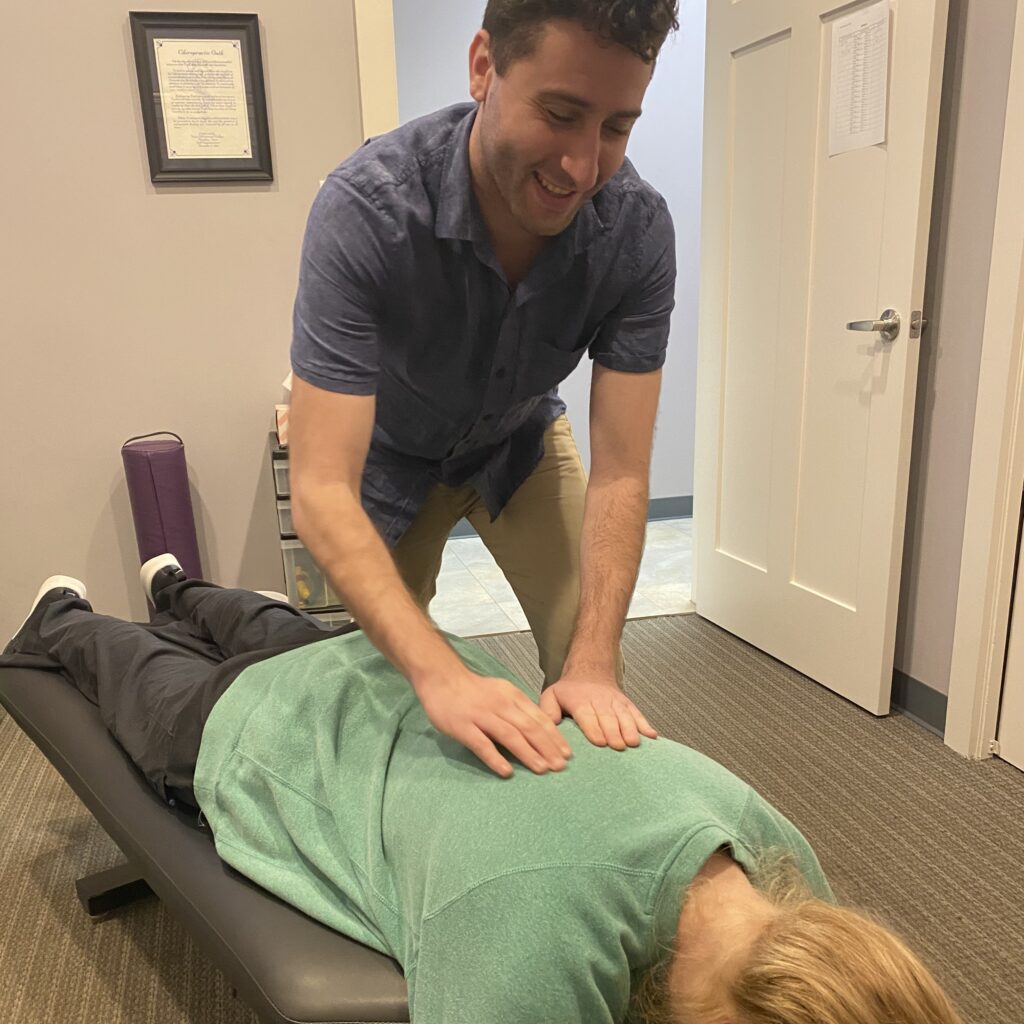
- Visit Your Chiropractor: Regular chiropractic adjustments can help maintain your spinal alignment and address any musculoskeletal issues. This natural approach promotes healing and enhances your overall health.
By implementing these strategies into your daily routine, you can significantly improve your posture and alleviate pain. Remember, chiropractic care is a powerful ally in achieving optimal health and wellness. Take charge of your well-being today and feel the difference!
Key Takeaways
- To promote optimal spinal health, it’s important to maintain good posture. Keep your shoulders back and your chin parallel to the ground. This simple adjustment can make a big difference in how your spine feels throughout the day.
- Regular stretching is key to enhancing flexibility and reducing muscle strain. Incorporate easy neck stretches and hamstring stretches into your daily routine. Not only will this help relieve tension, but it’s a great way to support your body’s natural alignment.
- Take a look at your workspace setup. Ensure your chair height and computer screen are positioned to encourage proper posture. A comfortable and ergonomically sound environment can help prevent discomfort during long periods of sitting.
- Daily movement is essential for spinal health. Engage in brief walks or try gentle yoga to help alleviate muscle tension. These simple activities can significantly support your spine and overall well-being.
- Regular chiropractic care can be a game-changer for your health. Personalized assessments and adjustments not only improve your posture but can also alleviate pain effectively. By focusing on natural healing methods, chiropractic care helps you achieve and maintain optimal health without the need for medications or surgeries.
Remember, taking small steps toward better posture and regular movement can lead to significant improvements in your overall health and wellness.
Understanding the Importance of Good Posture
Good posture isn’t just about looking confident; it’s a vital component of your overall health and well-being. When your spine is properly aligned, it reduces strain on your muscles and joints, helping to prevent pain and discomfort.
If you find yourself slouching or hunching over, you may experience tightness in your back and neck, along with issues related to breathing and digestion. By focusing on standing tall and sitting upright, you not only enhance your physical appearance but also support your body’s natural functions.
Maintaining good posture allows your muscles to work more efficiently, which means you can move with greater ease and experience less fatigue throughout the day. Interestingly, good posture can even uplift your mood and energize you.
As you become more mindful of your posture, you’ll see how it positively impacts your daily activities.
Here are some simple tips to help you improve your posture:
- Keep Shoulders Back: Make a conscious effort to pull your shoulders back. This simple adjustment can alleviate tension in your neck and upper back.
- Align Your Chin: Keep your chin parallel to the ground. This helps maintain the natural curve of your neck and spine.
- Strengthen Core Muscles: Engage in exercises that strengthen your core. A strong core supports your spine and promotes better posture.
- Take Breaks: If you sit for long periods, remember to take breaks to stretch and adjust your posture. This can prevent stiffness and discomfort.
- Chiropractic Care: Regular visits to a chiropractor can help ensure that your spine remains aligned, enhancing your overall health and reducing pain. Chiropractic adjustments are a natural way to support your body’s ability to heal itself.
Investing in your posture is truly investing in your health. By making these small adjustments and considering chiropractic care, you can achieve optimal wellness and enjoy a more vibrant life.
Simple Stretching Exercises for Improved Flexibility
To enhance your flexibility and overall well-being, incorporating simple stretching exercises into your daily routine can be incredibly beneficial. As a chiropractor, I often emphasize the importance of maintaining a healthy spine and muscle balance.
These stretches not only target specific muscle groups but also contribute to better posture and improved mobility, which are vital for your overall health.
Let’s take a look at some effective stretches that you can easily integrate into your day. Remember, these exercises can complement your chiropractic care, helping to relieve tension and promote natural healing.
- Neck Stretch: Gently tilt your head to one side, bringing your ear towards your shoulder. Hold for 15-30 seconds and repeat on the other side. This stretch can help alleviate neck tension, which is common for those who spend long hours at a desk.
- Shoulder Rolls: Roll your shoulders forward in a circular motion for 10 repetitions, then reverse the direction. This exercise can help release tightness in the shoulders, promoting better alignment and reducing discomfort.
- Cat-Cow Stretch: Start on your hands and knees. Inhale as you arch your back (Cow), and exhale as you round your spine (Cat). Repeat this for 5-10 cycles. This stretch helps to improve spine flexibility and can be particularly soothing for those with back pain.
- Hamstring Stretch: While seated, extend one leg out and reach towards your toes, keeping your back straight. Hold for 15-30 seconds and switch sides. Stretching the hamstrings can alleviate lower back strain and improve your overall range of motion.
- Child’s Pose: Kneel on the floor, sit back on your heels, and stretch your arms forward on the ground. Hold this position for 30 seconds. This gentle stretch relaxes the spine and promotes deep breathing, enhancing your mind-body connection.
General Tips:
- Always listen to your body and avoid pushing into pain while stretching.
- Consistency is key; aim to stretch daily for the best results.
- Consider pairing your stretches with regular chiropractic visits to address any underlying structural issues and support your journey to optimal health.
Incorporating these simple stretches into your daily routine not only enhances flexibility but also supports your spinal health.
Essential Stretching Techniques
Stretching is an important part of maintaining a healthy spine and enhancing your overall well-being. As a chiropractor, I encourage you to incorporate various stretching techniques into your daily routine to not only improve flexibility but also support better posture.
Start with gentle neck stretches. Simply tilt your head to each side and hold for 15-30 seconds. This helps relieve tension that can accumulate from daily activities.
For your shoulders, arm circles are a great way to loosen any tightness you may feel.
A classic hamstring stretch can also be beneficial. While seated, reach for your toes while keeping your back straight. This stretch not only targets the hamstrings but also promotes a healthy spine alignment.
To give your back some love, try the cat-cow stretch on all fours. This involves alternating between arching and rounding your spine, which can help enhance mobility and relieve discomfort.
Remember to breathe deeply throughout each stretch. Deep breathing aids in muscle relaxation and can increase the effectiveness of your stretching routine.
Consistency is key! Aim to stretch daily to reap the maximum benefits. Over time, you’ll likely notice improved flexibility, reduced pain, and better posture.
Incorporating chiropractic care into your wellness routine can further enhance these benefits. Regular adjustments help keep your spine aligned, which supports your overall health and can make your stretching efforts even more effective.
Together, stretching and chiropractic care can pave the way for a healthier, more vibrant you.
Daily Routine Integration
Integrating simple stretching exercises into your daily routine can greatly enhance your flexibility, posture, and overall well-being. As a chiropractor, I often see how these practices can make a significant difference in the way you feel, supporting your spine and promoting natural healing. By dedicating just a few minutes each day to these stretches, you can take an important step towards achieving optimal health without the need for medications or surgeries. Here are some easy exercises you can incorporate into your day:
| Time | Exercise | Duration |
|---|---|---|
| Morning | Neck Stretch | 30 seconds |
| Midday | Shoulder Roll | 30 seconds |
| Afternoon | Standing Quad Stretch | 30 seconds |
| Evening | Seated Hamstring Stretch | 30 seconds |
| Before Bed | Cat-Cow Pose | 1 minute |
These stretches not only improve flexibility but also help relieve tension that can lead to discomfort in your back and neck. By incorporating these simple movements into your routine, you can support your spinal health and maintain good posture throughout the day.
Targeted Muscle Groups
As you work on enhancing your flexibility, it’s essential to focus on specific muscle groups that not only improve your posture but also contribute to your overall comfort and well-being.
Simple stretching exercises can be a great way to relieve tension and enhance your movement. Here are three key muscle groups to pay attention to, along with how chiropractic care can support your flexibility journey:
- Hip Flexors: Stretching your hip flexors can significantly relieve lower back tension and improve hip mobility. Regular chiropractic adjustments can also help realign your spine, promoting better movement and reducing discomfort in this area.
- Chest and Shoulders: Opening up your chest and shoulders can counteract the forward hunch that many people develop from prolonged sitting. Chiropractic care focuses on spinal health, which can enhance posture and alleviate tightness in these muscle groups.
- Hamstrings: Keeping your hamstrings flexible is vital for proper pelvic alignment, which can help reduce strain on your lower back. Chiropractic techniques can further support this by ensuring that your spine and pelvis are correctly aligned, allowing for optimal function and movement.
Incorporating these stretches into your routine, combined with regular chiropractic visits, can lead to significant improvements in your flexibility and overall health.
Remember, flexibility isn’t just about stretching; it’s also about maintaining a healthy spine and nervous system, which chiropractic care excels at supporting.
Make these practices a part of your wellness journey, and experience the benefits of a more flexible, pain-free lifestyle!
Ergonomic Workspace Setup for Better Alignment
Creating an ergonomic workspace is a vital step toward achieving optimal health and well-being, especially when it comes to maintaining proper spinal alignment. As a chiropractor, I understand the importance of a comfortable and supportive work environment, particularly when you spend long hours at your desk.
Start by adjusting your chair so that your feet rest flat on the floor, with your knees bent at a 90-degree angle. This position helps to support your lower back, which is crucial for spinal health. Look for a chair that provides lumbar support to encourage the natural curve of your spine.
Next, ensure your desk is at elbow height. Your arms should hang comfortably at your sides, allowing your elbows to be at roughly a 90-degree angle when typing or using your mouse. This will help prevent strain on your shoulders and neck, which can lead to discomfort over time.
It’s essential to position your computer screen at eye level to avoid straining your neck. If needed, use a monitor stand to achieve this height. Keeping your screen at eye level helps maintain good posture and reduces the risk of developing tension headaches.
When it comes to your keyboard and mouse, keep them close enough that your wrists can remain straight while you work. Consider using a wrist rest for added support, which can help alleviate pressure on your wrists and prevent repetitive strain injuries.
Lastly, organizing your workspace is key. Keep frequently used items within arm’s reach to minimize unnecessary movements that can cause strain. This not only promotes a more efficient workflow but also supports your body’s natural alignment.
Remember, regular chiropractic care can be an excellent way to support your health as you adapt your workspace. Chiropractors focus on spinal health and can help alleviate discomfort caused by poor posture.
Strengthening Core Muscles to Support Your Spine
Strengthening your core muscles is crucial for supporting your spine and promoting better posture, which is essential for overall health and wellness. A strong core stabilizes your body, helping you maintain proper alignment during daily activities.
By incorporating core-strengthening exercises into your routine, you can enhance your posture and alleviate discomfort, all while complementing the benefits of chiropractic care.
Here are three simple yet effective exercises to target your core:
- Planks: Start by holding a plank position. This exercise engages your abdominal muscles and helps improve stability, which is beneficial for your spine.
- Leg Raises: Lying on your back, lift your legs while keeping your lower back pressed into the ground. This exercise strengthens your lower abs, contributing to overall core strength and support for your spine.
- Bridges: While lying on your back, elevate your hips off the ground, activating your glutes and lower back. This movement not only strengthens your core but also helps relieve tension in the lower back.
In addition to these exercises, remember to maintain good posture throughout your day. Keep your shoulders back, your head aligned with your spine, and take regular breaks to move around if you sit for extended periods.
As a chiropractor, I encourage you to consider chiropractic care as a natural and effective way to achieve optimal health. Regular adjustments can help align your spine, improve your posture, and enhance the effectiveness of your core-strengthening efforts.
Embrace these tips, stay active, and prioritize your spinal health for a happier, healthier life!
Mindfulness and Body Awareness Techniques
To enhance your posture and overall well-being, embracing mindfulness and body awareness techniques is an excellent approach. As a chiropractor, I believe that these practices can complement your journey to optimal health and natural healing.
Start by becoming more aware of your body throughout the day. Take a moment to check in with your posture; are you sitting or standing tall, or are you slouching? If you notice any slumping, make a conscious effort to adjust your posture.
Deep breathing exercises are another helpful tool; breathe in deeply through your nose, allowing your diaphragm to expand, and then exhale slowly. This simple practice not only promotes relaxation but also encourages better spinal alignment.
Incorporating activities like meditation or yoga can significantly boost your body awareness. These practices help you connect with both your body and mind, fostering a sense of balance and well-being. While engaging in these activities, focus on how different postures feel and make adjustments to support your spine’s health.
Lastly, use reminders such as sticky notes or phone alerts to prompt you to pause and check your posture regularly. By cultivating mindfulness, you’ll not only enhance your posture but also alleviate tension and discomfort.
This holistic approach leads to a healthier, more aware lifestyle, and when combined with chiropractic care, it can be a powerful way to achieve lasting pain relief and overall wellness. Remember, chiropractic care is a natural, effective option to support your journey to optimal health!
The Role of Proper Footwear in Posture
Proper footwear is crucial for maintaining good posture, and choosing the right shoes can significantly impact your body alignment and overall comfort. As a chiropractor, I often emphasize the connection between your feet, posture, and spinal health.
Wearing supportive shoes can help align your spine, reduce muscle strain, and promote a healthier you. Here are some straightforward tips to help you select the best footwear:
- Arch Support: Choose shoes with adequate arch support. This is vital to prevent issues like overpronation or supination, which can cause discomfort and misalignment. Look for shoes designed to support the natural curve of your foot.
- Cushioning: Good cushioning is essential. Shoes that absorb impact will reduce stress on your joints and allow your body to maintain better posture throughout the day. This can help prevent pain in your back and other areas.
- Heel Height: Be mindful of heel height. Select shoes with a moderate heel height; extremely high or flat shoes can disrupt your balance and posture. Aim for a heel that provides stability without compromising your alignment.
Remember, the foundation of your posture starts with your feet. By investing in proper footwear, you’re taking a positive step towards better spinal health and overall wellness.
If you’re experiencing pain or discomfort, consider visiting a chiropractor. We can provide personalized advice and treatment options to support your journey to optimal health!
Incorporating Movement Throughout the Day
Incorporating movement throughout your day is crucial for maintaining good posture and supporting your overall health. Engaging in simple activities can significantly alleviate strain on your muscles and joints, which is vital for spinal health. As a chiropractor, I encourage you to make it a habit to move every hour—just a brief walk or stretch can do wonders for your body and help prevent discomfort.
Here’s a quick guide to help you integrate movement into your daily routine and support your spinal health:
| Time of Day | Movement Activity | Duration |
|---|---|---|
| Morning | Gentle stretching routine to awaken your spine and muscles | 5-10 minutes |
| Afternoon | Short walk to promote circulation and reduce tension | 10 minutes |
| Evening | Yoga or Pilates to enhance flexibility and strengthen core muscles | 20-30 minutes |
Utilizing Posture Correcting Tools and Devices
When it comes to improving your posture, posture correcting tools and devices can be quite beneficial. However, as a chiropractor, I believe the best path to achieving optimal health and posture is through chiropractic care. While these tools may offer some support, they should complement, not replace, the foundational benefits of spinal health that chiropractic provides.
In my practice, I see many patients who struggle with poor posture due to lifestyle factors, such as long hours at a desk or improper ergonomic setups. Chiropractic adjustments can help realign the spine, relieve tension, and promote better posture naturally. This holistic approach not only addresses existing discomfort but also supports your body in maintaining a healthy alignment over time.
If you’re considering posture correcting tools, remember that they should serve as an aid, not a crutch. Here are some general tips to help you improve your posture and overall well-being:
- Stay Active: Regular physical activity strengthens the muscles that support your spine. Incorporate exercises that focus on your core and back muscles.
- Mind Your Workspace: Ensure your chair, desk, and computer are set up ergonomically. Your screen should be at eye level, and your chair should support your lower back.
- Take Breaks: If you’re sitting for long periods, take short breaks to stand, stretch, and move around. This helps prevent stiffness and promotes better posture.
- Practice Awareness: Be mindful of your posture throughout the day. Simple reminders to sit up straight or align your shoulders can make a big difference.
- Consult with a Chiropractor: Regular chiropractic visits can help keep your spine healthy and address any posture-related concerns. We can create a personalized plan tailored to your specific needs.
Types of Posture Devices
As a local chiropractor, I understand the importance of maintaining proper posture for overall health and wellness. Finding the right posture device can significantly enhance your daily comfort and spinal alignment.
However, it’s essential to remember that while these devices can be helpful, chiropractic care remains the most effective way to achieve optimal health and natural healing. Here are three common types of posture devices you might consider, along with some tips for integrating them into your daily routine:
- Posture Corrector Braces: These wearable devices gently pull your shoulders back, promoting better spinal alignment. While they can offer temporary support, regular chiropractic adjustments can address underlying issues and help maintain long-term posture correction.
- Posture Cushions: Designed for chairs, these cushions encourage a neutral spine position and reduce slouching while sitting. Pairing the use of a cushion with chiropractic care can enhance your comfort and ensure your spine remains healthy.
- Ergonomic Supports: Back supports or lumbar rolls can provide extra support where you need it most, especially in an office setting. However, it’s important to remember that addressing the root cause of discomfort with a chiropractor can lead to lasting relief and improved posture.
Incorporating these devices into your lifestyle can be beneficial, but they should complement regular chiropractic care rather than replace it.
Here are some general tips to help you maintain good posture daily:
- Stay Active: Regular movement helps keep your spine flexible and healthy. Consider incorporating stretches and exercises tailored to your needs.
- Mind Your Sitting Habits: Be conscious of your posture while sitting. Keep your feet flat on the floor, and adjust your chair height so your knees are at a right angle.
- Take Breaks: If you sit for long periods, stand up, stretch, and move around every hour. This helps relieve tension and promotes better circulation.
By focusing on these practices and consulting with a chiropractor, you can achieve a healthier spine and overall well-being naturally.
Benefits of Correctors
As a local chiropractor, I want to share the many benefits of posture correctors and how they can enhance your daily comfort and overall health. These supportive tools are designed to help you maintain proper spinal alignment, which is essential for reducing strain on your muscles and joints.
By gently guiding you to sit or stand with better posture, posture correctors can alleviate discomfort and help prevent pain from becoming a chronic issue.
When you adopt better posture, you may notice that your breathing improves and you feel more energized throughout the day. A well-aligned spine allows your body to function optimally, enhancing your overall vitality.
Additionally, good posture can significantly boost your confidence, as it often enhances your appearance and makes you feel more self-assured in social situations.
While posture correctors can be useful, it’s important to remember that they work best in conjunction with chiropractic care. Regular visits to your chiropractor can help address underlying issues, ensure your spine is properly aligned, and teach you exercises to strengthen the muscles that support good posture.
Over time, consistent chiropractic care and the use of posture correctors can help you develop healthier habits that lead to lasting improvements in your well-being.
Incorporating simple tips into your daily routine can also make a big difference. For instance, take frequent breaks from prolonged sitting, practice stretching exercises, and be mindful of your posture throughout the day.
These small changes can greatly enhance your comfort and support your journey towards optimal health.
Choosing the Right Tool
Posture correctors come in various forms, and as your local chiropractor, I want to help you choose the right tool for your specific needs. It’s essential to support your spine properly, whether you’re looking for something to wear throughout the day or just during workouts.
Here are a few important factors to consider when selecting your posture corrector, along with some tips to promote better spinal health:
- Comfort: Make sure the posture corrector fits well and doesn’t cause discomfort during use. A comfortable fit is vital for encouraging good posture without adding stress to your spine.
- Adjustability: Look for a tool that can be easily adjusted to accommodate your body shape and size. This ensures that you can find the perfect fit, allowing for effective support while maintaining your natural movement.
- Purpose: Consider whether you need it for daily wear, exercise, or specific activities. Remember, while a posture corrector can be helpful, it’s also important to engage in regular chiropractic care to address any underlying spinal issues and enhance your overall well-being.
Incorporating these tools into your routine can be beneficial, but they should complement your chiropractic care, not replace it. Regular visits to your chiropractor can help you achieve optimal health through natural healing methods, ensuring that your spine is aligned and functioning properly.
In addition, here are some general tips to improve your posture and spinal health:
- Stay Active: Regular movement strengthens your muscles and supports your spine.
- Mind Your Ergonomics: Adjust your workspace to promote good posture. Ensure your chair and computer screen are at the right height.
- Practice Good Posture: Be mindful of your posture throughout the day. Standing tall and sitting up straight can make a big difference.
- Stretch Regularly: Incorporate stretching into your daily routine to relieve tension and improve flexibility in your spine.
The Benefits of Professional Guidance and Therapy
While many people try to improve their posture on their own, seeking the expertise of a chiropractor can significantly boost your results. Chiropractors specialize in understanding the spine and how it affects overall health, enabling them to assess your unique posture issues and provide tailored strategies just for you.
We can identify any muscle imbalances or weaknesses that you mightn’t even notice, ensuring a well-rounded approach to improving your posture.
During chiropractic sessions, you can expect hands-on techniques that realign your spine, personalized exercises that strengthen your core, and corrective adjustments that make a real difference. You’ll not only learn effective exercises, but you’ll also gain valuable insights into how your body moves and how to maintain proper ergonomics in your daily life.
Having a chiropractor by your side keeps you accountable and motivated, making it easier to stick to your posture improvement plan. Our support helps you stay focused on your goals, ultimately leading to better long-term outcomes.
By investing in chiropractic care, you’re choosing a natural path to achieving and maintaining better posture and overall wellness.
Conclusion
Improving your posture is not just about appearance; it’s essential for your overall health and comfort. As a chiropractor, I want to emphasize that proper spinal alignment can significantly enhance your well-being and help alleviate pain. By engaging in regular stretching exercises and strengthening your core, you can support your spine and promote a healthier posture.
Start by being mindful of your body throughout the day. Simple adjustments, such as adjusting your workspace to encourage better posture, can make a big difference. Ensure your chair supports your lower back, and keep your monitor at eye level to reduce neck strain. Choosing supportive footwear is also crucial; it can help maintain proper alignment as you go about your daily activities.
Consider integrating posture-correcting tools like ergonomic chairs or lumbar rolls, which can provide additional support. However, the best approach to achieving optimal health and pain relief is through chiropractic care. A chiropractor can offer tailored adjustments to help align your spine and address any misalignments that may be causing discomfort.
Remember, your health is a journey, and staying proactive about your posture can lead to significant improvements in your quality of life. By following these tips and seeking chiropractic care, you’ll not only alleviate pain but also enhance your overall wellness, ensuring you feel your best every day.