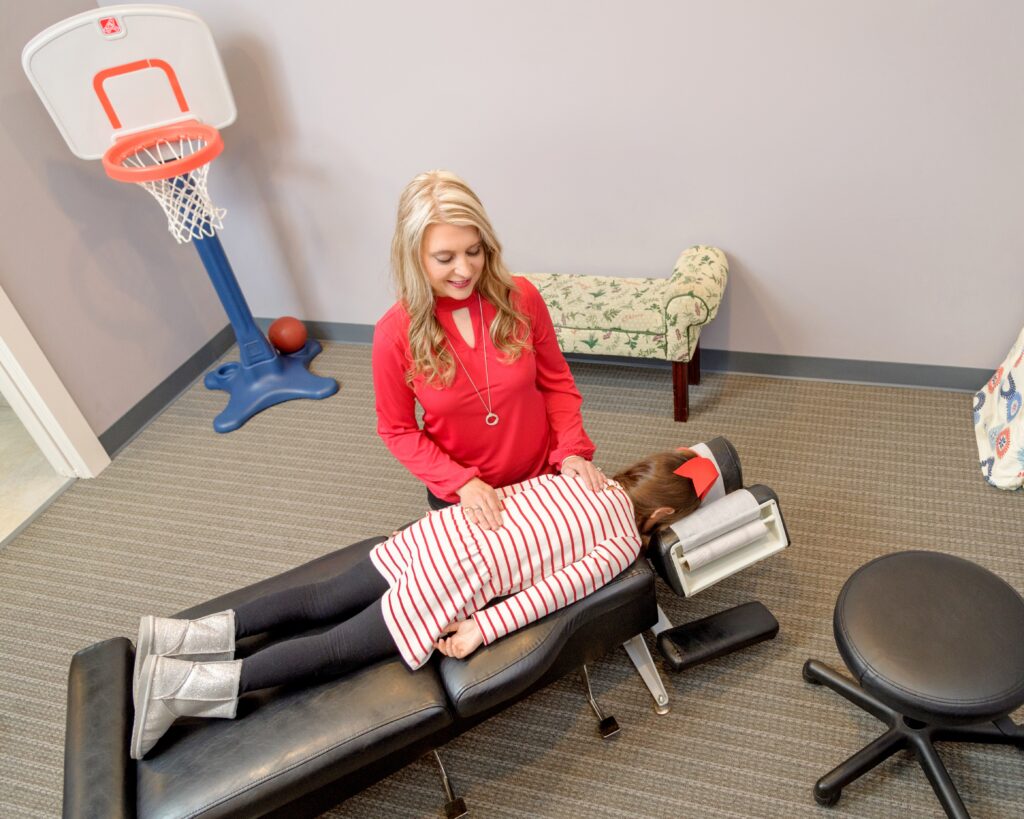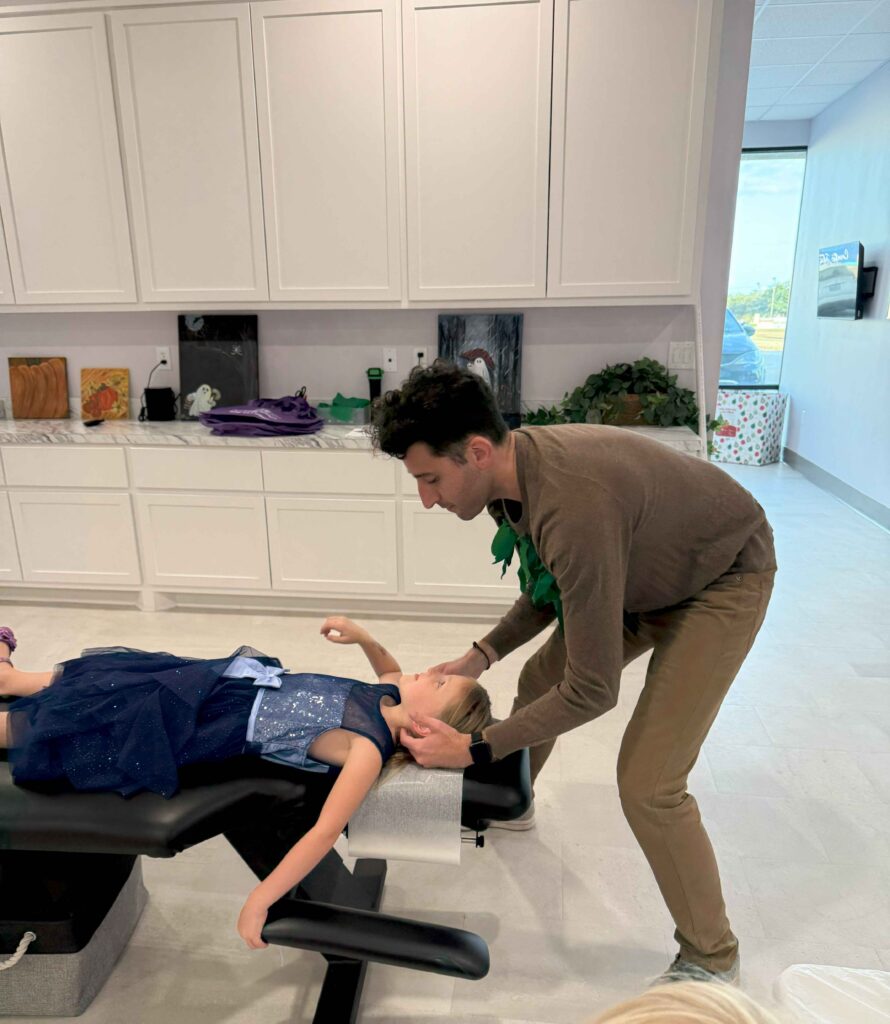

If you’re experiencing lower back pain, it’s important to understand that there are effective techniques for finding relief. As a local chiropractor, I want to highlight the significance of proper posture, stretching, and mindful movement in your healing journey. Implementing these practices can lead to noticeable improvement in just 30 days. Unlike temporary solutions, these approaches aim to address the underlying causes of your discomfort.
So, how can you start incorporating these strategies into your daily life? Here are some essential steps you can take to promote lasting relief from lower back pain. By prioritizing your spinal health and embracing natural healing methods, you can reclaim your comfort and well-being. Let’s work together to find the best path for your recovery.
Understanding Lower Back Pain
As a local chiropractor, I want to help you understand lower back pain and its impact on your daily life. Many people describe this pain as a heavy weight pressing down, making even the simplest tasks seem challenging. You may experience a range of sensations, from sharp and throbbing to dull aches, all of which can disrupt your routine.
Lower back pain can arise from various sources, including muscle strain, herniated discs, or improper lifting techniques. It’s crucial to pay attention to how your body responds to different movements. Over time, if left unaddressed, this pain can lead to muscle weakness or stiffness, which can further complicate your situation.
You might notice that your discomfort intensifies after prolonged periods of sitting or while engaging in physical activities. By recognizing these patterns, you can identify your pain triggers, which is the first step in finding solutions.
Moreover, it’s important to understand how your lifestyle and stress levels can contribute to your lower back pain. Taking control of these factors can empower you to make positive changes. By being aware of the root causes of your discomfort, you can start taking proactive steps towards relief and enhancing your overall well-being.
Chiropractic care focuses on natural healing and aims to restore balance to your body. Through gentle adjustments and personalized treatment plans, we can work together to alleviate your pain and help you regain your quality of life.
Importance of Proper Posture
As your local chiropractor, I want to emphasize the significant impact your posture has on your overall back health. Many people are unaware that poor posture can lead to discomfort and pain in the long run.
However, by adopting proper sitting and standing techniques, you can greatly reduce strain on your lower back and promote healing.
Let’s take a moment to explore some simple yet effective ways to improve your posture. By making these adjustments, you can’t only alleviate pain but also enhance your overall well-being.
Effects of Poor Posture
As a local chiropractor, I want to emphasize the importance of posture for your overall spinal health and its significant impact on your experience with lower back pain. Many people underestimate how crucial good posture is.
When we maintain poor posture—whether it’s slouching at a desk or leaning forward—we can develop muscle imbalances and put unnecessary strain on our spines. This overexertion of certain muscles can lead to chronic discomfort and fatigue.
Over time, poor posture can even cause structural changes to your spine, making it more vulnerable to injuries. You may also notice that it limits your mobility, making daily activities feel more difficult.
By being more aware of your posture, you can help alleviate tension, reduce pain, and promote better alignment. This not only contributes to a healthier spine but also enhances your overall well-being.
Correct Sitting Techniques
As a local chiropractor, I want to emphasize the importance of proper sitting techniques for your overall spinal health and to help prevent lower back pain.
When you sit, it’s crucial to maintain a straight back and relaxed shoulders. Your feet should be flat on the floor or on a footrest, with your knees bent at a right angle. Consider using a chair that provides support for your lower back; if you find your chair lacking, a cushion can be a helpful addition.
It’s also vital to position your screen at eye level. This will help you avoid unnecessary strain on your neck and back.
If you spend long periods sitting, I recommend taking breaks every hour to stand up and stretch. This simple practice can effectively relieve tension and improve circulation throughout your body.
By prioritizing proper posture while sitting, you can alleviate discomfort and enhance your overall well-being.
Standing Posture Tips
As a local chiropractor, I want to emphasize the importance of good standing posture, not only for projecting confidence but also for preserving your spinal health.
When you’re standing, aim to keep your feet about shoulder-width apart and distribute your weight evenly across both legs. Engaging your core muscles is crucial; this helps provide support for your lower back and prevents strain. Avoid locking your knees, as this can lead to discomfort over time.
It’s also essential to keep your shoulders relaxed and pulled back, creating an open space for your chest. This alignment allows your head to sit comfortably over your spine, with your ears aligned over your shoulders, which helps prevent any tendency to slouch.
If you’re on your feet for extended periods, remember to shift your weight occasionally to stave off fatigue. If possible, consider using a footrest to alternate your foot positions.
Stretching Exercises for Relief
As a chiropractor, I want to emphasize the importance of stretching exercises in managing and alleviating lower back pain. These exercises aren’t just about flexibility; they also play a vital role in strengthening the muscles that support your spine.
By incorporating simple stretches into your daily routine, you can experience substantial improvements in your overall well-being. Not only will you relieve tension, but you’ll also enhance your mobility.
Let’s explore some of the emotional benefits that come with regular stretching:
- Feel more relaxed as you release accumulated tension in your body.
- Enjoy participating in daily activities without the burden of discomfort.
- Regain confidence in your body’s ability to move freely and comfortably.
- Experience a sense of accomplishment as you notice your progress over time.
I recommend starting with gentle stretches, such as the cat-cow stretch or the child’s pose. Aim to hold each stretch for 20-30 seconds while focusing on your breath.
Remember, consistency is crucial—try to make stretching a part of your daily routine. By establishing this habit, you’re taking a significant step toward a more comfortable and pain-free life.
If you have any questions about how chiropractic care can complement your stretching routine or help with your specific pain issues, don’t hesitate to reach out. Your journey to relief and better health is important, and I’m here to support you every step of the way.
Strengthening Your Core
As a local chiropractor, I want to emphasize the importance of strengthening your core in addition to stretching, especially when it comes to managing lower back pain. A strong core serves as a stabilizing force for your spine, helping to evenly distribute weight and reduce strain on the lower back.
You can begin your journey with fundamental exercises such as planks, bridges, and abdominal crunches. These exercises engage various muscle groups, which not only help improve your posture but also provide essential support for your spine.
I recommend aiming for consistency in your routine; dedicating just 10 to 15 minutes each day can yield significant benefits. It’s crucial to focus on maintaining proper form to prevent injuries.
As your core strength develops, you can gradually introduce more advanced exercises like side planks or leg raises.
Integrating core-strengthening exercises into your daily routine can alleviate lower back pain and enhance your overall fitness. Remember, a robust core is the cornerstone of a healthy back, so prioritize it as part of your pain relief journey.
The Role of Heat Therapy
As a local chiropractor, I want to share with you the incredible benefits of heat therapy for alleviating lower back pain.
When used properly, heat therapy can significantly relax tight muscles and enhance blood circulation, offering you much-needed relief from discomfort.
It’s a natural and simple approach that can complement your chiropractic care.
Let’s delve into the advantages of heat therapy and discuss some effective techniques for its application, so you can fully experience the soothing effects it can bring to your recovery journey.
Benefits of Heat Therapy
As a local chiropractor, I want to share with you the powerful benefits of heat therapy for those experiencing lower back pain. Many of my patients have found that applying heat can provide remarkable relief by helping to relax tense muscles and enhance blood circulation.
It’s a straightforward and comforting technique that can significantly improve your overall well-being.
Here are some key benefits of incorporating heat into your routine:
- Soothe discomfort: Heat therapy can alleviate tension in your back, allowing for greater ease of movement and comfort throughout your day.
- Boost relaxation: After a long day, applying heat can help you unwind and reduce stress, promoting a soothing sense of calm.
- Enhance mobility: Increased blood flow from heat application can make everyday activities feel less daunting, improving your overall quality of life.
- Promote healing: By accelerating recovery from injuries or strains, heat therapy can be a valuable part of your healing journey.
I encourage you to consider heat therapy as a natural approach to managing your back pain and enhancing your daily activities.
If you have any questions or would like to explore this further, feel free to reach out!
Application Techniques and Tips
As your local chiropractor, I want to introduce you to the benefits of heat therapy and how to effectively incorporate it into your daily routine for optimal relief.
Begin by using a heating pad or a hot water bottle, applying it gently to your lower back for about 15-20 minutes. It’s important to ensure that the heat is warm, not scalding, to prevent any burns.
Another great option is soaking in a warm bath, which can help relax your muscles and alleviate pain. For enhanced effects, consider pairing heat therapy with gentle stretching or light exercise to further promote relaxation and flexibility.
I recommend repeating these sessions 2-3 times a day as needed, but always pay attention to how your body responds. If you start to feel any discomfort, it’s best to stop the treatment.
Additionally, remember to stay well-hydrated, since heat can sometimes lead to dehydration, which may counteract your pain relief efforts. By integrating these practices into your wellness routine, you can support your body’s natural healing processes more effectively.
Cold Therapy Techniques
As a local chiropractor, I want to share valuable insights about cold therapy techniques that can help alleviate lower back pain. Many of my patients have found these methods effective in reducing inflammation and numbing discomfort, and the best part is that you can easily implement them at home for immediate relief when you need it the most.
It’s important to remember that cold therapy is most beneficial during the first 48 hours after experiencing an injury or a flare-up of pain. Here are some practical methods you can consider:
- Ice Packs: One of the simplest methods is using ice packs. Wrap a bag of ice in a towel and apply it to your lower back for about 15-20 minutes. This can help reduce swelling and numb the pain.
- Cold Compresses: You can also use gel packs or even frozen vegetables as cold compresses. Just be sure to wrap them in a cloth to prevent direct contact with your skin, which can cause frostbite.
- Cold Baths or Showers: Immersing your lower back in cold water can be a soothing way to relieve aching muscles. If you’re comfortable, a cold shower can also do the trick.
- Cold Therapy Wraps: These specialized wraps provide consistent cooling and allow you to move around while receiving treatment, which can be particularly helpful for ongoing discomfort.
Incorporating these cold therapy techniques into your routine can be an excellent natural approach to managing lower back pain.
If you have any questions or would like to learn more about how chiropractic care can complement these methods, don’t hesitate to reach out!
The Benefits of Yoga
As a local chiropractor, I want to share with you the incredible benefits of yoga, especially for those struggling with lower back pain. Many people view yoga solely as an exercise routine, but it offers so much more, particularly when it comes to supporting spinal health.
Practicing yoga can significantly enhance your flexibility and strength, which are vital for stabilizing your spine and providing the necessary support to your back muscles. The gentle stretches and poses not only encourage proper alignment but also relieve tension and reduce discomfort in the lower back.
Moreover, yoga fosters relaxation and mindfulness, which can be instrumental in managing pain more effectively. The deep breathing techniques learned in yoga improve oxygen flow to your muscles, promoting better recovery and overall healing.
Additionally, a consistent yoga practice can lead to improvements in your posture, helping to alleviate further strain on your lower back.
Incorporating yoga into your wellness routine, alongside chiropractic care, can lead to enhanced results and a more holistic approach to healing your back pain. I encourage you to explore the synergy between these practices for optimal health and well-being.
Exploring Pilates for Back Pain
As a local chiropractor dedicated to helping patients achieve optimal health, I want to introduce you to an effective method for alleviating lower back pain: Pilates. This low-impact exercise approach focuses on core strength, flexibility, and proper alignment, making it an excellent option for those experiencing discomfort.
Incorporating Pilates into your routine can offer numerous benefits:
- Strengthening your core: A strong core provides vital support to your spine, which is essential for maintaining a healthy back.
- Improving posture: Well-aligned posture reduces the strain on your back during daily activities, helping to prevent pain.
- Enhancing flexibility: Increased flexibility allows for easier and more comfortable movement, reducing the risk of injury.
- Promoting relaxation: Pilates encourages mindfulness and relaxation, which can help alleviate tension that often contributes to discomfort.
By engaging in Pilates, you can take a proactive approach to managing your back pain and overall well-being.
With regular practice, many of my patients have reported significant improvements in their pain levels, allowing them to enjoy life with greater ease and comfort.
I encourage you to consider adding Pilates to your wellness routine—your back will truly appreciate it!
Ergonomic Adjustments at Work
As a local chiropractor, I want to share some important insights on how making ergonomic adjustments at your workplace can significantly alleviate lower back pain and improve your overall comfort during the day.
One of the first steps you can take is to ensure that your chair provides adequate support for your lower back. It’s essential that your feet rest flat on the floor to maintain proper posture.
Next, consider the height of your desk. Adjusting it so that your elbows are at a 90-degree angle while typing can help reduce strain on your back and neck. If you’re working at a computer, position your monitor at eye level to prevent unnecessary neck strain.
Remember, taking regular breaks is crucial! Try to stand up, stretch, and walk around at least once every hour to relieve built-up tension. You might also explore using a standing desk or a balance ball chair, which can promote better posture and engage your core muscles.
Additionally, keep frequently used items within easy reach on your desk. This simple adjustment can help minimize twisting and bending, which often contribute to discomfort.
Choosing the Right Mattress
As a local chiropractor, I want to emphasize the importance of a good mattress for alleviating lower back pain and promoting restorative sleep. Many of my patients are surprised to learn how much their mattress choice can impact their overall well-being.
When selecting a mattress, it’s crucial to prioritize both support and comfort, as the right one can significantly enhance your daily quality of life. Here are some essential factors to consider:
- Firmness: I often recommend a medium-firm mattress, as it tends to provide the ideal balance between support and comfort for most individuals.
- Material: Look for high-quality materials such as memory foam or latex. These materials contour to your body, providing support where you need it most and helping to maintain proper spinal alignment.
- Size: Ensure that the mattress is spacious enough for you to move freely without feeling confined. Adequate space can contribute to a more restful sleep.
- Trial Period: It’s beneficial to choose a mattress that offers a generous trial period. This allows you to truly assess its comfort and support before making a final decision.
Investing in a mattress that meets these criteria not only supports your back but also enhances your overall health and well-being.
A good night’s sleep can leave you feeling refreshed and ready to face the day, free from the nagging pain and discomfort that can affect your daily activities.
Footwear Matters: Supporting Your Back
As a local chiropractor, I want to emphasize the importance of your footwear when it comes to your back health. Many people may not realize that wearing the right shoes can significantly impact how your spine feels and functions.
Properly fitting shoes that provide adequate arch support can alleviate strain on your lower back, which is crucial for overall comfort and well-being.
When you have the right support, it helps to maintain proper alignment of your spine, reducing the risk of pain and discomfort.
I encourage you to pay attention to the shoes you wear daily. By choosing footwear that prioritizes your foot’s natural structure, you can take a proactive step toward enhancing your health.
Let’s work together to explore the best options for your individual needs, as this can be a key part of your journey to better back health.
Importance of Proper Fit
As a local chiropractor, I want to emphasize the importance of properly fitted footwear for your spinal health. Many people may not realize that wearing ill-fitting shoes can lead to misalignment and put unnecessary strain on your lower back.
It’s not just about comfort; poor footwear can lead to discomfort and potentially long-term issues that affect your overall well-being.
When you invest in the right shoes, you can experience significant improvements in your daily life:
- You’ll walk with confidence, free from that nagging pain that can hold you back.
- You can enjoy your favorite activities without the constant worry about your back.
- You’ll finish your day feeling energized instead of fatigued.
- You’ll regain your mobility and independence, allowing you to live life to the fullest.
Choosing the right fit is crucial for protecting your spine and enhancing your overall health. As you consider your footwear choices, remember that they play a vital role in your journey to wellness.
Arch Support Essentials
As a local chiropractor, I want to stress the importance of choosing the right footwear, as it plays a crucial role in your overall back health. Your feet serve as the foundation of your body, and the support they receive can greatly impact how your spine and back feel.
Proper arch support is vital because it helps distribute your weight evenly, reducing strain on your lower back.
When selecting shoes, prioritize those that offer sufficient cushioning and stability, especially if you find yourself on your feet for extended periods. If you have flat feet or high arches, I recommend considering custom orthotics tailored to provide the specific support you need.
Remember, the right footwear can alleviate discomfort and promote better posture, which is essential for relieving back pain.
Don’t overlook the significance of good arch support; it’s an integral factor in your journey toward a healthier back. By investing in your feet, you’re investing in long-term health benefits that can enhance your overall well-being.
Staying Hydrated for Muscle Health
As a local chiropractor, I want to emphasize the importance of staying hydrated for maintaining healthy muscles, particularly if you’re experiencing lower back pain. Proper hydration is crucial for muscle function, enabling them to work efficiently and recover more quickly.
When you’re not drinking enough water, your muscles can become stiff and more susceptible to injury, which can intensify your pain.
Here are a few key points to consider about hydration and muscle health:
- Boosts energy levels: Drinking enough water can help keep your energy levels up, making it easier for you to engage in activities that promote healing and wellness.
- Reduces muscle cramps: Sufficient water intake is essential for preventing painful cramps, which can worsen your discomfort.
- Enhances blood flow: Staying hydrated improves circulation, ensuring that vital nutrients reach your muscles effectively, which is essential for their function and recovery.
- Aids recovery: Adequate hydration can speed up the healing process, allowing you to return to your normal activities sooner and with less discomfort.
Remember, taking care of your hydration is just one of the many natural steps you can take to support your body’s healing and overall well-being.
If you have questions about how hydration or chiropractic care can help you, don’t hesitate to reach out!
Weight Management Strategies
As a local chiropractor, I want to emphasize how effectively managing your weight can significantly alleviate lower back pain. Carrying extra weight, particularly around your midsection, places additional strain on your back, which can lead to discomfort and pain.
To start, I recommend monitoring your daily caloric intake and opting for nutrient-rich foods such as fruits, vegetables, and lean proteins. These choices can help you feel satiated while supporting your weight loss efforts.
In addition, incorporating regular physical activity is crucial. Aim for at least 150 minutes of moderate exercise each week, balancing cardio with strength training. Activities like walking, swimming, or yoga not only help burn calories but also strengthen your core muscles, providing better support for your spine.
It’s also essential to set realistic weight loss goals. Losing just 5-10% of your body weight can lead to noticeable improvements in your pain levels.
Lastly, I encourage you to consult with a healthcare provider or a nutritionist for personalized guidance, ensuring you’re on the right path toward effective weight management and overall health.
The Impact of Stress on Pain
As your local chiropractor, I want to emphasize the profound connection between stress and pain, particularly when it comes to lower back discomfort.
While keeping a healthy weight is important for managing pain, stress can significantly influence how you experience discomfort in your body.
When you’re under stress, your body instinctively tenses up, which leads to increased muscle tightness and can amplify your pain.
You may have noticed that stressful days often coincide with flare-ups in your back pain. Understanding this relationship is crucial for effective pain management.
Let’s consider the various ways stress can affect you:
- You might feel overwhelmed, creating a cycle of pain and anxiety that can be hard to break.
- Stress might make it challenging to engage in activities that bring you joy, leading to feelings of isolation.
- Under stress, you may find it harder to maintain an exercise routine, which is essential for keeping your back healthy and reducing pain.
- Additionally, stress can disrupt your sleep patterns, leaving you feeling fatigued and more sensitive to discomfort.
As we work together on your chiropractic care, addressing stress and its impact on your body will be a key part of our approach to improving your overall well-being and alleviating pain.
Mindfulness and Meditation Practices
As a local chiropractor, I often see patients struggling with lower back pain, and one effective approach I recommend is incorporating mindfulness and meditation practices into your daily routine.
These techniques can significantly help alleviate discomfort by allowing you to focus on the present moment, which reduces the stress and tension that can often exacerbate pain.
By practicing mindfulness, you can become more attuned to your body and its signals. This awareness enables you to identify any discomfort early on, empowering you to take action before it escalates into more severe pain.
Even dedicating just a few minutes each day to meditation can promote relaxation and improve your mental well-being.
I encourage you to explore simple breathing exercises or guided meditations specifically designed for pain relief. As you cultivate a sense of calm through these practices, you may find that your back pain lessens over time.
Additionally, combining mindfulness and meditation with gentle stretching or yoga can enhance their effectiveness.
By integrating these natural healing practices into your lifestyle, you’ll be equipping yourself with powerful tools to manage lower back pain, improve your overall health, and enhance your quality of life.
As always, I’m here to support you on your journey to wellness and provide tailored recommendations for your unique needs.
Acupuncture for Lower Back Pain
As a local chiropractor, I want to share the benefits of acupuncture for those dealing with lower back pain. This holistic approach focuses on specific pressure points in your body to promote natural healing. By using fine needles to stimulate these points, we can help alleviate pain and restore balance to your body.
Many patients have found that acupuncture not only reduces discomfort but also enhances their overall sense of well-being.
- Imagine feeling the tension dissolve as you enter a state of deep relaxation.
- Picture yourself with a renewed sense of energy and vitality.
- Envision rediscovering the joy of movement, free from the limitations of pain.
- Connect with your body’s inherent ability to heal itself.
If you’re looking for a natural, drug-free way to manage your lower back pain, acupuncture could be a fantastic option for you. It’s a gentle yet impactful treatment that can significantly improve your quality of life, enabling you to participate in the activities you love without hesitation.
As your chiropractor, I encourage you to explore this effective method of pain relief and healing.
Chiropractic Care: What to Expect
As your local chiropractor, I want to welcome you to our practice and help you understand what to expect during your visit.
When you come in for your first appointment, we’ll begin with a thorough initial assessment to identify your unique needs and concerns.
I’ll take the time to explain the various treatment techniques I use specifically for managing lower back pain and how each method works to promote healing.
My goal is to ensure that you feel comfortable and informed throughout the process, as we explore the natural benefits of chiropractic care together.
Your journey to wellness starts here, and I’m here to guide you every step of the way.
Initial Assessment Process
Welcome to our chiropractic clinic! If you’re experiencing lower back pain, your initial assessment with us is a crucial first step toward understanding and alleviating your discomfort.
During your first visit, we’ll take the time to discuss your symptoms, review your medical history, and explore your lifestyle habits. This information is vital for us to create a personalized treatment plan that addresses your unique needs.
We will conduct a thorough physical examination, assessing your posture and range of motion to pinpoint the issues contributing to your pain.
You can expect to feel a sense of hope and reassurance as you:
- Share your story and know that your concerns are truly heard and valued.
- Gain a better understanding of the underlying causes of your discomfort.
- Experience a supportive environment dedicated to your health and well-being.
- Embark on a healing journey aimed at restoring balance and relief.
This initial assessment isn’t just about addressing pain; it’s about setting the foundation for a tailored approach that will help you effectively manage and overcome your lower back pain.
We’re here to guide you every step of the way toward a healthier, pain-free life.
Treatment Techniques Explained
As a local chiropractor, I want to take a moment to explain the various treatment techniques we use to help relieve lower back pain and improve your overall mobility. Chiropractic care isn’t just about adjustments; it encompasses a comprehensive approach to wellness.
During your visits, one of the primary methods we’ll employ is spinal adjustments. These adjustments are crucial as they help realign your spine, which can significantly reduce nerve irritability and discomfort.
But that’s just the beginning! We often incorporate soft tissue therapies, such as massage and targeted stretching, to help relieve muscle tension and promote relaxation.
In addition, I’ll guide you through specific exercises that are designed to strengthen your back and core. Building strength in these areas is essential for enhancing stability and providing the support your body needs.
We may also use various modalities like heat therapy or electrical stimulation to further alleviate pain and reduce inflammation.
Each session is tailored to your individual needs, ensuring that you receive the most effective care possible. My goal is to help you regain comfort and freedom of movement through these natural healing techniques.
If you’re new to chiropractic care, I encourage you to reach out with any questions or concerns. Together, we can work towards your health and wellness goals!
Expected Outcomes and Benefits
As your local chiropractor, I want to share with you the positive outcomes you can expect from chiropractic care. Many of my patients have found it to be a transformative experience that enhances their overall well-being.
Here are some of the benefits you might experience as you embark on this journey:
- Reduced pain and discomfort: One of the most common outcomes is a noticeable decrease in lower back pain, which allows you to engage in daily activities with renewed ease and enjoyment.
- Increased flexibility: Chiropractic adjustments can help restore your body’s natural range of motion, making it easier for you to move freely and without restriction.
- Better posture: As your spine aligns properly, you’ll find yourself standing taller and with greater confidence, which can significantly reduce strain on your back and neck.
- Enhanced overall health: Chiropractic care isn’t just about addressing pain; it promotes holistic wellness, which can lead to increased energy levels and an uplifted mood.
These outcomes can significantly improve your quality of life and help you feel like your best self again.
If you have any questions about how chiropractic care can benefit you, I’m here to help guide you on your path to better health.
Massage Therapy Benefits
As a local chiropractor, I want to share the incredible benefits of massage therapy for alleviating lower back pain, especially for those who may not be familiar with chiropractic care and natural healing.
When you receive a massage, the therapist focuses on tight muscles and knots that may be contributing to your discomfort. This targeted approach helps to release tension and alleviate pain while enhancing circulation, which is vital for the healing of injured tissues.
After a massage session, many patients notice an increase in flexibility and range of motion. This improvement can make it significantly easier to engage in your daily activities without the burden of pain.
Moreover, regular massage therapy can help sustain these benefits over time, providing you with ongoing relief.
It’s also important to highlight that massage therapy promotes relaxation and helps reduce stress levels. Stress can often exacerbate back pain, so incorporating regular massage into your wellness routine can be a valuable part of a holistic approach to managing your back health.
Embracing these natural healing methods can lead to a more comfortable and active lifestyle.
Over-the-Counter Pain Relief Options
When lower back pain occurs, many individuals turn to over-the-counter (OTC) pain relief options for quick and effective results. As a local chiropractor, I want to help you understand how these medications can play a role in your recovery, while also highlighting the benefits of chiropractic care and natural healing.
Here are some common OTC options you might consider, along with insights into how they can support your journey to wellness:
- Ibuprofen: This anti-inflammatory medication is effective in reducing inflammation and alleviating pain, helping you regain mobility. However, it’s important to remember that managing the underlying cause of your pain is key, and chiropractic adjustments can help address misalignments contributing to discomfort.
- Acetaminophen: While this medication provides pain relief without anti-inflammatory effects, it’s a good option for those with sensitive stomachs. Keep in mind that while acetaminophen can mask pain, chiropractic care focuses on treating the root cause, leading to long-term relief.
- Naproxen: This medication offers longer-lasting pain relief, making it ideal for chronic discomfort. However, integrating chiropractic treatments can enhance your healing process by improving spinal alignment and function.
- Topical analgesics: Creams or patches that deliver targeted relief directly to your pain source can provide temporary comfort. But don’t forget that chiropractic adjustments can work synergistically with these treatments to promote healing and improve mobility.
As you explore these OTC options, consider how chiropractic care can complement your pain management strategy.
Together, we can work towards not just alleviating your pain, but enhancing your overall well-being and quality of life.
When to Consider Prescription Medications
If you’re dealing with severe lower back pain that isn’t getting better with over-the-counter remedies, it may be time to consider other options, such as chiropractic care.
As a local chiropractor, I encourage you to consult with a healthcare professional who specializes in natural healing. They can help uncover the root cause of your pain and suggest effective, non-invasive treatment options.
Chiropractic adjustments, along with tailored exercises and lifestyle changes, can often provide significant relief without the need for prescription medications.
Your body has an incredible ability to heal itself, and together, we can work towards restoring your comfort and mobility.
Signs of Severe Pain
As a local chiropractor, I want to help you understand when your lower back pain may require more than just basic home care and possibly call for prescription medications.
It’s crucial to recognize the signs that indicate a more serious condition, which can benefit from chiropractic treatment or other forms of natural healing. Here’s what to look out for:
- Intense, unrelenting pain: If your pain is so severe that it disrupts your daily activities, it’s a signal that you should seek professional help.
- Radiating pain: Experiencing pain that travels down your legs, accompanied by numbness or weakness, can indicate nerve involvement and needs immediate attention.
- Posture difficulties: If you find it hard to stand up straight or maintain a comfortable position, it may signify underlying issues that chiropractic care can address.
- Post-injury pain: Severe pain following an injury or accident should never be ignored. It’s vital to assess any potential damage early on.
These symptoms may suggest that your condition warrants more than just over-the-counter remedies.
As your chiropractor, I encourage you to listen to your body and not endure pain in silence.
There are numerous natural options available to help you feel better, and I’m here to guide you through the healing process.
Don’t hesitate to reach out for a consultation; together, we can explore the best treatment plan for your needs.
Consult Healthcare Professional
As a local chiropractor, I want to help you understand the importance of recognizing the signs of severe pain, especially when it comes to your lower back. Addressing these issues early on is crucial, and knowing when to seek professional help can make all the difference.
If you’ve been relying on over-the-counter pain relief without success, or if your pain has lingered for more than a few weeks, it may be time to reach out for professional guidance.
Additionally, be mindful of symptoms such as numbness, tingling, or weakness in your legs. These could be indicators of underlying conditions that require attention.
As a chiropractor, I can assess your situation holistically and determine whether chiropractic adjustments, therapeutic exercises, or other natural approaches are appropriate for your needs.
Remember, effective pain management not only alleviates discomfort but can also enhance your overall quality of life and restore your mobility.
Don’t hesitate to contact our office; we’re here to support you on your journey to recovery and well-being.
Physical Therapy Insights
While many individuals seek immediate solutions for lower back pain, it’s crucial to recognize the significant role chiropractic care plays in achieving long-term wellness. As a chiropractor, I focus on treating the underlying causes of pain, rather than just addressing the symptoms.
Through gentle adjustments and personalized treatment plans, we work together to enhance the function of your spine and the surrounding muscles.
Here are some emotional benefits of embracing chiropractic care:
- Regaining Independence: Picture yourself moving without discomfort, allowing you to return to the activities you cherish.
- Boosting Confidence: Experience a sense of empowerment as you learn to manage pain and enhance your physical capabilities.
- Building Connections: Join a community where you receive encouragement not just from me, but also from others who are on similar healing journeys.
- Finding Hope: Discover the potential for a life free from pain, where every moment can be enjoyed to the fullest.
With dedication and the right chiropractic approach, you can transform how you feel in your body, leading to lasting pain relief and a significantly improved quality of life.
Alternative Therapies: TENS Units
As a chiropractor, I want to share with you some valuable insights about managing lower back pain through alternative therapies. Many people are unaware that there are effective options beyond traditional chiropractic care. One such option is the use of TENS (Transcutaneous Electrical Nerve Stimulation) units, which I often recommend to my patients for pain relief.
A TENS unit is a portable device that delivers low-voltage electrical currents through your skin. This can help interfere with pain signals that are sent to your brain, providing significant relief from discomfort. It’s a non-invasive method that many of my patients find beneficial.
Using a TENS unit is quite straightforward. You simply place the electrode pads on the area where you’re experiencing pain, adjust the settings to find a comfortable level, and let the device do its work. Many individuals notice that regular use can help lessen pain and enhance mobility, allowing them to engage more fully in daily activities.
While TENS units are generally considered safe, I always recommend consulting with me or your healthcare provider before starting any new treatment. I can guide you on the proper usage and help determine if TENS therapy is suitable for your specific condition.
Incorporating Daily Walking
As a local chiropractor, I want to share with you the incredible benefits of incorporating just 30 minutes of daily walking into your routine, especially if you’re dealing with lower back pain.
Walking is a natural and effective way to strengthen your back muscles, improve flexibility, and enhance circulation—elements that are essential for alleviating discomfort. This simple, low-impact exercise can be done almost anywhere, making it accessible for everyone.
Here are some emotional benefits you might experience from daily walking:
- Freedom: Imagine being able to move freely and without the burden of pain. Walking can help you achieve that.
- Confidence: As you build strength and stability in your body, you’ll feel empowered to take on daily tasks with ease.
- Connection: Walking can be a wonderful opportunity to connect with friends or family, turning exercise into a social activity.
- Peace: Spending time outdoors and enjoying the fresh air can have a soothing effect on your mind, promoting relaxation and mental clarity.
I encourage you to embrace walking as a straightforward yet powerful tool in your approach to pain management.
Not only will you likely notice physical improvements, but you’ll also find that your mood and overall well-being are enhanced.
Take that important first step today towards a more active and pain-free life!
The Importance of Rest and Recovery
As a local chiropractor, I want to emphasize the significant benefits of regular walking for your lower back health, but it’s equally crucial to understand the importance of rest and recovery in your journey toward pain relief.
Many people underestimate how vital it’s to give your body the time it needs to heal. When you push yourself too hard without allowing for adequate rest, you could actually exacerbate your condition.
Rest isn’t just a luxury; it plays a key role in reducing inflammation and facilitating muscle repair, both of which are essential for achieving long-term relief from back pain.
It’s important to listen to your body—if you experience pain, don’t hesitate to take a break. During this time, consider engaging in gentle stretching or relaxation techniques that can enhance blood circulation and alleviate tension in your muscles.
Additionally, prioritize your sleep. Restorative sleep is a powerful ally in your body’s healing processes.
By incorporating regular rest periods into your daily routine, you not only support your recovery but also prepare yourself for future activities.
Striking a balance between movement and rest is crucial for effectively managing your lower back pain in a sustainable way.
Keeping a Pain Journal
As a local chiropractor, I want to share with you how keeping a pain journal can significantly enhance your journey toward managing lower back pain.
Many of my patients find that by meticulously recording their pain experiences, they can better understand the patterns in their discomfort. This includes noting how frequently they experience pain, identifying specific triggers—such as certain movements or activities—and documenting the relief techniques that bring them comfort.
This practice not only helps you gain insights into your condition but also provides valuable information for us as your healthcare providers.
By understanding your unique pain profile, we can tailor our chiropractic treatment to better suit your needs, helping you regain control over your pain management.
Embracing this simple yet effective tool can be a transformative step in your path to natural healing and overall wellness.
Track Pain Frequency
As a local chiropractor, I want to emphasize the importance of tracking your pain frequency, especially when it comes to addressing lower back issues.
Keeping a pain journal can be a powerful tool for you to gain insights into your body and improve your communication with me during our visits. This proactive approach can help you take charge of your pain management journey.
- By documenting your experiences, you may uncover patterns that illustrate how your daily activities influence your discomfort.
- Tracking your pain can help you pinpoint specific times of day when your symptoms are most severe, allowing you to plan your activities more effectively.
- Noting your pain levels can also shed light on how your mood and overall quality of life are affected, which is crucial for holistic healing.
- Ultimately, this practice will help you become more attuned to your body, fostering a sense of hope and direction in your healing process.
I encourage you to start tracking your pain today. It’s an essential first step toward achieving a more manageable and pain-free tomorrow!
Identify Triggers and Patterns
As your local chiropractor, I understand that managing pain can sometimes feel overwhelming, especially if you’re not familiar with how chiropractic care and natural healing work. One of the first steps in your journey toward relief is to track your pain frequency. This practice can shed light on the triggers and patterns that contribute to your discomfort.
I recommend keeping a pain journal—it can be a powerful tool. Each time you notice pain, take a moment to record important details: the time of day, the activities you were engaged in, and any stressors you encountered. This will help you identify any recurring themes. For instance, you might discover that certain movements or extended periods of sitting seem to aggravate your pain.
Don’t forget to note your emotional state as well; feelings of stress and anxiety can intensify discomfort. As you continue to document your experiences, you’ll start to see valuable insights emerge. Recognizing these patterns is crucial, as it allows you to take proactive steps to avoid or manage them effectively.
By understanding your triggers, we can work together to develop a tailored chiropractic care plan aimed at improving your pain management and enhancing your overall quality of life.
Document Relief Techniques
As a local chiropractor, I want to emphasize the importance of not only tracking your pain triggers but also documenting the relief techniques that work for you.
Keeping a pain journal can significantly enhance your recovery journey. It allows you to identify which methods provide the best relief, giving you a greater sense of control over your discomfort.
In your journal, consider including:
- Specific activities that help alleviate your pain, such as gentle stretches, walking, or specific exercises we discuss during your visits.
- Medications or natural remedies that you find effective, so we can evaluate their impact on your treatment.
- Techniques like mindfulness practices or heat therapy that you discover bring you comfort, which can complement the chiropractic adjustments you receive.
- Emotional responses to different treatments, as understanding your mental state can be just as vital in the healing process.
By documenting these aspects, you create a powerful tool that not only guides your path to relief but also provides valuable insights to share with me during our sessions.
Together, we can refine your approach to pain management and enhance your overall well-being through chiropractic care and natural healing methods.
Understanding the Role of Inflammation
As a local chiropractor, I want to share some insights on inflammation and its role in lower back pain, which is something many of my patients experience.
Inflammation is a natural response of the body to injury or strain, and it often occurs when we push ourselves too hard or suffer a sudden jolt. This process serves as a protective mechanism, but it can also lead to swelling, pain, and stiffness, making it challenging to move comfortably.
To effectively manage inflammation, I often recommend incorporating ice therapy and over-the-counter anti-inflammatory medications into your routine. Applying ice packs can help reduce swelling and numb the pain, while medications like ibuprofen can provide relief from discomfort.
In addition to these methods, gentle stretching and low-impact exercises can significantly promote blood flow and gradually reduce inflammation. Staying well-hydrated is also crucial, as it helps flush out toxins that may contribute to swelling.
By understanding how inflammation functions, you can take proactive steps to alleviate your lower back pain and enhance your overall health.
As your chiropractor, I’m here to support you on this journey to better well-being through natural healing approaches that focus on your body’s ability to heal itself.
If you have any questions or would like to discuss a personalized plan, feel free to reach out!
Avoiding Prolonged Sitting
As a local chiropractor, I want to share insights on how prolonged sitting can significantly impact your lower back health. Many of us may not realize that poor posture and lack of movement while sitting for long periods can lead to discomfort and pain.
If you find yourself hunched over a desk or slumped on the couch for hours, it’s essential to take proactive steps to protect your spine.
Here are some practical tips to help you avoid the pitfalls of prolonged sitting and promote better spinal health:
- Set a timer: Use your phone or a kitchen timer to remind you to stand up every 30 minutes. This simple habit can make a big difference in how you feel throughout the day.
- Incorporate movement: During breaks, take short walks around your home or office. This keeps your body engaged and helps maintain good circulation, which is vital for overall wellness.
- Use a standing desk: If possible, consider alternating between sitting and standing while you work. Standing desks can encourage better posture and reduce the strain on your lower back.
- Engage in stretching: Incorporate simple stretches into your routine. Stretching can help relieve tightness in your muscles, improve flexibility, and support spinal alignment.
By making these small changes, you can significantly enhance your comfort and overall health.
Finding Support Groups
As a local chiropractor, I want to emphasize the importance of finding support groups when it comes to managing your lower back pain.
Engaging with others who face similar challenges can be incredibly beneficial. Whether through online community resources or local in-person meetings, these connections can provide you with valuable insights and tips for natural healing.
Additionally, sharing experiences can offer emotional support, which is crucial on your journey to relief.
Online Community Resources
As a local chiropractor, I understand that managing lower back pain can often feel like a solitary journey.
However, I want to emphasize the importance of connecting with others who are going through similar experiences. Engaging with online community resources can provide you with valuable support and encouragement on your path to healing.
You can explore forums, social media groups, or websites dedicated to sharing experiences related to back pain management. These platforms are excellent for asking questions, sharing your own story, and learning from the experiences of others.
Here are some benefits of connecting with these communities:
- Find comfort in knowing you’re not alone: Many individuals face similar challenges, and sharing your experiences can help alleviate feelings of isolation.
- Share your journey and gain strength from others: By discussing your struggles and triumphs, you can foster connections that empower you and others.
- Learn new coping strategies that really work: Community members often share practical tips and natural healing methods that have been effective for them, which may benefit your own care.
- Celebrate the small victories with a supportive network: Recognizing and celebrating progress, no matter how small, can be incredibly motivating when you’re part of a supportive community.
As you explore these resources, remember that chiropractic care can also play a significant role in your recovery journey.
I’m here to help guide you through natural healing techniques and personalized treatment plans tailored to your needs. Together, we can work towards alleviating your pain and improving your overall well-being.
Local In-Person Meetings
As a local chiropractor, I want to emphasize the importance of face-to-face interactions in your journey toward relief from lower back pain. While connecting with others online can be beneficial, nothing compares to the support you can gain from in-person meetings.
I encourage you to seek out local support groups focused on lower back pain relief. These gatherings create a welcoming environment where you can share your experiences, learn from others who face similar challenges, and discover effective coping strategies.
You may find these meetings at community centers, hospitals, or rehabilitation facilities. Joining these groups not only allows you to build a network of supportive friends, but it also provides you with firsthand stories and insights that can motivate you to explore new techniques for managing your pain.
I believe that these in-person interactions can greatly enhance your understanding of chiropractic care and natural healing methods.
Setting Realistic Goals for Recovery
As your local chiropractor, I want to emphasize the importance of setting realistic goals for your recovery from lower back pain. Understanding this aspect of healing is crucial, especially if you’re new to chiropractic care and natural healing methods.
Instead of seeking immediate relief, I encourage you to focus on manageable milestones that will help gradually improve your condition. This approach not only enhances your confidence but also provides a sense of accomplishment along your healing journey.
- Taking control of your recovery process can be empowering, and I’m here to support you every step of the way.
- By setting small, achievable goals, you may notice significant improvements in your overall well-being over time.
- It’s important to celebrate each small victory, as each step forward reinforces your commitment to healing and encourages you to stay on track.
- Cultivating a positive mindset is vital; it helps you build resilience and face any challenges that may arise during your recovery.
Together, we can create a personalized plan that respects your unique needs and guides you towards a healthier, pain-free life.
Celebrating Small Victories in Pain Management
As your local chiropractor, I want to emphasize the importance of celebrating small victories in your pain management journey. Recognizing these milestones can significantly boost your morale and strengthen your commitment to recovery. Every little improvement—be it a decrease in pain, enhanced mobility, or simply managing a day with less discomfort—is worth acknowledging.
These achievements serve as powerful reminders that progress isn’t only possible but achievable. Consider maintaining a journal to document your triumphs or sharing them with a supportive friend or family member who understands your journey. By highlighting your successes—no matter how minor they may seem—you can foster a positive mindset that’s essential for healing.
I encourage you to reward yourself after accomplishing these small goals. Whether it’s treating yourself to a favorite snack or indulging in a relaxing activity, these moments of celebration can enhance your motivation. By honoring your progress, you not only build resilience but also maintain your focus on the path to recovery.
Conclusion
As a local chiropractor, I want to share some effective techniques that can help you relieve lower back pain in just 30 days. First and foremost, it’s essential to focus on maintaining proper posture throughout your daily activities. This simple adjustment can significantly reduce strain on your back.
Incorporating daily stretches into your routine is another key step. Gentle stretches can improve flexibility and alleviate tension. Additionally, strengthening your core muscles is vital, as a strong core provides support for your spine and can help prevent further pain.
Don’t underestimate the power of heat therapy; applying heat can soothe sore muscles and increase blood flow to the area, promoting healing. It’s also important to stay active, as prolonged sitting can exacerbate back pain. Try to incorporate movement into your day, whether it’s short walks or simple exercises.
I encourage you to surround yourself with supportive communities or groups focused on health and wellness. Setting realistic goals can keep you motivated on your journey to recovery. And remember to celebrate each small victory in your pain management efforts. Every step you take brings you closer to a healthier, pain-free back. If you have any questions or need guidance, I’m here to help you through your healing process.