
If you're dealing with lower back pain, you're certainly not alone, and I understand how finding the right relief can seem daunting. As a chiropractor, I often see patients overwhelmed by the variety of treatment options available, ranging from simple home remedies to more advanced therapies. It's important to know that there are effective ways to alleviate your pain, and I'm here to guide you through some of the best choices tailored specifically to your needs.
In my practice, I focus on natural healing methods that promote overall wellness. Chiropractic care, for instance, has proven to be a powerful tool in addressing lower back pain by realigning the spine and improving function. But it's not the only option available. I encourage you to consider a combination of treatments that may include physical therapy, massages, and targeted exercises, all of which can complement chiropractic adjustments.
You might wonder which methods stand out as the most effective. By understanding the benefits of each approach, you can make informed decisions that align with your personal health goals. Let's take a closer look at the top treatments that can significantly enhance your comfort and quality of life. Remember, the journey to relief is unique for everyone, and I'm here to support you every step of the way.
Heat Therapy
As a local chiropractor, I want to share with you the benefits of heat therapy for alleviating lower back pain, a common concern among many patients. Heat therapy offers soothing relief through warmth, and when you apply heat to your lower back, it promotes increased blood flow, helps relax tight muscles, and eases stiffness. This method can be especially effective if you're experiencing tension or chronic pain.
There are various options for utilizing heat therapy. For targeted relief, a hot water bottle or a microwaveable heat pack can work wonders. If you prefer a continuous source of warmth, a heating pad is an excellent choice for longer sessions. For a more relaxing experience, soaking in a warm bath not only warms your back but also helps relieve stress, which can often contribute to muscle tension.
For optimal results, I recommend applying heat for about 15 to 20 minutes at a time. It's essential to place a barrier, such as a towel, between the heat source and your skin to prevent burns. If you find that heat relief works for you, consider incorporating it into your daily routine, particularly after extended periods of sitting or following physical activity.
However, I want to emphasize the importance of caution. Heat therapy may not be suitable for everyone, especially if you're dealing with swelling or an acute injury. In such cases, it's always best to consult with a healthcare professional, like myself, before starting any heat treatment.
Cold Therapy
As your local chiropractor, I want to share how cold therapy can be a transformative approach for easing lower back pain.
This natural method works by reducing inflammation and numbing sharp sensations, providing much-needed relief.
It's important to understand the best techniques for applying cold therapy to ensure you get the most benefit while prioritizing your safety.
Let's delve into how you can effectively incorporate cold therapy into your pain management routine and enhance your overall well-being.
Benefits of Cold Therapy
As a local chiropractor, I want to share some valuable insights about managing lower back pain, particularly through the use of cold therapy. Many patients may not realize that this simple and effective treatment can provide immediate relief by numbing the affected area.
When you apply cold to your lower back, it can significantly reduce inflammation and swelling—two key factors that often contribute to your pain. One of the remarkable aspects of cold therapy is its ability to slow down nerve impulses, which helps to lessen the sensation of pain.
Additionally, it can alleviate muscle spasms, allowing you to move more freely and comfortably throughout your day. The beauty of cold therapy is that it's both easily accessible and cost-effective. You don't need any complex equipment—just some ice wrapped in a cloth or a specialized cold pack will do the trick.
Incorporating cold therapy into your pain management routine can also facilitate a quicker recovery from injuries, helping you to get back to your daily activities sooner. It works wonderfully alongside other pain relief methods, enhancing their overall effectiveness.
By considering cold therapy as part of your self-care strategy, you can boost your overall well-being and make managing lower back pain much more manageable.
Application Techniques Explained
As a local chiropractor dedicated to helping you understand natural healing methods, I want to share how to effectively use cold therapy for relief from lower back pain. It's crucial to apply this technique correctly to maximize its benefits.
First, you'll need to select an appropriate cold source. This could be an ice pack, a bag of frozen vegetables, or a specialized cold pack designed for this purpose. Ensure that whatever you choose is clean and safe for direct skin contact.
Before applying the cold source, it's important to wrap it in a thin cloth or towel. This simple step protects your skin from frostbite, which can occur if ice is applied directly.
Find a comfortable position that allows your back muscles to relax—this will enhance the effectiveness of the therapy. Gently place the cold pack on the area of discomfort in your lower back.
For optimal results, aim to keep the cold pack on for about 15 to 20 minutes. If you experience any excessive discomfort or pain during this time, remove the pack immediately.
You can repeat this cold therapy several times throughout the day, but remember to give your skin a break between applications to prevent any irritation. After using cold therapy, many patients report a decrease in pain and a reduction in inflammation.
I typically recommend using cold therapy within the first 48 hours following a flare-up or injury, as this is when it's most effective.
Precautions and Considerations
As your local chiropractor, I want to share some important information about using cold therapy for pain relief and recovery. While it can be a highly effective method, it's crucial to follow certain precautions to ensure your safety and maximize its benefits.
Here are some key points to keep in mind:
- Limit exposure: To prevent frostbite, avoid applying ice directly to your skin for longer than 20 minutes at a time. This will help protect your skin while still providing the cold therapy benefits you seek.
- Use a barrier: Always wrap your ice packs or any frozen items in a cloth or towel. This simple step can shield your skin from the extreme cold and prevent any adverse reactions.
- Monitor sensitivity: Pay close attention to how your skin reacts during cold therapy. If you experience any unusual sensations, such as prolonged numbness or changes in skin color, remove the cold source immediately and assess your comfort level.
- Consult a professional: If you have pre-existing health conditions, such as diabetes or poor circulation, it's wise to consult with your healthcare provider before starting cold therapy. This ensures that you can safely incorporate it into your healing process.
At our clinic, we're committed to helping you understand and utilize natural healing methods like cold therapy effectively.
If you have any questions or concerns, don't hesitate to reach out!
Physical Therapy
Chiropractic care offers a holistic approach to alleviating lower back pain and restoring mobility. When you visit a chiropractor, we begin by thoroughly assessing your condition to design a personalized treatment plan that addresses your unique needs. This approach often includes spinal adjustments, therapeutic exercises, and education about proper body mechanics to help you understand how to move safely and effectively.
During your sessions, we'll focus on aligning your spine, strengthening the muscles that support it, improving flexibility, and enhancing your overall posture. These components are crucial in alleviating pain and preventing future injuries.
I may also guide you through specific stretches to relieve tension in your lower back and surrounding areas. As you progress in your care, you'll learn techniques to manage pain and enhance your functionality in daily activities.
In our practice, we also utilize natural modalities such as heat, ice, and sometimes electrical stimulation to support your recovery process. It's important to stay committed to your recommended exercises at home; consistency in your care can lead to significant, long-lasting benefits.
Embracing chiropractic care means taking a proactive step towards a healthier, pain-free life.
Chiropractic Adjustments
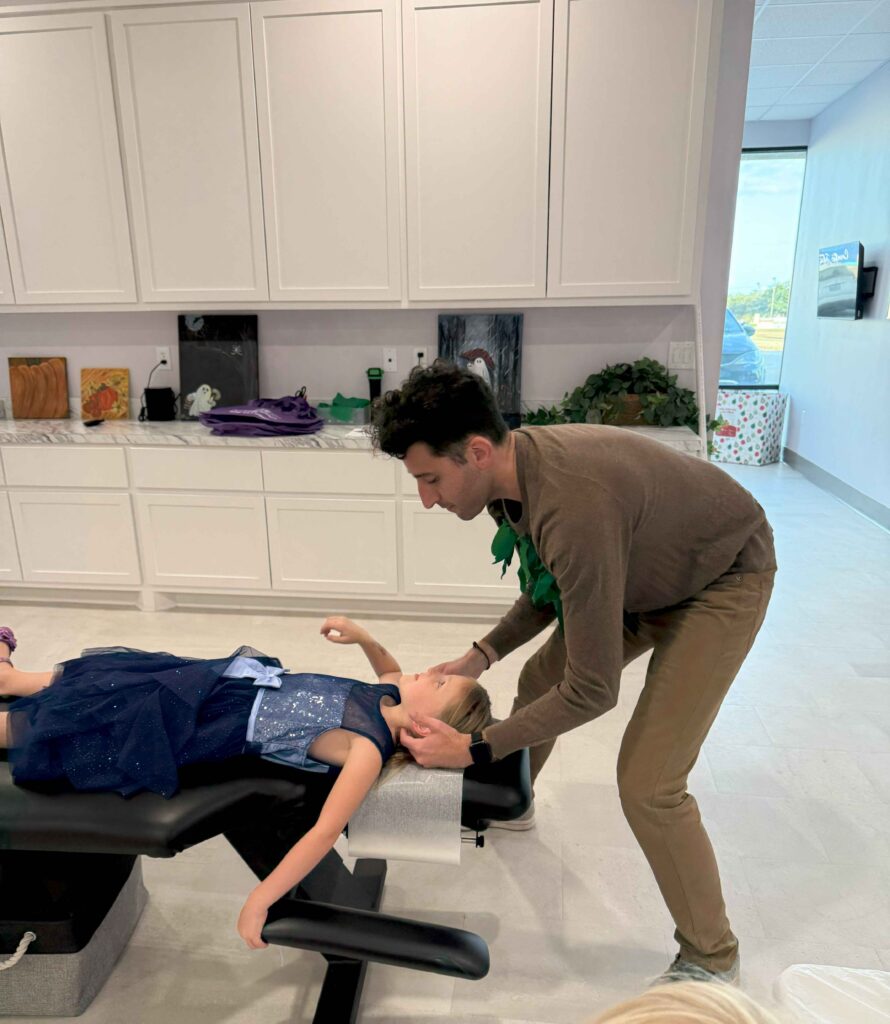
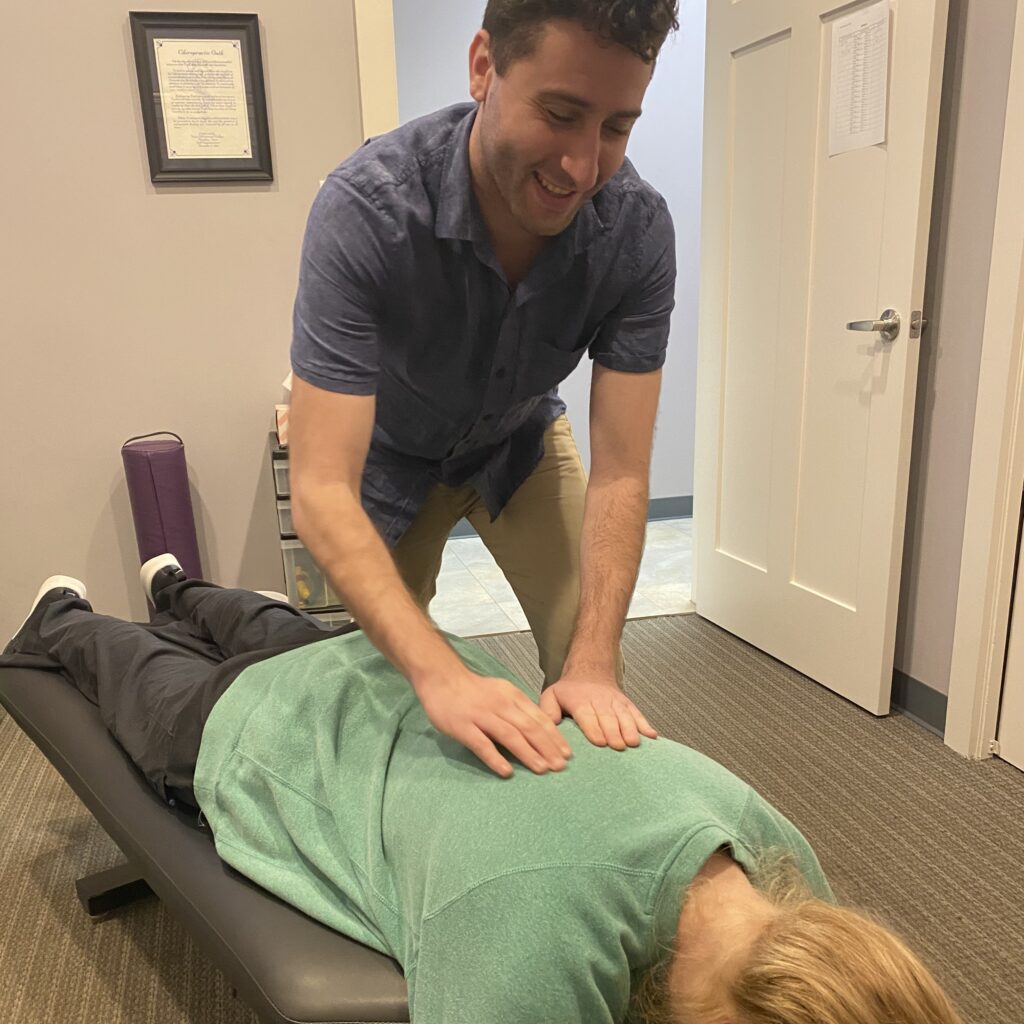
As a local chiropractor, I want to share how chiropractic adjustments can provide significant relief for those suffering from lower back pain.
These adjustments work by realigning your spine, which can greatly improve your mobility and overall well-being.
I'll explain the various techniques we use during these adjustments and help you understand how frequently you should consider visiting a chiropractor for the best results.
By gaining insight into these methods, you can make informed choices about your pain management and embrace a more natural approach to healing.
Your journey to relief starts with understanding how chiropractic care can benefit you!
Benefits of Chiropractic Care
As a local chiropractor, I want to share how chiropractic care can be a game-changer for those experiencing lower back pain. Many people are unaware of the profound benefits this natural approach offers, focusing on realigning the spine and enhancing overall body function.
- Pain Reduction: Our adjustments are designed to address the underlying causes of pain, rather than just masking the symptoms. This means you may experience significant relief and improved comfort in your daily activities.
- Improved Mobility: Through regular chiropractic sessions, you can expect an increase in your range of motion. This newfound flexibility makes it easier to carry out everyday tasks without discomfort or limitations.
- Enhanced Posture: We focus on correcting postural imbalances that can lead to strain and pain. By improving your posture, we help prevent future issues and support your spine's health.
- Holistic Approach: Chiropractic care isn't just about treating pain; it's about considering your overall well-being. We promote wellness that extends beyond immediate relief, fostering a healthier lifestyle.
Choosing chiropractic care is more than just opting for a treatment; it's an investment in your quality of life. Many of our patients report feeling more relaxed and less stressed after their adjustments, which is essential for managing chronic pain effectively.
The benefits of chiropractic care can help you lead a more active and fulfilling life, allowing you to engage in the activities you love without the burden of lower back pain. Embracing this natural healing method could be the key to unlocking your body's full potential.
Techniques Used in Adjustments
As a local chiropractor, I want to take a moment to explain the various techniques we use during adjustments, especially for those who may not be familiar with chiropractic care and natural healing.
When you visit our office, you can expect a personalized approach tailored to your unique needs.
One of the most common methods we use is the Diversified Technique. This involves high-velocity, low-amplitude thrusts that help realign your spine and improve your mobility. It's a precise technique designed to get you feeling better quickly.
You might also encounter the Activator Method. This technique employs a small handheld device that delivers a gentle impulse to specific areas of your body. It's particularly effective for those who prefer a gentle touch without the use of excessive force.
Another popular approach is the Gonstead Method, which focuses on a detailed analysis of your spine and pelvis. This thorough examination ensures that adjustments are made with precision, addressing your specific concerns.
We also use the Thompson Drop Technique. This technique involves a specialized table that drops slightly during adjustments. It enhances the effectiveness of the treatment while minimizing any discomfort you might feel.
If you're experiencing muscle tension, we may incorporate the myofascial release technique. This method helps relieve tightness and improve blood flow, contributing to your overall well-being.
In addition to spinal adjustments, I sometimes integrate soft tissue therapies such as massage. This holistic approach complements the adjustments and can significantly enhance your healing process.
No matter which technique we use, our ultimate goal is to restore your alignment, alleviate pain, and enhance your overall function.
I encourage you to discuss your symptoms and preferences with me during your visit. Together, we can create a tailored care plan that promotes a faster recovery and lasting relief.
Your journey to better health through natural healing starts here!
Frequency of Visits
As your local chiropractor, I want to emphasize that consistency is vital for achieving the best results from your chiropractic care. The frequency of your visits can significantly influence how quickly you find relief from lower back pain. Regular adjustments are essential; they help your body adapt and heal, allowing you to regain mobility and reduce discomfort.
When considering how often you should visit, here are some important factors to keep in mind:
- Severity of Symptoms: If you're experiencing acute pain, it may be necessary to schedule more frequent visits to effectively manage your condition.
- Treatment Goals: It's important to communicate your goals with me. Whether you're seeking pain relief, enhanced functionality, or overall wellness, your visit schedule may vary based on these objectives.
- Response to Treatment: Pay close attention to how your body feels after each adjustment. I'll adjust your visit frequency based on your progress and how well you're responding to the treatment.
- Lifestyle Factors: Consider your daily activities and any stressors you may encounter. If your job is physically demanding, you might require more frequent adjustments to maintain proper alignment.
In general, starting with more frequent visits and gradually reducing them as your condition improves tends to be the most effective approach.
Massage Therapy
As a local chiropractor, I want to shed light on the benefits of massage therapy, especially when it comes to alleviating lower back pain. For centuries, this hands-on approach has been a trusted method for easing discomfort, and when combined with chiropractic care, it can work wonders for your overall spinal health.
When you experience lower back pain, a skilled massage therapist can target tense muscles and enhance blood circulation in the affected area. This not only provides immediate relief but also supports long-term healing by addressing the root causes of your discomfort.
During a massage session, the therapist will evaluate your specific needs and tailor their techniques accordingly. Approaches like deep tissue and Swedish massage can effectively relieve tension, reduce inflammation, and improve your mobility. The pressure applied during these sessions also helps to release endorphins, which are your body's natural pain relievers, leaving you feeling relaxed and rejuvenated.
Incorporating regular massage therapy into your wellness routine can significantly prevent future episodes of lower back pain. Rather than simply treating the symptoms, this holistic approach allows you to address the underlying issues contributing to your discomfort.
Additionally, the therapeutic touch of massage can promote better posture and alignment—critical components for maintaining a healthy spine.
It's important to communicate openly with your massage therapist about your pain levels and specific areas of concern. This dialogue ensures that the treatment is effective and tailored to your unique needs.
If you're exploring natural healing options for managing lower back pain, I encourage you to consider integrating massage therapy into your self-care regimen. It could be the key to achieving the relief you've been searching for, alongside chiropractic care.
Over-the-Counter Medications
When addressing lower back pain, I want to emphasize that over-the-counter medications can provide temporary relief, but they're not a long-term solution. Many people turn to nonsteroidal anti-inflammatory drugs (NSAIDs) and acetaminophen for quick fixes.
However, I encourage you to be mindful of the dosage instructions to avoid any potential side effects.
As a chiropractor, I believe in exploring natural healing methods that can address the root causes of your pain rather than just masking the symptoms.
If your discomfort continues or intensifies, please reach out to me or another healthcare professional. Together, we can discuss more holistic approaches to help you achieve lasting relief and improve your overall well-being.
Common OTC Medications
As a local chiropractor, I understand that many people seek quick relief for lower back pain, and over-the-counter (OTC) medications can seem like a convenient solution.
While these options may provide temporary comfort, I want to emphasize the importance of addressing the underlying issues causing your pain.
Here are some common OTC medications that people often consider for relief:
- Ibuprofen: This nonsteroidal anti-inflammatory drug (NSAID) can help reduce both pain and inflammation. However, it's essential to be mindful of its potential side effects.
- Acetaminophen: A gentler pain reliever that's often easier on the stomach, making it suitable for those who may have sensitivity to NSAIDs.
- Naproxen: Another NSAID that can offer longer-lasting relief, particularly beneficial for chronic pain situations.
- Topical analgesics: Creams or patches infused with ingredients like menthol or capsaicin can provide targeted pain relief directly on the affected area.
While these medications can offer temporary respite, they don't address the root cause of your discomfort.
As a chiropractor, I focus not just on alleviating pain but also on promoting natural healing and restoring function to your body.
It's crucial to follow the instructions on any medication packaging and to observe how your body reacts.
If your lower back pain continues despite using OTC options, I encourage you to consider a holistic approach.
Chiropractic care can help identify and treat the underlying issues contributing to your pain, providing a more sustainable solution.
Don't hesitate to reach out for a consultation to explore how we can work together to achieve your long-term health goals.
Dosage and Safety Tips
As a local chiropractor, I want to emphasize the importance of understanding proper dosage and safety tips when it comes to over-the-counter (OTC) medications, especially for effective pain management.
It's crucial to always read the label carefully before taking any OTC medication. Pay close attention to the recommended dosage tailored to your age and health conditions.
Medications like ibuprofen and naproxen can be helpful in reducing inflammation and relieving pain. However, it's vital not to exceed the recommended dosage, as doing so can lead to serious side effects that could complicate your healing journey.
I also advise against mixing different medications that contain the same active ingredients. For example, taking multiple pain relievers or combining them with other drugs without proper guidance can significantly increase the risk of toxicity.
If you're currently on other prescriptions, it's a good idea to consult with a pharmacist or your healthcare provider to ensure there are no harmful interactions that could hinder your recovery.
Staying hydrated is key while taking these medications, as some can irritate your stomach lining. If you notice any adverse effects, such as stomach pain or dizziness, please stop taking the medication and reach out to a healthcare professional for advice.
Lastly, it's important to remember that OTC medications are generally intended for short-term relief. If your lower back pain continues, I strongly encourage you to explore chiropractic care and other natural healing options.
Your safety and overall well-being are my top priorities, and I'm here to help you find the best path to recovery.
When to Consult Doctor
As a local chiropractor, I want to help you understand when it's essential to seek professional care for your lower back pain. While over-the-counter medications can offer temporary relief, there are specific signs that indicate you should consult a healthcare provider to address the root cause of your discomfort.
Pay attention to your body and consider reaching out to me or another healthcare professional if you experience any of the following symptoms:
- Severe, persistent pain that doesn't improve with rest
- Numbness or tingling in your legs or feet
- Difficulty standing or walking
- Pain that's accompanied by unexplained weight loss or fever
These signs could point to a more serious underlying condition that requires a thorough evaluation.
Additionally, if you're finding yourself relying on pain relievers for an extended time, it's a signal that you should discuss your symptoms with a chiropractor. Chronic use of these medications can lead to side effects and may mask more significant issues that need to be addressed.
If your pain is interfering with your daily activities or keeping you from enjoying the things you love, don't hesitate to seek help.
Early intervention through chiropractic care can lead to more effective treatment options, helping you regain mobility and improve your overall quality of life.
Prescription Medications
When dealing with lower back pain, many people may consider prescription medications for relief. However, as a local chiropractor, I want to emphasize the benefits of exploring natural healing methods and chiropractic care as part of your treatment plan.
Chiropractic care focuses on addressing the underlying issues causing your pain rather than just masking the symptoms. We utilize hands-on adjustments to align the spine and improve your body's natural ability to heal. This can reduce inflammation and alleviate pain without the need for medication.
For those experiencing muscle spasms, chiropractic techniques can help relax those tight muscles, enhancing mobility and comfort. We may also incorporate exercises and stretches tailored to your specific condition, promoting long-term relief and better overall function.
In some cases, if your pain is severe and persistent, we may recommend complementary therapies such as physical therapy or massage, which can further enhance recovery. While some might consider opioids for relief, we believe in exploring holistic options first, as these medications can come with risks of dependence and unwanted side effects.
Additionally, we may discuss the role of nutrition and lifestyle in managing pain, as certain dietary choices and habits can impact inflammation and overall health.
It's essential to collaborate closely with your chiropractor to develop a personalized treatment plan. We'll assess your unique situation, guide you through effective natural healing techniques, and provide you with the knowledge to make informed decisions about your health.
Together, we can work towards a safe and effective strategy for managing your pain and improving your quality of life.
Acupuncture
As a local chiropractor, I want to share with you an effective and natural approach to managing lower back pain: acupuncture. This ancient practice, which is a key component of Traditional Chinese Medicine, focuses on stimulating specific points on the body to promote healing and alleviate discomfort.
Acupuncture involves inserting thin needles into precise locations, which can help restore balance and improve the flow of energy throughout the body. Many of my patients have found that acupuncture not only relieves their pain but also enhances their overall sense of well-being.
Here are some key benefits of acupuncture for lower back pain relief that I often discuss with my patients:
- Reduced inflammation: Acupuncture can help decrease inflammation in the affected areas, which promotes faster healing and recovery.
- Increased blood flow: This treatment improves circulation, delivering essential nutrients and oxygen to the muscles and tissues that need it most.
- Endorphin release: The process stimulates the release of endorphins, which are your body's natural painkillers, resulting in a more comfortable experience overall.
- Stress reduction: Acupuncture can help calm both the mind and body, which is crucial for managing pain effectively.
During your first acupuncture session, a qualified practitioner will evaluate your specific condition and create a personalized treatment plan tailored to your needs. Most people report minimal discomfort during the needle insertion, and many leave feeling either relaxed or energized.
Typically, sessions last between 30 to 60 minutes, and your practitioner may recommend a series of visits to achieve the best results.
Integrating acupuncture into your routine for managing lower back pain can be a valuable addition to your overall care. However, it's always wise to consult with your healthcare provider before beginning any new treatment to ensure it aligns with your health needs.
As a chiropractor, I believe in a holistic approach to health, and acupuncture can be a wonderful complement to chiropractic care in your journey toward relief and wellness.
Exercise and Stretching
As a local chiropractor, I want to share the vital role that exercise and stretching play in alleviating lower back pain and enhancing overall spine health. Many of my patients have found that engaging in regular physical activity not only strengthens the muscles that support their spine but also helps prevent future discomfort.
By focusing on core, glute, and back muscle strength, you can create a more stable foundation for your spine, significantly reducing the risk of injury.
Incorporating low-impact activities like walking, swimming, or cycling into your routine can be incredibly beneficial. These exercises promote circulation and get your blood flowing without putting excessive strain on your back.
I recommend aiming for at least 30 minutes of moderate exercise most days of the week. If you're uncertain about how to get started, consider joining a fitness class or working with a qualified physical therapist who can design a program tailored specifically to your needs.
Stretching is just as crucial as exercise. Gentle stretches can improve flexibility and relieve tension in your back muscles. Pay particular attention to stretches that focus on your hamstrings, hip flexors, and lower back.
Simple yoga poses, such as Child's Pose or Cat-Cow, can also provide significant relief. Always remember to warm up before stretching—just a few minutes of light cardio can suffice to help prevent injuries.
It's important to listen to your body. If you experience pain during a particular movement, please stop immediately. As your strength improves, gradually increase the intensity of your exercises.
Consistency is vital; by making exercise and stretching a regular part of your routine, you'll likely notice substantial improvements in your lower back pain over time.
As your chiropractor, I'm here to guide you on your journey toward better spinal health through natural healing methods, including proper exercise and stretching techniques. Together, we can work towards a pain-free and healthier you!
Mindfulness and Relaxation Techniques
As a chiropractor, I want to share with you some valuable insights on how incorporating mindfulness and relaxation techniques can significantly support your journey in alleviating lower back pain.
While we focus on physical adjustments and therapies, it's equally important to consider your mental state, as stress can lead to muscle tension that may worsen your discomfort.
Here are some effective techniques that I encourage you to explore:
- Meditation: Dedicating a few minutes each day to quiet reflection can be incredibly beneficial. By focusing on your breath and allowing your thoughts to settle, you can reduce stress levels and alter your perception of pain.
- Deep Breathing: Engaging in deep, slow breaths can help calm your nervous system. Inhale deeply through your nose, hold it for a moment, and then exhale through your mouth. With each exhalation, visualize the tension in your body melting away.
- Progressive Muscle Relaxation: This technique involves systematically tensing and relaxing each muscle group in your body. Start from your toes and work your way up, paying particular attention to your lower back. This practice can help release built-up tension and promote relaxation.
- Mindfulness-Based Stress Reduction (MBSR): Consider exploring this structured program, which teaches you to remain present in the moment. By doing so, you can learn to manage your pain more effectively and develop a greater sense of control over your body.
By integrating these mindfulness and relaxation techniques into your daily routine, you can take a comprehensive approach to your healing process.
This not only addresses the physical aspects of lower back pain but also helps you manage the emotional components.
Conclusion
As a local chiropractor, I want to share with you the importance of exploring various treatments to find relief from lower back pain. It's essential to understand that effective relief often comes from a combination of approaches tailored specifically to your needs. Options such as heat therapy and chiropractic care can significantly ease your discomfort, and mindfulness techniques can enhance your overall well-being.
I encourage you to consult with healthcare professionals, including chiropractors like myself, to develop a personalized plan that addresses your unique situation. Additionally, incorporating regular exercise and stretching into your daily routine can greatly improve your spinal health.
Taking charge of your well-being is crucial, and I invite you to start your journey toward relief today. Together, we can work towards a healthier and pain-free life!