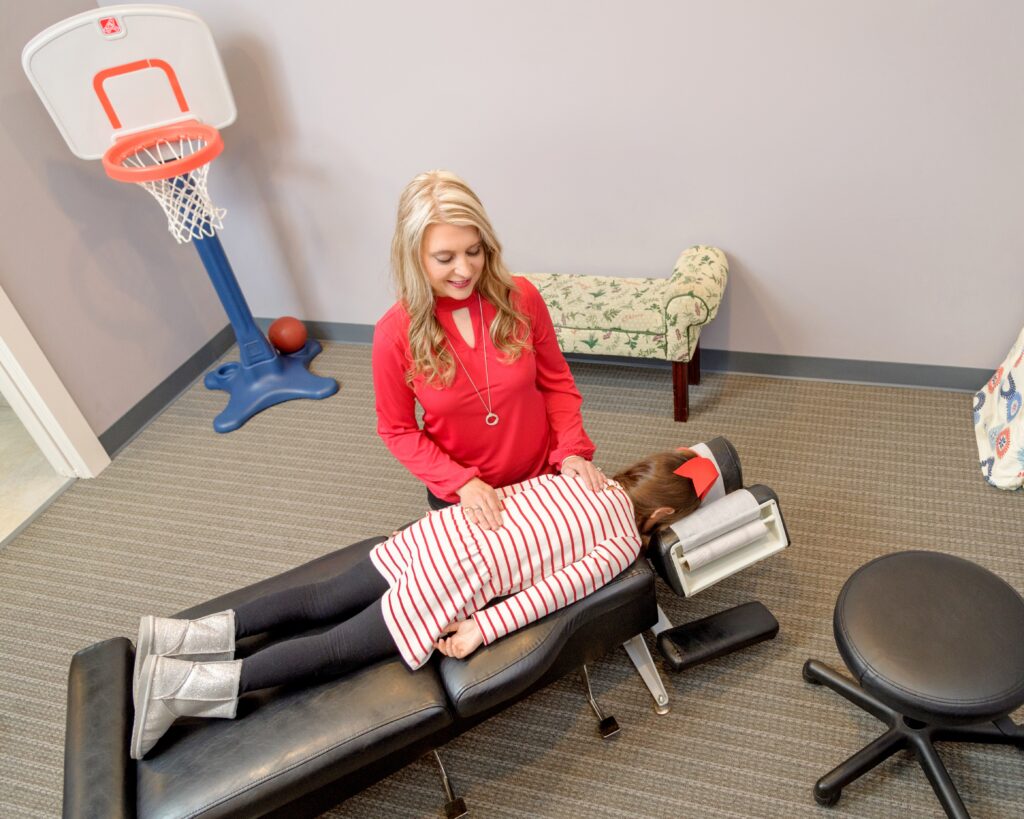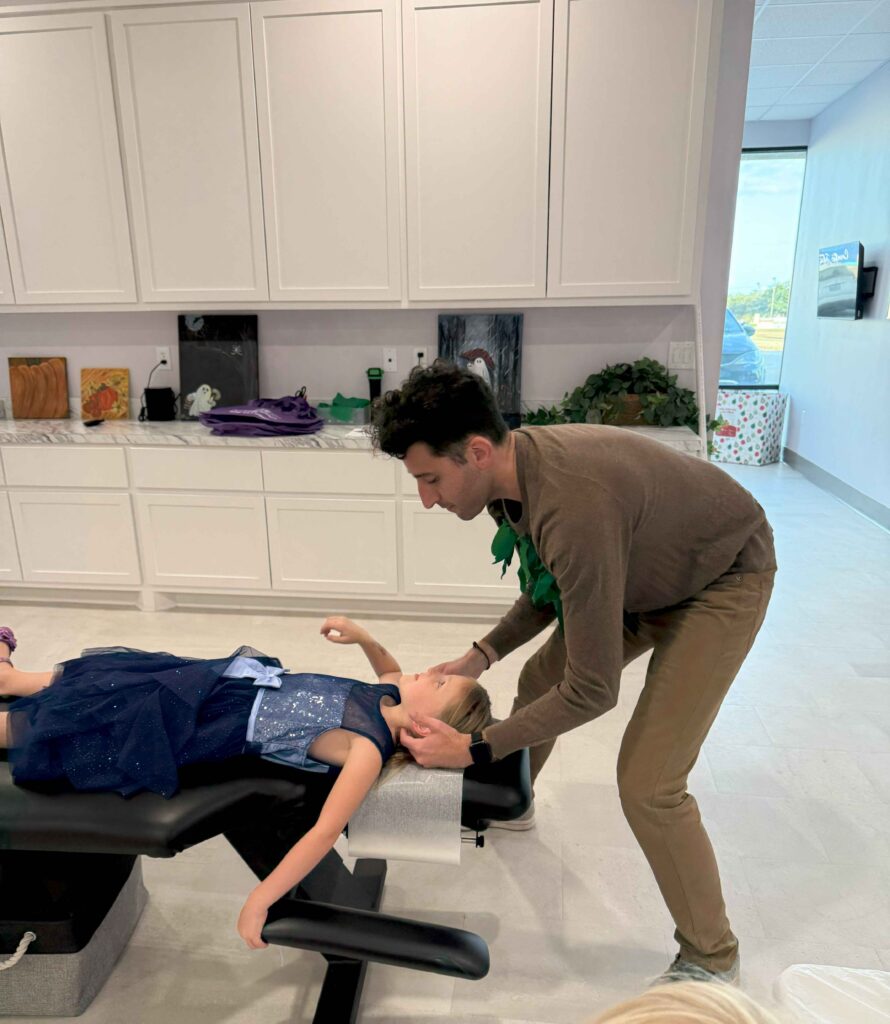

When considering how to support children with ADHD, it's important to understand the vital role that holistic health approaches, including chiropractic care, can play in their overall development. You may be surprised to learn how early intervention and natural treatment methods can positively influence a child's life. By working together with healthcare providers, educators, and families, we can cultivate an environment that not only addresses the challenges associated with ADHD but also fosters growth, resilience, and well-being. What specific chiropractic strategies and natural resources can you explore to help these children thrive both academically and socially?
Understanding ADHD in Children
Understanding ADHD in children is essential for anyone looking to support their development, including those of us in the chiropractic field. As a chiropractor, I want to shed light on how ADHD affects a child's behavior and learning, particularly from a holistic health perspective.
Children with ADHD often have difficulty maintaining focus, frequently shifting from one activity to another. This impulsivity can create obstacles in school and during social interactions. It's important to remember that these behaviors aren't intentional; they arise from neurological differences that affect how children process information and respond to their surroundings.
In a school setting, you might observe a child with ADHD daydreaming or appearing disengaged. This behavior is frequently misinterpreted as laziness or a lack of interest. However, this may indicate that the child struggles to filter out distractions or engage with material that doesn't immediately capture their attention. As someone who promotes natural healing, I encourage a compassionate approach that recognizes these unique challenges.
Furthermore, children with ADHD often deal with emotional dysregulation, which makes it difficult for them to manage feelings of frustration or disappointment. This can lead to emotional outbursts or withdrawal, creating confusion for parents and teachers. Understanding these emotional hurdles is crucial for providing the right support.
As a chiropractor, I believe in addressing the whole person, and that includes understanding conditions like ADHD. By promoting a balanced, healthy lifestyle and considering the physical aspects of a child's well-being, we can help them thrive in their daily lives.
If you have questions about how chiropractic care may assist children with ADHD or support their overall health, I'm here to help.
Role of Pediatricians
As a local Chiropractor, I want to emphasize the importance of early intervention in managing ADHD symptoms.
Just like pediatricians, we play a vital role in identifying and addressing issues that may affect your child's overall development.
Through holistic assessments, we can develop customized care plans that focus on your child's unique needs, promoting better health outcomes.
#
Early Diagnosis Importance
Early diagnosis of conditions like ADHD can significantly influence a child's growth and overall health. As a chiropractor, it's crucial to recognize the early signs that may suggest underlying issues affecting a child's well-being. The sooner you identify symptoms such as inattention, hyperactivity, or impulsivity, the better equipped you're to help parents understand their child's needs from a holistic perspective.
Early intervention through chiropractic care can provide timely support, potentially enhancing a child's academic performance and social interactions.
Working closely with families, you play a vital role in educating them about the benefits of chiropractic care and natural healing. It's important to guide them through the process of understanding how spinal health and nervous system function can impact their child's behavior and learning.
Open communication fosters trust, making it easier for families to express their concerns and seek guidance.
You should also collaborate with teachers and other health professionals, promoting a consistent approach to managing symptoms. By establishing a strong support network, you empower parents to advocate for their child's well-being effectively.
Ultimately, your proactive involvement in early diagnosis and treatment can lead to improved outcomes for children with ADHD. By acting swiftly and utilizing natural healing methods, you can help them navigate challenges and pave the way for a healthier, brighter future.
Emphasizing the importance of early identification and holistic care ensures that children receive the support they need to thrive.
Tailored Treatment Plans
Creating tailored wellness plans for children with ADHD involves a collaborative approach that includes various healthcare providers, and as a local chiropractor, I play a crucial role in this process. My focus is on understanding each child's unique needs and challenges through a holistic lens.
To start, I conduct comprehensive evaluations that may include assessments of posture, spinal alignment, and overall physical health. This information helps me gain insights into how physical factors may be contributing to the child's symptoms and daily life challenges.
I often work alongside parents, teachers, and other caregivers to gather a complete profile of the child's situation.
In developing a wellness plan, I emphasize not only chiropractic adjustments but also the importance of behavioral therapies, educational support, and lifestyle changes that promote overall well-being.
Regular follow-ups are essential; these sessions allow us to monitor progress and make necessary adjustments to the treatment strategy.
I encourage open communication with parents, ensuring they feel empowered and informed throughout the process of supporting their child's health naturally.
## Early Diagnosis Importance
As a local chiropractor, I want to emphasize how important it's to recognize the signs of conditions like ADHD early on, as it can significantly influence a child's development and overall well-being. Early identification enables parents to understand their child's unique challenges and strengths, allowing for timely interventions that can make a difference in their lives.
When ADHD is identified sooner rather than later, parents can implement supportive strategies that align with their child's needs. It's crucial to understand that behaviors such as impulsivity, inattention, or hyperactivity aren't simply signs of mischief or a lack of discipline; they often stem from underlying neurodevelopmental issues.
In our practice, we focus on a holistic approach to wellness, which includes understanding how physical health can impact mental health. Early diagnosis opens the door to a variety of natural treatment options, including chiropractic adjustments that can help improve the nervous system's functioning.
By collaborating with healthcare professionals and incorporating natural healing methods, parents can develop a comprehensive plan that may include chiropractic care, lifestyle changes, and behavioral therapy.
Addressing these symptoms early allows children to learn how to manage their behavior better, build resilience, and form healthy relationships with their peers. This proactive approach not only benefits the child but also alleviates some of the stress associated with parenting a child with ADHD.
Ultimately, early diagnosis and a focus on natural healing can lead to a brighter, more promising future for your child. At our chiropractic office, we're here to support you on this journey toward optimal health and well-being for your family.
Collaborative Care Strategies
Integrating collaborative care strategies can significantly enhance the support system for children with ADHD, and as a local chiropractor, I'd like to share how chiropractic care can play a vital role in this holistic approach. By working together with healthcare professionals, educators, and families, we can develop a comprehensive strategy that addresses various aspects of a child's life, including their physical health, which is essential for effective ADHD management.
To start, it's crucial to establish open lines of communication among everyone involved in the child's care. Regular meetings with teachers, healthcare providers, and family members allow us to share observations about the child's behavior and discuss strategies that have been effective. This collaborative effort helps tailor chiropractic interventions that cater to your child's unique needs.
For instance, what we observe in the chiropractic office may differ from what teachers see in the classroom or parents see at home, and working together helps us navigate these differences.
Utilizing technology can also enhance our collaborative strategies. We can use shared platforms to track your child's progress, including their physical health and well-being. By monitoring how chiropractic adjustments affect their behavior and overall mood, we can make timely adjustments to care plans that support their ADHD management.
Moreover, involving the child in discussions about their care can foster a sense of ownership and responsibility. I encourage parents to let their children express their feelings about chiropractic treatments and any other strategies being used. When children feel heard and involved, it can boost their motivation and engagement in their care.
Lastly, celebrating successes—no matter how small—is vital. Acknowledging achievements, whether it's improved focus in class or a more positive attitude at home, fosters a supportive environment and strengthens our collective effort.
Behavioral Interventions
As a local chiropractor, I want to emphasize the importance of holistic approaches in managing conditions like ADHD, which can greatly complement the collaborative care strategies we often discuss in our practice.
Behavioral interventions, much like chiropractic care, focus on enhancing overall well-being by modifying specific behaviors and establishing healthy routines that can help your child flourish.
One effective strategy we often recommend is positive reinforcement. Just as we encourage patients to maintain positive lifestyle changes, rewarding your child for appropriate behaviors can help reinforce those actions. This could involve simple gestures like praise, stickers, or small treats when they complete tasks or exhibit self-control. Consistency in these rewards is crucial; regularly applying them helps solidify these desired behaviors.
Setting clear expectations is also vital in creating a supportive environment. Establishing structured routines and communicating rules in straightforward language can make a significant difference.
Utilizing visual aids, such as charts or checklists, can assist your child in understanding and adhering to these expectations more easily, much like how we use diagrams to explain the spine's alignment in chiropractic care. This clarity helps reduce confusion and fosters a sense of security.
Social skills training is another powerful tool we advocate for. By engaging in role-playing and guided conversations, you can assist your child in learning how to interact appropriately with peers—an area that can be particularly challenging for those with ADHD.
This training not only builds their confidence but also strengthens their relationships, paralleling how we help patients improve their body mechanics for better interactions in daily life.
Lastly, I encourage you to involve your child in problem-solving discussions. When they encounter challenges, ask for their input on potential solutions. This approach empowers them and fosters a sense of ownership over their behavior, similar to how we empower our patients to take charge of their health through informed choices.
Medication Management
When it comes to managing ADHD and overall wellness, chiropractic care can play a vital role alongside other holistic approaches. Finding the right balance for your child may involve some exploration, but the benefits can be significant.
It's essential to collaborate with a chiropractor who understands ADHD and natural healing. Here are three key points to consider when exploring chiropractic care:
1. Chiropractic Techniques: Various chiropractic techniques can help improve nervous system function, which may enhance focus and reduce impulsivity in children with ADHD. Gentle adjustments can promote better communication between the brain and body, potentially leading to improved behavioral outcomes.
2. Holistic Approach: Understanding your child's unique needs is crucial. Chiropractic care isn't just about spinal adjustments; it often involves lifestyle recommendations, nutrition, and stress management strategies.
Keeping an eye on how your child responds to these changes can help you determine what works best for them.
3. Regular Assessments: Consistent visits to your chiropractor can be incredibly beneficial. These check-ins allow you to discuss your child's progress and make any necessary adjustments to their care plan.
It's also a chance to evaluate their behavior and overall well-being, ensuring that the approach aligns with their individual needs.
Educating Parents and Caregivers
To effectively support children with ADHD, it's important to recognize the symptoms they may be experiencing and how these can impact their overall well-being.
As a chiropractor, I believe that understanding these challenges can help us create a holistic approach to care. By fostering open communication, we can enhance our interactions with children, ensuring they feel heard and supported.
Let's explore some natural healing strategies that can help improve your child's quality of life, addressing their unique challenges through chiropractic care and lifestyle adjustments.
Understanding ADHD Symptoms
Understanding the symptoms of ADHD is crucial for those looking to support individuals who may be experiencing these challenges. As a chiropractor, I often emphasize the importance of a holistic approach to health, which can include recognizing how ADHD symptoms can impact overall well-being.
These symptoms can manifest in various ways, primarily affecting attention, activity levels, and impulse control, and understanding them can help create a supportive environment for those affected.
Here are three common symptoms of ADHD to be aware of:
- Inattention: Individuals may frequently lose focus, have trouble following instructions, or struggle to organize tasks effectively. This can lead to stress and frustration, particularly during activities that require sustained concentration, such as studying or completing work tasks.
- Hyperactivity: You might observe that someone with ADHD appears restless or fidgety, finding it challenging to remain seated. They may have a tendency to interrupt others or exhibit an overwhelming need to keep moving, which can affect social interactions and daily routines.
- Impulsivity: This symptom may present as difficulty waiting for turns in conversations, blurting out responses before questions are fully asked, or making quick decisions without considering the potential outcomes. This impulsivity can lead to challenges in both personal and professional settings.
As a chiropractor, I encourage patients to explore natural healing methods that can complement traditional approaches.
Effective Communication Strategies
Finally, it's important to be patient when discussing health and wellness, especially when it comes to understanding chiropractic care.
Many people may take time to process information about how natural healing works and the benefits it can bring.
By taking the time to explain these concepts clearly and compassionately, you'll create a supportive environment that empowers you and your family to make informed decisions about your health and well-being.
Support Resources and Tools
When it comes to supporting children with ADHD, utilizing the right resources and tools can be transformative—not just in managing the condition, but also in enhancing overall well-being.
As a local chiropractor, I believe in the power of a holistic approach to health, which includes creating a structured environment and improving communication. Here are three essential tools that can complement chiropractic care and support your child's daily functioning:
1. Visual Schedules: Implementing visual schedules can greatly benefit your child by helping them grasp daily routines. These can be simple charts or digital apps that lay out tasks in a clear, step-by-step format.
Visual aids not only assist children with ADHD in staying organized but can also alleviate anxiety about upcoming activities, allowing for a more relaxed state of mind—something we aim to achieve through chiropractic care.
2. Timers and Alarms: Introducing timers for tasks can significantly enhance time management skills. Whether you opt for a visual timer or an app on your smartphone, these tools instill a sense of urgency that can help your child focus on finishing tasks within a designated timeframe.
This method not only encourages independence but also aligns well with the chiropractic philosophy of fostering self-awareness and responsibility in health management.
3. Behavioral Tracking Apps: Consider using apps designed for tracking behavior and progress. These digital tools can assist you and your child in monitoring daily activities, rewards, and challenges.
By visualizing progress, you can motivate your child and cultivate a sense of achievement, which is crucial for their self-esteem and emotional well-being—elements that chiropractic care seeks to nurture through overall body alignment and balance.
By integrating these tools into your child's routine, you can create a supportive environment that complements the benefits of chiropractic care and natural healing.
Together, we can help your child thrive.
Building an Inclusive Environment
Creating an inclusive environment for children with ADHD is essential for their growth and development, and as a local chiropractor, I believe in the importance of a holistic approach to health that includes understanding and accommodating diverse needs.
It's crucial for parents, teachers, and caregivers to foster understanding about ADHD and its challenges. Open conversations can help build empathy and reduce stigma, allowing children to feel accepted and supported in their environments.
In your home or classroom, you can create a space that promotes well-being for children with ADHD by incorporating practices that align with natural healing. For instance, using clear signage and visual schedules can help children stay organized and focused, much like how we emphasize structure in chiropractic care to support overall wellness.
Designating quiet areas where children can retreat when feeling overwhelmed is similar to creating a calm environment for spinal health, which can contribute to improved concentration.
Encouraging collaboration among children is also key. Group activities that highlight each child's strengths ensure everyone feels included, which can be likened to how we approach care in a chiropractic setting—recognizing that each individual's journey to health is unique.
Celebrating small achievements through positive reinforcement can boost confidence in children with ADHD, just as we celebrate progress in chiropractic treatment.
Lastly, involving parents and guardians in the process is paramount. Regular communication about their child's progress and challenges is essential for building a supportive network that enhances their well-being.
By working together, we can create an environment that nurtures children with ADHD, empowering them to thrive in every aspect of their lives.
Conclusion
As a local chiropractor, I want to highlight the importance of supporting children with ADHD through holistic approaches, including chiropractic care. It's crucial for their overall development and well-being. By collaborating with pediatricians, educators, and families, we can create a nurturing environment that promotes growth and success.
Early diagnosis and a combination of natural healing strategies, including spinal adjustments and lifestyle modifications, can empower your child. Chiropractic care focuses on the nervous system and can help improve focus and reduce stress, which are essential for children with ADHD.
Remember, with the right support and natural resources, children with ADHD can thrive and develop the skills they need to navigate their world with confidence. Let's work together to explore these options for your child's health and well-being.