
Revitalizing your sports recovery journey is crucial for boosting your performance and supporting your long-term health. Many people mistakenly believe that recovery is solely about taking time off; however, it encompasses much more than that. As a local chiropractor, I want to highlight how incorporating active recovery techniques, proper nutrition, and quality sleep can greatly enhance your overall recovery process.
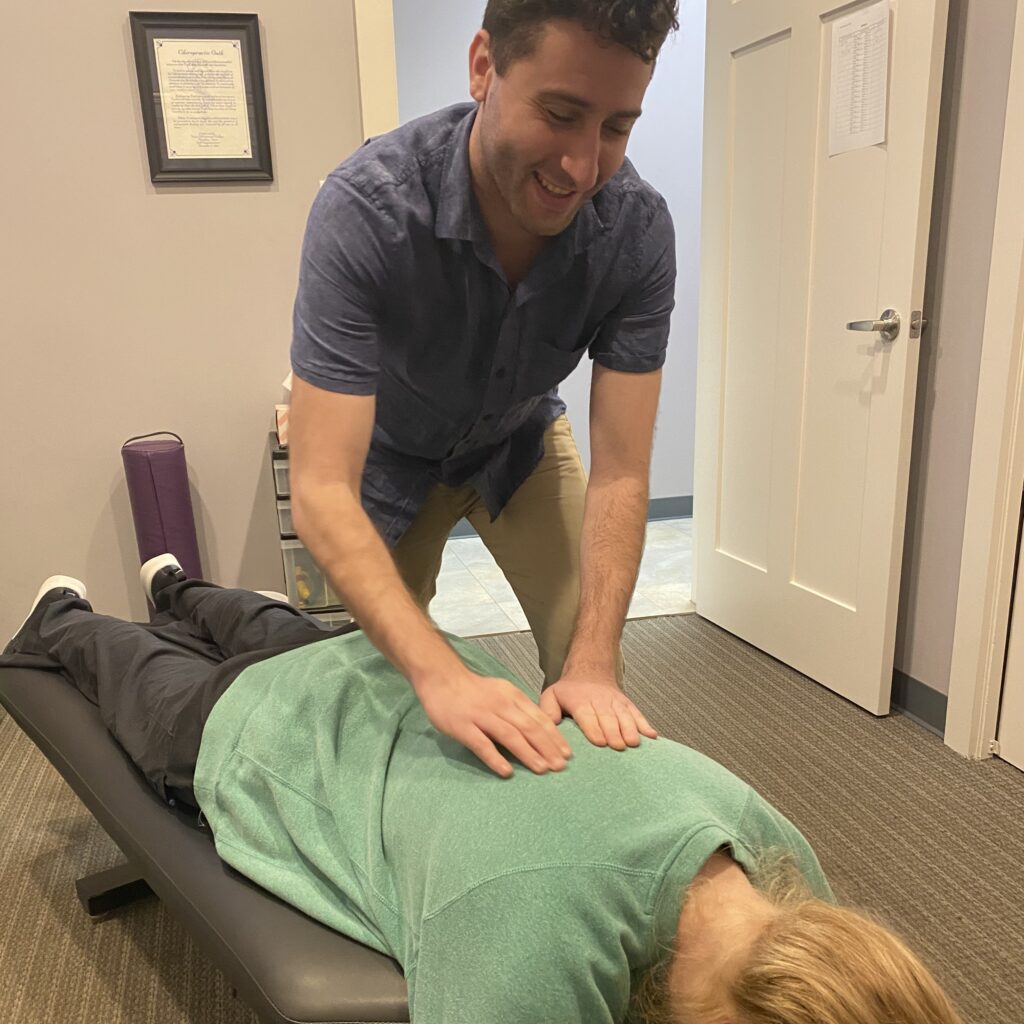
Did you know that chiropractic care can play a significant role in your recovery? By addressing musculoskeletal imbalances and improving your body’s alignment, chiropractic adjustments can help alleviate pain, reduce inflammation, and promote optimal function. Additionally, techniques such as soft tissue therapy and myofascial release can further aid in muscle recovery and flexibility.
Let’s take a closer look at the essential components that can elevate your recovery and ensure you’re performing at your best. Whether you’re a weekend warrior or a seasoned athlete, understanding these aspects can transform your approach to recovery and keep you on the path to success. Together, we can optimize your recovery journey through natural healing methods and a holistic approach to your health.
The Science of Recovery: Why It Matters
As a local chiropractor, I want to emphasize that when you engage in sports or physical activities, recovery isn’t just an optional phase—it’s an essential part of maintaining your health. Many people may not realize the importance of recovery, but understanding the science behind it can truly enhance your performance and overall well-being.
During intense workouts, your muscles experience tiny tears, which is a normal part of building strength. However, without proper recovery, these micro-injuries can lead to fatigue, decreased performance, and even injuries that may require more extensive treatment. This is where chiropractic care can play a vital role in your recovery process.
Your body needs time to heal, replenish energy stores, and reduce inflammation. This is crucial for balancing hormones like cortisol, which can increase during strenuous activities. Chiropractic adjustments and natural healing techniques can help restore balance and promote your body’s innate ability to heal itself.
Additionally, recovery isn’t just physical; it also supports your mental resilience. Taking the time to recover allows you to return to your sport feeling rejuvenated and focused, which is essential for peak performance.
By recognizing the importance of recovery and incorporating chiropractic care, you can help your body adapt to the stresses of training more effectively.
So, remember, investing in recovery—through proper rest, nutrition, and chiropractic care—is not just about taking a break; it’s about unlocking your full potential and preparing yourself for the next challenge ahead.
Let’s work together to create a recovery plan that suits your individual needs and enhances your overall health.
Key Recovery Techniques for Athletes
As a chiropractor, I often emphasize the importance of recovery for athletes, and I want to share some insights into effective strategies that can significantly improve your performance.
One of the key aspects is incorporating active recovery into your routine. You may be surprised to learn that even gentle exercises can play a vital role in enhancing your recovery process. This type of movement helps to increase blood flow, reduce muscle soreness, and promote overall healing.
In addition to active recovery, proper nutrition is crucial for your body’s ability to rebuild and maintain strength. Consuming the right nutrients helps repair tissues and replenishes energy stores, which is essential for optimal performance.
By understanding and implementing these natural healing strategies, you can support your body’s recovery and ultimately enhance your athletic abilities.
As always, I’m here to guide you on your journey to better health and performance through chiropractic care.
Active Recovery Benefits
As a local chiropractor, I want to emphasize the importance of active recovery for your athletic performance and overall well-being, especially after intense workouts or competitions. Engaging in low-intensity activities such as walking, cycling, or swimming can significantly enhance your recovery process.
These gentle movements promote healthy blood flow, which is essential for muscle repair and can help reduce post-exercise soreness. Active recovery allows your body to remain active without the risk of overexertion, striking a balance that maintains your fitness levels while facilitating recovery.
Moreover, this approach helps clear out metabolic waste from your muscles, which can elevate your energy levels for your next training session. You may also notice improved mental clarity during these active recovery sessions, serving as a refreshing break from high-intensity training.
Nutrition for Recovery
As a local chiropractor, I want to emphasize the vital role nutrition plays in your recovery process, particularly after engaging in strenuous exercise. It’s essential to focus on replenishing lost nutrients and repairing muscle tissue to support your overall health and wellness.
After a workout, consider a post-exercise meal that combines both carbohydrates and protein. Carbohydrates are crucial for restoring your glycogen levels, while protein is key for muscle repair. A common recommendation is to aim for a ratio of 3:1—consuming three grams of carbs for every gram of protein.
Hydration is also incredibly important! Water is essential for rehydration, and incorporating electrolytes can significantly enhance this process.
Additionally, including anti-inflammatory foods, such as berries and leafy greens, in your diet can help reduce soreness and promote healing.
Lastly, timing is everything when it comes to meal consumption. Eating within 30 to 60 minutes post-exercise can maximize your recovery benefits.
Nutrition: Fueling Your Recovery Process
As a local chiropractor, I want to emphasize the crucial role nutrition plays in your recovery process, especially if you’re engaging in physical activities. While it’s important to focus on your training, don’t overlook how the right foods can aid your body in healing and restoring itself after intense workouts.
Proper nutrition provides your body with the fuel it needs to repair muscles, replenish energy, and reduce inflammation. I recommend prioritizing a balanced diet that includes lean proteins, healthy fats, and complex carbohydrates.
After your workout, aim to consume a nutritious meal or snack within 30 minutes. This is essential for muscle repair and restoring energy levels. Good options include grilled chicken paired with quinoa or a smoothie loaded with spinach and berries.
Hydration is equally important; water supports nutrient transport and recovery. Additionally, incorporating a variety of fruits and vegetables into your diet is key, as they provide vital vitamins and minerals that help combat oxidative stress on your body.
The Role of Sleep in Athletic Performance
As a local chiropractor, I want to emphasize the importance of sleep in enhancing your athletic performance. Many people may not realize that while you rest, your body engages in essential repair processes and consolidates the skills and techniques you’ve practiced.
Quality sleep is crucial for muscle recovery after intense workouts and for strengthening your immune system, which helps you stay healthy and perform at your best.
When you skimp on sleep, you may experience lower energy levels, delayed reaction times, and a heightened risk of injuries, all of which can impact your performance. To optimize your recovery and overall well-being, it’s recommended that you aim for 7-9 hours of quality sleep each night.
Establishing a consistent sleep schedule is key. Consider creating a calming bedtime routine to signal to your body that it’s time to wind down, and try to limit exposure to screens before bed, as the blue light can interfere with your ability to fall asleep.
Active Recovery: Techniques to Keep Moving
Active recovery is an essential part of maintaining your overall health and wellness, and as your local chiropractor, I want to share how gentle movement can benefit you.
Active recovery focuses on keeping your body moving without putting too much strain on it. Simple practices like light stretching and low-impact exercises can help improve your flexibility and alleviate soreness that may arise from more intense workouts or daily activities.
Incorporating these techniques into your routine not only supports your recovery but also enhances your overall performance. By embracing active recovery, you can promote better circulation, reduce muscle tension, and help your body heal naturally.
Gentle Movement Practices
As a local chiropractor, I want to emphasize the importance of gentle movement practices in your recovery journey.
These practices not only support your healing process but also promote better circulation and flexibility without overexerting your body. By incorporating gentle movements into your daily routine, you can significantly enhance your overall well-being.
Here are some effective gentle movements that I often recommend:
- Walking: This is one of the simplest yet most effective ways to keep your body active. A daily walk can help keep your joints mobile and your muscles engaged.
- Tai Chi: This ancient practice involves slow, deliberate movements paired with deep breathing. It’s excellent for promoting relaxation and can help alleviate stress, which is vital for your overall health.
- Yoga: Focusing on gentle poses can enhance your flexibility and help calm your mind. Many patients find that yoga not only supports their physical recovery but also contributes to mental clarity.
- Swimming: This low-impact exercise is fantastic for soothing your muscles while improving circulation. The buoyancy of water reduces strain on your joints, making it an ideal option for those in recovery.
Incorporating these gentle movement practices can be a powerful complement to your chiropractic care, helping you on your path to recovery and improved health.
Let’s work together to find the right movements for you!
Stretching and Mobility Routines
As your local chiropractor, I want to emphasize the importance of gentle movement practices, but I also want to introduce you to the benefits of incorporating stretching and mobility routines into your recovery plan.
These routines are vital for maintaining flexibility, improving circulation, and reducing muscle stiffness, which can all contribute to your overall well-being.
I recommend starting with major muscle groups, holding each stretch for 15-30 seconds. This simple practice can make a significant difference in your body’s flexibility.
Additionally, integrating dynamic movements—such as leg swings and arm circles—can help promote blood flow and prepare your muscles for activity, making them more resilient.
Another effective technique I encourage is foam rolling or self-myofascial release. These methods target tight areas in your body, allowing you to release tension and alleviate discomfort.
To maximize the benefits, aim to incorporate these routines regularly, preferably after your workouts or on your rest days.
Consistency is crucial for improving your range of motion and enhancing your overall performance.
By prioritizing stretching and mobility in your routine, you’re supporting your recovery journey and paving the way for better health.
If you have any questions or need guidance on how to get started, don’t hesitate to reach out—I’m here to help you achieve optimal wellness through natural healing methods!
Mental Recovery: The Importance of Mindfulness
As a local chiropractor, I often see athletes who focus intensely on their physical training but may neglect the crucial mental aspect of recovery.
It’s important to understand that mental well-being is just as vital as physical health, and incorporating mindfulness into your routine can significantly enhance both your performance and overall well-being.
By prioritizing mental recovery, you can reduce stress, improve concentration, and build resilience.
Here are four mindfulness techniques that I recommend to my patients:
- Meditation: Dedicate a few minutes each day to sit quietly and focus on your breath. This practice not only helps clear your mind but also enhances your ability to concentrate and stay present during your activities.
- Visualization: Take some time to visualize yourself succeeding in your sport. This mental imagery can boost your confidence and motivation, making it easier to achieve your goals.
- Gratitude Journaling: Consider keeping a journal where you jot down things you’re grateful for in relation to your sports journey. This simple act can shift your mindset to a more positive outlook, which is essential for both mental and physical recovery.
- Body Scanning: Engage in body scanning by consciously relaxing each muscle group in your body. This technique promotes relaxation and heightens your awareness of how your body feels, which is vital for recovery.
Integrating these mindfulness practices into your routine can significantly enhance your recovery journey, allowing you to perform at your best while also supporting your overall health.
Innovative Recovery Tools and Technologies
As a local chiropractor, I want to share with you the exciting advancements in recovery tools and technologies that can greatly benefit your healing journey. Many people may not be aware of how these innovative solutions can enhance your overall well-being and athletic performance.
One such tool is cryotherapy chambers. This method involves exposing your body to cold temperatures, which can significantly reduce inflammation and speed up muscle recovery. It’s an excellent option for anyone looking to relieve soreness and promote healing after physical activity.
Another popular option is compression therapy devices. These tools work by improving circulation throughout your body, which can help alleviate soreness and enhance recovery after intense workouts. It’s a non-invasive way to support your body’s natural healing processes.
Don’t forget about the benefits of massage guns. These devices offer targeted relief for muscle tightness, helping you recover more quickly while also increasing your flexibility. They can be a great addition to your post-workout routine, promoting relaxation and recovery.
Smart wearables are also gaining traction in the recovery space. These devices can track your biometrics in real time, providing valuable insights to help you optimize your recovery strategies. By understanding your body better, you can make informed decisions that support your health and healing.
Additionally, infrared saunas are a fantastic tool for promoting detoxification and relaxation. They can aid in your overall recovery process by helping your body eliminate toxins while providing a soothing environment for stress relief.
By integrating these innovative technologies into your wellness routine, you can enhance your recovery and maintain peak physical condition. As your chiropractor, I encourage you to explore these options and discover how they can support your journey to better health and performance.
Embrace these advancements in recovery to unlock your full potential!
Common Mistakes to Avoid in Recovery
As a local chiropractor dedicated to promoting natural healing and overall wellness, I want to share some key insights about recovery that can significantly enhance your healing process. Many individuals may overlook crucial aspects of recovery, which can impede progress and lead to setbacks.
Here are some common mistakes to avoid:
- Neglecting Hydration: Many people think hydration is only important during their workouts, but it’s equally essential after exercise. Proper hydration aids in muscle repair and recovery, helping your body function optimally.
- Skipping Stretching: Don’t underestimate the importance of stretching! Incorporating stretching into your routine can help maintain flexibility and alleviate stiffness in your muscles, which is crucial for your overall mobility and recovery.
- Ignoring Sleep: If you’re not making sleep a priority, you could be missing out on one of the most powerful tools for recovery. Quality rest is vital for healing, as it allows your body to recuperate and rejuvenate.
- Overtraining: Remember, more isn’t always better. It’s essential to listen to your body and give yourself adequate rest between intense sessions. Overtraining can lead to burnout and injuries, which can set back your recovery journey.
By keeping these points in mind, you can enhance your recovery process and support your body’s natural healing abilities.
If you have any questions or need guidance on your recovery journey, feel free to reach out—I’m here to help!
Creating a Personalized Recovery Plan
As a local chiropractor, I want to emphasize the importance of creating a personalized recovery plan for your healing journey. While avoiding mistakes is a great starting point, truly optimizing your recovery requires a tailored approach.
Begin by assessing your unique needs and goals. Think about your specific activities, any past injuries, and your current physical condition. Each of these factors plays a crucial role in shaping your recovery plan.
Incorporating a range of recovery methods is vital for effective healing. Techniques such as stretching, foam rolling, and ensuring proper hydration can make a significant difference.
It’s also crucial to schedule regular rest days and consider active recovery sessions, as these can help prevent burnout and promote muscle repair.
Nutrition shouldn’t be overlooked; fueling your body with the right nutrients is essential for enhancing recovery. I encourage you to keep track of your progress and be flexible in adjusting your plan as you go.
Moreover, I highly recommend consulting with professionals like myself, a chiropractor, or other healthcare providers. We can offer you tailored advice specific to your situation, helping you navigate your recovery effectively.
A personalized recovery plan not only accelerates the healing process but also keeps you motivated and engaged in your health journey. Take charge of your recovery today, and experience the benefits of a thoughtful, individualized approach to healing.
Conclusion
As your local chiropractor, I want to share how integrating effective recovery strategies into your routine can significantly enhance your athletic performance and overall well-being. By focusing on active recovery, proper nutrition, and quality sleep, you’re laying a strong foundation for success in your sports endeavors. It’s also essential to pay attention to your mental health and explore innovative tools to support your recovery journey.
Many athletes overlook common pitfalls, which can hinder their progress. That’s why it’s crucial to create a personalized plan that suits your specific needs. By embracing a holistic approach to recovery that includes chiropractic care, you can promote healing and improve your body’s function. Together, we can revitalize your sports recovery journey, leading to better performance and sustained long-term health. Let’s work together to unlock your full potential!