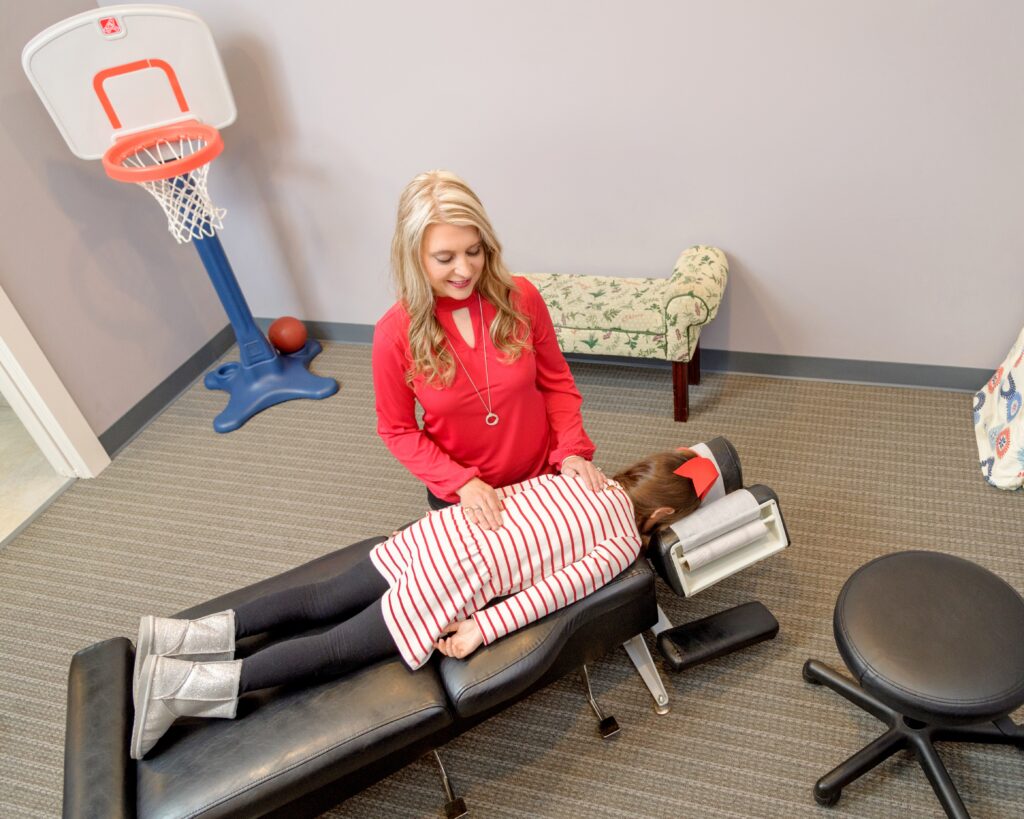

As a local chiropractor, I want to emphasize how crucial your posture is for maintaining a healthy back. Many people don’t realize that everyday habits—such as slouching at your desk or hunching over your phone—can lead to significant discomfort and pain. It’s important to become aware of these patterns and make some simple adjustments to your daily routine.
By learning about proper techniques and incorporating specific exercises, you can start to alleviate that persistent back pain. So, what are some key changes you can begin to implement today? Let’s dive into some effective strategies that can help improve your posture and overall spinal health. Remember, taking small steps can lead to significant improvements in your well-being!
Understanding the Importance of Posture
As a local chiropractor, I want to shed light on the vital role that posture plays in your overall health and well-being. You may not realize it, but maintaining good posture is crucial for aligning your spine, which in turn reduces strain on your muscles and ligaments.
When you sit or stand with proper alignment, you’re less likely to experience discomfort or fatigue. This correct posture also enhances your breathing, allowing your lungs to expand fully, which maximizes oxygen flow and invigorates your energy levels.
Furthermore, strong posture can have a surprisingly positive effect on your mood and confidence. You might find that standing tall makes you feel more assertive and focused throughout your day.
Moreover, good posture supports better digestion, as slouching can compress your internal organs, potentially leading to uncomfortable issues like heartburn.
Taking the time to understand and improve your posture is essential for your health. By being mindful of how you carry yourself, you can create a healthier lifestyle and prevent future issues.
Prioritizing your posture is an easy yet powerful step toward achieving better overall health, and as your chiropractor, I’m here to guide you on this journey to wellness. Let’s work together to cultivate a healthier you!
Common Posture Mistakes That Lead to Back Pain
As your local chiropractor, I often encounter patients who may not realize the impact of their daily habits on their spinal health. Have you noticed yourself slouching at your desk or hunching over your phone? These common posture mistakes can lead to significant back pain over time, and understanding them is the first step towards healing.
When you sit with rounded shoulders or a curved spine, you’re unnecessarily straining your back muscles and ligaments. This can create a domino effect of discomfort. Leaning forward while working or texting can exacerbate tension in your neck and upper back, leading to a cycle of pain that many people experience.
Additionally, crossing your legs while sitting can cause pelvic misalignment, which increases pressure on your lower back. Standing with your weight shifted to one leg can create imbalances that lead to discomfort as well.
Even something as simple as wearing improperly fitted shoes can contribute to poor posture, affecting your entire body alignment.
I encourage you to be mindful of these habits. By recognizing and correcting these posture mistakes, you can help alleviate back pain and cultivate a more supportive posture throughout your daily activities.
As a chiropractor, I’m here to assist you in this journey towards better alignment and natural healing. Together, we can develop strategies to improve your posture and overall well-being.
Simple Adjustments for Better Posture at Work
As a local chiropractor, I want to share with you how making simple adjustments to your workspace can significantly improve your posture and alleviate back pain.
It’s essential to start with your chair; it should offer proper support for your lower back. Make sure to adjust its height so that your feet rest flat on the floor, ensuring that your knees are at or slightly below hip level. This alignment is crucial for maintaining a healthy spine.
Next, your desk height should be at elbow level. This allows your arms to hang comfortably while you type, reducing unnecessary strain on your shoulders and neck.
When it comes to your computer monitor, position it at eye level and about an arm’s length away. This prevents you from straining your neck to read the screen, which can lead to discomfort over time. If you often reference papers, consider using a document holder to keep them at eye level as well.
Additionally, I can’t stress enough the importance of taking regular breaks to stand, stretch, and move around. These breaks not only help combat stiffness but also reinforce good posture habits.
By making these simple adjustments, you’ll create a more ergonomic workspace that supports your back and enhances your overall comfort throughout the day.
Exercises to Strengthen Your Back and Core
As a local chiropractor, I want to emphasize the importance of strengthening your back and core to alleviate pain and enhance your posture. These muscle groups provide essential support to your spine and are crucial for maintaining proper alignment.
One effective exercise to get started with is the plank. This exercise engages your entire core; aim to hold the position for 20-30 seconds, gradually increasing your hold time as you build strength.
Another great option is the bird-dog exercise. Begin on all fours and extend one arm while simultaneously extending the opposite leg, ensuring your back remains straight. Try to perform 10-15 repetitions on each side for optimal benefits.
The Superman exercise is also very beneficial. Lie face down on the floor and lift both your arms and legs off the ground simultaneously, holding this position for a few seconds before lowering them back down.
Lastly, I recommend incorporating bridges into your routine. Lie on your back, bend your knees, and lift your hips towards the ceiling, aiming for 10-15 repetitions.
Consistency is crucial! By incorporating these exercises into your regular routine, you can strengthen your back and core, ultimately leading to improved posture and a reduction in pain over time.
Stretching Techniques to Alleviate Tension
As a local chiropractor, I want to emphasize the importance of incorporating effective stretching exercises into your daily routine to alleviate back pain.
Flexibility is crucial for maintaining a healthy spine, and prioritizing it can significantly impact your overall wellness.
Let’s delve into some straightforward stretching techniques that can help relieve tension and enhance your posture, promoting a more balanced and pain-free lifestyle.
Effective Stretching Exercises
As a local chiropractor, I want to share the importance of stretching exercises in alleviating back pain and reducing muscle tension. Integrating simple stretches into your daily routine can greatly ease discomfort and promote overall wellness.
One effective stretch to start with is the cat-cow stretch. Begin on your hands and knees; arch your back upwards like a cat, then gently lower it while looking up, mimicking the motion of a cow. This stretch helps mobilize the spine and relieve tension.
Next, consider the child’s pose. Sit back on your heels and extend your arms forward, resting your forehead on the ground. This stretch not only relaxes the spine but also promotes a sense of calm.
Don’t overlook the standing hamstring stretch either. While standing, bend forward at the hips, keeping your knees slightly bent, and reach for your toes. This stretch targets the hamstrings and lower back, contributing to overall flexibility.
Be sure to hold each stretch for at least 20 seconds, allowing your breath to flow deeply. Consistency is crucial; incorporating these stretches regularly can significantly enhance your recovery and well-being.
Making these exercises a part of your daily routine will lead to the best results over time, empowering you in your journey toward natural healing.
Importance of Flexibility
As a local chiropractor, I want to share with you the significant benefits of flexibility in maintaining a healthy spine and overall well-being. Many people overlook its importance, but flexibility is essential in reducing tension and preventing back pain.
When your muscles and joints are flexible, they can move more freely, which reduces strain on your back and helps you feel more comfortable in your daily activities.
Incorporating stretching techniques into your routine can significantly enhance your flexibility. I recommend dynamic stretches before your workouts to warm up your muscles, followed by static stretches afterward to aid in recovery.
Pay particular attention to key areas such as your hamstrings, hip flexors, and lower back, as they play a vital role in your spinal health.
It’s important to remember that improved flexibility not only helps alleviate discomfort but also supports proper posture, which is crucial for a healthy spine.
By making flexibility a priority in your daily routine, you’re taking an essential step toward better back health and overall wellness.
As your chiropractor, I’m here to guide you on this journey to natural healing and optimal health.
Daily Stretching Routine
As a local chiropractor, I want to emphasize the importance of incorporating a daily stretching routine into your life to alleviate tension and enhance your overall comfort. Many people aren’t aware of how beneficial simple stretches can be for their bodies, especially when it comes to relieving stiffness and promoting natural healing.
Begin your routine with gentle neck rolls to help release any tightness in your neck area. Following this, try shoulder shrugs to ease the tension that often accumulates in the shoulders. Transition into a seated forward bend, where you reach for your toes; this not only stretches your lower back but also encourages relaxation.
A fantastic addition to your routine is the cat-cow stretch. This movement warms up your spine and helps relieve pressure in your back, making it an essential exercise. Don’t overlook the standing quad stretch, which specifically targets your hips and thighs, areas that often hold tension.
I recommend holding each stretch for 15-30 seconds while breathing deeply, as this enhances relaxation and gets your body accustomed to the movements. Aim to dedicate at least 10 minutes each day to this routine; over time, you’ll notice increased flexibility and a reduction in discomfort.
Consistency is crucial, so make stretching a priority as part of your daily self-care regimen. Remember, taking proactive steps towards your health can lead to significant improvements in your well-being!
Ergonomic Solutions for Your Home and Office
As a local chiropractor, I want to emphasize the importance of creating an ergonomic environment at home and in your office to help alleviate back pain.
One of the first steps you can take is to adjust your desk and chair to support good posture and enhance your comfort. Proper seating and desk height can greatly impact your spinal health and how your back feels throughout the day.
By making these adjustments, you not only support your body’s natural alignment but also promote overall well-being.
Optimal Desk Setup
As a local chiropractor, I want to emphasize the importance of creating an optimal desk setup to help prevent back pain and boost your productivity.
It’s crucial to position your monitor at eye level to avoid straining your neck. This simple adjustment can make a significant difference in your overall comfort.
Keep your keyboard and mouse within easy reach so that your elbows can remain at a 90-degree angle. This encourages proper alignment and helps reduce tension in your shoulders and back. Your feet should be flat on the floor or supported by a footrest to promote good posture.
Additionally, it’s vital that your chair provides adequate support for your lower back. A chair that encourages a natural curve in your spine can help alleviate discomfort.
If possible, consider using a desk that allows you to alternate between sitting and standing; this can have great benefits for your spinal health.
Lighting also plays a key role in your workspace. Make sure to avoid glare on your screen, as this can lead to eye strain and further discomfort.
Lastly, remember to take regular breaks to stretch and move around. Staying stationary for long periods can lead to stiffness, so it’s important to keep your body active.
By implementing these adjustments, you can create a workspace that not only supports your back but also helps keep your mind sharp and focused.
In my practice, I often see how these small changes can have a profound effect on overall well-being.
Let’s work together to keep your spine healthy and your work life productive!
Comfortable Seating Options
As a local chiropractor, I understand the importance of creating an ideal workspace that promotes your overall health and well-being. After optimizing your desk setup, the next crucial step is selecting comfortable seating options that support your posture throughout the day.
An ergonomic chair is essential; it should provide adequate lumbar support to help maintain the natural curve of your lower back. Adjustable features are vital—ensure that the seat height aligns with your desk and that the armrests are positioned to minimize shoulder strain.
Additionally, choose a chair made with breathable fabric to keep you comfortable during those long hours.
If you’re open to exploring alternative seating, options like a stability ball or a kneeling chair can be beneficial. These encourage active engagement of your core muscles, which can enhance your stability and reduce the risk of discomfort.
Maintaining Good Posture Throughout the Day
As a local chiropractor, I often see patients who struggle with poor posture, especially during their busy days. It’s important to understand that maintaining good posture isn’t just about looking poised; it’s essential for preventing back pain and enhancing your overall well-being.
Let’s start with some basics about body alignment. When you sit, ensure your feet are flat on the floor, your back is straight, and your shoulders are relaxed. If you find yourself standing, remember to distribute your weight evenly on both feet and keep your knees slightly bent to reduce strain.
Throughout your day, make it a habit to take breaks to stretch and move around. This will help relieve tension and reset your posture. When you’re using your phone or working on your computer, aim to hold devices at eye level to prevent leaning forward, which can lead to discomfort.
Strengthening your core muscles is also a key component in supporting your spine and maintaining good posture. Simple core exercises can significantly reduce your risk of developing poor posture over time.
Lastly, I encourage you to set reminders for yourself to check in on your posture regularly. Small adjustments can significantly impact your comfort and help you stay pain-free.
Conclusion
As your local chiropractor, I want to emphasize the importance of proper posture in your daily life, particularly for relieving back pain and promoting overall wellness. Many people may not realize how common posture mistakes can contribute to discomfort. By understanding these pitfalls and making simple adjustments, you can significantly improve your quality of life.
Incorporating strengthening exercises and stretches into your routine can also make a tremendous difference. It’s crucial to prioritize an ergonomic workspace, ensuring that your environment supports good posture. Throughout your day, I encourage you to stay mindful of your posture, as small changes can lead to significant benefits.
With consistency and dedication, you can alleviate discomfort, promote a healthier spine, and embrace a more active lifestyle. Let’s start this journey together—take the first step today towards a pain-free tomorrow!