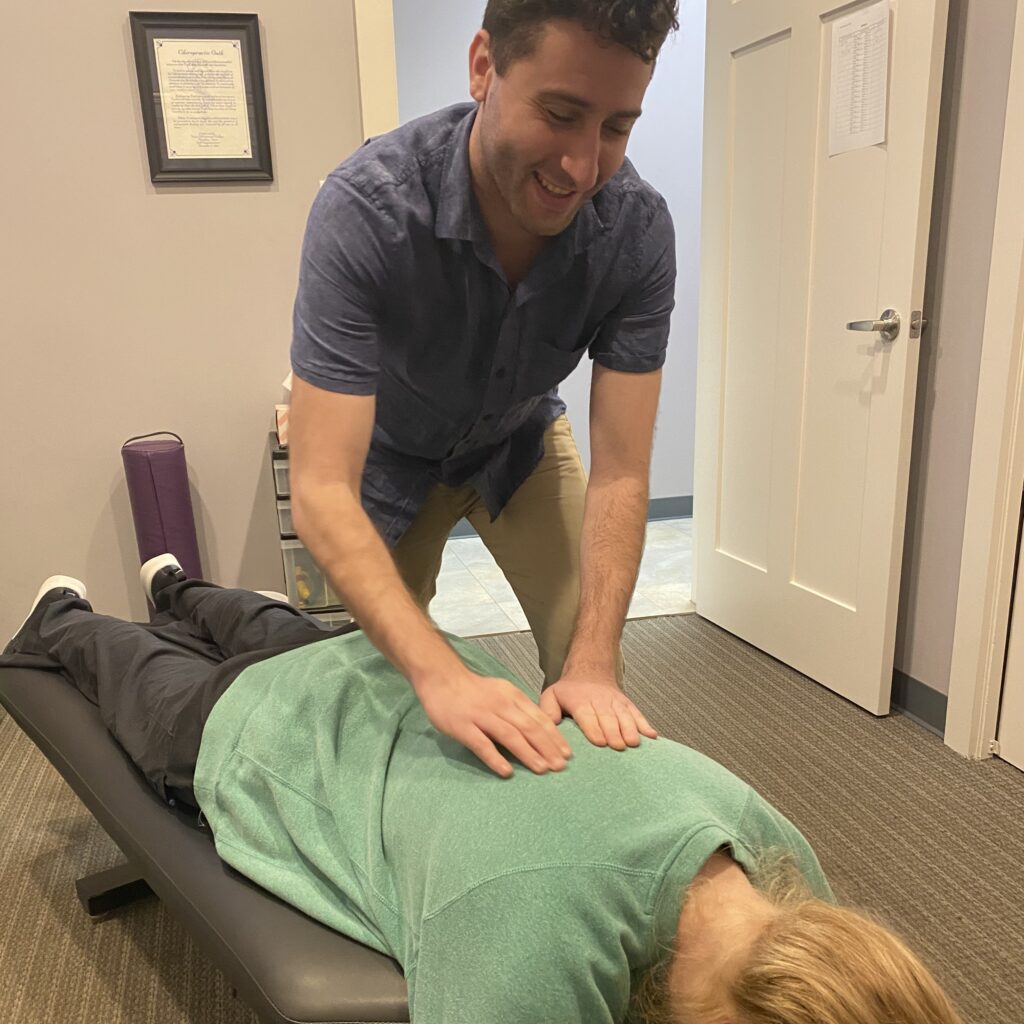

As a local chiropractor, I want to emphasize how much your daily habits can influence your risk of developing chronic pain. Many people don't realize that simple lifestyle choices can act as hidden triggers for discomfort. By taking the time to evaluate your routine, you can uncover these factors and make informed adjustments to your life that can significantly improve your well-being.
To help you with this, I've created a straightforward quiz designed to identify potential pain triggers in your daily habits. This quiz can provide valuable insights into how your lifestyle may be affecting your health. If you find surprising results regarding your health and habits, don't worry—this is an opportunity! Understanding these insights can lead you toward proactive changes that promote natural healing and pain prevention.
Remember, the first step is to assess where you currently stand. Together, we can work on strategies to enhance your overall health and prevent chronic pain through natural chiropractic care and lifestyle adjustments. Let's embark on this journey to a healthier you!
Understanding Chronic Pain
Chronic pain can subtly invade your life, disrupting your daily activities and lowering your overall quality of life. Unlike temporary discomfort, chronic pain is persistent and can linger for months or even years. You may find that engaging in activities you once loved becomes difficult, or even completing simple daily tasks feels overwhelming. This pain can arise from various sources, including injuries, underlying medical conditions, or even the aftermath of previous surgeries.
As a chiropractor, I want to help you understand the nature of chronic pain to manage it effectively. You might experience pain in different ways: it could be sharp, dull, throbbing, or burning, and it can affect various parts of your body, making it unpredictable. Unlike acute pain, which serves as a clear warning signal of injury, chronic pain often doesn't have an obvious cause, making it more challenging to address.
It's also essential to recognize that chronic pain isn't just a physical issue—it is deeply intertwined with emotional and mental health. Factors like stress and anxiety can worsen your symptoms, creating a challenging cycle.
As your chiropractor, I encourage you to openly discuss your experiences with me. This communication is vital as we explore treatment options together, which may include chiropractic adjustments, physical therapy, or lifestyle modifications.
Understanding chronic pain empowers you to take an active role in your healing journey, allowing you to regain control over your life and activities. Together, we can work towards a path of natural healing and improved well-being.
Common Risk Factors
As a local chiropractor, I want to help you understand how your lifestyle choices and genetic background can significantly impact your experience with chronic pain.
Many individuals may not realize that habits like a sedentary lifestyle or poor dietary choices can increase your risk of developing pain-related issues. Additionally, if you have a family history of chronic pain conditions, you might be more susceptible as well.
By recognizing these common risk factors, you can take proactive steps towards prevention and better health.
Chiropractic care focuses on natural healing and can play a crucial role in managing pain and improving your overall well-being.
Together, we can work on creating healthier habits that support your body's natural ability to heal and thrive.
Let's get started on your journey to a pain-free life!
Lifestyle Choices Impacting Pain
As a local chiropractor, I want to emphasize how your lifestyle choices play a crucial role in your risk of developing chronic pain. One of the most significant factors is your level of physical activity. If you're leading a sedentary lifestyle, your muscles and joints can weaken, making you more susceptible to discomfort.
On the other hand, engaging in regular exercise can improve your strength, flexibility, and endurance, which is vital for preventing pain.
Nutrition is another critical aspect to consider. A diet high in processed foods and sugars can contribute to inflammation, which is often linked to chronic pain conditions. I encourage you to focus on whole foods that are rich in antioxidants and omega-3 fatty acids, as they can significantly lower your risk of experiencing pain.
Don't underestimate the importance of sleep quality, either. Poor sleep can intensify pain perception and slow down your body's recovery process. Establishing consistent sleep patterns and creating a calming sleep environment can greatly enhance your overall health and well-being.
Lastly, managing stress is key. Chronic stress can lead to muscle tension and worsen pain. I recommend incorporating relaxation techniques such as meditation or yoga into your routine to help maintain a healthier mindset and alleviate pain levels.
Genetic Predisposition to Pain
As a local chiropractor, I want to shed light on how genetics can influence your experience of pain, which is an important factor to consider alongside your lifestyle choices. If you have a family history of chronic pain conditions, it's possible that you may be genetically predisposed to experience pain more intensely or frequently.
Certain genes play a role in how your body processes pain signals and responds to injuries, making some individuals more vulnerable to chronic pain than others. For example, variations in genes associated with inflammation or pain receptors can impact your pain threshold.
If you've noticed that pain tends to run in your family, it's worth reflecting on how your genetic makeup might be influencing your own pain experiences. Conditions such as fibromyalgia or arthritis often have a hereditary aspect, meaning you may inherit a higher risk of developing these ailments.
Understanding your genetic background can empower you to take proactive steps in managing your pain effectively. I encourage you to engage with healthcare professionals, like myself, who are knowledgeable about these genetic factors. We can provide you with personalized advice and preventative strategies that align with natural healing practices.
Lifestyle Changes for Prevention
As your local chiropractor, I want to emphasize how making simple lifestyle changes can significantly impact your ability to prevent chronic pain. By integrating a consistent exercise routine, nourishing your body with healthy foods, and adopting effective stress management techniques, you can lower your risk of experiencing pain.
Let's take a closer look at how these adjustments not only enhance your overall well-being but also help keep discomfort at bay. Regular physical activity promotes flexibility and strength, which support your spine and joints.
Meanwhile, a balanced diet fuels your body with the essential nutrients it needs to function optimally. Lastly, managing stress through techniques like mindfulness or yoga can reduce tension in your muscles, which is often a contributing factor to pain.
As we work together in your health journey, these lifestyle changes can complement the benefits of chiropractic care, paving the way for a healthier, pain-free life.
Regular Exercise Routine
As a local chiropractor, I want to emphasize that exercise plays a crucial role in preventing pain, even if you mightn't initially see it that way. Establishing a regular exercise routine can significantly lower your risk of developing chronic pain conditions. When you engage in physical activity, you strengthen your muscles, enhance flexibility, and improve your overall body mechanics. A well-functioning body is less prone to pain.
I recommend aiming for at least 150 minutes of moderate aerobic activity each week, along with strength training exercises on two or more days. This balanced routine will target various muscle groups, helping you build endurance and stability.
Whether you prefer walking, swimming, or cycling, choose activities you enjoy. This will make it easier to maintain your commitment to regular exercise.
Additionally, incorporating stretching and mobility exercises into your routine is essential for maintaining flexibility and preventing stiffness. Always pay attention to how your body feels during and after your workouts.
If something doesn't feel right, feel free to modify your routine or reach out to a professional—like me—who can guide you in the right direction. Remember, taking care of your body through exercise is a natural and effective way to support your overall health and well-being.
Healthy Eating Habits
As a local chiropractor dedicated to your wellness, I want to emphasize that preventing chronic pain goes beyond just spinal adjustments and exercise; your eating habits also play a pivotal role in your overall health.
The foods you consume can significantly impact inflammation, energy levels, and your body's ability to heal, which are all crucial factors in managing pain. Here are four essential tips to enhance your eating habits:
- Embrace Anti-Inflammatory Foods: Integrating foods high in omega-3 fatty acids—like salmon, walnuts, and flaxseeds—into your diet can be beneficial. These foods help combat inflammation in your body, which is a key factor in pain management.
- Prioritize Hydration: Staying well-hydrated is crucial for maintaining joint lubrication and optimal muscle function. I recommend aiming for at least eight glasses of water a day to support your body's natural healing processes.
- Reduce Processed Foods: It's important to limit your consumption of processed snacks and fast food that are high in sugar and trans fats. These types of foods can worsen inflammation and contribute to chronic pain, making it harder for your body to recover.
- Choose Whole Grains: Instead of reaching for refined carbohydrates, opt for whole grains like brown rice, quinoa, and whole-wheat bread. These choices not only provide essential nutrients but also offer fiber that supports your digestive health and overall well-being.
By adopting these healthy eating habits, you can complement your chiropractic care and create a more holistic approach to pain management and overall wellness.
Let's work together to help you feel your best!
Stress Management Techniques
As a local chiropractor, I want to emphasize the importance of managing stress, not only for your mental well-being but also for preventing chronic pain. When we experience stress, our bodies tend to tense up, which can lead to muscle pain and discomfort. To help you navigate this, I encourage you to incorporate some effective stress management techniques into your daily routine.
One of the simplest yet most effective methods is practicing deep breathing exercises. By taking slow, deep breaths, you can calm your mind and relax your body. A great technique is to inhale for a count of four, hold for four, and then exhale for four. This practice can significantly lower your stress levels and contribute to a more relaxed state.
Regular physical activity is another crucial aspect of stress management. Exercise releases endorphins, which are natural mood enhancers. Whether you prefer a brisk walk, yoga, or dancing, finding an activity you enjoy will make it easier to incorporate movement into your daily life, ultimately supporting your overall health.
Additionally, mindfulness and meditation play vital roles in stress reduction. Spending just a few minutes each day focusing on the present can greatly diminish anxiety and improve your outlook on life. These practices can be incredibly beneficial in complementing chiropractic care, as they promote relaxation and mental clarity.
Lastly, never underestimate the value of social support. Connecting with friends or family can provide comfort and alleviate feelings of isolation. By fostering these relationships, you can create a strong support system that encourages you to prioritize your well-being.
Incorporating these stress management techniques into your life can protect you from chronic pain and enhance your overall quality of life. As your chiropractor, I'm here to support you on this journey toward better health and wellness.
Importance of Early Detection
As a local chiropractor, I want to emphasize the importance of early detection when it comes to potential pain issues. Recognizing symptoms early on can significantly impact your long-term well-being and overall health.
By taking proactive steps, you can address concerns before they develop into chronic conditions, allowing you to enjoy a better quality of life. Here are four key reasons why early detection is crucial, especially in the context of chiropractic care and natural healing:
1. Prevention of Chronic Pain: When you identify pain signals early, it allows us to work together in seeking treatment before these issues become ingrained.
By addressing the underlying causes through chiropractic adjustments and natural therapies, we can help prevent pain from becoming a chronic problem.
2. Better Treatment Outcomes: The earlier you come in for care, the more likely you're to experience positive outcomes.
With early detection, we can explore a wider range of effective treatment options tailored to your specific needs, enhancing your healing journey.
3. Reduced Healthcare Costs: Tackling pain issues early can lead to significant savings in healthcare costs down the road.
Managing chronic pain often involves more complex and expensive interventions, while early-stage management through chiropractic care can be more straightforward and cost-effective.
4. Improvements in Mental Health: It's important to recognize that chronic pain can impact not just your physical health, but also your mental well-being.
Early detection and treatment can help alleviate the psychological stress associated with pain, reducing the risk of anxiety and depression and promoting a healthier mindset.
Taking the Quiz
As your local chiropractor, I want to emphasize the importance of understanding your body's signals. Taking this quiz can serve as an excellent starting point to gain insights into your physical and emotional well-being. By reflecting on your pain levels, daily activities, and emotional health, you can uncover patterns that may indicate a risk for chronic pain—something we see often in practice.
As you go through the quiz, I encourage you to really tune into how you feel when answering each question. Are you frequently experiencing discomfort? Do certain movements or activities exacerbate your pain? These questions are crafted to help you identify specific concerns that could impact your quality of life. Your answers may highlight areas where you might benefit from adjustments in your routine or, potentially, a visit to my office for a more thorough evaluation.
Take your time with this quiz; don't rush through it. Thoughtfully considering each question will provide you with a clearer understanding of your current health status. The aim isn't simply to finish the quiz, but to gain valuable knowledge about your body, which will empower you to make informed choices regarding your health and wellness.
Once you've completed the quiz, take a moment to review your answers. Look for trends or specific areas that may warrant further attention. This exercise isn't just a one-time activity. I recommend revisiting the quiz periodically to track how your situation may change over time.
Next Steps for Your Health
As your local chiropractor, I'm here to guide you on your journey to better health after completing your pain risk assessment. Understanding your pain risk is just the starting point; now, let's explore how you can take proactive steps to prevent chronic pain and enhance your overall well-being through natural healing methods.
Here are four essential strategies to incorporate into your lifestyle:
1. Stay Active: Regular movement is crucial for maintaining a healthy body. Physical activity not only strengthens your muscles but also improves flexibility and supports joint function.
I recommend aiming for at least 150 minutes of moderate exercise each week. This can include activities like walking, swimming, or resistance training. Remember, even simple stretches can make a big difference!
2. Practice Mindfulness: Stress is a common trigger for pain, and managing it's key to your recovery. Mindfulness practices such as meditation, yoga, or deep-breathing exercises can help you lower stress levels and change your perception of pain.
Consider incorporating these techniques into your daily routine to foster relaxation and resilience.
3. Maintain a Balanced Diet: What you eat has a profound impact on how you feel. A diet rich in anti-inflammatory foods—think colorful fruits and vegetables, whole grains, and healthy fats—can support your body's healing processes.
Don't forget to stay hydrated too; proper hydration is essential for overall health and can influence how your body responds to pain.
4. Seek Professional Guidance: If you're experiencing pain, don't hesitate to reach out. As a chiropractor, I offer personalized assessments and treatments to address your specific needs.
From spinal adjustments to lifestyle advice, my goal is to empower you with the tools and knowledge to manage your pain naturally.
Let's work together to create a comprehensive plan that supports your health and well-being!
Conclusion
As your local chiropractor, I invite you to take our quiz as an important step toward understanding your unique risk factors for chronic pain. This assessment will provide you with valuable insights that can help you make informed decisions about your physical activity, nutrition, and stress management. Remember, early detection is key—by recognizing potential issues early on, we can work together to develop effective prevention strategies. Don't let pain control your life; take charge of your health today and open the door to a future where you feel empowered and free from discomfort. Let's embark on this journey to wellness together!