
If you’ve experienced whiplash, you understand how challenging it can be. Recovery should take a holistic approach, with chiropractic care at the forefront of your healing journey. By focusing on spinal health and natural healing methods, you can significantly improve your recovery process.
First, it’s essential to understand your symptoms. Whiplash can lead to neck pain, stiffness, headaches, and even dizziness. A chiropractor can help assess your specific situation and create a tailored plan to address your unique needs.
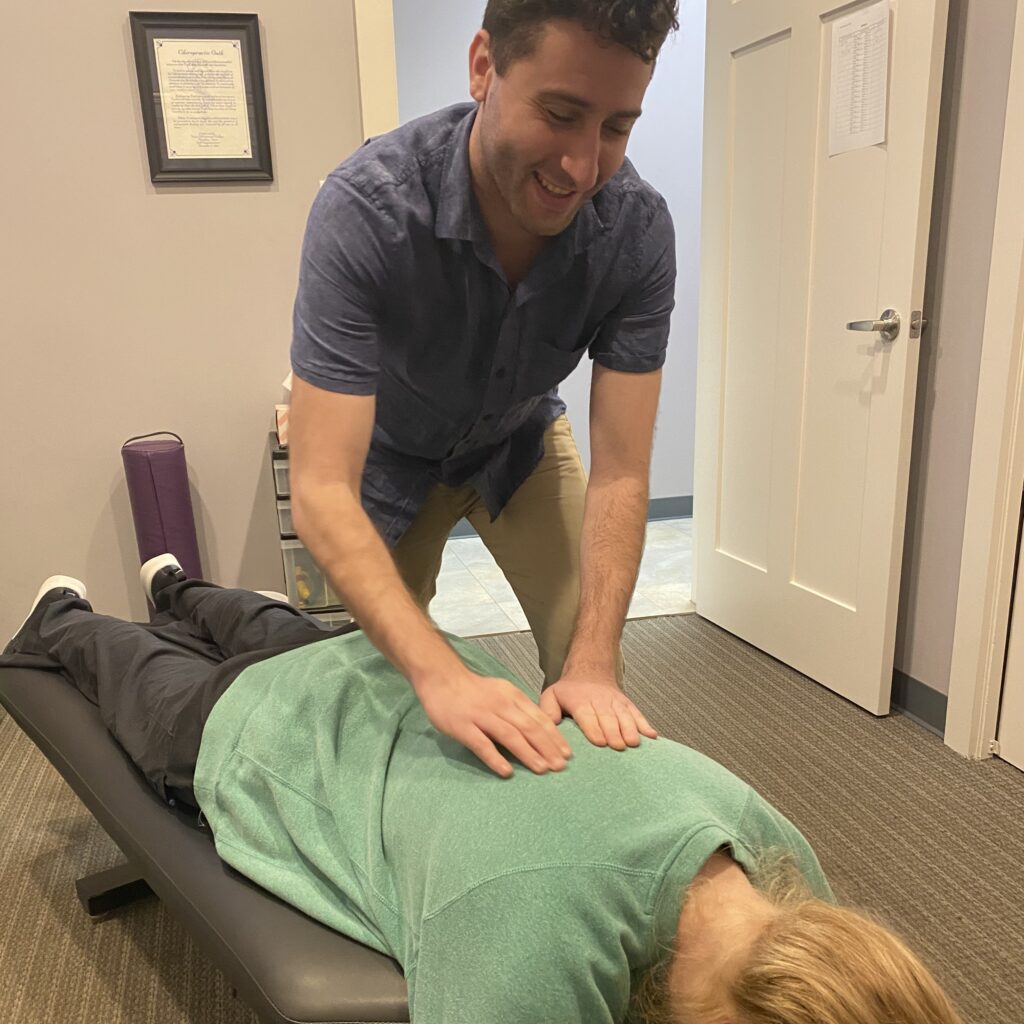
Effective pain management strategies are crucial, and chiropractic adjustments play a vital role. Gentle spinal manipulations can help realign your spine, reduce muscle tension, and promote better blood flow, all of which can alleviate pain and enhance your body’s natural healing abilities.
In addition to chiropractic care, consider incorporating lifestyle adjustments that support your recovery. Regular gentle exercises, proper posture, and ergonomic adjustments in your daily activities can all contribute to a healthier spine. Staying hydrated and maintaining a balanced diet rich in anti-inflammatory foods can also aid in your healing process.
By prioritizing chiropractic care and making these lifestyle changes, you can pave the way for a smoother recovery from whiplash while reducing the risk of future issues. So, why not start focusing on your spinal health today? Your body will thank you for it!
Key Takeaways
- Start your recovery journey by applying ice packs to the affected area. This helps reduce swelling and numbs the pain. As you progress, switch to heat therapy, which can relax tight muscles and improve blood flow to the area.
- Gentle stretching exercises are key to regaining neck mobility and reducing stiffness. Incorporate simple movements like tilting your head from side to side and gently rotating your neck to keep it limber.
- Consider visiting a chiropractor for professional adjustments. Chiropractic care focuses on restoring spinal alignment, which is crucial for alleviating pain and promoting overall health. Your chiropractor can provide tailored treatments that address your specific needs.
- Physical therapy can be a great complement to chiropractic care. Look for personalized programs that emphasize building strength and improving your range of motion. This holistic approach will support your recovery and help you feel your best.
- Don’t forget to schedule regular check-ups with your healthcare provider, including your chiropractor. Consistent monitoring of your neck health is essential for preventing future issues and ensuring your wellness journey stays on track.
Remember, choosing chiropractic care is a natural way to achieve pain relief and enhance your overall well-being. Embrace these tips as part of your healing process, and always prioritize your spinal health!
Understanding Whiplash: Symptoms and Diagnosis
When you experience a sudden jolt or impact, such as in a car accident, it’s important to be aware that it can lead to whiplash, a common neck injury that affects many people. Whiplash occurs when your head is suddenly forced forward and then back, straining the neck muscles and ligaments. Symptoms may arise right away or could develop over a few days. You might notice stiffness in your neck, headaches, or pain that spreads to your shoulders and back.
Keep an eye on these symptoms, as they can vary from mild to severe. Some individuals may experience dizziness, fatigue, or trouble concentrating, while others could have blurred vision or ringing in the ears. It’s crucial to understand that these symptoms can signal an underlying issue that needs attention.
As a chiropractor, I want to emphasize the importance of early recognition and treatment of whiplash. Chiropractic care is a natural and effective approach for managing pain and promoting healing. Through gentle adjustments and targeted therapies, we can help restore proper alignment and function to your spine, reducing discomfort and enhancing your overall well-being.
In addition to seeking chiropractic care, there are some simple practices you can incorporate into your daily routine to support your recovery. Here are a few tips:
- Stay Hydrated: Drinking plenty of water helps maintain the elasticity of your muscles and supports overall health.
- Gentle Stretching: Perform gentle neck stretches to alleviate stiffness, but be sure to listen to your body and not push yourself too hard.
- Rest and Relaxation: Allow your body time to heal by getting adequate rest and managing stress levels.
- Heat or Ice Therapy: Applying heat or ice can help soothe pain and reduce inflammation in the affected area.
- Posture Awareness: Maintain good posture throughout the day to prevent additional strain on your neck.
The Role of Physical Therapy in Recovery
Physical therapy can be a valuable part of your recovery from whiplash, and when paired with chiropractic care, it can lead to exceptional results. As a local chiropractor, I believe that chiropractic care is one of the best ways to naturally relieve pain and promote healing.
When you participate in physical therapy, you’ll work alongside a knowledgeable therapist who’ll create a personalized program just for you. This program typically includes exercises designed to improve your neck’s mobility, strengthen the surrounding muscles, and enhance your overall stability. These exercises can help you regain your range of motion and ease any stiffness you may be experiencing.
In addition to exercises, your therapist may use hands-on techniques known as manual therapy, as well as heat or cold therapy to support your healing process. It’s crucial to communicate openly about how you’re feeling during your sessions. Your feedback will help tailor your treatment, ensuring you get the most out of every visit.
Regular attendance at your therapy appointments is key to a successful recovery. With commitment and consistency, you’ll likely see significant improvements, allowing you to return to your everyday activities with confidence and comfort.
Here are some general tips to consider during your recovery journey:
- Prioritize rest and give your body time to heal.
- Stay hydrated and maintain a balanced diet to support your recovery.
- Incorporate gentle stretches into your daily routine to keep your muscles loose.
- Consider regular chiropractic adjustments to help align your spine and relieve tension.
Pain Management Strategies for Whiplash
Effective pain management strategies for whiplash are vital for your recovery and overall well-being. One of the best approaches to find relief is through chiropractic care. Chiropractors specialize in assessing and treating musculoskeletal injuries, including whiplash, by focusing on spinal alignment and overall body function.
In the initial phase after a whiplash injury, it’s important to manage pain naturally. You can start by applying ice packs to the affected area for the first couple of days. This can help numb pain and reduce swelling.
After the initial swelling subsides, switching to heat therapy, such as warm compresses or heating pads, can help relax tense muscles.
Gentle stretching exercises can also be beneficial. These movements can improve mobility and reduce stiffness, but always listen to your body and avoid any activities that increase your pain.
In addition to physical techniques, consider incorporating relaxation methods such as deep breathing exercises or meditation. These practices can help manage stress and improve your overall pain perception.
Remember, if your pain continues, it’s essential to consult a chiropractor. They can provide personalized care to address your specific needs and help you on your path to recovery without the need for medications or invasive procedures.
Prioritize your comfort and well-being by embracing natural healing methods like chiropractic care, which focuses on restoring balance and function to your body.
Taking these proactive steps can lead to optimal health and a smoother recovery journey.
Lifestyle Adjustments to Enhance Healing
After experiencing a whiplash injury, it’s natural to focus on managing pain, but making a few simple lifestyle adjustments can significantly enhance your healing journey. As a chiropractor, I believe in the power of natural healing and the importance of creating an optimal environment for recovery.
First and foremost, prioritize rest. Your body is working hard to heal, so listen to its cues and avoid overdoing it. While rest is crucial, gentle activities such as stretching or walking can aid in improving blood flow and flexibility, both of which are important for recovery.
Nutrition is another key player in your healing process. Aim for a balanced diet filled with foods rich in antioxidants, omega-3 fatty acids, and proteins. These nutrients help support tissue repair and overall wellness.
Don’t forget to stay hydrated—drinking plenty of water is essential for maintaining your body’s functions and promoting healing.
Incorporating stress reduction techniques, such as meditation or deep breathing exercises, can also be beneficial. Lowering stress levels helps ease tension in your neck and shoulders, allowing your body to focus more on healing.
Lastly, ensure you’re getting quality sleep. Restorative sleep is essential for recovery, as it allows your body to repair itself. Establishing a calming bedtime routine can improve the quality of your sleep.
Long-term Care and Prevention of Whiplash Recurrence
Once you’ve made the necessary lifestyle adjustments for your initial recovery from whiplash, focusing on long-term care and prevention of recurrence is essential. By adopting proactive measures, particularly through chiropractic care, you can maintain your progress and significantly reduce the risk of future injuries.
Here are some key strategies to consider:
- Regular chiropractic visits: Regular adjustments can help align your spine, improve mobility, and strengthen your neck muscles, making you less susceptible to future injuries.
- Exercise: Engage in gentle, low-impact activities like swimming or yoga. These exercises can help build strength and flexibility in your neck and upper back, which are crucial for overall stability.
- Posture awareness: Maintaining good posture while sitting and standing is vital. Be mindful of how you hold your body, especially when working at a desk or using your phone, to minimize strain on your neck.
- Ergonomic adjustments: Arrange your workspace for optimal comfort. Use supportive chairs and ensure your computer screen is at eye level to avoid unnecessary neck strain.
- Stress management: Incorporate relaxation techniques into your daily routine. Practices like meditation, deep breathing, or gentle stretching can help reduce tension in your neck and shoulders.
- Continuous care: Schedule regular check-ups with your chiropractor. These visits are crucial for monitoring your neck health and ensuring that any issues are addressed promptly.
By integrating these strategies into your lifestyle, you can promote natural healing and achieve optimal health.
Chiropractic care is a powerful tool in this journey, helping you stay pain-free and active. Remember, taking charge of your health is the best way to prevent whiplash from returning!
Conclusion
In conclusion, recovering from whiplash is all about embracing a holistic approach that prioritizes natural healing. Chiropractic care stands out as a powerful method for alleviating pain and restoring your body’s balance. By working with a chiropractor, you can benefit from targeted adjustments that help realign your spine, reduce tension, and promote better mobility.
In addition to chiropractic adjustments, incorporating gentle exercises and stretches into your daily routine can significantly enhance your recovery. Focus on maintaining good posture, which is essential for preventing future injuries. Simple changes, like using ergonomic furniture and being mindful of how you sit and stand, can make a big difference in your overall well-being.
Don’t forget the importance of relaxation techniques, such as deep breathing or gentle yoga, to help manage stress and tension in your body. Staying consistent with your chiropractic visits and following your chiropractor’s guidance will ensure you are on the right path to regaining strength and mobility.
Prioritize your health by choosing natural methods for recovery, and remember that you don’t have to navigate this journey alone. Seeking professional chiropractic care can provide you with the support you need to achieve optimal health and wellness. With dedication and the right approach, you can look forward to a smoother recovery and a healthier future.