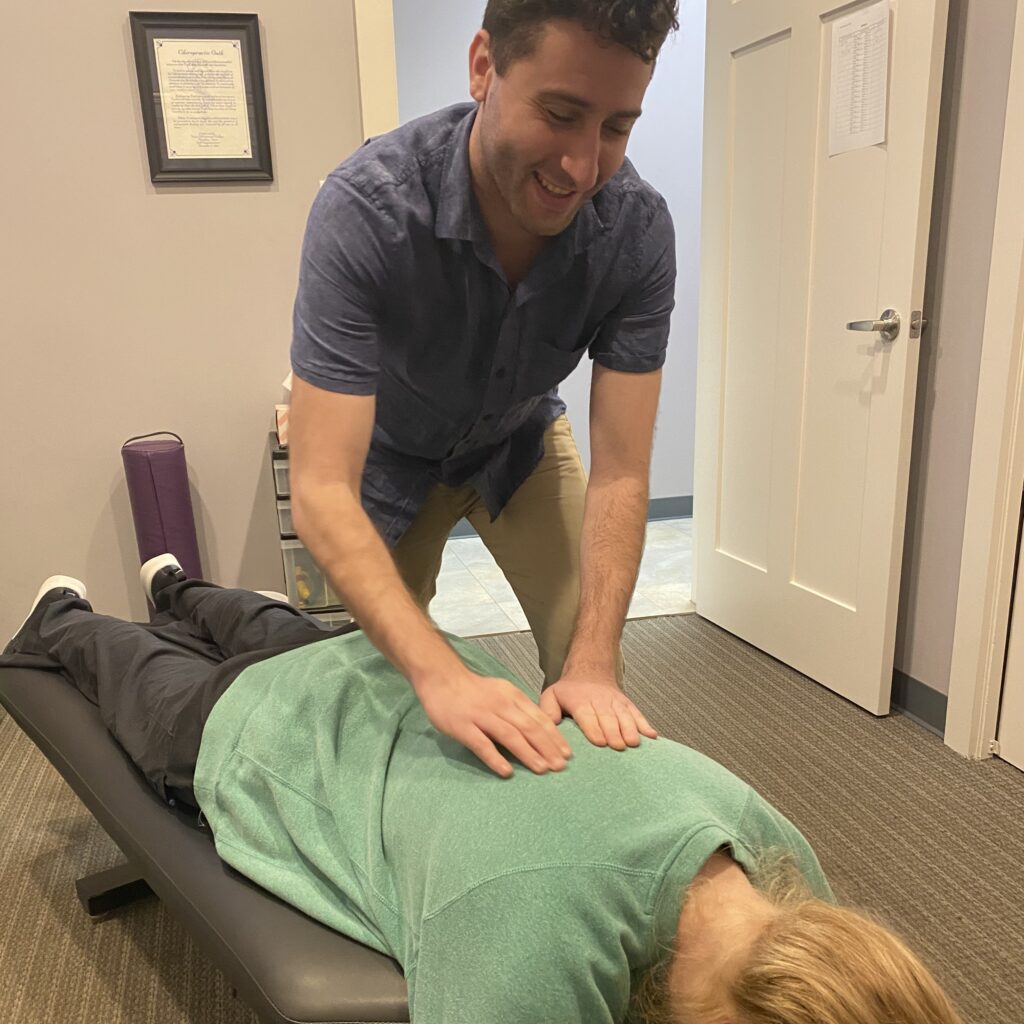

As a local chiropractor dedicated to the health and well-being of infants and toddlers, I want to emphasize the importance of safe treatment methods in your child's care. While you may already understand the significance of precise medication dosages and secure storage, have you considered incorporating chiropractic care and natural remedies into your approach? Balancing conventional medical treatments with gentle chiropractic adjustments can greatly enhance your child's comfort during common ailments.
Chiropractic care focuses on the body's natural ability to heal itself, making it a valuable addition to your child's health regimen. It can help alleviate discomfort from colic, ear infections, and other issues without the need for medication. As you explore these options, it's crucial to remain aware of when to seek professional help—knowing when to consult a chiropractor or pediatrician can be a game-changer for your little one.
What strategies are you currently using in your child's care? I encourage you to consider the benefits of chiropractic treatment as a safe, natural alternative.
Understanding Infant and Toddler Needs
As a local chiropractor, I want to share with you the importance of understanding the needs of infants and toddlers for their overall health and development. These little ones require much more than just basic care; they benefit greatly from a holistic approach that includes physical, emotional, and social support.
Let's start with their physical needs. Infants and toddlers often experience discomfort due to the natural processes of growth and development. Regular chiropractic adjustments can help alleviate tension and promote better sleep patterns, which are crucial during this stage. Infants need frequent feedings and proper positioning during these times, while toddlers may begin to explore solid foods, which can also affect their digestive comfort.
Paying attention to their cues—like fussiness or restlessness—can guide you in addressing their physical needs effectively.
Emotionally, infants and toddlers thrive on nurturing relationships. As caregivers, our responsiveness to their cries and smiles fosters a sense of security and attachment. Engaging with them through eye contact, gentle touch, and soothing sounds not only strengthens emotional bonds but can also enhance their overall well-being.
Remember, children learn to express their emotions by observing the interactions they've with you.
Socially, infants and toddlers are naturally curious and eager to explore their environment. It's important to create a safe and supportive space for them to crawl, walk, and play. By incorporating interactive playtime and movement, you help them develop essential motor skills and cognitive abilities.
Chiropractic care can support this by ensuring their bodies are aligned and functioning optimally, allowing for easier movement and exploration.
Lastly, consistency plays a vital role in their development. Establishing routines around meals, naps, and playtime provides them with a sense of stability. As a chiropractor, I encourage parents to not only focus on physical care but to also integrate natural healing practices that promote overall health.
Common Ailments in Young Children
As a local chiropractor, I understand that common ailments in young children can be a source of concern for parents, especially since little ones often struggle to communicate their discomfort.
It's essential to be aware of the signs and symptoms of these common issues, as addressing them can lead to more effective care and support for your child. Here are four prevalent ailments I often see in young children and how chiropractic care can play a role in their recovery:
1. Colds: Children frequently catch colds, which can manifest as a runny nose, cough, and mild fever.
While these symptoms typically resolve on their own within about a week, chiropractic adjustments can help enhance the immune system's response and promote overall wellness, potentially reducing the frequency of these illnesses.
2. Ear Infections: If your child is tugging at their ear or seems more irritable than usual, an ear infection could be at play.
Symptoms may include pain and fever. Chiropractic care can support proper alignment of the spine and cranial structures, which may help alleviate pressure in the ear and promote drainage, potentially reducing the occurrence of infections.
3. Gastrointestinal Upset: Diarrhea or vomiting can happen, especially after exposure to a virus or certain foods.
Keeping your child hydrated is crucial, but chiropractic adjustment can also help restore normal function to the nervous system and digestive tract, which may assist in quicker recovery from gastrointestinal disturbances.
4. Rashes: Rashes can vary widely, from diaper rash to viral infections like chickenpox.
While monitoring the rash is important, chiropractic care can support your child's overall health and well-being, possibly preventing future outbreaks by enhancing their immune response.
By integrating chiropractic care into your child's health regimen, you can help support their body's natural healing processes and promote a healthier, more resilient child.
If you have any concerns about your child's health or how chiropractic care can assist, don't hesitate to reach out for more information.
Safe Medication Practices
As a local chiropractor dedicated to promoting holistic health, I want to share some important information about managing your family's health, especially when it comes to medication practices.
It's essential to ensure that you're administering the correct dosage of any medication at the right times. Always take the time to read medication labels thoroughly, and if there's any uncertainty, don't hesitate to reach out to your pediatrician or pharmacist. They can provide valuable guidance based on your child's specific needs.
When it comes to measuring medication, it's crucial to use the appropriate tools. I recommend avoiding kitchen spoons, as they can lead to inaccurate dosing. Instead, opt for a syringe, dropper, or a specially designed measuring cup to ensure precision.
After each use, make sure to clean these tools properly to prevent any risk of contamination.
It's also vital to keep all medications out of reach of children. Even familiar-looking bottles can be mistaken for candy. Store medications in a locked cabinet or on a high shelf, and always ensure that child-resistant caps are securely fastened.
If your child is reluctant to take their medication, it's important to remain calm and patient. Sometimes, mixing the medication with a small amount of food or drink can make it easier for them. However, always consult with your healthcare provider to confirm that this won't interfere with the medication's effectiveness.
Lastly, I encourage you to keep an organized record of your child's medications. Creating a chart or log to track what they've taken and when can help prevent double dosing and keep you informed about their treatment plan.
Natural Remedies for Discomfort
As a local chiropractor, I understand that when your child is experiencing discomfort, seeking natural remedies can be a beneficial approach to provide gentle relief.
Techniques such as herbal teas, gentle massage, and warm compresses can all play a role in easing your child's discomfort.
Let's discuss how these natural remedies, combined with chiropractic care, can help soothe your child and promote overall well-being.
Herbal Teas for Relief
As a local Chiropractor, I often emphasize the importance of holistic approaches to health, especially for our littlest patients—infants and toddlers. Many parents are looking for natural remedies to alleviate discomfort in their young children, and herbal teas can be a gentle and effective option.
However, it's vital to consult with your pediatrician before introducing any new remedies to ensure safety and appropriateness for your child's age and condition.
- Chamomile Tea: This herb is renowned for its calming effects. Chamomile tea can be particularly helpful for digestive issues and may promote better sleep. A small, diluted amount can provide comfort without overwhelming their system.
- Peppermint Tea: For little ones experiencing tummy troubles, peppermint tea can be beneficial in relieving gas and bloating. It's important to ensure that the tea is mild and well-diluted to suit a child's delicate digestive system.
- Ginger Tea: Ginger is well-known for its soothing properties when it comes to nausea and aiding digestion. A weak ginger tea can be a comforting option for children who may be feeling unwell.
- Fennel Tea: Fennel is excellent for alleviating colic and gas in infants. A diluted fennel tea can serve as a gentle remedy for tummy discomfort, helping to soothe and calm your baby.
When preparing these herbal teas, always ensure they're cooled and diluted appropriately for your child's age.
Incorporating these soothing beverages into your natural remedy toolkit can complement the chiropractic care your child receives.
Gentle Massage Techniques
As a local chiropractor, I want to share some effective natural remedies that can provide comfort for infants and toddlers experiencing discomfort. Alongside herbal teas, gentle massage techniques can be incredibly beneficial in alleviating issues like gas, colic, and general fussiness in young children.
These soothing methods not only help your little one feel more comfortable but also foster a nurturing bond between caregiver and child.
To begin, it's important to ensure that your hands are warm and clean, which helps create a calming atmosphere. You might consider using a small amount of baby-safe oil, such as coconut or almond oil, to facilitate smoother movements during the massage.
Start by gently stroking your baby's tummy in a clockwise direction. This technique can assist with digestion and help ease gas pains, promoting overall comfort.
If your baby is teething, you can provide relief by gently rubbing their gums with a clean finger. Additionally, massaging the jaw area can help alleviate tension associated with teething.
For toddlers who may feel anxious, a light rub on their back or shoulders, using gentle pressure, can instill a sense of security and relaxation.
As you practice these techniques, it's crucial to pay attention to your child's responses. If they seem to enjoy the touch, continue; if they show signs of discomfort, it's best to stop.
The primary goal is to create a calming, positive experience that not only alleviates discomfort but also enhances the emotional bond you share.
Incorporating these gentle massage techniques into your routine can significantly promote relaxation and overall well-being for your little one.
As a chiropractor, I encourage you to explore these natural healing methods as part of a holistic approach to your child's health.
Warm Compress Applications
As a local Chiropractor, I often emphasize the importance of natural healing techniques for infants and toddlers who may be experiencing discomfort, particularly from issues like gas, colic, or teething pain.
One effective method that can provide immediate relief is the use of a warm compress. This simple technique not only soothes the affected area but also promotes relaxation and reduces tension in your little one.
Here's how to safely and effectively use warm compresses:
- Select Your Compress: Opt for a soft cloth or a small towel. If you prefer, a heating pad set on low can also be used, but ensure it's not overly hot to avoid any risk of burns.
- Heat It Up: To prepare the compress, soak the cloth in warm (not hot) water and wring it out well. Alternatively, you can microwave a damp cloth for about 10-15 seconds. Remember to always test the temperature before applying it to your child's skin.
- Application: Carefully place the warm compress on your child's tummy or gums, depending on where they're feeling discomfort. Hold it in place for around 5-10 minutes, allowing the warmth to work its magic.
- Monitor Closely: It's crucial to keep a watchful eye on your child during this process. If they appear uncomfortable or if the compress feels too hot, remove it immediately to ensure their safety and comfort.
By incorporating these steps into your caregiving routine, you can create a soothing experience that may help alleviate your child's discomfort naturally.
As a Chiropractor, I encourage parents to explore these gentle methods as part of a holistic approach to health and wellness for their little ones.
Importance of Hydration
As a local chiropractor, I want to emphasize the crucial role that hydration plays in the overall well-being of your little ones. Many parents may not be aware of how vital proper hydration is for their children's health and development.
Understanding the signs of dehydration and identifying the best hydration sources for infants can significantly impact their physical and mental wellness.
Just as we focus on spinal alignment and overall body function in chiropractic care, hydration is essential for maintaining optimal health. Adequate fluid intake supports proper digestion, nutrient absorption, and even helps in reducing inflammation.
Let's delve into why ensuring your child stays well-hydrated is so important for their growth and vitality. Remember, a well-hydrated body can function more effectively, allowing for better movement and overall health.
Signs of Dehydration
As a local chiropractor dedicated to holistic health, I want to emphasize the importance of proper hydration for your infant or toddler. Understanding the signs of dehydration is crucial for their overall well-being, especially in young children who can become dehydrated quickly.
Here are some key indicators to watch for:
- Dry Mouth and Throat: If you notice that your child's mouth feels dry or sticky, this is a significant warning sign that they may be dehydrated.
- Fewer Diapers: Pay attention to how many wet diapers your little one is producing. If they're wetting less than six diapers in a 24-hour period, this could indicate a lack of hydration.
- Sunken Eyes or Fontanelle: Check for sunken eyes or a soft spot on their head that appears to be sunken in. These physical signs can be concerning and suggest dehydration.
- Irritability or Lethargy: If your child seems more irritable or less energetic than usual, it could be a signal that they aren't getting enough fluids.
As a chiropractor, I believe in the interconnectedness of the body's systems, and hydration is a vital component of health.
If you observe any of these symptoms, addressing hydration promptly is essential. Keeping a close eye on your child's fluid intake can help prevent more serious health complications in the future.
If you have any concerns or questions about your child's hydration or overall health, please don't hesitate to reach out to your pediatrician or consult with a holistic health professional.
Hydration Sources for Infants
As a local chiropractor, I want to emphasize the importance of proper hydration for your infant's growth and wellness, which is closely linked to their overall health.
Just as we focus on aligning the spine and supporting the body's natural healing processes, ensuring your little one is well-hydrated is crucial for their development.
For infants under six months, breast milk serves as the primary source of hydration. It's a perfect blend of nutrients and fluids that support your baby's healthy growth.
If you're using infant formula, rest assured that it also provides the necessary hydration, and there's no need to supplement with extra water at this stage.
Around six months, when your baby begins to explore solid foods, you can start introducing small amounts of water. Offering sips during meals can help them adjust to this new phase while ensuring they stay hydrated.
While diluted fruit juices can be given occasionally, it's wise to limit them to prevent excess sugar intake.
As your child grows into a toddler, whole milk becomes a good source of hydration, but it's essential to continue offering plenty of water as well.
Keep in mind that during hot days or if your child is feeling unwell, they may require additional fluids. Watching for signs like wet diapers and their overall mood can be a helpful way to gauge their hydration levels.
By prioritizing hydration, alongside chiropractic care, you're supporting your child's health naturally and holistically.
If you have any questions about your child's wellness or hydration needs, feel free to reach out!
When to Seek Professional Help
Recognizing when to seek professional help for your infant or toddler can be daunting, especially with the numerous developmental milestones and health concerns that arise.
As a local chiropractor, I want to emphasize the importance of trusting your instincts as a parent. If you notice any troubling signs in your child, don't hesitate to reach out for guidance, whether it be from a healthcare professional or a chiropractor who specializes in pediatric care.
Here are four key situations where seeking help is essential:
- Fever: If your infant under three months has a fever above 100.4°F (38°C) or your toddler has a fever over 102°F (38.9°C) lasting more than a couple of days, it's crucial to consult a doctor. Fever can be a sign of underlying issues that may need attention.
- Breathing Difficulties: If your child is struggling to breathe, exhibiting wheezing, or breathing significantly faster than normal, this is a situation that requires immediate medical assistance. Proper respiratory function is vital for overall health.
- Dehydration: Signs of dehydration, such as a dry mouth, no tears when crying, or fewer wet diapers, shouldn't be ignored. Seeking professional advice can help prevent further complications.
- Developmental Delays: If your child isn't meeting developmental milestones like sitting up, crawling, or talking, it may be beneficial to discuss your concerns with a healthcare provider. Chiropractic care can support developmental health by ensuring that the nervous system functions optimally, which is essential for growth.
Remember, as a chiropractor, I'm here to support your child's health journey.
Early intervention can make a significant difference in their development and overall well-being. Don't hesitate to reach out for support and guidance when you need it.
Creating a Safe Environment
Creating a safe environment for your infant or toddler is essential for their overall well-being and development, and as a local chiropractor, I want to emphasize the importance of a holistic approach to safety that includes physical health. One of the first steps is childproofing your home. Ensure that heavy furniture is securely anchored to the walls to prevent tipping accidents that can lead to injuries. Safety gates can be incredibly useful to restrict access to stairs or other hazardous areas in your home.
It's also crucial to safeguard against electrical hazards. Use outlet covers to protect little fingers from potential shocks, and ensure that cords from blinds or curtains are kept out of reach. This not only promotes physical safety but also contributes to a stress-free environment where your child can explore and develop.
When it comes to health, keeping harmful substances away from children is a priority. Store cleaning supplies, medications, and other toxic items in high cabinets or locked areas to avoid accidental ingestion. Always have a poison control number easily accessible for emergencies.
Additionally, when choosing toys, make sure they're age-appropriate, and free from small parts that might pose a choking hazard.
A clean and organized space is vital for both safety and health. Regularly check for small items on the floor that could be ingested, and remove clutter or sharp objects that could lead to injury. Ensure that all furniture is smooth and free from splinters or sharp edges, which can be harmful if children come into contact with them.
Safe sleeping arrangements are another critical aspect. Always place your baby on their back in a crib that meets safety standards, equipped with a firm mattress and devoid of loose bedding or toys that could obstruct breathing. Monitor room temperatures to prevent overheating, ensuring a comfortable and safe sleeping environment.
As a chiropractor, I also encourage parents to be mindful of their child's physical development. Proper posture and a safe play area can support healthy growth. Incorporating gentle movements and supervised play can enhance their physical capabilities while ensuring a safe environment for exploration.
Tips for Effective Communication
Effective communication is crucial not just in parenting but also in educating patients about chiropractic care and natural healing. When you engage effectively, you foster trust and understanding in your journey towards better health.
Here are some tips to enhance our communication about chiropractic care:
- Use Simple Language: It's important to keep our explanations clear and straightforward. Many patients mightn't be familiar with complex medical jargon. Instead of saying, "Your spinal alignment affects your overall health," you might say, "We can help your back feel better!"
- Non-Verbal Cues Matter: Your body language plays a significant role in how you receive information. I encourage you to pay attention to my gestures and facial expressions during our discussions. If I smile while explaining a treatment, it's because I want you to feel positive about your healing process.
- Be Responsive: I value your questions and concerns about chiropractic care. Whether you're sharing your symptoms or asking about treatment options, your input is essential. For instance, if you mention discomfort in your lower back, I'll say, "You're feeling pain there? Let's find a way to help you!"
- Encourage a Collaborative Approach: Think of our sessions as a partnership in your health journey. I encourage you to engage actively by asking questions, sharing your experiences, and discussing your goals. This collaboration helps tailor your care to fit your needs and makes the process more enjoyable.
Building a Support Network
Building a Strong Support Network for Your Family's Health
As a chiropractor, I understand that having a strong support network can greatly enhance your journey through parenthood, especially when raising infants and toddlers. Surrounding yourself with individuals who recognize the challenges and joys of nurturing young children can significantly impact your family's overall well-being.
Start by connecting with family members and close friends who can offer assistance or simply lend an ear when you need to share your thoughts. Their support and encouragement can provide invaluable reassurance, especially during those challenging moments.
Consider exploring local parenting groups or online forums focused on family wellness. These communities are fantastic resources for sharing tips, experiences, and advice related to not only parenting but also natural health practices. By engaging with other parents, you can alleviate feelings of isolation and even develop lasting friendships that reinforce your support system.
Don't overlook the importance of professional guidance. As a chiropractor, I can provide insights into how spinal health and body alignment can affect both your and your child's well-being. Pediatricians and early childhood educators can also offer valuable perspectives tailored to your child's developmental needs.
If you have a partner, it's vital to lean on each other. Share responsibilities and communicate openly about your feelings and health concerns. A collaborative approach can help both of you feel more supported and balanced as you navigate the challenges of parenthood.
Finally, prioritize self-care. A robust support network goes beyond seeking help; it also involves carving out time for yourself. When you're rested and mentally healthy, you're better equipped to care for your little ones and make informed decisions about their health.
Conclusion
As a local chiropractor dedicated to the health and well-being of your little ones, it's vital to emphasize the importance of safety in their care. Understanding your infant or toddler's unique needs is key to providing them with the best support. Chiropractic care offers gentle and natural methods that can help alleviate common discomforts without the use of medication.
I encourage parents to consider safe treatment options that focus on the whole child. Exploring natural remedies and ensuring your child stays well-hydrated are important steps in promoting their health. Remember, it's perfectly okay to seek guidance from healthcare professionals, including chiropractors, who specialize in pediatric care.
Creating a safe environment at home and building a support network can also significantly enhance your journey as a caregiver. Together, we can ensure that your little one remains healthy, happy, and thriving. If you have questions about how chiropractic care can benefit your child, I'm here to help!