
As a local chiropractor, I understand that dealing with a sports injury can feel daunting. However, I want to reassure you that recovering naturally is not only possible but can also be a deeply empowering experience. By prioritizing nutrition, hydration, and natural remedies, you can significantly aid your body’s healing process.
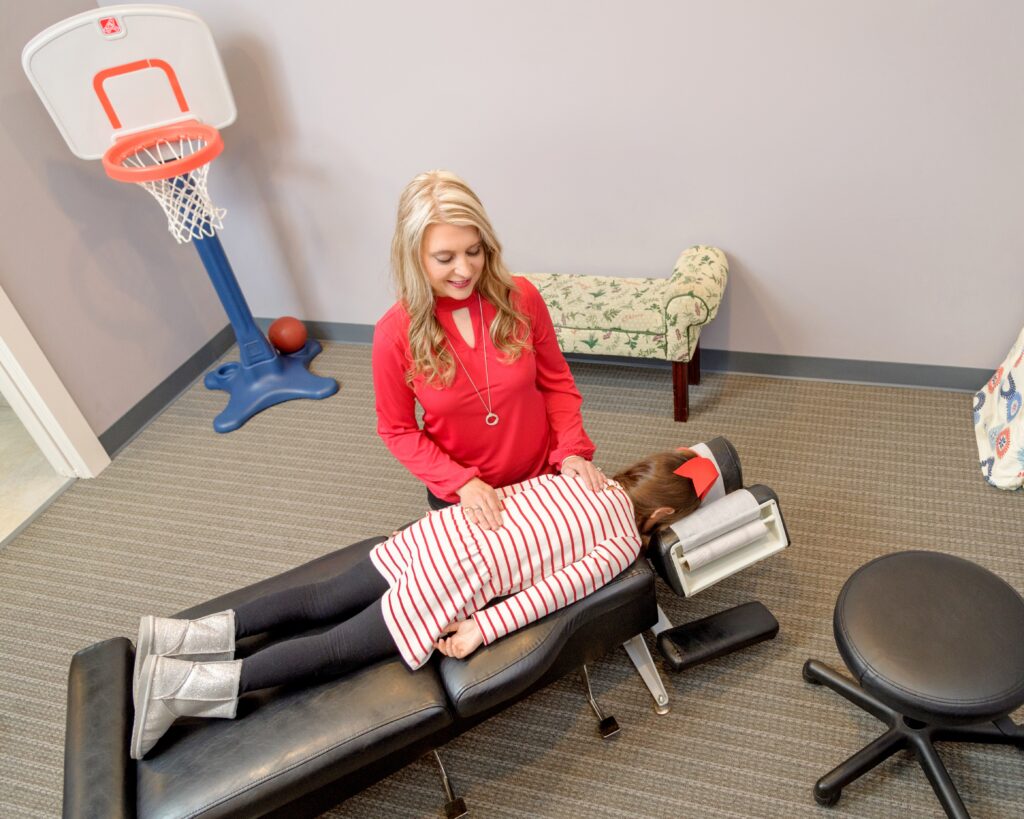
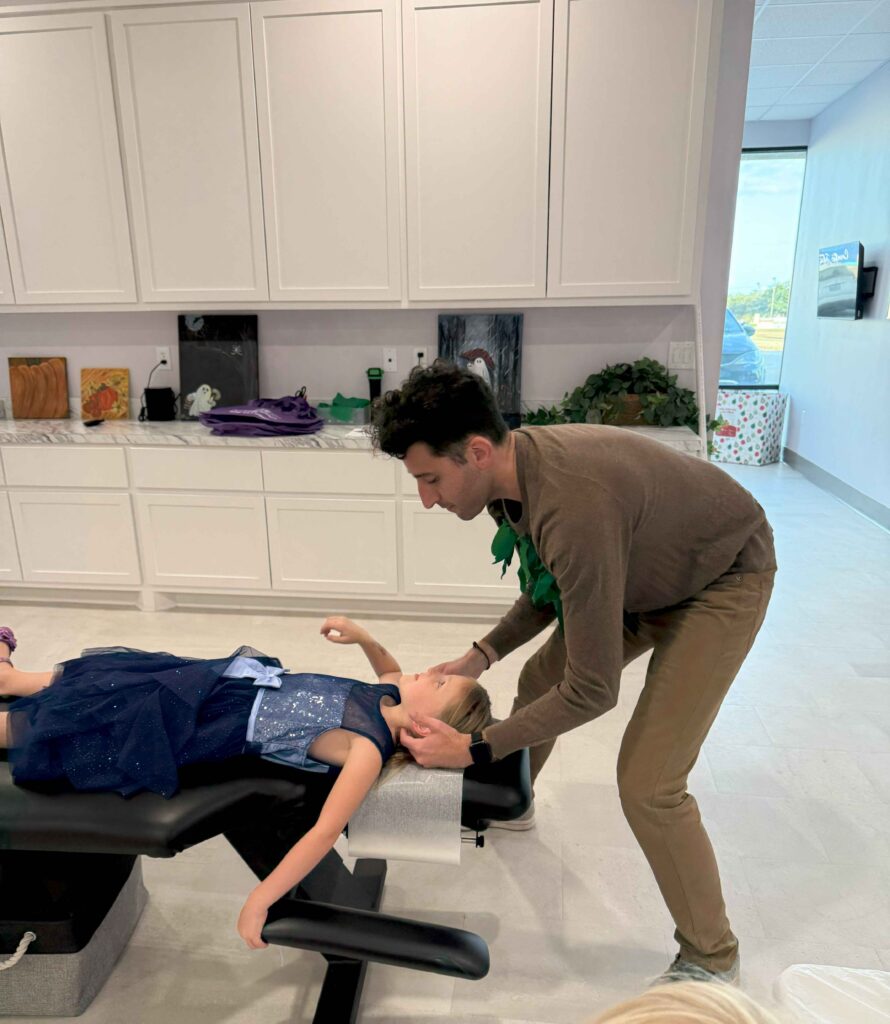
It’s crucial to first understand the different types of injuries you may be facing. This knowledge will help you select the most effective recovery strategies. In my practice, I emphasize the importance of a holistic approach to healing. This includes incorporating chiropractic care, which focuses on aligning the body’s musculoskeletal system to enhance overall function and reduce pain.
Let’s explore how you can embrace these natural methods to not only recover from your injury but also improve your performance in the long run. Together, we can develop a personalized recovery plan that empowers your body to heal optimally and prepares you for future athletic endeavors.
Understanding Sports Injuries: Types and Symptoms
As your local chiropractor, I want to emphasize the importance of understanding the various types of sports injuries and their symptoms to promote effective recovery and overall wellness. Common injuries that athletes may encounter include sprains, strains, fractures, and tendonitis.
A sprain occurs when the ligaments, which connect bones at a joint, are stretched or torn. This often results in swelling and bruising around the affected area, indicating the need for care.
Strains, on the other hand, affect the muscles or tendons, leading to pain and restricted movement. Fractures can range from minor hairline cracks to complete breaks, typically presenting with severe pain and significant swelling.
Tendonitis, characterized by inflammation of the tendon, can lead to chronic pain around a joint, especially during physical activity. It’s essential to recognize these symptoms early, as they can inform your recovery strategy.
For example, if you experience sudden pain or swelling, it’s crucial to rest the area and apply ice to minimize inflammation. By being aware of these common injuries and their respective symptoms, you can take proactive steps toward recovery and avoid further complications.
At our chiropractic office, we focus on natural healing methods and personalized treatment plans to help you recover effectively.
We believe in empowering you with knowledge about your body and injuries, so you can make informed decisions about your health and well-being. Let’s work together to ensure you get back to your favorite activities safely and efficiently.
The Role of Nutrition in Recovery
As a local chiropractor, I want to emphasize the critical role nutrition plays in your recovery from sports injuries. Many people may not realize that what you eat and how well you hydrate can significantly influence your healing process.
By incorporating essential nutrients into your diet, you can enhance your body’s ability to recover effectively. Proper nutrition not only supports tissue repair but also helps to reduce inflammation and boost your immune system.
This means that the right balance of vitamins, minerals, and proteins can actually expedite your recovery time. Staying hydrated is equally important, as it helps maintain optimal function in your body, allowing for better healing.
Let’s take a closer look at how specific foods and fluids can contribute to a more efficient recovery journey. By understanding the connection between nutrition and healing, you can take proactive steps towards a quicker return to your favorite activities and a healthier lifestyle.
Essential Nutrients for Healing
As a local chiropractor dedicated to your overall well-being, I want to emphasize the importance of nutrition in your recovery from sports injuries. When your body is healing, it’s crucial to focus on specific nutrients that support this process.
First and foremost, protein is vital for tissue repair. Incorporating lean meats, legumes, and dairy products into your meals can help your body rebuild effectively. Additionally, don’t overlook healthy fats found in avocados and nuts; these are known to reduce inflammation, which is key to alleviating pain and promoting healing.
Vitamins and minerals, especially vitamin C and zinc, play a significant role in collagen formation and immune support. To ensure you’re getting these essential nutrients, try to include a variety of fruits and vegetables in your diet. They not only provide vital vitamins but also contribute to your overall health.
Whole grains are also important, as they supply the energy necessary for healing and maintaining your well-being.
Lastly, consider adding omega-3 fatty acids from sources like fish or flaxseeds to your diet; they’ve been shown to aid in recovery as well.
By nourishing your body with these essential nutrients, you can enhance your healing journey and support the chiropractic care you receive.
Hydration and Recovery Impact
As a local chiropractor dedicated to your health and well-being, I want to emphasize the vital role hydration plays in your recovery from sports injuries. Many people may not realize how essential it’s for your body’s healing process and overall function.
When you maintain proper hydration, you enhance your blood circulation, which is crucial for delivering essential nutrients to the injured areas of your body while also helping to flush out harmful toxins. This process can significantly reduce inflammation and speed up your healing time.
Moreover, staying well-hydrated is beneficial for your joints. Hydration helps keep them lubricated, which can ease pain and stiffness, making your recovery experience more comfortable.
I recommend aiming for at least eight glasses of water each day. After engaging in physical activities, consider adding electrolyte-rich fluids to your routine to replenish what you’ve lost.
Don’t overlook the benefits of hydrating foods like fruits and vegetables, as they can also contribute positively to your overall fluid intake.
By prioritizing hydration, you support your body’s natural healing processes, allowing you to return to your favorite activities more swiftly and effectively.
Herbal Remedies for Healing
As a local chiropractor, I often emphasize the importance of a holistic approach to recovery, especially when it comes to sports injuries.
Herbal remedies can be an invaluable part of your healing journey. It’s essential to familiarize yourself with some popular healing herbs and understand how to use them effectively to complement your chiropractic care.
Additionally, be aware of any precautions you should consider before incorporating these natural solutions into your recovery regimen.
Together, we can explore how these herbs can support your healing process and enhance your overall well-being.
Popular Healing Herbs
As a local chiropractor, I want to share some natural ways to support your recovery from sports injuries that you mightn’t be familiar with. Incorporating popular healing herbs into your routine can make a significant difference.
For example, turmeric is a fantastic option due to its active compound, curcumin, which is renowned for its anti-inflammatory properties. This can help reduce swelling and alleviate pain, making it a great ally in your healing process.
Ginger is another powerful herb that not only helps to relieve discomfort but also enhances circulation, which is crucial for recovery.
You may also want to explore arnica, commonly used topically, as it works wonders to soothe bruises and muscle soreness.
Additionally, consider willow bark; it’s rich in salicin, which works similarly to aspirin and can provide effective pain relief.
Lastly, don’t underestimate the benefits of cayenne pepper—thanks to its capsaicin content, it can significantly assist with pain management.
By integrating these herbs into your healing regimen, you may find that your recovery is accelerated, enhancing your overall well-being.
Application Methods Explained
As your local chiropractor, I want to share some insights on how to incorporate popular healing herbs into your recovery from sports injuries. Understanding how to use these natural remedies can significantly enhance your healing process.
One effective method is to create herbal infusions or teas, using powerful ingredients like ginger or turmeric. Simply steep these herbs in hot water for about 10-15 minutes, and drink this infusion daily to help reduce inflammation in your body.
For those of you interested in topical applications, consider making a salve or ointment. You can do this by combining dried herbs with a carrier oil, such as coconut or olive oil. Heat the mixture gently, then strain it to get a smooth consistency. Applying this herbal blend directly to the affected area can promote healing and alleviate discomfort.
Additionally, using essential oils like lavender or eucalyptus in a diffuser can be a wonderful way to soothe pain and enhance your recovery environment. The calming scents can also help reduce stress, which is beneficial for overall healing.
Consistency is key when using these natural remedies, so I encourage you to incorporate them into your daily routine for the best results.
Precautions and Considerations
As your local chiropractor, I want to emphasize the importance of being cautious when considering herbal remedies as part of your recovery plan.
While these natural options can enhance your healing process, it’s crucial to consult with a healthcare professional before introducing any new treatments, especially if you’re currently taking medication or have pre-existing health conditions. Some herbs may interfere with prescribed medications, leading to increased side effects or reduced effectiveness.
I recommend starting with small doses to see how your body reacts and keeping an eye out for any allergic responses.
It’s also essential to do your homework on the specific herbs you’re looking into to ensure they’re both safe and effective for your particular injury.
Remember, while nature provides us with valuable healing tools, they should be used to complement traditional medical advice—not to replace it.
A balanced approach to your recovery will yield the best outcomes, and together, we can create a comprehensive plan that supports your healing journey.
Importance of Physical Therapy
As a local chiropractor, I want to share the significant role that physical therapy plays in your recovery from sports injuries. It’s not just about alleviating pain; it’s about restoring function and strength in a natural and holistic way.
When you work with a physical therapist, you receive a personalized treatment plan designed specifically for your unique needs and the type of injury you’re dealing with. Your physical therapist will guide you through targeted exercises that focus on improving flexibility, building muscle strength, and enhancing your overall mobility.
This tailored approach allows for a more effective recovery process. Moreover, physical therapy can help reduce inflammation and prevent future injuries, enabling you to return to your favorite sport with renewed confidence.
You’ll also gain insights into proper biomechanics, which can improve your technique and performance, ultimately reducing the risk of re-injury.
Mindfulness and Mental Wellness Techniques
As a local chiropractor dedicated to your healing journey, I want to share how mindfulness techniques can significantly enhance your recovery from sports injuries. By anchoring your focus in the present moment, you can alleviate the stress and anxiety that often accompany injuries.
Here are three effective mindfulness practices to integrate into your rehabilitation routine:
- Meditation: Take a few minutes each day to sit in a quiet space and concentrate on your breathing. This simple yet powerful practice helps to clear your mind and strengthen your emotional resilience, essential for your recovery process.
- Visualization: Picture yourself fully healed and back to your favorite activities. By visualizing your recovery, you can ignite your motivation and bolster your mental fortitude, which is crucial as you navigate through rehabilitation.
- Body Scan: Find a comfortable position and mentally scan your body from head to toe. Pay attention to any areas of tension or discomfort, and consciously relax those parts. This technique not only fosters a deeper connection with your body but also supports the healing process.
Incorporating these mindfulness techniques into your routine can complement chiropractic care and promote a holistic approach to your recovery.
Rest and Recovery Strategies
Recovering from a sports injury requires a thoughtful approach to rest and recovery, and as a local chiropractor, I want to guide you through effective strategies that can help your body heal naturally.
It’s crucial to prioritize rest, allowing your injured area the time it needs to recover fully. Always listen to your body—pushing through pain can lead to further complications.
In my practice, I often recommend techniques like ice therapy to reduce inflammation and alleviate pain initially. After a few days, applying heat can be beneficial to promote blood flow and facilitate healing.
Additionally, gentle stretching can help maintain your flexibility without putting too much strain on the injured area.
Hydration is another key component of recovery. Drinking plenty of water not only supports your healing process but also enhances your overall health.
Nutrition plays a vital role as well; focusing on a balanced diet that’s rich in vitamins, minerals, and protein can significantly aid tissue repair.
Restorative sleep is fundamental in the recovery journey. I encourage my patients to create a comfortable sleep environment and aim for 7-9 hours of quality sleep each night.
By following these holistic strategies, you can foster a more effective recovery process and return to your sport feeling stronger and more resilient than ever.
Preventing Future Injuries: Tips for Athletes
As a local chiropractor dedicated to your well-being, I want to share how you can prevent future injuries through simple yet effective practices. Here are three essential tips to keep in mind:
1. Warm Up and Cool Down: Before any physical activity, it’s crucial to engage in a proper warm-up and follow it with a cool-down. This not only prepares your muscles for the demands of exercise but also aids in recovery afterward, promoting overall joint health and flexibility.
2. Listen to Your Body: Your body communicates with you! Pay close attention to any signs of discomfort or pain you may experience. Ignoring these signals can lead to more significant injuries that might require chiropractic intervention.
If something doesn’t feel right, take a break and consider consulting with a professional.
3. Cross-Train: Diversifying your workouts can be incredibly beneficial. By incorporating different types of exercises, you can build overall strength and flexibility. This approach minimizes the risk of overuse injuries, allowing you to maintain a balanced and healthy body.
By following these tips, you can significantly reduce your risk of injury and promote a healthier, more active lifestyle.
If you’re ever in doubt or need guidance, don’t hesitate to reach out for chiropractic care to help you on your journey to wellness.
Conclusion
As a local chiropractor, I want to emphasize that recovering from sports injuries is a process that requires patience and a comprehensive approach. It’s important to focus on not just your physical condition, but also on your nutrition and hydration, as these play crucial roles in your healing journey.
Many people overlook the benefits of natural remedies, but they can significantly enhance your recovery. Additionally, physical therapy is a vital component of healing; it helps to restore mobility and strength, while also addressing any underlying issues.
Mindfulness and mental well-being are equally important in your recovery process. Taking time to rest and implement effective recovery strategies will give your body the best chance to heal properly.
By adopting these practices, you’ll not only recover more effectively from your current injuries but also lower the risk of experiencing future ones. This holistic approach allows you to stay active and engaged in the sports you love for longer. If you have any questions about how chiropractic care can support your recovery, feel free to reach out.