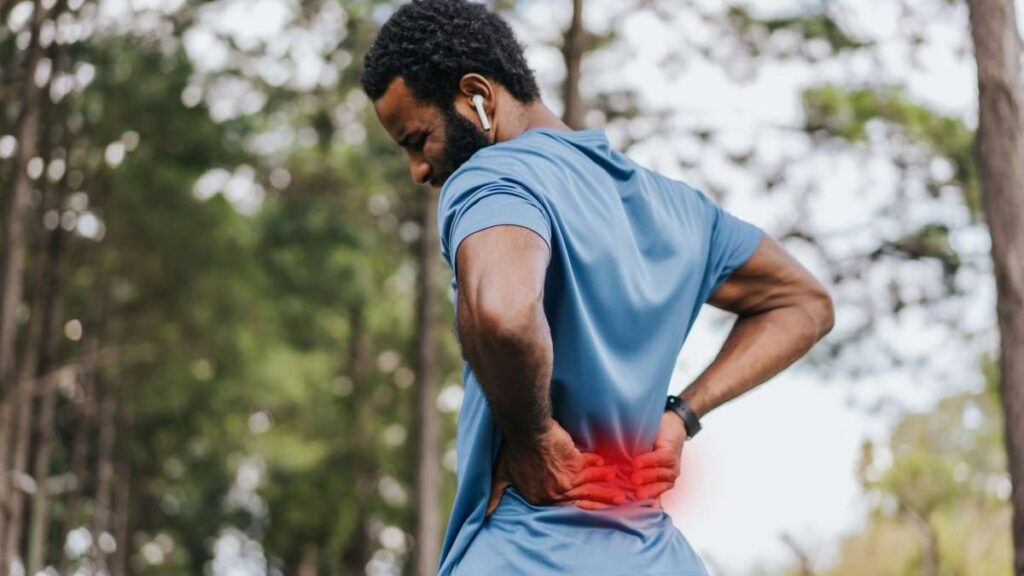

As a local chiropractor, I want to share with you how much the approach to sports injury recovery has changed over the years. It may surprise you to learn that what we once relied on—like simple rest and ice—has evolved into a more holistic and informed understanding of the healing process. One significant development was the introduction of the RICE method, which stands for Rest, Ice, Compression, and Elevation. This approach laid the groundwork for more comprehensive recovery protocols.
Today, we have the benefit of advanced technology and techniques that allow us to support the body's natural healing abilities more effectively. For instance, chiropractic care focuses on the connection between the spine and nervous system, which can play a crucial role in recovery. By aligning the spine and improving overall body function, we can help reduce pain and promote a quicker return to health.
As we delve into these advancements in recovery, you'll see that the journey of healing is continually evolving. It's important to understand that there are many natural and effective ways to recover from sports injuries that go beyond traditional methods. I encourage you to explore these options and consider how chiropractic care can support your recovery process.
Early Practices in Recovery
When you suffer a sports injury, diving into recovery might seem daunting, but beginning with the right early practices can significantly enhance your healing process.
As a chiropractor, I want to emphasize the importance of listening to your body during this time. Pay close attention to your pain levels and any discomfort. It's crucial to differentiate between normal soreness, which indicates healing, and pain that could suggest further injury.
Rest is vital in your recovery journey. Your body requires adequate time to heal, and ignoring pain signals can extend your recovery period.
Don't underestimate the power of quality sleep; it boosts your immune system and accelerates healing. While you're resting, you might also consider gentle mobility exercises—of course, only if approved by your healthcare provider. These movements can help maintain your flexibility and prevent stiffness without aggravating your injury.
Nutrition is another key component of your recovery. Nourishing your body with nutrient-dense foods—like lean proteins, fruits, and vegetables—can support the healing process. Staying hydrated is equally important; proper hydration can aid in healing and help reduce inflammation.
I also recommend seeking professional guidance early in your recovery. Visiting a chiropractor or a sports medicine specialist can provide you with tailored advice specific to your injury.
We can help you develop a personalized recovery plan that includes progressive exercises, ensuring you regain strength safely without risking further harm. Remember, natural healing is a journey, and with the right support, you can get back to your active lifestyle.
The RICE Method
As a local chiropractor, I want to share an effective method that can significantly enhance your recovery from sports injuries—the RICE method, which stands for Rest, Ice, Compression, and Elevation.
Understanding and applying this approach can be vital in managing your healing process, especially if you're new to chiropractic care and natural healing practices.
1. Rest: It's crucial to give your body the time it needs to heal. By minimizing activity, you can prevent further injury and allow your body to focus on recovery.
2. Ice: Applying ice packs to the injured area is a simple yet powerful technique. Ice helps reduce swelling and numbs pain, making it easier for you to manage discomfort.
I recommend using ice for 15-20 minutes every couple of hours, especially in the initial days following your injury.
3. Compression: Utilizing elastic bandages or compression wraps can help control swelling. When applying compression, ensure it's snug enough to be effective but not so tight that it restricts blood flow.
4. Elevation: Keeping the injured area elevated above heart level can significantly reduce swelling and promote better circulation. This simple adjustment can make a big difference in your recovery.
5. Timing: The sooner you begin the RICE method after an injury, the better your chances for a quicker recovery. Early intervention is essential, and as your chiropractor, I can assist you in developing a comprehensive recovery plan tailored to your needs.
By incorporating the RICE method into your recovery routine, you can take proactive steps towards healing and returning to your favorite activities.
If you have any questions or need further guidance, feel free to reach out. Your health and well-being are my top priorities!
Advancements in Medical Technology
As your local chiropractor, I want to share how advancements in medical technology are revolutionizing the way we approach recovery from sports injuries.
With improved imaging techniques, we can now make more accurate diagnoses, allowing us to tailor treatment plans specifically for your needs.
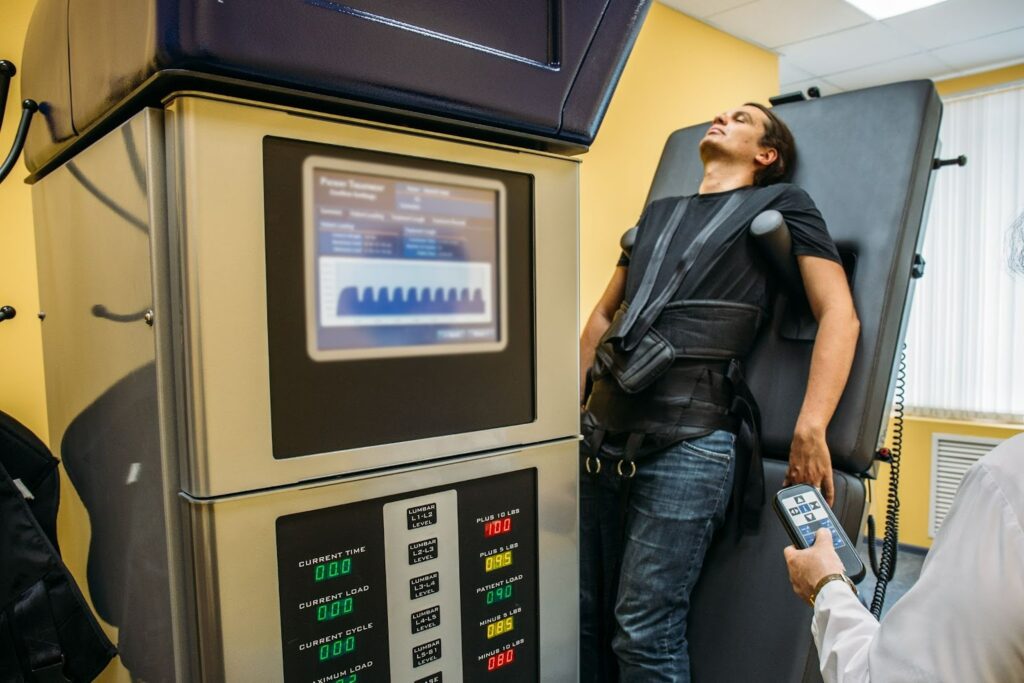
Additionally, innovative rehabilitation methods are enhancing the healing process, helping you recover faster and more effectively.
Let's delve into how these developments in medical technology are benefiting athletes and promoting natural healing through chiropractic care.
Imaging Techniques Evolution
As a local chiropractor, I want to share with you how advancements in imaging techniques have significantly improved our ability to diagnose and treat sports injuries. Many people may not realize the crucial role these technologies play in our practice, but they're essential in helping us determine the best approach to support your recovery.
Thanks to modern imaging technologies, we can obtain clearer and more detailed visuals of your body, which allows us to make more accurate diagnoses and tailor effective treatment plans. Here are some of the key imaging techniques that benefit our patients:
- MRI (Magnetic Resonance Imaging): This technique provides highly detailed images of soft tissues, enabling us to identify any tears or strains that may be affecting your performance.
- CT (Computed Tomography) Scans: While not as commonly used in chiropractic care, CT scans can offer valuable cross-sectional images that assist in diagnosing complex fractures, should the need arise.
- Ultrasound: This tool allows us to visualize your injuries in real time, which can be particularly helpful during physical examinations and treatment sessions.
- X-rays: Although traditional, X-rays remain vital for quickly identifying bone fractures and dislocations, ensuring that we can address any urgent issues promptly.
- 3D Imaging: This advanced technique enhances our ability to visualize anatomical structures, which can be beneficial when planning specific chiropractic interventions or treatments.
These innovations not only streamline our diagnostic process but also significantly improve the accuracy of our assessments.
By understanding these imaging advancements, you can feel more confident in the care you receive. Our goal is to ensure a quicker and more effective recovery for you, allowing you to return to the activities you enjoy.
Rehabilitation Innovations Overview
Rehabilitation after a sports injury has evolved significantly, particularly with the integration of innovative approaches in chiropractic care and natural healing. As your local chiropractor, I want to share how these advancements can't only speed up your recovery but also make your rehabilitation process more effective.
For example, we now utilize wearable devices that monitor your movements and provide real-time feedback. This technology helps you understand how your body responds to various exercises, allowing us to tailor your rehabilitation program to fit your specific needs.
Additionally, the use of virtual reality (VR) is transforming rehabilitation. By immersing you in simulated sports environments, VR allows you to practice your skills safely, which can boost your confidence as you recover.
Robotic-assisted therapy is also gaining traction in the field. These advanced tools can deliver precise movements during your rehabilitation exercises, aiding in strength training and mobility. This ensures that you regain function more efficiently.
Moreover, with the rise of telehealth services, you can consult with me remotely, receiving personalized guidance without the hassle of frequent clinic visits. This flexibility is key to maintaining your recovery momentum.
Lastly, regenerative medicine techniques, including platelet-rich plasma therapy, are available to help accelerate your healing at the cellular level. By incorporating these methods into your treatment plan, we can enhance your recovery experience.
The Rise of Physical Therapy
Chiropractic care has emerged as a vital component in the recovery from sports injuries, reshaping the way athletes regain their strength and functionality after setbacks. This holistic approach emphasizes restoring proper movement, enhancing physical performance, and promoting overall well-being.
You may be surprised to discover that chiropractic care isn't solely about recovery; it also plays a crucial role in injury prevention, allowing athletes to perform at their best while minimizing the risk of future injuries.
Here are some key aspects of chiropractic care that highlight its growing importance:
- Personalized Treatment Plans: We create individualized programs tailored to your specific needs, ensuring an optimal recovery process.
- Comprehensive Movement Analysis: Chiropractors assess your body mechanics to identify any weaknesses or misalignments that could lead to injuries.
- Manual Adjustments and Techniques: Hands-on adjustments and various techniques help alleviate pain, restore proper alignment, and enhance healing.
- Education and Self-Care: You'll gain insight into your body, learn about injury prevention strategies, and receive guidance on self-management to actively participate in your healing journey.
- Collaborative Approach: Chiropractors often collaborate with other healthcare professionals, ensuring a comprehensive and effective recovery plan.
As chiropractic care continues to advance, it incorporates innovative techniques and evidence-based practices, ensuring you receive the highest quality of care.
This multifaceted approach not only accelerates recovery but also boosts athletic performance. Whether you're a seasoned athlete or just enjoy recreational sports, embracing chiropractic care can be a transformative step in your path toward recovery and resilience.
Incorporating Nutrition in Recovery
As a local chiropractor, I want to emphasize how crucial nutrition is in your recovery from a sports injury. Many people aren't aware that what you eat and drink can significantly influence your healing process.
By paying attention to nutrient timing—essentially when you consume certain foods—and ensuring you stay properly hydrated, you can enhance your recovery in ways that support your body's natural healing abilities.
Let's dive into how these nutritional strategies can help you get back to your game more quickly and effectively.
Nutrient Timing Strategies
As a local chiropractor, I want to emphasize the importance of incorporating nutrient timing strategies into your recovery plan to enhance your healing and overall performance.
By thoughtfully consuming nutrients around your training and recovery times, you can optimize your body's ability to repair itself and grow stronger. Here are some key strategies to consider:
- Pre-Workout Nutrition: It's beneficial to fuel your body with a combination of carbohydrates and protein about 1-3 hours before engaging in physical activity. This can help elevate your energy levels and prepare your body for the workout ahead.
- Post-Workout Recovery: After your workout, aim to consume a protein-rich snack within 30-60 minutes. This is crucial for kickstarting muscle repair and aiding your recovery process.
- Balanced Meals: Throughout the day, focus on consuming balanced meals that include whole foods, such as lean proteins, healthy fats, and complex carbohydrates. These nutrients are vital for supporting your body's functions.
- Frequent Small Meals: Rather than relying on large meals, consider eating smaller, nutrient-dense meals every 3-4 hours. This approach helps maintain steady energy levels and ensures your body has a consistent supply of nutrients.
- Listen to Your Body: It's important to pay attention to how your body responds to different foods and their timing. Adjust your nutritional strategy as needed to support your recovery and overall health.
Hydration's Role in Recovery
As a local chiropractor, I want to emphasize just how important staying properly hydrated is for your recovery, especially if you've experienced a sports injury. Water is crucial for a variety of bodily functions, including transporting nutrients, regulating temperature, and lubricating your joints.
When your body is healing, it requires adequate hydration to support these processes and facilitate recovery. After an injury, it's common to experience inflammation, and keeping hydrated can help manage this response. Drinking enough fluids can reduce swelling and improve circulation, which is vital for delivering essential nutrients to the injured area.
I recommend that you aim to drink water consistently throughout the day—not just during your workouts or recovery sessions. Additionally, you should be aware of the importance of electrolytes. When you sweat, you lose vital minerals that are necessary for maintaining fluid balance and supporting muscle function.
Including drinks that are rich in electrolytes can help replenish what's lost during physical activity. And let's not overlook your meals! Foods that are high in water content, such as fruits and vegetables, can also play a significant role in your hydration.
Mental Health and Injury Recovery
As a local chiropractor, I want to emphasize the critical role that mental health plays in the recovery process from injuries. Many individuals often overlook how much emotional well-being can affect physical healing. When you're dealing with an injury, the emotional strain can be just as challenging as the physical discomfort.
If mental health isn't prioritized, your recovery journey may take longer than anticipated. Understanding the psychological aspects of healing is essential for a successful return to your daily activities, including sports and exercise.
Here are some ways that mental health can influence your recovery:
- Stress Management: High levels of stress can impede your body's natural healing processes. Incorporating relaxation techniques such as mindfulness or meditation can significantly aid in reducing stress levels.
- Positive Mindset: Maintaining an optimistic outlook can boost your motivation and resilience during recovery. Utilizing self-affirmations can be an effective strategy to cultivate a positive mindset.
- Social Support: Connecting with supportive friends, family, or community members can help mitigate feelings of loneliness that often accompany injuries. Engaging with teammates or peers can also uplift your spirits.
- Goal Setting: Creating achievable short-term goals can instill a sense of purpose and direction in your recovery journey. Celebrating small milestones can keep your motivation high and provide ongoing encouragement.
- Professional Help: If you're finding it challenging to cope with the emotional aspects of your injury, seeking help from a mental health professional can be invaluable. Therapy can offer personalized coping strategies that fit your unique situation.
Integrating mental health strategies into your recovery plan is vital. Not only will this approach facilitate a faster healing process, but it will also empower you to return to your activities with renewed strength and confidence.
The Role of Data Analytics
As a local chiropractor, I want to share how data analytics can significantly enhance your recovery from sports injuries and improve your overall well-being. By utilizing valuable insights from various data sources, we can closely monitor your recovery journey and make informed decisions about your treatment.
When you receive chiropractic care, we track your progress using specific metrics such as range of motion, strength, and pain levels. Data analytics allows us to compile this information into a comprehensive picture of your healing process. For instance, if you wear a fitness tracker, we can gather real-time data on your physical performance, which helps us tailor your rehabilitation exercises to ensure you're making the best possible progress.
Additionally, predictive analytics can help us assess the risk of reinjury based on your recovery patterns. This information is crucial as it allows both you and our healthcare team to make educated choices about when it's safe for you to return to play. Understanding these risks empowers you to take charge of your recovery and feel more confident in your journey.
Moreover, data analytics fosters better communication among all your healthcare providers, including your chiropractor, trainers, and physical therapists. By sharing insights and outcomes, we can collaborate more effectively to create a personalized treatment plan that addresses your specific needs.
This comprehensive approach not only aids in your physical healing but also supports your mental well-being, giving you peace of mind as you recover.
In essence, integrating data analytics into chiropractic care can lead to more effective and personalized treatment, allowing you to heal naturally and get back to doing what you love.
Future Trends in Recovery Techniques
As a local chiropractor, I want to emphasize the importance of exploring new recovery techniques that can't only enhance your performance but also help prevent future injuries.
As we learn more about sports science and natural healing, several innovative methods are emerging that can be beneficial for everyone, not just elite athletes. By staying informed about these trends, you can take proactive steps to keep your body in optimal condition.
Here are some exciting recovery trends to consider:
- Regenerative Medicine: Techniques such as platelet-rich plasma (PRP) therapy and stem cell treatments are becoming increasingly popular. These methods focus on accelerating healing by encouraging your body's natural tissue regeneration, which can be particularly helpful for injuries.
- Wearable Technology: Smart devices are now available that track your biometrics in real-time. These handy tools can help you monitor your recovery progress, allowing for informed decisions about your physical activity and treatment options.
- Virtual Reality (VR) Rehabilitation: This innovative approach uses VR to simulate game scenarios or physical activities, which can significantly aid in mental recovery. Engaging in these simulations can help ease the transition back to physical activity after an injury.
- Nutrition and Supplements: Tailoring your diet and utilizing advanced supplements to meet your specific needs can greatly enhance your recovery and overall performance. Proper nutrition is a key component of any healing process.
- Mindfulness and Mental Conditioning: Techniques such as meditation and visualization are gaining traction in the recovery community. These practices focus on the mental aspects of healing, which can play a crucial role in speeding up physical recovery.
As your chiropractor, I encourage you to explore these trends and consider how they can complement your natural healing journey.
Together, we can create a recovery plan that supports your health and well-being.
Conclusion
As your local chiropractor, I want to share how the journey of sports injury recovery has significantly evolved over the years. Gone are the days when rest alone was the go-to solution. We now embrace a comprehensive approach that integrates various aspects such as advanced technology, proper nutrition, and mental well-being into the healing process. Each of these advancements builds upon the last, allowing for a more effective and personalized recovery experience tailored to your individual needs. As you consider the future of your recovery, keep in mind that our focus is always on supporting your unique healing journey, helping you not only recover but also emerge stronger and healthier than ever before.