
As a local chiropractor, I want to share with you how understanding the right recovery techniques can significantly influence your healing process after a sports injury. Recovery is not solely about taking time off; it involves a holistic approach that integrates early intervention, targeted rehabilitation exercises, and proper nutrition. You may be surprised to learn that your mental well-being plays a crucial role in your recovery as well.
By addressing these various aspects, we can work together to develop a comprehensive recovery plan tailored to your needs. So, what specific strategies should we consider to ensure you return to your sport even stronger? Let's delve into some expert techniques that can truly make a difference in your healing journey.
As your chiropractor, I can guide you through safe and effective rehabilitation exercises that promote healing, and I can provide nutritional advice to help nourish your body. Additionally, we can incorporate chiropractic adjustments to enhance your body's natural healing capabilities, relieve pain, and restore mobility. Together, we can navigate the recovery process and get you back to doing what you love in optimal health.
Understanding Your Injury
When you're dealing with a sports injury, it's crucial to understand what's happened to your body from a holistic perspective. As a chiropractor, I believe that comprehending the nature and extent of your injury plays a significant role in your recovery journey.
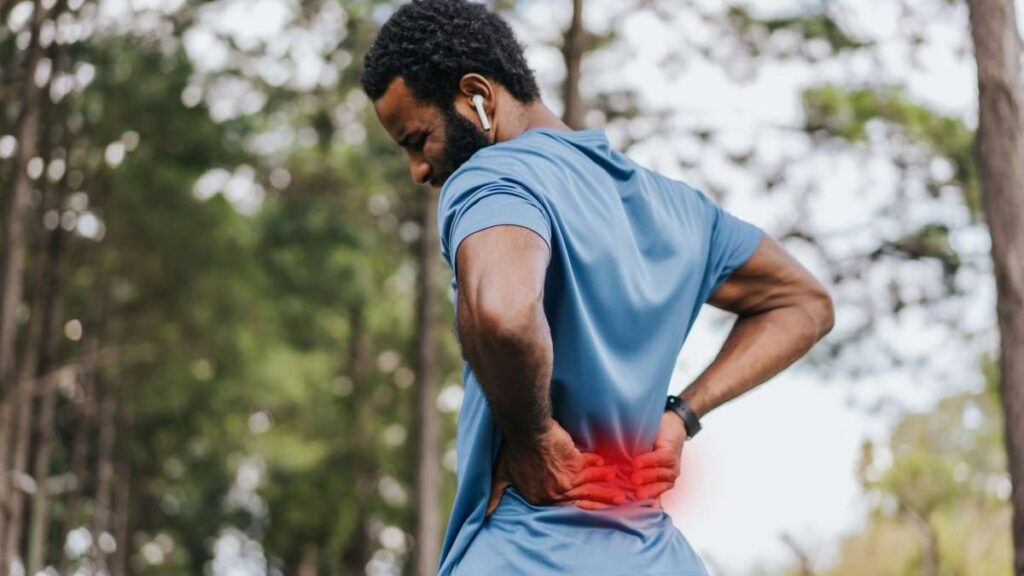
Start by taking note of the symptoms you're experiencing. Are you feeling pain, swelling, or restricted movement? These indicators can help us identify the type of injury, whether it's a strain, sprain, or perhaps a misalignment.
Next, let's take a closer look at where your injury is located. Is it in your knee, ankle, or shoulder? Each of these areas has its own mechanics and healing processes. Knowing the specific location of your injury allows us to customize a recovery plan that fits your needs. For instance, recovering from a knee injury may involve different chiropractic adjustments and rehabilitation exercises than recovering from an ankle injury.
It's also important to reflect on how the injury happened. Did you twist your body in an unusual way, take a fall, or push yourself too hard? Understanding the cause of your injury is key to avoiding similar issues in the future and can help us modify your training and daily activities accordingly.
Furthermore, your personal medical history is vital. Previous injuries can influence both your current condition and the path to recovery.
Lastly, seeking a professional evaluation is essential. As a chiropractor, I can provide a comprehensive assessment to help you understand your injury on a deeper level.
I'll guide you through necessary diagnostic tests if needed, such as X-rays or MRIs, to clarify your situation. By understanding the specifics of your injury, you'll be better prepared to make informed decisions about your recovery and overall health. Together, we can work towards a natural and effective healing process.
Importance of Early Intervention
As a local chiropractor, I want to emphasize the importance of seeking prompt treatment when you experience a sports injury.
Early intervention is crucial in not only accelerating your recovery but also in preventing any potential complications in the future. By addressing your injury quickly, you can set yourself on the right path to returning to your game sooner.
Chiropractic care focuses on natural healing methods that can support your body's recovery process, ensuring you get back to doing what you love with improved strength and mobility.
Don't wait—take action and prioritize your healing today!
Prompt Treatment Benefits
As a local chiropractor, I want to emphasize how crucial prompt treatment is for sports injuries and overall recovery. When you seek help immediately after an injury, you're not just addressing your pain; you're taking an essential step to prevent further damage to the affected area.
Early intervention allows me to assess your injury accurately, which is vital for determining the best approach to your healing process. Acting quickly can significantly reduce the risk of complications that might arise from leaving an injury untreated.
For example, a sprained ankle that isn't properly cared for can lead to chronic pain and affect your performance in the long run. In my practice, prompt treatment often includes techniques like gentle adjustments, ice application, and tailored rehabilitation exercises that help restore your range of motion more effectively.
Moreover, early treatment gives you valuable insights into your injury and the recovery process. I'll provide you with information on proper rehabilitation techniques specifically designed for your needs.
This knowledge empowers you to take an active role in your healing journey, allowing you to return to your sport feeling stronger and more resilient. So, if you find yourself injured, remember: getting treated right away is key to a faster and healthier recovery!
Reduced Recovery Time
As a local chiropractor, I want to emphasize the importance of seeking treatment immediately after an injury. Many people may not realize that acting quickly can significantly reduce your recovery time. When you come in right away, I can assess the extent of your injury and provide the necessary chiropractic interventions. This early response can help minimize the severity of your condition, allowing you to get back to your favorite activities much sooner.
By receiving prompt care, you not only address the injury but also kick-start the healing process. Techniques such as gentle adjustments, soft tissue therapy, and advice on using ice, compression, and elevation can help manage swelling and pain effectively. This proactive approach sets you on a clear path to recovery.
Additionally, I'll guide you through rehabilitation exercises tailored to strengthen the affected area, improving mobility and function in a more efficient manner. It's also important to note that early intervention can prevent chronic issues that often develop from untreated injuries. By addressing the problem right away, you're less likely to encounter long-term challenges that could impact your performance.
Prevention of Complications
How can early intervention from a chiropractor help prevent complications after a sports injury? When you address an injury promptly, you significantly reduce the risk of long-term issues. Delaying treatment can lead to improper healing, which may result in chronic pain or instability in the affected area.
By seeking chiropractic care right away, you ensure that your injury receives the proper assessment and natural healing strategies it requires.
Early intervention allows for personalized rehabilitation techniques tailored specifically to your needs. This means you can begin exercises that enhance healing and strengthen the affected area without risking further injury.
You'll also gain valuable guidance on pain management from a chiropractic perspective, which can help prevent complications like muscle atrophy or joint stiffness.
Moreover, taking a proactive approach means we can identify any underlying issues that may have contributed to your injury. Understanding these factors helps you make necessary adjustments to your training routine, thereby reducing the likelihood of future injuries.
In summary, don't wait to seek treatment. The sooner you reach out for chiropractic care, the better your chances for a full recovery without complications.
Prioritize your health and well-being by taking immediate steps toward natural healing and recovery.
Rehabilitation Exercises
As a local chiropractor, I want to emphasize the importance of rehabilitation exercises in your recovery journey.
These exercises play a crucial role in strengthening your muscles and enhancing flexibility, which is vital for overall health. By incorporating mobility exercises into your routine, you can significantly improve your range of motion, making everyday tasks more manageable and comfortable.
Additionally, balance and coordination training are key components of your rehabilitation process.
These exercises not only help you regain stability but also play a critical role in preventing future injuries. By understanding how these rehabilitation techniques work, you can take an active role in your healing and experience the benefits of a natural approach to health and wellness.
Importance of Strengthening Muscles
As a local chiropractor, I want to emphasize the crucial role that strengthening your muscles plays in recovering from sports injuries. Many people are unaware that focusing on building strength not only supports the area that has been injured but also helps prevent future injuries.
When your muscles are strong, they provide better stability for your joints, improve your balance, and enhance your overall performance in activities you love.
Incorporating specific rehabilitation exercises into your recovery routine is essential. These exercises can expedite your healing process and allow you to return to your favorite activities sooner.
Here are some of the key benefits of strengthening your muscles during recovery that I want to share with you:
- Enhanced Stability: Strong muscles act as a protective layer for your joints, significantly reducing the risk of re-injury. This stability is vital for a successful return to your sports or physical activities.
- Pain Reduction: By strengthening your muscles, you can alleviate pain. Stronger muscles help distribute loads more evenly across your body, which can lead to less discomfort as you recover.
- Improved Functionality: Increased muscle strength allows you to regain your range of motion and perform daily tasks with greater ease. This improvement is essential for maintaining a high quality of life during your recovery.
- Boosted Confidence: As you work to strengthen your muscles, you'll likely feel more confident in your ability to return to sports and physical activities. This mental aspect of recovery is just as important as the physical.
Flexibility and Mobility Exercises
As a local chiropractor, I want to emphasize the importance of incorporating flexibility and mobility exercises into your recovery routine, especially if you've experienced a sports injury.
These exercises play a crucial role in helping you regain full function and restore the range of motion in your joints while lengthening your muscles. This can greatly alleviate stiffness and enhance your overall movement quality.
To begin, I recommend starting with gentle stretching to focus on the injured area. As you feel more comfortable, you can gradually increase the intensity of these stretches.
It's particularly beneficial to engage in dynamic stretches that replicate the movements specific to your sport. For example, if you enjoy running, incorporating leg swings and hip openers into your routine can significantly improve your mobility.
Additionally, consider using foam rolling or self-myofascial release techniques. These practices are excellent for releasing tightness in your muscles and fascia, promoting blood flow, and accelerating your recovery process.
Yoga and Pilates are also wonderful options to explore. Not only do they enhance flexibility, but they also emphasize proper breathing techniques, which can help with relaxation and managing any pain you may experience.
Lastly, consistency is key. Aim to make these exercises a regular part of your daily routine, and gradually increase their duration and complexity as you progress.
By prioritizing flexibility and mobility, you're taking an important step toward a complete recovery, ensuring that you're not just ready to return to your favorite activities, but that you do so with greater strength than before.
Balance and Coordination Training
As a local chiropractor, I often see patients who are recovering from sports-related injuries. One key aspect of rehabilitation that's frequently overlooked is balance and coordination training. These skills are crucial for regaining stability and preventing future injuries.
By incorporating balance and coordination exercises into your recovery routine, you're not only enhancing your athletic performance but also building confidence in your movements.
Here are some effective exercises that I recommend to my patients:
- Single-leg stands: This simple exercise involves practicing standing on one leg for 30 seconds. As your balance improves, try to gradually increase the duration. This helps strengthen the muscles that support your joints.
- Balance boards: Using a balance board or stability ball can significantly challenge your core and improve coordination. These tools require you to maintain stability while engaging various muscle groups.
- Agility drills: Incorporating lateral shuffles and cone drills into your routine can enhance your foot speed and coordination. These dynamic movements are essential for athletes and can aid in your recovery process.
- Tai Chi or yoga: Both practices promote balance and flexibility, which are vital for cultivating body awareness and control. They can also help reduce stress and improve overall well-being.
By integrating these balance and coordination exercises into your rehabilitation program, you can accelerate your recovery and prepare yourself to return to your sport even stronger.
Embrace this training, and you'll be well on your way to a safer and more resilient comeback. Remember, your journey to healing is important, and I'm here to support you every step of the way.
Nutrition for Recovery
As a local chiropractor, I want to emphasize the vital role that nutrition plays in your recovery from sports injuries. When you sustain an injury, proper nutrition is key to healing and can significantly accelerate your recovery process. By fueling your body with the right nutrients, you're not only promoting healing but also helping to prevent future injuries.
It's important to focus on a balanced diet that includes a variety of proteins, carbohydrates, fats, vitamins, and minerals. Lean proteins such as chicken, fish, beans, and legumes are essential for repairing damaged tissues and building muscle. I recommend incorporating a source of protein into each meal and snack to support your body's needs.
Carbohydrates are equally important, as they provide the energy necessary for your daily activities and recovery. Opt for whole grains, fruits, and vegetables, which not only give you energy but also supply vital vitamins and minerals that aid in healing.
Don't overlook healthy fats, either. Foods like avocados, nuts, and olive oil can help reduce inflammation, which is crucial when you're recovering from an injury. Staying well-hydrated is another key aspect of your recovery. Water is essential for all bodily functions, including nutrient transport and joint lubrication, so make sure you're drinking plenty of fluids throughout the day.
I also encourage you to consider incorporating anti-inflammatory foods into your diet. Berries, turmeric, and fatty fish such as salmon can help manage pain and swelling, making your recovery more comfortable.
Lastly, vitamins and minerals play a significant role in the healing process. Nutrients like vitamin C, zinc, and magnesium are pivotal, so aim to include a colorful array of fruits and vegetables in your meals.
Mental Health Considerations
As a local chiropractor, I want to emphasize that while focusing on nutrition is crucial for your physical recovery, it's equally important to nurture your mental health during this time.
Experiencing an injury can lead to feelings of frustration, anxiety, and even depression. Being sidelined from your regular activities can impact your sense of identity and overall well-being. It's essential to acknowledge these emotions and actively work through them.
Here are some strategies that you can incorporate into your recovery journey to support your mental health:
- Stay Connected: Reach out to friends, family, or teammates. Sharing your feelings can alleviate loneliness and provide much-needed emotional support. Remember, you're not alone in this process.
- Set Realistic Goals: Break down your recovery into smaller, manageable milestones. Achieving these smaller goals can help maintain your sense of purpose and accomplishment as you progress through your rehabilitation.
- Practice Mindfulness: Engage in relaxation techniques such as meditation or deep-breathing exercises. These practices can assist in managing stress and promoting a positive mindset, which is vital for a holistic recovery.
- Seek Professional Help: If you find yourself struggling with your mental health, please consider consulting a mental health professional. They can offer tailored strategies and support to enhance your emotional resilience, complementing the physical care you receive from chiropractic adjustments.
By addressing both your physical and mental health, you can foster a more comprehensive healing process.
Utilizing Physical Therapy
In the early stages of your recovery, incorporating chiropractic care can significantly aid in restoring your strength and mobility. A skilled chiropractor will evaluate your condition and develop a personalized treatment plan tailored specifically to your needs. This holistic approach not only helps you regain function but also minimizes the risk of re-injury.
During your visits, you'll participate in a variety of gentle adjustments and techniques aimed at improving spinal alignment and enhancing overall function. These adjustments can improve your flexibility, balance, and overall endurance.
Additionally, your chiropractor may utilize methods such as soft tissue manipulation, therapeutic exercises, and even modalities like heat or cold therapy to alleviate pain and reduce inflammation. It's essential to communicate openly about your discomfort and progress so your chiropractor can adjust your treatment plan as necessary.
One of the standout benefits of chiropractic care is the focus on education. Your chiropractor will teach you about proper body mechanics and strategies to prevent future injuries. This knowledge empowers you to take charge of your physical health and boosts your confidence as you navigate your recovery journey.
Consistency is crucial, so make a commitment to your chiropractic sessions and practice any recommended exercises at home. You'll likely see gradual improvements, which can be incredibly motivating.
As you advance, your chiropractor will monitor your progress and adjust your treatment plan to ensure it remains effective and challenging.
Returning to Sports Safely
As a local chiropractor, I want to guide you through the process of returning to sports safely after your chiropractic treatments. It's essential to understand that jumping back into your sport too quickly can lead to re-injury or unnecessary setbacks. A strategic approach is key to ensuring a smooth transition back to physical activity.
First, let's talk about assessing your readiness. You should feel a newfound confidence in your strength and flexibility after your treatments. Before you jump back into high-intensity activities, I recommend gradually increasing your activity levels while paying close attention to how your body responds. Start with low-impact exercises to assess how you feel.
Next, proper warm-up and cool-down routines are crucial. These practices not only help prevent injuries but also enhance your performance. Incorporating dynamic stretches before you engage in your sport and static stretches afterward can make a significant difference in your recovery and readiness.
Additionally, I encourage you to consider using protective gear. Whether it's a brace for support or appropriate footwear, having the right equipment can boost your confidence as you ease back into your sport.
Communication is also vital. Keep open lines with your coaches and teammates about your recovery journey. Sharing your situation allows them to support you better and adjust training intensity if needed.
Here are some key tips to ensure a safe return to your sport:
- Gradually increase your activity levels to avoid overexertion.
- Prioritize warm-up and cool-down routines to protect your body.
- Use protective gear suited for your sport to enhance safety.
- Maintain open communication with your coaches and teammates for support.
Conclusion
Injuries can be a source of frustration, but I'm here to help you navigate your recovery effectively through chiropractic care. Understanding your injury is the first step, and it's crucial to seek early intervention. By committing to rehabilitation exercises tailored to your specific needs, you can lay a solid foundation for a successful recovery.
As a chiropractor, I emphasize the importance of a holistic approach to healing, which includes not just physical recovery but also nutrition and mental well-being. Your body needs the right fuel to heal, and a positive mindset can significantly impact your recovery journey.
I encourage you to consider physical therapy as a complement to chiropractic adjustments. Together, we can create a personalized treatment plan that supports your healing process. Open communication with your coaches is also essential as you transition back to sports, ensuring that you're doing so safely and effectively.
Remember, by taking a comprehensive approach to your recovery, you can return to the activities you love with confidence and strength. Let's work together to get you back in the game!