
As a local chiropractor, I understand that experiencing a sports injury can be daunting, and navigating the recovery process may feel overwhelming. However, I want to share how you can enhance your healing naturally through a holistic approach. By focusing on essential elements like nutrition, physical therapy, and mindfulness, you can effectively support your body’s natural repair mechanisms.
Nutrition plays a crucial role in recovery, as the right foods can provide the necessary nutrients to promote healing. Incorporating anti-inflammatory foods, such as fruits, vegetables, and omega-3-rich options, can significantly aid your recovery.
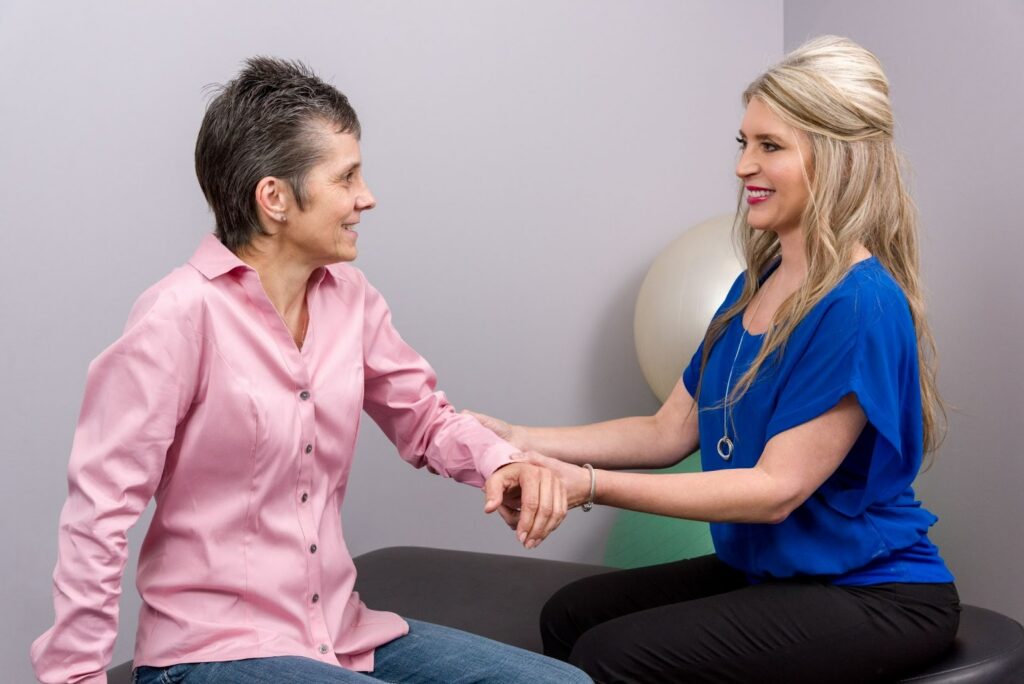
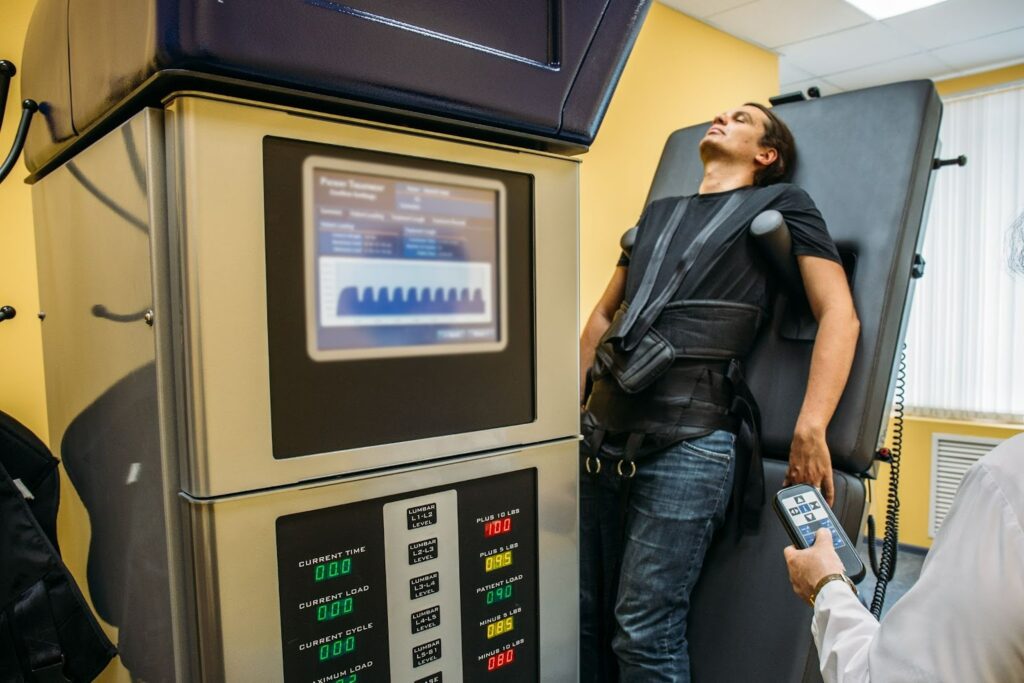
Physical therapy is another key component. Gentle exercises and stretches can help restore mobility and strength, while chiropractic adjustments can align your spine and improve overall function. This can relieve pain and facilitate better circulation, which is vital for healing.
Mindfulness and stress management should not be overlooked either. Techniques such as meditation or yoga can help reduce stress, allowing your body to focus its energy on healing.
By understanding how these elements work together, you can make a significant difference in your recovery journey. If you’re interested in specific strategies or personalized guidance on optimizing your healing, don’t hesitate to reach out. Together, we can create a plan tailored to your needs and support your path to recovery naturally.
Understanding Sports Injuries and Recovery
As a local chiropractor, I want to emphasize the importance of understanding sports injuries and the natural healing process to help you maintain optimal performance and overall wellness.
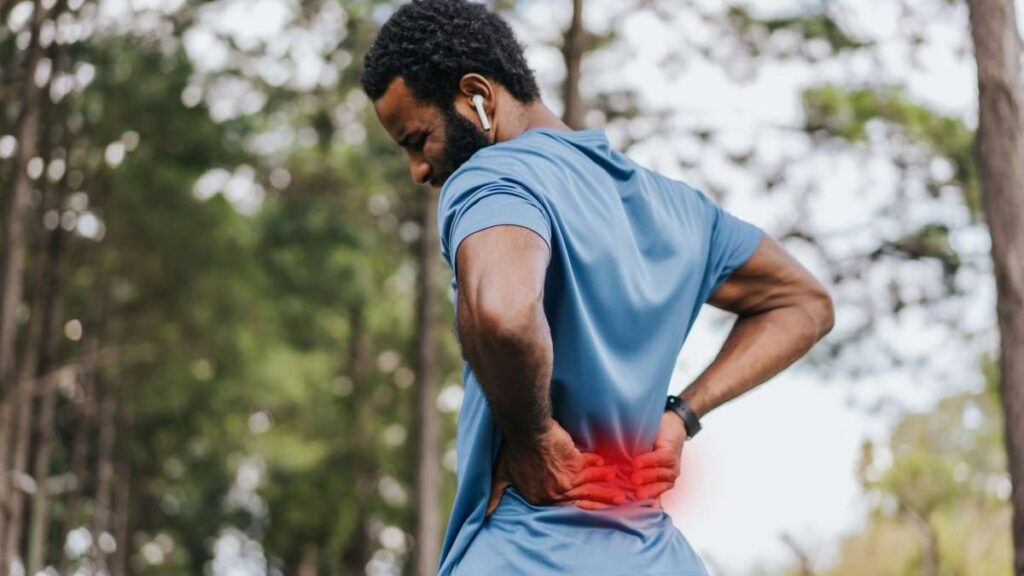
Sports injuries can vary greatly, from sprains and strains to more serious issues like fractures and concussions, each requiring its own specific care and attention. Recognizing the early signs of an injury is crucial; when your body signals that something isn’t right, it’s vital to listen and not ignore those warnings.
Recovery from an injury isn’t simply about taking time off; it involves a holistic approach that includes rehabilitation exercises, physical therapy, and mental strategies to foster a positive mindset.
As your chiropractor, I encourage you to assess your injury, set achievable goals, and adhere to a structured rehabilitation plan tailored to your needs. Remember, patience is essential—trying to rush back into sports can often lead to re-injury, which can set you back even further.
It’s also important to educate yourself about common injuries specific to your sport and to learn proper techniques to reduce the risk of injury. This knowledge not only enhances your resilience but also supports a smoother recovery process when injuries do occur.
At our practice, we focus on natural healing methods that promote your body’s innate ability to recover. Together, we can work towards keeping you active and healthy, ensuring you’re back in the game safely and effectively.
The Role of Nutrition in Healing
As a local chiropractor, I want to emphasize that healing from sports injuries involves more than just physical therapy or adjustments; nutrition is a crucial component of your recovery journey. The right nutrients can significantly enhance your healing process and help you return to your favorite activities more quickly.
To support your recovery, it’s important to focus on a balanced diet that includes plenty of proteins, healthy fats, and carbohydrates. Proteins are essential for muscle repair, so I recommend incorporating lean meats, fish, and legumes into your meals. Healthy fats, found in foods like avocados and nuts, can help reduce inflammation, while complex carbohydrates provide the necessary energy for your rehabilitation exercises.
Additionally, vitamins and minerals play a vital role in healing. For instance, Vitamin C is important for collagen production, which is crucial for tissue recovery, and zinc helps support your immune function.
Don’t overlook the importance of hydration—drinking enough water daily ensures that nutrients are effectively transported to the injured areas of your body.
Herbal Remedies for Pain Relief
As a local chiropractor, I want to share some insights about natural healing methods that can complement your recovery from sports injuries.
While many people often rely on conventional medications for pain relief, herbal remedies can serve as a gentle and effective alternative.
One remarkable option is turmeric, celebrated for its powerful anti-inflammatory properties. Incorporating this vibrant spice into your meals or considering it as a supplement can significantly help in reducing pain and swelling associated with your injuries.
Another beneficial herb is ginger, which not only aids in reducing inflammation but also enhances circulation. You can enjoy it as a soothing tea or incorporate it into your cooking for added flavor and health benefits.
Don’t overlook willow bark, either; it contains salicin, a natural compound that bears similarities to aspirin and can be quite effective in alleviating pain.
Additionally, arnica is a fantastic topical remedy. When applied directly to the affected area, it can help diminish bruising and relieve soreness.
However, it’s crucial to consult with a healthcare professional before embarking on any herbal treatment, especially if you’re currently taking other medications.
By integrating these natural remedies into your recovery plan, you can support your healing process and improve your overall well-being.
The Benefits of Physical Therapy
As a local chiropractor, I want to emphasize the importance of incorporating chiropractic care into your recovery and overall health journey. While many athletes focus solely on quick recovery from injuries, chiropractic treatment offers long-term benefits that go beyond just alleviating pain.
Chiropractic care not only helps you regain strength and flexibility but also targets the underlying issues that may be contributing to your injuries. By working with a skilled chiropractor, you’ll receive personalized adjustments and exercises designed specifically for your body, which can significantly enhance your rehabilitation process.
Furthermore, chiropractic adjustments can improve your body mechanics, leading to a reduced risk of future injuries. You’ll learn proper techniques and movements that not only help in your recovery but also boost your performance.
In addition to spinal adjustments, we also provide hands-on therapies like soft tissue work and joint mobilizations that can relieve pain and promote healing.
One of the greatest advantages of chiropractic care is the structured routine it provides. It keeps you accountable and motivated, ensuring that you’re actively engaged in your recovery rather than just resting. This proactive approach helps you work towards achieving full functionality and maintaining your physical health over time.
Ultimately, chiropractic care equips you with the tools and knowledge to support your body naturally, promoting overall wellness and longevity. If you’re unfamiliar with chiropractic treatment, I encourage you to explore how it can benefit you on your path to recovery and optimal health.
Mindfulness and Meditation Techniques
As a local chiropractor, I believe that incorporating mindfulness and meditation techniques into your recovery routine can significantly enhance your overall well-being.
These practices allow you to connect with your body and foster a sense of calm, which is crucial during your healing process. By focusing on your breath and being present in the moment, you can effectively reduce stress and anxiety, which in turn allows your body to heal more efficiently.
I recommend starting with just a few minutes each day dedicated to sitting quietly and observing your thoughts. If you’re new to meditation, consider guided sessions specifically tailored for injury recovery; these can provide you with the structure and support you need.
Visualization is also a powerful practice—imagine your body healing and becoming stronger, as this can help reinforce your recovery journey.
Additionally, try to integrate mindfulness into your daily activities, whether you’re enjoying a meal or taking a walk. This heightened awareness can help you tune into your body’s needs and prevent you from overexerting yourself.
Ultimately, these mindfulness and meditation techniques not only support your recovery but also foster a healthier mindset as you continue on your athletic journey.
Incorporating Yoga for Flexibility and Strength
As a local chiropractor, I want to emphasize the significant role that yoga can play in your recovery journey. Incorporating yoga into your routine can enhance not just your flexibility but also your overall strength.
Certain poses are designed to improve physical capabilities while supporting the healing process from injuries. Let’s delve into the benefits of yoga and highlight some effective poses that I recommend for those looking to start their journey towards better health and well-being.
Benefits of Yoga
As a local chiropractor, I want to share the incredible benefits of incorporating yoga into your recovery process, especially if you’re dealing with sports injuries.
Yoga isn’t just about stretching; it plays a vital role in enhancing both flexibility and strength, which are crucial for your healing journey. By practicing yoga, you can increase your range of motion, which helps to prevent future injuries and promotes overall physical wellness.
When you engage in yoga, you focus on your breath and movements, which helps to strengthen the stabilizing muscles around injured areas. This is essential for providing the support your body needs to recover effectively.
Moreover, yoga goes beyond physical recovery; it also nurtures your mental resilience. The practice encourages a sense of calm, which can significantly reduce the stress and anxiety that often accompany injuries.
By embracing this holistic approach, you can reconnect with your body, fostering mindful movement and increasing your awareness of how your body feels.
Ultimately, integrating yoga into your rehabilitation can lead to a quicker and more effective return to your favorite activities.
You may find that not only do you heal faster, but you also emerge stronger and more balanced than before.
As your chiropractor, I encourage you to explore yoga as a complementary practice to support your recovery and overall health.
Recommended Yoga Poses
As you embark on your journey toward recovery, it’s essential to understand how incorporating yoga can complement chiropractic care and enhance your overall well-being. Yoga poses can significantly improve your flexibility and strength, which are crucial for healing.
I recommend starting with Downward Dog, a pose that not only stretches your hamstrings and calves but also builds upper body strength—important for maintaining proper posture and alignment.
Next, consider adding Warrior II to your routine; this pose focuses on leg strength and stability, which is vital for supporting your spine.
Cobra pose is another beneficial addition, as it opens your chest and strengthens your back, helping to relieve tension that may build up from daily stressors or injuries.
Pigeon pose is particularly effective for deeply stretching the hips, which can aid in recovering from lower body injuries and improving overall mobility.
Finally, conclude your practice with Child’s Pose. This restorative position promotes relaxation and helps to ease any tightness in your body.
The Importance of Sleep in Recovery
As a local chiropractor, I want to emphasize the crucial role that sleep plays in your recovery process, especially after a sports injury. While you may be focusing on physical rehabilitation and adjustments, it’s important not to overlook the restorative power of quality sleep.
During sleep, your body engages in vital healing processes. This is when your muscles repair themselves, inflammation diminishes, and hormones that aid in recovery are released.
When you don’t get enough sleep, it can exacerbate pain sensitivity, slow down the healing process, and cloud your mental focus. This fatigue can make it challenging to adhere to your rehabilitation routine and chiropractic adjustments.
I recommend aiming for 7-9 hours of uninterrupted sleep each night to support your recovery effectively.
To enhance your sleep quality, consider establishing a calming bedtime routine. Limiting screen time before bed and practicing deep breathing exercises can help promote relaxation.
Additionally, ensure your sleep environment is dark and cool, which can contribute significantly to better rest.
Using Cold and Heat Therapy Effectively
As a local chiropractor, I want to share some valuable insights about managing sports injuries through natural healing techniques, specifically cold and heat therapy.
Understanding how to effectively use these therapies can significantly improve your recovery process.
Cold therapy is particularly beneficial right after an injury occurs. It helps to reduce swelling and numb painful areas, providing immediate relief.
On the other hand, heat therapy can be a great follow-up treatment. It encourages blood flow to the affected area, which helps in relaxing tight muscles and soothing discomfort.
By combining cold and heat therapy, you can enhance your healing process and get back to your favorite activities more quickly.
Remember, incorporating these methods into your recovery routine is just one aspect of a holistic approach to healing.
If you have any questions or need personalized advice, feel free to reach out. Your health and well-being are our top priorities!
Cold Therapy Benefits
As a local chiropractor, I want to share with you the incredible benefits of cold therapy for recovering from sports injuries. When you experience an injury, applying cold packs or ice to the affected area can significantly aid in your healing process. This method is key in reducing swelling and inflammation, which are crucial for a fast recovery.
The cold also numbs the area, helping to alleviate pain and allowing you to move more comfortably without worsening the injury.
I recommend that you apply cold therapy within the first 48 hours following your injury. Aim for sessions of 15-20 minutes, several times a day. It’s important to wrap the ice or cold packs in a cloth to protect your skin from frostbite.
By incorporating cold therapy into your recovery routine, you aren’t only supporting your body’s natural healing process but also paving the way to return to your favorite activities more quickly.
Heat Therapy Applications
As your local chiropractor, I want to share the benefits of heat therapy, especially as part of your recovery process after an injury. Once the initial swelling has gone down, applying heat can be an effective way to support your healing journey.
Heat therapy works by increasing blood flow to the affected area, which helps reduce stiffness and promote healing.
You can use various methods for heat application, such as a heating pad, a warm towel, or a hot water bottle. Just ensure that whatever you choose is warm, not hot, to prevent burns.
I recommend sessions lasting between 15 to 20 minutes. This allows your body sufficient time to absorb the heat effectively. For the best results, aim to repeat this several times throughout the day, especially before you engage in stretching or physical activity.
It’s also important to listen to your body during this process. If you ever feel discomfort, consider reducing the intensity or duration of the heat application.
Incorporating heat therapy into your routine can significantly enhance your recovery, helping you return to your favorite activities more quickly and comfortably.
Combining Both Techniques
As a local chiropractor, I often share with my patients the incredible benefits of combining cold and heat therapy for sports injury recovery. Both methods have their own unique advantages, and when used together, they can significantly enhance your healing process.
Initially, it’s important to start with cold therapy. This helps to reduce swelling and numb any pain you might be experiencing, particularly in the first few days following your injury. I recommend applying ice for about 15-20 minutes at a time, making sure to allow your skin to warm up in between applications.
After a few days of using cold therapy, it’s time to transition to heat therapy. This is where you can really begin to promote blood flow and relax those tight muscles that may have developed due to the injury. Using a heating pad or a warm towel for 15-20 minutes can work wonders at this stage.
By alternating between these two techniques—cold to combat inflammation and heat to encourage healing—you can create an effective recovery routine. It’s crucial to listen to your body throughout this process; if something doesn’t feel right, don’t hesitate to adjust your approach.
Utilizing both cold and heat therapy strategically will help you not only recover faster but also come back to your sport feeling stronger.
Preventing Future Injuries Through Holistic Practices
As a chiropractor dedicated to your well-being, I want to share with you the importance of a holistic approach to preventing future injuries. It’s not just about treating pain; it’s about ensuring that both your body and mind are in optimal condition.
To start, I encourage you to incorporate strength training and flexibility exercises into your daily routine. A body that’s strong and flexible can better withstand the stresses of daily activities and sports, making it less susceptible to injuries.
Remember to prioritize proper warm-ups and cool-downs, as these practices prepare your muscles for activity and aid in recovery.
Nutrition is another critical component of injury prevention. A balanced diet that’s rich in vitamins and minerals supports healing and overall health. Staying well-hydrated is equally important—adequate hydration is essential for maintaining muscle function and overall performance.
Furthermore, I recommend exploring mindfulness practices such as yoga or meditation. These activities can significantly enhance your mental resilience, alleviate stress, and improve your focus during physical activities.
Lastly, one of the most crucial aspects of injury prevention is listening to your body. If something doesn’t feel right, it’s important to take a step back and give yourself the necessary time to rest and recover.
Conclusion
As a local chiropractor, I want to share how incorporating holistic approaches can significantly enhance your recovery from sports injuries. It’s important to focus on proper nutrition, as what you fuel your body with plays a crucial role in healing. Engaging in physical therapy is another key component; it not only aids in recovery but also helps to strengthen your muscles and improve flexibility.
Additionally, practicing mindfulness can greatly benefit both your body and mind during the healing process. Never underestimate the power of sleep—it’s essential for recovery, allowing your body to repair itself. I also recommend using effective cold and heat therapy; these methods can help reduce pain and inflammation.
By adopting these natural strategies, you won’t just recover more efficiently from your injuries; you’ll also lower the risk of future injuries. This holistic approach keeps you active and thriving in your sport. If you have any questions about how chiropractic care can support your recovery, feel free to reach out!