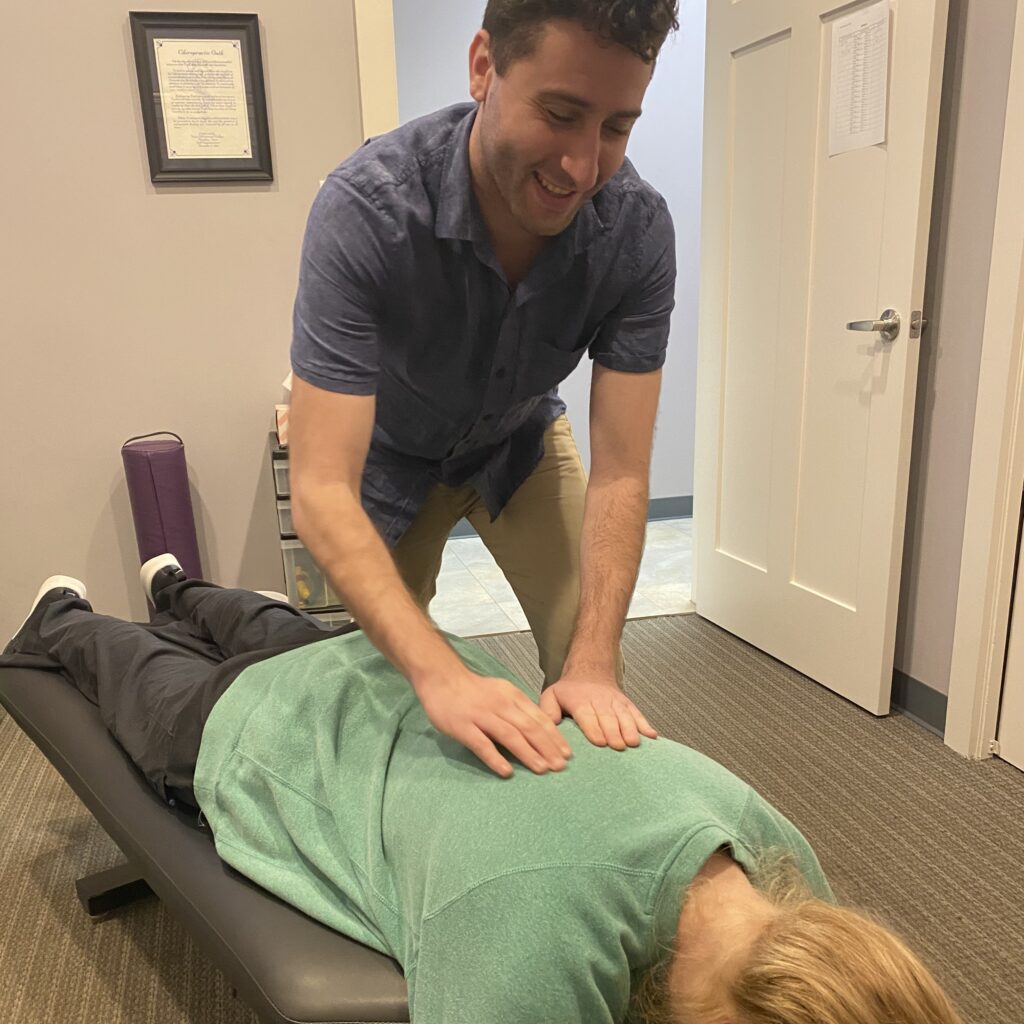

As a local chiropractor, I want to reassure you that if you’re dealing with chronic back pain, you’re certainly not alone. Many individuals face this issue, and it’s crucial to know that there are effective, natural ways to manage your discomfort. Chiropractic care, as well as other holistic approaches, can play a significant role in your recovery.
In our practice, we focus on understanding how various techniques contribute to pain relief and overall well-being. From spinal adjustments that help realign your body to improve function, to physical therapy exercises that strengthen your muscles and enhance flexibility, there are numerous strategies available.
Additionally, incorporating mindfulness practices can be incredibly beneficial in managing pain. Techniques such as meditation and deep breathing can help you cope with the stresses that often accompany chronic pain.
Let’s take the time to explore these options together, so you can find the best approach for your journey toward improved back health. Remember, taking the first step toward understanding your body and its needs can lead to a significant change in your quality of life.
Understanding Chronic Back Pain
As a local chiropractor, I want to help you understand chronic back pain, which can often feel like an unwelcome guest that overstays its welcome. This type of pain might linger for months or even years, significantly impacting your daily activities. Gaining insight into this condition is essential for effective management and relief.
Chronic back pain can manifest in various ways, from dull aches to sharp, stabbing sensations. It may arise from several factors, including injuries, poor posture, or even underlying medical issues. By understanding the root causes, we can work together to develop a personalized treatment plan.
Identifying your pain triggers is crucial in this process. You might find that your discomfort intensifies after long hours at your desk or during simple movements like bending over. Additionally, factors such as stress and inadequate sleep can exacerbate your pain. By paying attention to your body and recognizing these patterns, you can take proactive steps towards alleviating your discomfort.
Chiropractic care focuses on addressing these issues holistically, promoting natural healing and restoring balance to your body. Together, we can explore techniques that won’t only relieve your pain but also enhance your overall well-being.
Let’s embark on this journey toward a pain-free life!
The Role of Physical Therapy
Managing chronic back pain can be quite a challenge, but chiropractic care provides a natural and proactive approach to support your recovery. By collaborating with a skilled chiropractor, you’ll receive specialized treatment designed just for you. They’ll evaluate your condition, pinpoint the sources of your discomfort, and develop a customized plan that incorporates targeted techniques to relieve your pain.
In chiropractic care, you’ll learn vital practices to enhance your posture, flexibility, and overall strength. You’ll also be guided on how to perform daily activities in a way that minimizes discomfort. Your chiropractor might utilize gentle adjustments, as well as complementary therapies such as heat, ice, or electrical stimulation, to help alleviate your symptoms.
Moreover, regular visits can foster a supportive environment, connecting you with professionals who truly understand the intricacies of your pain. As you progress through your treatment, you’ll build confidence and acquire the skills necessary to effectively manage your pain.
Ultimately, chiropractic care empowers you to take charge of your healing journey, helping you lead a more active and fulfilling life.
Exercise and Strengthening Techniques
As a local chiropractor dedicated to your well-being, I want to share some valuable insights on managing chronic back pain through natural healing methods, particularly through exercise and strengthening techniques.
Many patients are unaware of the profound impact that these practices can have on their recovery and overall health.
Incorporating core stability exercises into your routine is essential. These exercises help support your spine and improve your posture, which can alleviate pain and prevent further injury.
Additionally, don’t underestimate the importance of stretching. Regular stretching enhances flexibility, allowing your muscles to relax and reducing tension in your back.
Low-impact aerobic activities, such as walking or swimming, can also be beneficial. These exercises promote blood flow and help to maintain a healthy weight, both of which are crucial for supporting your back.
By focusing on these methods, you can’t only build strength but also enhance your overall mobility and comfort.
Core Stability Exercises
As a local chiropractor, I want to emphasize the importance of core stability exercises in managing back pain. These exercises are fundamental in strengthening the muscles that support your spine, which is crucial for your overall health.
When you engage in core stability exercises, you’re not just working out; you’re building a solid foundation for your body. This helps improve your posture and reduces the strain on your back, which can lead to discomfort.
I recommend starting with some simple moves such as planks, bridges, and bird-dogs. It’s important to focus on engaging your core during each of these exercises. To reap the benefits, aim to incorporate these exercises into your routine several times a week.
As you become more comfortable, you can gradually increase the intensity or duration to further challenge your muscles.
Remember, maintaining proper form is essential to avoid injury and ensure you’re getting the most out of your workouts. By adding core stability exercises to your regimen, you can significantly enhance your overall strength and resilience, helping to alleviate chronic back pain and improve your quality of life.
If you have any questions or need guidance on how to start, feel free to reach out to me. I’m here to help you on your journey to better health.
Stretching for Flexibility
As a local chiropractor, I want to emphasize the importance of incorporating stretching into your daily routine to enhance your flexibility, which is vital for managing chronic back pain.
Regular stretching can help alleviate muscle tension, improve your range of motion, and support better posture, all of which are essential for your spinal health.
I encourage you to focus on key areas such as your hamstrings, hip flexors, and lower back. Gentle stretches like the cat-cow pose, child’s pose, and seated forward bend can be particularly beneficial.
When performing these stretches, hold each position for 15-30 seconds while breathing deeply to help relax your body.
Ideally, you should aim to stretch at least three times a week, but daily practice can yield even better results.
It’s crucial to listen to your body; if you feel any pain during a stretch, please ease off. With consistent practice, many of my patients experience a reduction in discomfort and an overall improvement in their mobility.
Low-Impact Aerobic Activities
As a local chiropractor, I want to emphasize the importance of not just stretching, but also incorporating low-impact aerobic activities into your routine for effective back pain management. Activities such as walking, swimming, and cycling are excellent choices. They help improve blood circulation, which is crucial for healing and reducing stiffness in your back.
These exercises also work to strengthen the muscles that support your spine, doing so without placing excessive strain on your back. I recommend aiming for at least 30 minutes of these activities, three times a week, to truly experience their benefits.
It’s important to start slowly and pay attention to your body; if you experience any pain, please adjust the intensity of your workouts.
Incorporating low-impact aerobics not only enhances your overall fitness but also promotes the release of endorphins—your body’s natural pain relievers. Consistency is essential in this journey, so I encourage you to find activities that you enjoy.
This will help keep you motivated and engaged as you work towards managing your chronic back pain naturally. Remember, I’m here to support you on this journey towards better health and wellness!
Mindfulness and Stress Reduction
As a local chiropractor, I want to share how mindfulness and stress reduction can be valuable tools in managing chronic back pain. Many of my patients are surprised to learn that incorporating mindful breathing techniques and guided meditation into their daily routine can significantly enhance their overall well-being and promote relaxation.
When you experience back pain, it can often lead to increased stress, which may, in turn, exacerbate your discomfort. By practicing mindfulness, you can create a sense of calm that helps you better cope with pain. Techniques such as focused breathing allow you to center your thoughts and reduce tension in your body, which is essential for healing.
Additionally, guided meditation can provide a mental escape, helping you to shift your focus away from pain and stress. As you become more attuned to your body through these practices, you might find it easier to recognize and address areas of tension, which can complement the chiropractic care I provide.
Together, these mindfulness strategies can play a crucial role in your pain management journey, enhancing the effects of chiropractic adjustments and promoting a holistic approach to your health.
Let’s work together to explore how we can integrate these practices into your routine for optimal results.
Mindful Breathing Techniques
As a local chiropractor, I want to emphasize the importance of mindful breathing techniques in managing stress and improving your overall well-being, particularly if you’re dealing with chronic back pain.
Focusing on your breath can’t only help create a sense of calm but can also assist in alleviating discomfort that may stem from tension in your body.
To get started, find a comfortable position, whether you’re sitting in a chair or lying down on a mat.
Close your eyes gently and take a deep breath in through your nose, allowing your abdomen to expand fully. Hold that breath for a moment, then exhale slowly through your mouth.
As you repeat this process, pay close attention to the natural rhythm of your breath.
It’s normal for your mind to wander during this practice; if that happens, simply redirect your attention back to your inhalation and exhalation.
With regular practice, you’ll cultivate a heightened awareness of your body and emotions, which can be beneficial in coping with pain.
Incorporating mindful breathing into your daily routine can complement the chiropractic care you receive, helping you manage discomfort and stress more effectively.
Guided Meditation Practices
As a local chiropractor, I want to share with you some effective techniques to manage chronic back pain and reduce stress, particularly through guided meditation practices.
These methods can help you focus your mind, relax your body, and cultivate a sense of peace, which may contribute to alleviating your discomfort.
Here are three simple ways you can easily incorporate guided meditation into your daily routine:
- Utilize Apps or Online Videos: There are many resources available that offer guided sessions specifically designed for pain relief and mindfulness. These can be great tools to help you get started.
- Establish a Regular Schedule: I recommend setting aside a specific time each day for your meditation practice. Consistency is key, and making it a part of your daily routine can enhance its benefits.
- Create a Comfortable Space: Find a quiet and inviting area in your home where you can sit or lie down comfortably, free from distractions. This will help you fully engage in your meditation practice.
Incorporating these practices into your life can complement the benefits of chiropractic care, helping you achieve a more holistic approach to managing your back pain and overall well-being.
Alternative Therapies: Acupuncture and Massage
As a local chiropractor dedicated to helping you manage chronic back pain, I want to introduce you to the benefits of alternative therapies such as acupuncture and massage.
These approaches can provide significant relief and contribute to your overall health.
Acupuncture involves the insertion of fine needles at specific points on your body. This technique stimulates healing and can effectively reduce pain.
Many of my patients have experienced noticeable discomfort relief and improved well-being after just a few sessions.
Massage therapy is another excellent complement to chiropractic care. It helps alleviate muscle tension, enhances circulation, and promotes relaxation.
Regular massages can significantly reduce stress levels and support your body’s natural healing processes.
Incorporating both acupuncture and massage into your treatment plan can create a holistic approach to pain management.
I encourage you to consult with professionals skilled in these therapies, as they can provide personalized care tailored to your needs.
Together, we can work towards your health goals and improve your quality of life.
Ergonomics and Posture Correction
As a local chiropractor dedicated to helping you manage chronic back pain, I want to emphasize the vital role of ergonomics and posture correction in your daily life.
By implementing a few simple changes, you can significantly alleviate discomfort and promote better spinal health. Here are three key strategies to consider:
1. Optimize Your Workspace: It’s crucial to set up your workspace in a way that supports your body.
Ensure your chair and desk are at the correct heights so that your feet rest flat on the floor and your elbows form a 90-degree angle. This alignment is essential for maintaining a healthy spine while you work.
2. Practice Good Posture: Pay close attention to your posture while sitting.
Aim to keep your back straight and shoulders relaxed. Slouching may seem comfortable at first, but over time it can lead to significant strain on your back and contribute to chronic pain.
3. Take Regular Breaks: I recommend standing up and stretching every 30 to 60 minutes.
This practice not only relieves tension in your back but also promotes movement, which is key to maintaining flexibility and preventing stiffness.
By integrating these strategies into your routine, you can take proactive steps towards improving your spinal health and overall well-being.
If you have any questions or would like to explore further options for care, please don’t hesitate to reach out.
Lifestyle Changes for Long-Term Relief
As a local chiropractor, I want to share some valuable insights on managing chronic back pain through lifestyle changes. Many patients are unaware of how impactful these adjustments can be for long-term relief.
First and foremost, incorporating regular physical activity into your day-to-day life is crucial. I recommend low-impact exercises such as walking, swimming, or yoga. These activities not only strengthen your back muscles but also minimize strain on your spine, making them ideal for those dealing with back pain.
Maintaining a healthy weight is also essential. Carrying excess weight can place additional stress on your spine, exacerbating discomfort. By keeping your weight in check, you can alleviate some of that pressure and improve your overall spinal health.
Let’s not overlook the importance of your sleeping habits. Investing in a supportive mattress and finding a sleep position that keeps your spine aligned can make a significant difference in how you feel. Proper rest is vital for recovery and overall well-being.
Hydration is another key factor. Drinking enough water helps maintain the elasticity of your spinal discs, which is important for preventing pain and promoting mobility.
Finally, managing stress is critical in your journey to relief. Stress can heighten pain perception, so engaging in mindfulness practices or hobbies that bring you joy and relaxation is essential.
Conclusion
As a local chiropractor, I want to share some effective strategies for managing chronic back pain that go beyond traditional methods. It’s important to understand that managing your pain requires a holistic approach. Incorporating chiropractic adjustments into your care can help restore proper alignment and function to your spine, which is crucial for reducing discomfort and improving mobility.
In addition to chiropractic care, I encourage you to engage in physical therapy and targeted exercises tailored to your specific needs. These activities can strengthen the muscles that support your back and enhance your overall well-being. Mindfulness practices, such as meditation or yoga, can also be beneficial in managing pain and stress.
Don’t forget about the advantages of alternative therapies, like acupuncture and massage, which can work wonders in alleviating tension and promoting relaxation. It’s equally important to assess your workspace ergonomics; optimizing your posture while working can prevent exacerbation of your back pain.
Implementing simple lifestyle changes—such as maintaining an active routine, staying hydrated, and focusing on nutrition—can contribute to long-term relief. I invite you to take charge of your health today. Together, we can pave the way for a more pain-free and active life through natural healing.