
If you’ve ever dealt with whiplash pain, you understand how much it can interfere with your daily life. The good news is that relief can often come sooner than you might think, especially when you turn to chiropractic care. By taking the right steps and utilizing natural healing techniques, you can significantly alleviate your pain and promote overall wellness.
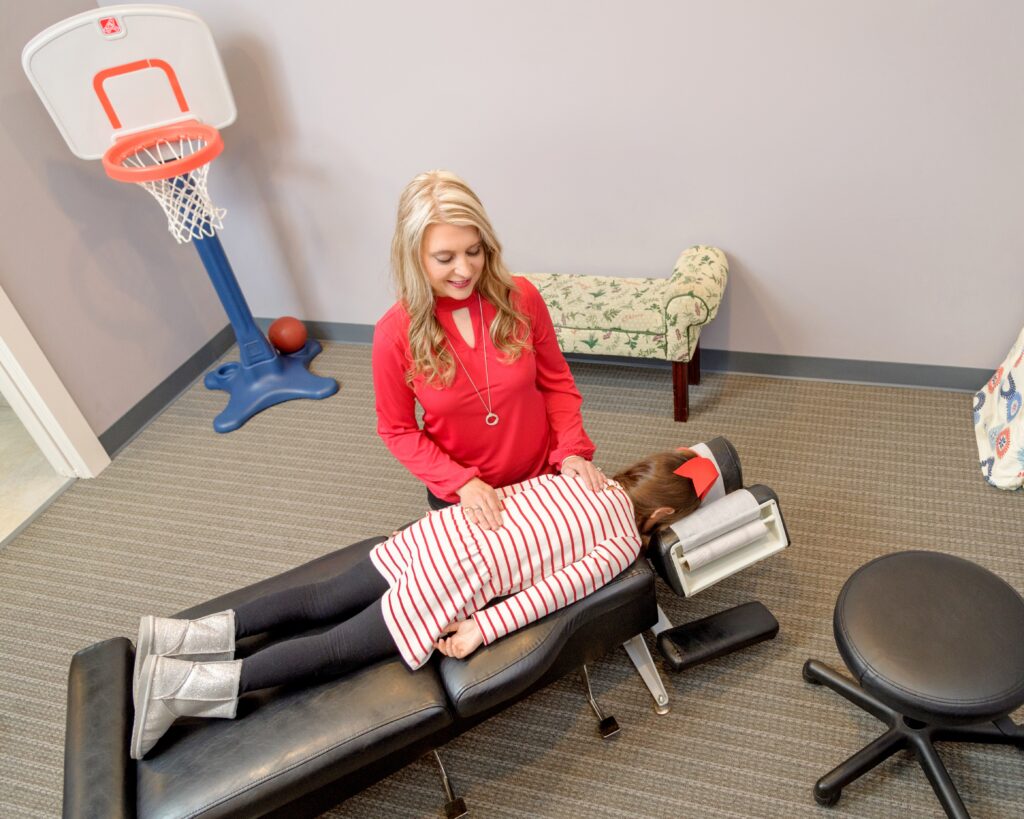
First and foremost, consider visiting a chiropractor. Chiropractic adjustments can help realign the spine, improve mobility, and reduce tension in the neck and surrounding muscles. This hands-on approach not only addresses the root cause of your pain but also enhances your body’s natural ability to heal itself.
In addition to chiropractic adjustments, there are several immediate steps you can take to help manage whiplash pain. Applying ice or heat to the affected area can provide relief—ice helps reduce inflammation, while heat can soothe tight muscles. Gentle stretching and neck exercises can also promote flexibility and prevent stiffness, but be sure to consult with your chiropractor before starting any new exercises.
It’s important to listen to your body and know when to seek help. If your pain persists or worsens, your chiropractor can work with you to develop a personalized treatment plan that may include additional therapies such as massage, physical therapy, or guided exercises.
Remember, your journey to recovery and optimal health doesn’t have to include medications or invasive procedures. Embrace the natural healing power of chiropractic care, and you’ll likely find yourself on the path to a healthier, pain-free life.
Key Takeaways
- Taking immediate rest after a whiplash injury is crucial, as it helps reduce pain and supports your body’s natural healing process.
- Applying ice therapy within the first 48 hours can work wonders for managing both swelling and pain. Just remember to wrap the ice in a cloth to protect your skin!
- Once the initial pain settles, gentle stretching and heat therapy can be your best friends. They help relax tight muscles and improve blood circulation, making it easier for your body to heal.
- As a chiropractor, I believe that personalized care is key. Chiropractic adjustments can relieve discomfort and speed up your recovery process, helping you get back to your daily activities sooner.
- Engaging in physical therapy under professional guidance can also be beneficial. Targeted exercises can help you regain mobility and strengthen your neck muscles, which are essential for quick pain relief and long-term wellness.
Remember, taking care of your spine and body naturally is the best path to optimal health. If you have any questions or need support, don’t hesitate to reach out!
Understanding Whiplash: Causes and Symptoms
Whiplash is a common injury that happens when your head is suddenly jerked forward and then backward, often as a result of a car accident or sports injury. This quick movement can strain or sprain the muscles and ligaments in your neck, leading to discomfort. You may initially feel pain or stiffness, which can later develop into headaches or pain in your shoulders and upper back.
The symptoms of whiplash can vary from person to person. Common signs include neck pain, limited movement, and tenderness. Some individuals also experience dizziness, fatigue, or difficulty concentrating. It’s important to recognize that these symptoms can impact your daily activities.
Understanding whiplash and its symptoms is crucial for knowing when to seek help. As a chiropractor, I believe that chiropractic care is one of the best natural approaches to address whiplash injuries. By focusing on spinal alignment and muscle balance, chiropractic adjustments can help relieve pain, improve mobility, and support your body’s natural healing process.
If you suspect you’ve experienced whiplash, pay close attention to your body and note any changes. Early intervention through chiropractic care can lead to better recovery outcomes.
Additionally, here are some general tips to help you manage symptoms:
- Apply Ice: Use an ice pack on your neck for 15-20 minutes several times a day to reduce swelling and relieve pain.
- Gentle Stretching: Engage in gentle neck stretches to maintain mobility, but avoid any movements that cause pain.
- Stay Hydrated: Drinking plenty of water can help keep your muscles hydrated and promote healing.
- Rest: Allow your body time to heal by getting adequate rest, but try to avoid prolonged inactivity.
- Consult a Chiropractor: Schedule an appointment with a chiropractor who can assess your condition and create a personalized treatment plan to support your recovery.
Immediate Steps to Take After Injury
After experiencing a whiplash injury, it’s crucial to promptly evaluate how you’re feeling. One effective way to manage any swelling and discomfort is through ice therapy, which can provide immediate relief. However, it’s important to consider further steps to support your recovery.
Chiropractic care is a fantastic option for addressing the underlying issues related to whiplash. By visiting a chiropractor, you can receive personalized treatment that focuses on promoting healing in your spine and surrounding muscles. Chiropractors specialize in adjusting the spine, which can relieve tension, restore mobility, and help your body heal naturally.
In addition to seeking chiropractic care, here are some immediate tips you can implement to aid your recovery:
- Rest: Give your body time to heal. Avoid activities that exacerbate your pain.
- Gentle Movement: While rest is important, gentle stretching can help maintain mobility and reduce stiffness.
- Heat Therapy: After the first 48 hours, applying heat can help relax tight muscles and improve blood circulation.
- Stay Hydrated: Drinking plenty of water can aid in the healing process by keeping your body well-hydrated.
- Posture Awareness: Pay attention to your posture, especially if you’re sitting for extended periods. Good posture can prevent additional strain on your neck.
Remember, your body has a remarkable ability to heal itself, especially with the right support. Choosing chiropractic care not only addresses your current pain but also helps you achieve optimal health for the long term.
If your symptoms persist, don’t hesitate to consult with a chiropractor who can guide you on the best path to recovery.
Assess Your Symptoms
How can you quickly assess the severity of your symptoms after a whiplash injury? Start by evaluating your pain levels. Rate your discomfort on a scale from one to ten.
It’s important to also pay attention to any other signs, such as stiffness, dizziness, or headaches. If you notice numbness or tingling in your arms, this could suggest nerve involvement, which is something to take seriously.
Next, check your range of motion. Can you turn your head side to side or look up and down without significant pain? If you find that your symptoms are severe or worsening, it’s crucial to seek professional help right away.
As a chiropractor, I recommend keeping a record of your symptoms. This can be incredibly helpful when you visit a healthcare provider, allowing them to tailor a treatment plan that best suits your needs.
In the meantime, there are some simple tips you can follow to promote healing naturally. Gentle stretching or light movements can help maintain mobility and alleviate stiffness.
Applying ice to the affected area can reduce inflammation, while heat can soothe tight muscles.
Remember, understanding your condition is the first step toward effective relief. Chiropractic care focuses on restoring proper alignment and function to your spine, providing a natural approach to pain relief and overall wellness.
Apply Ice Therapy
Once you’ve assessed your symptoms and identified your level of discomfort, it’s important to take proactive steps to manage your pain naturally. One of the most effective methods is ice therapy, which can significantly reduce inflammation and provide numbing relief to the area. By applying ice, you can help alleviate pain and support your body’s natural healing process.
To get started, simply wrap some ice in a cloth or use a cold pack, and apply it to the affected area for 15-20 minutes every hour. This method is straightforward and can be a great complement to chiropractic care, helping to enhance your overall recovery.
Here’s a simplified reference table for your ice therapy routine:
| Step | Action |
|---|---|
| 1 | Gather an ice pack or ice cubes |
| 2 | Wrap it in a cloth |
| 3 | Gently apply it to the injury |
| 4 | Keep it on for 15-20 minutes |
| 5 | Repeat every hour as needed |
Consistency is key, so make sure to stick with this routine for optimal relief.
In addition to ice therapy, remember that chiropractic care plays a vital role in achieving and maintaining your health. Our techniques focus on aligning your spine and supporting your body’s natural ability to heal. Always consult with your chiropractor for personalized advice and additional strategies for managing your pain. Together, we can work toward your wellness goals and enhance your quality of life naturally.
Seek Medical Attention
If you’ve recently experienced a whiplash injury, your immediate priority should be to seek chiropractic care. Even if your symptoms seem mild, a chiropractor can thoroughly assess your condition and provide a natural, holistic approach to healing. Don’t wait for pain to escalate; schedule an appointment as soon as possible to start your recovery journey.
During your visit, be open and honest about your symptoms. This information will help your chiropractor develop a personalized treatment plan tailored to your specific needs. They may use gentle spinal adjustments, therapeutic exercises, and other natural techniques to help restore your body’s balance and promote healing.
Chiropractic care can significantly improve your recovery time and reduce the risk of chronic pain. By focusing on spinal health, your chiropractor can enhance your overall wellness and help your body heal itself naturally. Remember, taking these steps now can make a big difference in your healing journey.
In addition, here are a few general tips to help you manage whiplash and promote healing at home:
- Rest and Relaxation: Give your body time to recover. Avoid strenuous activities that could strain your neck further.
- Ice Therapy: Applying ice packs to the injured area can reduce inflammation and alleviate pain. Just be sure to wrap ice in a cloth to protect your skin.
- Gentle Stretching: Once you feel ready, gentle neck stretches can help improve mobility. Always consult with your chiropractor for appropriate exercises.
- Stay Hydrated: Drinking plenty of water supports overall health and can aid in the healing process.
- Posture Awareness: Maintaining good posture can reduce strain on your neck and spine, helping to prevent further injury.
Choosing chiropractic care is a proactive step towards achieving optimal health and natural wellness. Your body has an incredible ability to heal itself; let a chiropractor guide you on this path to recovery!
Traditional Treatments for Whiplash Pain
When it comes to alleviating whiplash pain, chiropractic care is often the best route to support your recovery journey naturally. Instead of relying on over-the-counter medications like ibuprofen or acetaminophen, which can mask your symptoms, consider visiting a chiropractor who can address the underlying issues causing your discomfort.
In the initial stages following a whiplash injury, applying ice packs can help soothe pain and reduce swelling. However, it’s important to follow this up with professional chiropractic care. A chiropractor can provide gentle adjustments to your spine and neck, helping to restore proper alignment and function, which is essential for healing.
As you progress, a chiropractor can guide you through specific exercises tailored to strengthen your neck muscles and improve flexibility. These exercises are designed to promote natural healing and prevent future injuries. Instead of using a cervical collar, which can weaken your neck muscles over time, your chiropractor will teach you ways to support your recovery through movement and strength-building.
Once the initial swelling has subsided, heat therapy can be beneficial. A chiropractor may suggest ways to incorporate heat to promote blood flow and relaxation in the affected areas, enhancing your recovery.
It’s vital to stay consistent with chiropractic treatments and follow your chiropractor’s advice, as this will greatly enhance your healing process.
Alternative Therapies: Acupuncture and Chiropractic Care
If you’re dealing with whiplash pain, exploring alternative therapies can be a great way to support your recovery, and I believe chiropractic care is one of the best options available.
Chiropractic care focuses on the alignment of your spine and the mobility of your joints, which can be incredibly beneficial after a whiplash injury. A chiropractor will assess your condition and use gentle hands-on techniques to adjust your spine and neck, helping to relieve pain and improve your range of motion.
Regular adjustments not only address your immediate discomfort but also help to prevent chronic issues from developing in the future.
While acupuncture is another alternative therapy that some people consider, I firmly believe that chiropractic care offers a more comprehensive approach to healing. It addresses the root cause of your pain rather than just the symptoms, promoting overall wellness naturally.
Here are a few tips for enhancing your recovery from whiplash:
- Stay Active: Gentle movements and stretches can help maintain flexibility in your neck and reduce stiffness. Avoid prolonged periods of inactivity.
- Ice and Heat Therapy: Applying ice packs in the initial days can reduce swelling, while heat therapy later can help relax tight muscles.
- Posture Awareness: Pay attention to your posture, especially when sitting or working at a desk. Good posture can alleviate strain on your neck and back.
- Stay Hydrated: Drinking plenty of water supports overall health and helps keep your muscles functioning well.
- Consult Your Chiropractor: Regular visits to your chiropractor can ensure that your spine remains aligned and help you recover more effectively.
Choosing chiropractic care as part of your recovery plan can lead to quicker relief and better long-term health outcomes.
It’s always best to consult with your healthcare provider to ensure that chiropractic care is right for you. Remember, taking a natural approach to healing can pave the way for a healthier, pain-free life!
The Role of Physical Therapy in Recovery
While chiropractic care is a vital component in treating whiplash and promoting recovery, physical therapy can also play a supportive role in your healing journey. A chiropractor focuses on spinal alignment and overall body wellness, which can help alleviate the pain associated with whiplash. However, incorporating physical therapy techniques can further enhance your recovery.
In physical therapy, targeted exercises and gentle stretches can help you regain mobility and strengthen the muscles that may have been affected by the injury. A good chiropractor can guide you on how to perform these movements safely, emphasizing the importance of maintaining proper posture to reduce strain on your neck. This not only helps to alleviate pain but also promotes long-term healing and prevents future injuries.
In addition to exercises, physical therapists may use modalities such as heat, ice, and electrical stimulation. While these can provide temporary relief, it’s essential to remember that chiropractic adjustments directly address the root cause of your discomfort. Regular visits to your chiropractor can help ensure that your spine is properly aligned, which supports your body’s natural healing processes.
As you navigate your recovery, consider these tips:
- Stay Active: Gentle movement is key. Engage in activities like walking or swimming to keep your body moving without straining your neck.
- Practice Good Posture: Be mindful of your posture while sitting and standing to minimize neck strain. An ergonomic workspace can make a big difference.
- Stay Hydrated: Drinking plenty of water supports overall health and can aid in muscle recovery.
- Listen to Your Body: Pay attention to how your body feels during activities. If something doesn’t feel right, stop and consult your chiropractor.
Home Remedies and Lifestyle Adjustments
When managing whiplash pain at home, incorporating gentle stretching and strengthening exercises can significantly support your recovery.
These movements not only promote flexibility but also help strengthen the muscles around your spine, which is essential for overall stability. Utilizing heat therapy, like warm compresses, can soothe tight muscles, while cold therapy, such as ice packs, can reduce inflammation and numb discomfort.
Moreover, consider visiting your local chiropractor for a personalized assessment and tailored treatment plan. Chiropractic care focuses on the alignment of your spine, which is crucial in relieving pain and promoting natural healing.
Through hands-on adjustments, your chiropractor can help restore balance, allowing your body to function optimally.
Remember, small lifestyle adjustments can make a big difference. Maintain good posture, take regular breaks if you’re sitting for long periods, and stay active with low-impact activities, like walking or swimming.
Stretching and Strengthening Exercises
To effectively alleviate whiplash pain, incorporating stretching and strengthening exercises into your daily routine can make a significant difference in your recovery journey. As a chiropractor, I want to emphasize the importance of maintaining a healthy spine and neck through natural methods.
Begin with gentle neck stretches to help improve flexibility and reduce stiffness. Try tilting your head side to side and forward and backward, holding each position for 15-30 seconds. This simple routine can help relieve tension and promote better mobility in your neck.
In addition to stretching, strengthening exercises are vital for building support around your neck. Simple movements like shoulder shrugs and neck rotations can enhance stability and strengthen the muscles that protect your spine. Aim to fit short sessions of these exercises into your day, and always focus on what feels comfortable for you.
Listening to your body is crucial; if any exercise causes increased pain, stop immediately. Remember, consistency is key! Incorporating these exercises into your daily life won’t only help alleviate pain but also contribute to your overall health and wellness.
Chiropractic care is an excellent option to consider for optimal health. Regular adjustments can help realign your spine and improve your overall function, complementing the benefits of stretching and strengthening routines.
Heat and Cold Therapy
Heat and cold therapy can be excellent allies in managing whiplash pain, as they help reduce inflammation and promote healing naturally. As a chiropractor, I believe in empowering you with simple techniques to aid your recovery.
When you apply heat to the affected area, it enhances blood flow and helps to relax tight muscles, making it an effective method to ease stiffness. You can use a warm towel or a heating pad for about 15-20 minutes. This warmth can soothe your muscles and support your overall recovery.
On the other hand, cold therapy works by numbing the area, which can significantly reduce swelling and provide pain relief. Ice packs are particularly beneficial when applied for 15-20 minutes, especially during the first 48 hours after an injury. Remember to wrap the ice pack in a cloth to protect your skin.
A great strategy is to alternate between heat and cold therapy to see what feels best for you. This combination can help you find relief and accelerate your healing process.
In addition to these therapies, consider incorporating gentle chiropractic adjustments into your routine. Chiropractic care focuses on aligning your spine and promoting optimal function of your nervous system, which can enhance your body’s natural healing abilities.
As you practice these techniques, remember to listen to your body and consult with your chiropractor for personalized advice tailored to your specific needs.
When to Seek Further Medical Attention
While many cases of whiplash can improve with at-home care and natural remedies, there are times when you should seek further assistance to ensure your optimal health and well-being.
If you experience severe pain that doesn’t improve with rest or natural pain relief methods, it’s important to consult a chiropractor who can provide specialized care and treatment tailored to your needs.
Watch for signs like numbness, tingling, or weakness in your arms or hands. These could indicate nerve involvement, and it’s best to get checked out.
Additionally, if your range of motion worsens or if headaches become more intense—especially if they feel like migraines—it’s time to reach out for professional guidance. Symptoms like dizziness, blurred vision, or difficulty concentrating also warrant a visit to your chiropractor, as these could point to underlying issues that need attention.
Remember, don’t ignore any significant changes in your condition. Seeking a thorough evaluation from a chiropractic professional can ensure you receive the appropriate natural treatment and help rule out complications.
Prioritizing your health is crucial for a full recovery, and chiropractic care offers a holistic approach to healing.
To support your healing journey at home, consider incorporating gentle stretches and exercises recommended by your chiropractor, maintaining good posture, and using ice or heat as needed to manage discomfort.
These small steps can make a big difference in your recovery and overall wellness.
Preventing Future Whiplash Injuries
After addressing your current symptoms and seeking the right care, it’s essential to focus on preventing future whiplash injuries. One effective way to start is by ensuring that your car’s headrest is properly positioned; it should be at the same height as the top of your head. This simple adjustment can make a significant difference in reducing the risk of injury during a collision.
Always remember to buckle up and wear your seatbelt, as this fundamental safety measure can greatly decrease the likelihood of injury.
Incorporating regular exercise that focuses on strengthening your neck and upper back muscles can also play a vital role in preventing whiplash. Simple stretching and strengthening routines can enhance your flexibility and stability, making your body more resilient to potential impacts.
If you participate in sports or physical activities, be sure to use appropriate protective gear and techniques. Staying aware of your surroundings can help you avoid sudden impacts that could lead to injury.
Additionally, practicing good posture, especially when sitting for long periods, is crucial for maintaining proper alignment in your neck and spine, reducing strain and tension. By integrating these habits into your daily routine, you can support your body and minimize the chances of experiencing whiplash again.
Chiropractic care can also be a key component in your journey toward optimal health and wellness. Regular chiropractic adjustments can help keep your spine aligned, improve your posture, and enhance your overall well-being.
Conclusion
In conclusion, finding relief from whiplash pain can happen quicker than you might think! By taking swift action—such as resting and applying ice—you can start your healing journey on the right foot. However, one of the best ways to ensure a full recovery is through chiropractic care. Chiropractors specialize in spinal health and can help realign your body, reducing pain and improving mobility.
In addition to chiropractic adjustments, integrating physical therapy can further enhance your recovery process. These treatments work in harmony to support your body’s natural healing abilities and promote overall wellness.
Remember to listen to your body and make any necessary lifestyle adjustments, like maintaining good posture and incorporating gentle stretches into your routine. If your pain lingers, don’t hesitate to reach out to your chiropractor for personalized advice and care. With the right approach, you can get back to your normal activities in no time and enjoy a healthier, more balanced life!