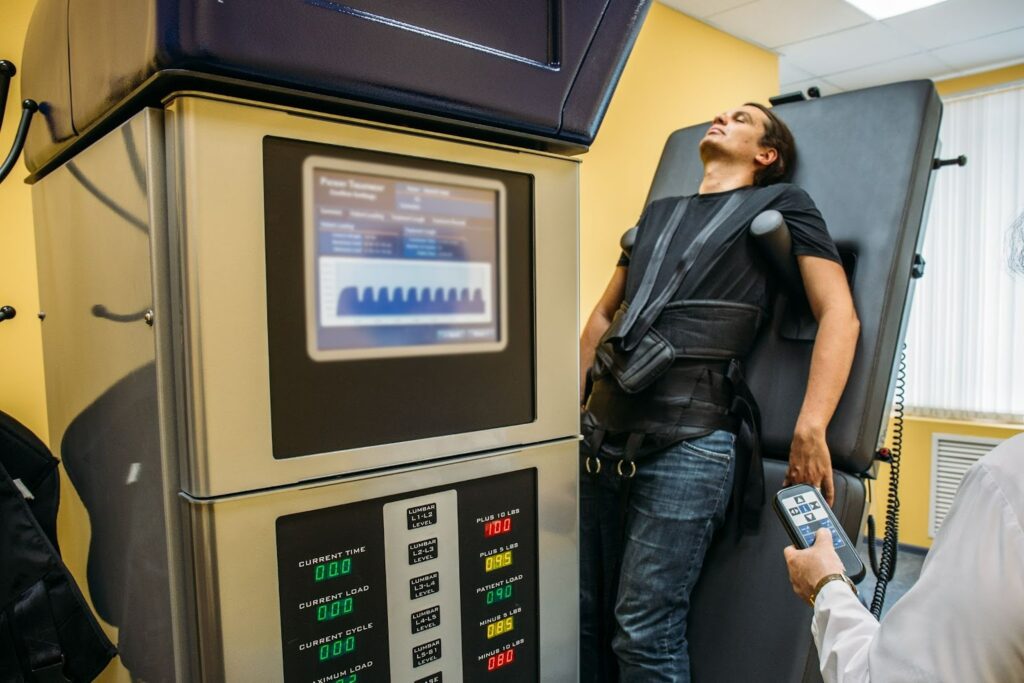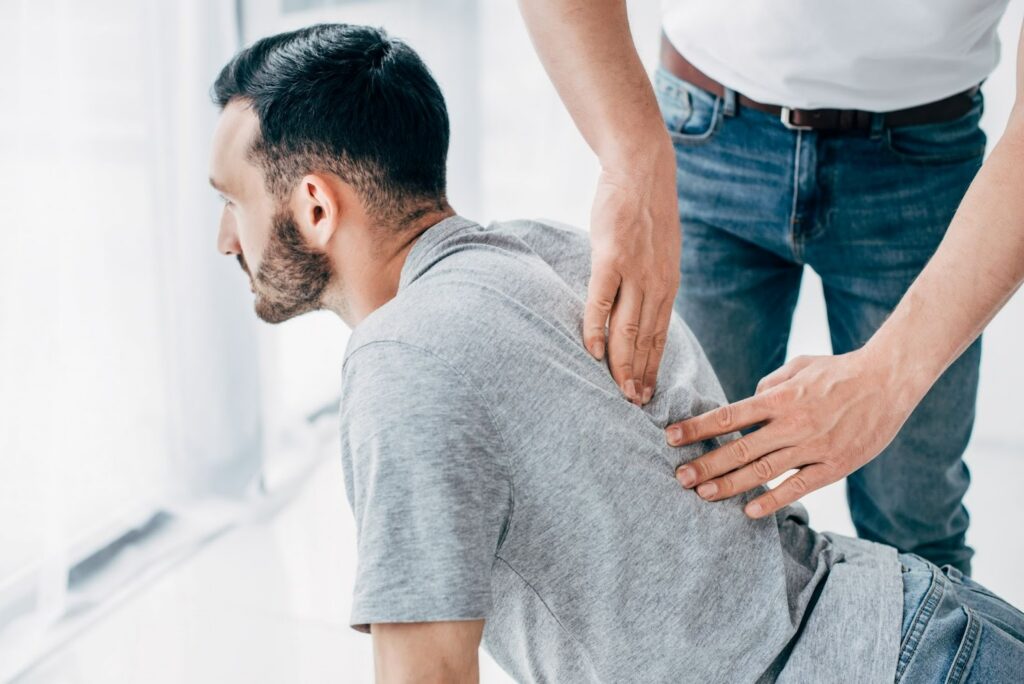

As a local chiropractor, I want to emphasize the importance of exploring reliable treatments for lower back pain. If you're experiencing discomfort, chiropractic care is a fantastic option that can provide significant relief. Our approach focuses on aligning the spine and improving overall body function, which can alleviate pain and promote healing.
In addition to chiropractic adjustments, physical therapy can complement your treatment by strengthening the muscles that support your back. You may also find relief through alternative therapies like acupuncture, which has been shown to help some individuals manage pain effectively.
It's also essential to consider lifestyle modifications that can prevent future back issues, such as improving your posture and incorporating regular exercise. Each treatment option has its unique benefits, but understanding how chiropractic care works and how it can be integrated with other therapies could greatly enhance your recovery journey. I'm here to guide you through these options and help you find the best path to wellness.
Physical Therapy
As a local chiropractor, I want to emphasize the vital role chiropractic care plays in effectively managing lower back pain. When you choose to explore chiropractic treatment, you're taking a proactive step towards your recovery and overall wellness. A skilled chiropractor will assess your condition and develop a personalized care plan that addresses your specific needs.
This plan often includes spinal adjustments and manipulations aimed at restoring proper alignment to your spine, which can significantly alleviate pain and improve function. We'll begin with gentle adjustments to enhance mobility and relieve tension. As your body responds positively, we may introduce additional techniques and exercises designed to strengthen your back and core muscles, thereby promoting stability and reducing discomfort.
Incorporating rehabilitative exercises is essential. These exercises not only help ease pain but also contribute to your overall health and well-being. We may include resistance training or aerobic activities tailored to your capabilities, ensuring a gradual progression that matches your recovery.
Education is a cornerstone of chiropractic care. You'll learn about proper body mechanics, posture correction, and effective strategies to avoid movements that could aggravate your pain. This knowledge empowers you to take charge of your health and daily activities, minimizing the risk of future injuries.
Consistency is crucial in achieving long-lasting results. By committing to your chiropractic sessions and engaging in the recommended home exercises, you can experience significant improvements in your condition.
Chiropractic Care
As a local chiropractor, I'm here to help you understand the many benefits of chiropractic care, especially when it comes to managing lower back pain.
Our approach focuses on enhancing your mobility and alleviating discomfort through various techniques designed to align your spine and promote overall wellness.
Chiropractic adjustments are gentle and tailored to your individual needs, helping to restore balance in your body.
By understanding how these adjustments work, you can make more informed decisions about your treatment options.
My goal is to empower you with knowledge about natural healing methods that can lead to a healthier, pain-free life.
If you have any questions or concerns, feel free to reach out—I'm here to guide you on your journey to better health!
Benefits of Chiropractic Adjustments
As a local chiropractor, I want to share how chiropractic adjustments can be a game-changer for those struggling with lower back pain. Many of my patients have found significant relief through these adjustments, which focus on aligning the spine and enhancing overall mobility. When the spine is properly aligned, it helps restore function to your nervous system, empowering your body to heal itself more effectively. This alignment can alleviate pressure on nerves, leading to a reduction in pain and discomfort.
Chiropractic care not only addresses pain but also promotes better blood circulation. Improved circulation can facilitate quicker recovery from injuries, allowing you to get back to your daily activities sooner. With enhanced mobility, you'll likely find it easier to participate in exercise and other activities that strengthen your back and prevent future pain. Many of my patients also report increased flexibility and a broader range of motion after receiving chiropractic care.
Additionally, one of the most rewarding aspects of chiropractic adjustments is the potential to reduce reliance on pain medications. This natural approach to pain management can lead to improved posture, alleviating strain on your lower back and enhancing your overall well-being.
Techniques Used in Therapy
As a local chiropractor, I want to take a moment to educate you about the various techniques we use in chiropractic care to help alleviate lower back pain. One of the primary methods we employ is spinal manipulation. This technique involves adjusting misaligned vertebrae to relieve pressure on nerves and restore mobility. Many patients report experiencing immediate relief from discomfort during these adjustments, and our goal is to improve your spine's alignment for better overall function.
In addition to spinal manipulation, we often incorporate soft tissue therapies, such as massage or myofascial release. These methods focus on relieving tension in tight muscles and fascia, which can promote better blood flow and enhance your flexibility. You may find that these treatments work synergistically with spinal adjustments, playing a significant role in your recovery process.
We also place a strong emphasis on exercise and rehabilitation. I'll work with you to create a personalized exercise program designed to strengthen your core and back muscles, which is vital for preventing future pain. During your visits, I'll also teach you proper body mechanics and stretching techniques that can further support your healing journey.
Additionally, we may utilize modalities like heat, cold therapy, or electrical stimulation to help manage pain and reduce inflammation. By combining these various techniques, we aim to provide you with a comprehensive approach to treating your lower back pain, tailored specifically to your individual needs.
Your health and well-being are our priority, and we're here to guide you on your path to recovery.
Medication Options
As a local chiropractor, I understand that navigating the many medication options for lower back pain can be overwhelming. However, I want to emphasize that effective relief often begins with natural and non-invasive treatments. Over-the-counter options like nonsteroidal anti-inflammatory drugs (NSAIDs), such as ibuprofen or naproxen, can help reduce inflammation and alleviate pain. These medications are often a first step, but they come with potential side effects and don't address the underlying issues.
If you find that over-the-counter treatments aren't providing sufficient relief, it's crucial to explore alternatives that focus on your overall health and wellness. As a chiropractor, I advocate for natural healing methods, which may include spinal adjustments, physical therapy, and targeted exercises designed to strengthen your back and improve flexibility. These approaches can effectively relieve pain while promoting long-term wellness without the risks associated with stronger medications.
In cases where muscle spasms are contributing to your pain, some healthcare providers may prescribe muscle relaxants. While these can provide temporary relief, they may also cause drowsiness and should be taken with caution. I encourage my patients to consider chiropractic adjustments and other natural therapies which can address muscle tightness without the side effects.
In more severe situations, opioids may be prescribed for short-term relief, but I urge caution. These medications carry a risk of dependence and should only be used under strict medical supervision. Instead, I recommend exploring topical pain relievers, such as creams or patches, that can target specific areas of discomfort while minimizing systemic effects.
Always consult with your healthcare provider, including your chiropractor, before starting any new treatment regimen. We can work together to determine the best approach tailored to your unique needs and health history.
Alternative Therapies
As a local chiropractor, I want to share with you the benefits of alternative therapies for managing lower back pain, which can effectively complement traditional treatments. These natural approaches not only provide relief but also enhance your overall well-being.
One method I recommend is acupuncture. This ancient practice involves inserting fine needles into specific points on your body. Many of my patients report that acupuncture helps alleviate pain and improve their mobility, making it a valuable option for managing back pain.
Chiropractic care itself is a cornerstone of natural healing. By focusing on spinal manipulation, we work to align your musculoskeletal system, which can significantly reduce back pain. Regular adjustments are essential, as they help maintain proper alignment and prevent future discomfort. If you're interested in chiropractic care, it's crucial to choose a qualified practitioner to ensure you receive the best treatment possible.
Another effective alternative is massage therapy. Therapeutic massages can help relieve muscle tension, improve circulation, and promote relaxation. Whether you prefer deep tissue or Swedish massage, these hands-on techniques can provide great relief from lower back pain.
I also encourage my patients to explore practices like yoga and Pilates. These exercises emphasize stretching, strengthening, and body awareness. They can enhance your flexibility and core strength, which may help prevent future injuries. Additionally, the mindfulness aspects of yoga can bolster your mental resilience in coping with pain.
Lastly, consider incorporating herbal remedies and supplements, such as turmeric or omega-3 fatty acids, into your wellness routine. However, it's important to consult with your healthcare provider before starting any new treatments to ensure they align with your specific health needs.
Lifestyle Modifications
As a local chiropractor, I want to share with you some essential lifestyle modifications that can significantly aid in managing lower back pain. It's important to understand that how we live our day-to-day lives can greatly impact our spinal health and overall well-being.
First and foremost, let's talk about posture. Whether you find yourself sitting at a desk for work or standing for long periods, proper alignment is crucial. Maintaining good posture can help alleviate stress on your spine. I encourage you to invest in ergonomic furniture and be conscious of how you lift heavy objects—always remember to bend your knees and lift with your legs, not your back.
Next, let's prioritize physical activity. Regular exercise is vital for strengthening the muscles that support your spine. I recommend low-impact activities such as walking, swimming, or yoga. These exercises not only enhance flexibility but also reduce stiffness. Consistency is key, so I urge you to find a routine that you enjoy and commit to it.
Nutrition is another important aspect to consider when managing pain. A balanced diet filled with anti-inflammatory foods—think fruits, vegetables, whole grains, and healthy fats—can help reduce inflammation and promote healing. Don't forget about hydration; drinking plenty of water is essential for supporting your body's functions and maintaining spinal disc health.
Your sleep habits also play a significant role in your recovery. A supportive mattress and the right sleep position can make a remarkable difference in how you feel. I suggest sleeping on your side with a pillow between your knees to keep your spine aligned.
Lastly, managing stress is crucial. High stress levels can lead to muscle tension, which may exacerbate back pain. Incorporating relaxation techniques such as deep breathing, meditation, or mindfulness into your daily routine can be incredibly beneficial.
Surgical Interventions
When conservative treatments, such as chiropractic adjustments and natural healing methods, haven't provided the relief you seek, it may be time to explore other options, including surgical interventions.
There are several types of surgical procedures available, each carrying its own set of risks and benefits.
As your local chiropractor, I encourage you to educate yourself about these options so you can make an informed decision regarding your lower back pain treatment.
Types of Surgical Procedures
As a local chiropractor, I want to help you understand the various surgical options for lower back pain, especially if conservative treatments haven't provided the relief you need.
It's essential to explore all avenues of care, including chiropractic and natural healing, before considering surgery.
One common surgical procedure is a discectomy, which involves removing herniated disc material that may be pressing on a nerve root or the spinal cord. While this can provide immediate relief, it's crucial to recognize that chiropractic care can often help manage disc issues through spinal adjustments and therapeutic exercises.
If spinal instability is the concern, a procedure called spinal fusion might be suggested. This involves fusing two or more vertebrae to stabilize the spine. However, as a chiropractor, I believe in strengthening the surrounding muscles and improving spinal alignment as a first line of defense against instability.
Another option is laminectomy, where part of the vertebra, known as the lamina, is removed to alleviate pressure on the spinal cord. While this can be effective, many patients find that regular chiropractic adjustments can help maintain spinal health and alleviate pressure without the need for surgery.
For conditions like scoliosis, corrective surgery may be recommended to realign the spine. In many cases, chiropractic care can play a significant role in managing symptoms and improving posture, potentially reducing the need for invasive procedures.
If you're experiencing chronic pain from degenerative disc disease, some may consider artificial disc replacement. However, I encourage patients to explore how chiropractic techniques can promote natural healing and restore motion in the spine without resorting to surgery.
Lastly, minimally invasive techniques like endoscopic spine surgery are available, which involve less tissue disruption and quicker recovery times. Still, I believe that with a holistic approach, including chiropractic care, many patients can find relief and improve their quality of life naturally.
It's important to have open discussions with your healthcare provider about all your options, including the benefits of chiropractic care, to determine the best course of action for your unique situation.
Risks and Benefits
When considering options for alleviating lower back pain, it's essential to weigh both the risks and benefits of various treatments, including chiropractic care. While surgery may be an option for some, it's important to understand that there are many natural and less invasive alternatives available that can be highly effective.
Chiropractic care focuses on addressing the root causes of your discomfort through spinal adjustments and other holistic techniques. Many patients find significant relief from lower back pain through these methods, experiencing improved mobility and a reduction in pain without the need for surgical intervention. By correcting misalignments in the spine, we aim to restore proper function and support your body's natural healing processes.
However, I want to emphasize the importance of understanding the potential risks associated with surgical options. Complications such as infections, blood clots, or nerve damage can occur, and recovery times can be lengthy. Additionally, there's no guarantee that surgery will completely resolve your pain, and some individuals may continue to experience symptoms afterward.
Before making any decisions about your treatment, I encourage you to have an open conversation with your healthcare provider about all your options, including chiropractic care. Together, we can explore whether the benefits of natural healing methods outweigh the risks associated with more invasive procedures.
Understanding your choices will empower you to make an informed decision about your health and well-being. Remember, for many, chiropractic care may provide a safer, more effective path toward recovery.
Pain Management Techniques
As a local chiropractor, I want to share with you some effective pain management techniques specifically for lower back pain. Many individuals are unaware of the variety of natural healing options available, and I believe understanding these can empower you to take control of your health.
First and foremost, it's essential to consider over-the-counter medications like ibuprofen or acetaminophen. These can help reduce inflammation and alleviate pain, serving as a starting point for your treatment. However, if these options don't provide sufficient relief, I recommend discussing with your healthcare provider the possibility of stronger medications or muscle relaxants.
One of the most powerful tools at our disposal is physical therapy. Working alongside a skilled physical therapist, you can engage in specific exercises that strengthen your back and improve flexibility. Regular sessions can significantly enhance your mobility and reduce pain over time.
Chiropractic care itself is another vital method to explore. We focus on spinal adjustments to alleviate discomfort and improve function. Many patients find that these adjustments not only relieve pain but also promote overall wellness by enhancing the body's natural ability to heal itself.
In addition to chiropractic adjustments, I encourage incorporating mindfulness practices like yoga or meditation into your routine. These techniques help manage stress and promote relaxation, which can be incredibly beneficial for pain relief.
You may also find comfort in heat and cold therapy; applying a heating pad or ice pack can ease discomfort and reduce inflammation.
Don't forget the importance of lifestyle changes. Maintaining a healthy weight, practicing good posture, and staying active can help prevent further strain on your back. Additionally, some patients find relief through alternative treatments like acupuncture or massage therapy, which can complement your chiropractic care.
Ultimately, I urge you to communicate openly with your healthcare provider. Together, we can determine the best combination of techniques tailored to your individual needs.
Conclusion
As a local chiropractor, I want to emphasize that effectively managing lower back pain requires a personalized approach. Chiropractic care is a crucial part of this process, focusing on spinal alignment to alleviate pain and improve function. Many of my patients find that incorporating physical therapy helps strengthen their muscles, providing additional support to their spine.
However, it's not just about treatments; adopting a holistic lifestyle is equally important. Simple changes, such as maintaining good posture and engaging in regular exercise, can significantly enhance your recovery and overall health. By remaining proactive and exploring a variety of natural healing options, you can discover the most effective path to relieve your pain and improve your quality of life. Remember, your journey to wellness is unique, and I'm here to guide you every step of the way.