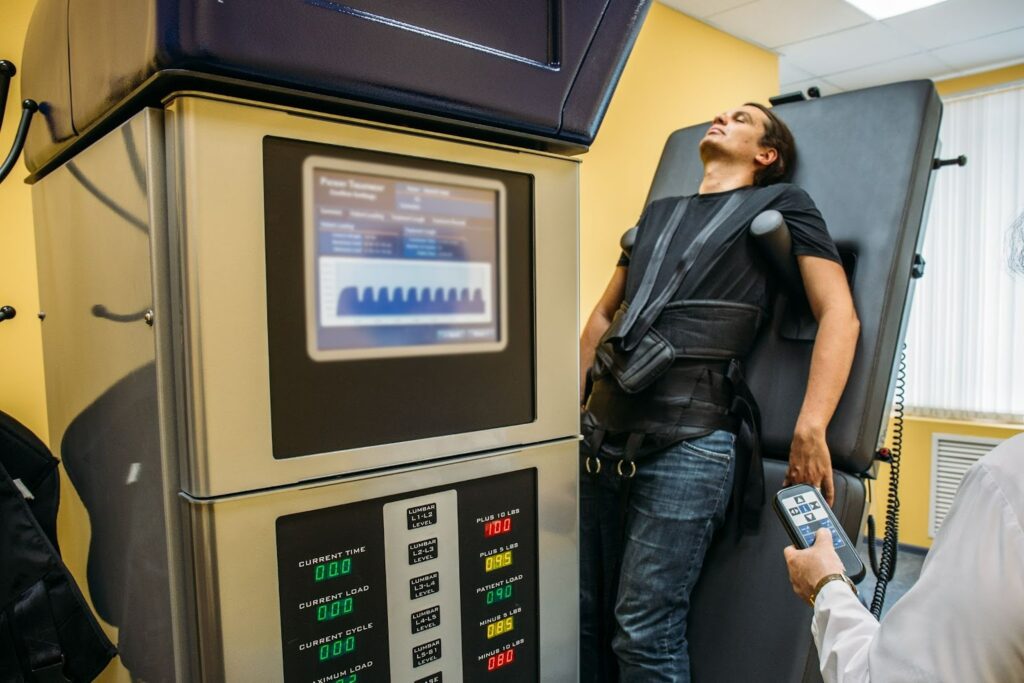

When it comes to back pain, you might find that customized treatments offer distinct advantages over one-size-fits-all solutions. By focusing on your unique pain profile and incorporating your feedback, these tailored approaches can pinpoint the underlying causes and create a more effective treatment plan. This personalization not only enhances your engagement but can also lead to quicker recovery times. So, what specific strategies make these customized treatments stand out, and how can they transform your approach to managing back pain?
Personalized Pain Assessment
When you're dealing with back pain, a personalized pain assessment is fundamental in identifying the root cause and tailoring an effective treatment plan. You wouldn't want to take a one-size-fits-all approach when it comes to something as complex as back pain. Each person's experience is unique, and understanding your specific symptoms, lifestyle, and medical history plays a significant role in this process.
During a personalized pain assessment, you'll likely discuss your pain's onset, intensity, and location. This conversation helps professionals pinpoint what's happening in your back. They'll ask you about your daily activities, work environment, and any previous injuries or conditions. Gathering this information is essential in determining whether your pain stems from muscle strain, disc issues, or perhaps nerve involvement.
Additionally, a thorough physical examination will often follow your initial discussion. This might include tests to assess your range of motion, strength, and reflexes. By evaluating how your body responds to various movements, healthcare providers can gain insights into what might be causing your discomfort.
Moreover, diagnostic imaging, such as X-rays or MRIs, may be recommended to visualize the structures in your back. This extensive approach guarantees that nothing is overlooked.
Ultimately, a personalized pain assessment sets the foundation for effective treatment, helping you regain control over your life and alleviate discomfort. With the right information, you can work with your healthcare provider to explore the best path toward recovery.
Tailored Treatment Plans
When it comes to managing your back pain, a tailored treatment plan is vital.
You'll go through an individualized assessment process to identify the root causes of your discomfort and develop targeted pain relief strategies.
Plus, ongoing progress evaluations guarantee your treatment stays effective as your needs change.
Individualized Assessment Process
A thorough individualized assessment process is essential for developing effective tailored treatment plans for back pain.
When you first consult with a specialist, they'll evaluate your unique situation, including your medical history, lifestyle, and specific symptoms. This initial assessment helps identify the root cause of your pain, which is vital for targeting the appropriate treatment.
During this process, your healthcare provider might perform physical examinations and diagnostic tests, ensuring they gather extensive information about your condition.
You'll also have the opportunity to share your concerns and expectations, which allows the provider to understand your goals better.
Targeted Pain Relief Strategies
After gathering insights from your individualized assessment, you can explore targeted pain relief strategies that align with your specific needs. These strategies focus on addressing the root causes of your back pain rather than just masking the symptoms.
One approach might involve physical therapy, where a trained therapist designs exercises tailored to strengthen the muscles supporting your spine. This proactive method not only alleviates pain but also enhances mobility and prevents future issues.
You could also consider chiropractic adjustments. These hands-on techniques aim to realign your spine and promote proper function, often leading to immediate pain relief.
In addition, your healthcare provider may recommend targeted injections, such as corticosteroids, to reduce inflammation in specific areas of your back. This strategy can provide significant temporary relief, allowing you to engage more fully in rehabilitation activities.
Don't overlook the importance of lifestyle changes, too. Modifying your daily routines and incorporating ergonomic practices can enhance your treatment's effectiveness, fostering long-term recovery.
Ongoing Progress Evaluations
Ongoing progress evaluations play an essential role in optimizing your tailored treatment plans for back pain. These evaluations allow you and your healthcare provider to track your symptoms, assess your response to treatment, and make necessary adjustments. By regularly reviewing your progress, you can identify what's working and what isn't, ensuring that your treatment remains effective.
During these evaluations, you'll discuss any changes in your pain levels, mobility, and overall function. This feedback helps your provider fine-tune your treatment plan, whether that means modifying medication, changing physical therapy techniques, or introducing new modalities. You'll feel more engaged in your care, knowing that your input directly influences your treatment.
Additionally, ongoing evaluations foster a stronger patient-provider relationship. When you actively participate in your treatment journey, it promotes trust and collaboration. Your provider can better understand your unique needs, leading to more personalized care.
Addressing Underlying Causes
Understanding the underlying causes of back pain is essential for effective treatment. When you experience discomfort, it's not just about alleviating the pain; it's about identifying what's triggering it. Customized back pain treatments can help you pinpoint the root causes, whether they stem from poor posture, muscle imbalances, or even specific injuries. By addressing these issues, you can set the stage for long-term relief.
Ignoring these underlying causes often leads to temporary fixes, which can leave you in a cycle of recurring pain. You might find yourself relying on painkillers or quick therapies that don't resolve the actual problem. Instead, a tailored approach involves a thorough evaluation of your lifestyle, activity levels, and medical history. This detailed analysis enables healthcare professionals to craft a treatment plan that targets your unique situation.
For example, if you've got a sedentary job, your back pain might be due to a lack of movement. Customized interventions can include specific exercises that strengthen your core and improve flexibility.
On the other hand, if your back pain comes from a previous injury, your treatment might focus on rehabilitation techniques that facilitate recovery.
Enhanced Effectiveness of Treatments
Customized back pain treatments not only identify underlying causes but also greatly enhance the effectiveness of your recovery. When you receive personalized care, your treatment plan is tailored specifically to your needs, addressing your unique symptoms and lifestyle. This means that rather than following a one-size-fits-all approach, you benefit from interventions that actually target the root of your discomfort.
By focusing on your specific situation, these treatments can incorporate various modalities such as physical therapy, chiropractic adjustments, and even lifestyle changes. For instance, if your back pain stems from poor posture at work, your treatment may include ergonomic assessments and exercises designed to strengthen your core and promote better alignment. This kind of targeted approach makes it more likely that you'll see improvements quickly.
Moreover, customized treatments often involve ongoing assessments and adjustments. As you progress, your healthcare provider can modify your plan based on how you respond to the initial interventions. This adaptability means you're not stuck with a treatment that's not working; instead, you're continuously moving towards a solution that truly fits.
In essence, the enhanced effectiveness of customized back pain treatments lies in their ability to focus on you as an individual. By combining various strategies and adapting as you go, you're more likely to experience significant relief and regain control over your life.
After all, effective treatment isn't just about alleviating pain; it's about restoring your overall well-being.
Improved Patient Engagement
When you have a personalized treatment plan, you're more likely to stay engaged in your recovery process.
Enhanced communication with your healthcare providers makes it easier to voice concerns and adjustments needed along the way.
This active partnership not only boosts your confidence but can also lead to better outcomes.
Personalized Treatment Plans
Personalized treatment plans can greatly enhance your engagement in managing back pain. When your treatment is tailored specifically to your needs, you're more likely to feel invested in the process. You'll have a clear understanding of your unique situation, which can motivate you to take an active role in your recovery.
These customized plans often include a combination of therapies, exercises, and lifestyle changes that work best for you. You won't just be following a one-size-fits-all approach; instead, you'll see how each element of your plan directly impacts your progress. This personalized focus empowers you to set realistic goals and track your improvements over time.
Moreover, being involved in the creation of your treatment plan allows you to voice your preferences and concerns. You can share what's worked for you in the past and what hasn't. This collaboration fosters a sense of ownership over your health journey, making you more committed to following through with the plan.
In short, personalized treatment plans increase your engagement and can lead to better outcomes, making it easier for you to manage your back pain effectively.
Enhanced Communication With Providers
Effective communication with your healthcare providers plays an essential role in managing back pain. When you share your symptoms, concerns, and treatment preferences openly, it helps your providers tailor their approach to fit your unique needs. You're not just a passive participant; your insights are significant in shaping the course of your treatment.
Customized back pain treatments encourage you to engage more actively in your care. With enhanced communication, you feel empowered to ask questions, express doubts, and discuss what works or doesn't work for you. This ongoing dialogue fosters a stronger provider-patient relationship, leading to better understanding and trust.
Additionally, when you communicate effectively, it allows your healthcare team to monitor your progress closely. They can adjust your treatment plan based on your feedback, ensuring you're not stuck with a one-size-fits-all approach. This responsiveness can lead to quicker relief and improved outcomes.
Ultimately, enhanced communication not only improves your experience but also makes your treatment more effective. By actively participating in conversations with your providers, you take control of your back pain management, leading to a more personalized and successful journey toward recovery.
Faster Recovery Times
For those dealing with back pain, achieving faster recovery times can make a significant difference in your daily life. Customized back pain treatments are designed specifically for your unique condition, allowing you to address the root causes of your discomfort more effectively. When treatments are tailored to your needs, you're likely to experience quicker relief and a more efficient recovery process.
One of the key benefits of personalized treatments is that they target your specific pain triggers. Instead of relying on a one-size-fits-all approach, your healthcare provider can focus on what's causing your pain, whether it's muscle strain, spinal issues, or nerve problems. This means you're not wasting time on ineffective treatments that don't work for you.
Moreover, customized plans often incorporate a variety of therapies, such as physical therapy, medication, or even lifestyle changes. By combining these approaches, you can accelerate your recovery. For instance, engaging in targeted exercises can strengthen the muscles around your spine, helping you regain mobility faster than if you were to follow a generic exercise routine.
Additionally, faster recovery times can lead to less time away from work or daily activities, allowing you to return to your normal life sooner. With less downtime, you can focus on what matters most to you—spending time with family, pursuing hobbies, or simply enjoying life without the burden of back pain.
Customized treatments not only promote quicker recovery but also pave the way for a more fulfilling life.
Long-Term Pain Management
Managing long-term back pain requires an extensive strategy that goes beyond temporary relief. You need to contemplate a holistic approach that addresses not just the symptoms but also the underlying causes of your discomfort. Customized treatments can help you develop a long-term pain management plan tailored to your specific needs and lifestyle.
One key aspect of effective long-term management is consistency. Daily habits play a significant role in your back health. Incorporating regular exercise, stretching, and physical therapy can enhance your strength and flexibility, reducing the risk of flare-ups.
You might also want to explore mindfulness techniques or cognitive behavioral therapy to help manage the emotional and psychological aspects of chronic pain.
Nutrition is another crucial factor. A balanced diet rich in anti-inflammatory foods can support your overall wellness and may reduce pain levels. Staying hydrated and maintaining a healthy weight can also alleviate stress on your back.
Don't forget to communicate openly with your healthcare provider. Regular check-ins can help adjust your treatment plan as needed, ensuring you stay on the right track. They may suggest alternative therapies like acupuncture or chiropractic care, which can complement your existing regimen.
Finally, contemplate keeping a pain diary. Tracking your pain levels, triggers, and responses to treatments can provide valuable insights, helping you and your provider refine your approach.
Conclusion
Incorporating customized back pain treatments can greatly improve your journey to recovery. By focusing on personalized assessments and tailored plans, you tackle the root causes of your pain effectively. This approach not only boosts your engagement in the healing process but also leads to faster recovery times and better long-term management. Embracing these individualized strategies empowers you to take control of your health, making a real difference in your overall well-being.