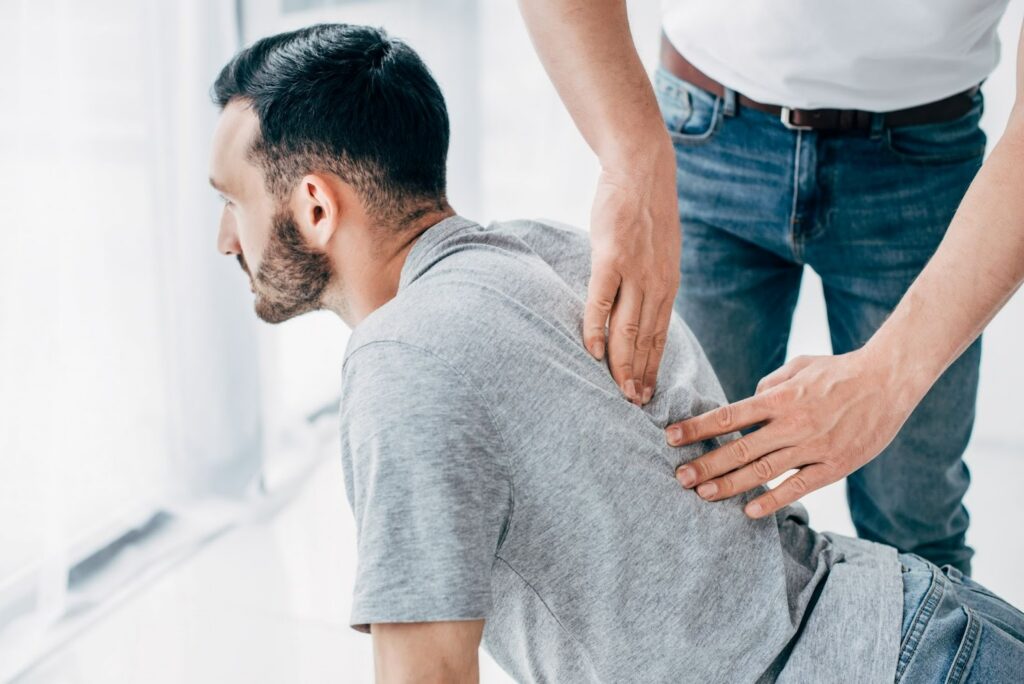

Lower back pain can be a frustrating and limiting issue for many of my patients. As a chiropractor, I want to emphasize the importance of understanding the underlying causes of your discomfort and how simple adjustments can lead to significant improvements. Many people are unaware of how their posture and daily habits can contribute to their pain. Through specific exercises and natural healing techniques, we can work together to alleviate your symptoms and promote overall wellness.
In my practice, I often see patients who are unsure about chiropractic care and how it can benefit them. It’s crucial to recognize that there are various strategies available that can help you manage your lower back pain effectively. From spinal adjustments to targeted exercises, we can create a personalized plan to address your specific needs.
Let’s take some time to explore these techniques and find the most effective ways to improve your condition. With the right approach, you can take control of your lower back pain and enhance your quality of life.
Understanding Lower Back Pain
As a local chiropractor, I want to help you understand the challenges of lower back pain and how we can address them through natural healing methods. Many of my patients describe this pain as if a heavy weight is pressing down on them, impacting their daily life and activities. This discomfort can arise from various sources, including muscle strains, herniated discs, or improper lifting techniques.
It’s crucial to appreciate how your body’s mechanics play a significant role in your pain levels. When you bend, twist, or lift without proper form, you place unnecessary stress on your lower back. Additionally, spending long periods sitting or standing can aggravate your discomfort.
By understanding the root cause of your pain, we can work together to develop effective strategies for relief. I encourage you to pay attention to your body’s signals and seek professional guidance if your pain persists.
Identifying the triggers of your lower back pain is vital in navigating your path to recovery and regaining control over your daily activities. Remember, gaining knowledge about your condition is the first step toward finding effective and natural relief. As your chiropractor, I’m here to support you on this journey to better health.
Importance of Proper Posture
As your local chiropractor, I want to emphasize how crucial proper posture is for managing and preventing lower back pain. When you maintain good posture—whether sitting or standing—you help distribute your weight evenly across your spine and the surrounding muscles. This alignment reduces unnecessary strain, which can help alleviate discomfort and keep your back healthy.
Conversely, slouching or hunching can lead to muscle fatigue, making your back more susceptible to pain.
To enhance your posture, I recommend keeping your shoulders back and aligning your spine. When you’re seated, ensure your feet are flat on the floor and your knees are at hip level.
If you spend long hours at a desk, it’s vital to adjust your chair and monitor to encourage a neutral position, which can greatly benefit your spinal health.
Stretching Exercises for Relief
As a local chiropractor, I want to share with you the incredible benefits of stretching exercises for alleviating lower back pain.
Many of my patients have found that incorporating simple stretches into their daily routine can significantly enhance their flexibility and alleviate muscle tension.
It’s a natural approach to healing that can complement the chiropractic care you receive.
Let’s discuss some effective stretching techniques that you can easily integrate into your lifestyle to help you feel more comfortable and pain-free.
Benefits of Stretching
As your local chiropractor, I want to share the incredible benefits of incorporating stretching exercises into your daily routine, especially for those dealing with lower back pain. Many people may not realize that stretching can significantly alleviate discomfort.
When you stretch, you increase your flexibility, which allows your muscles and ligaments to function more effectively. This improved flexibility can reduce tension in your body, leading to better posture—a crucial factor in preventing pain.
Moreover, stretching enhances blood circulation, ensuring that essential nutrients are delivered to your muscles, which aids in recovery. Regular stretching is also a fantastic way to promote relaxation, helping to relieve stress that could be contributing to your discomfort.
I encourage you to dedicate just a few minutes each day to stretching. Not only will this help strengthen your core, but it will also improve your overall mobility.
The benefits of stretching extend beyond pain relief; they empower you to lead a healthier and more active lifestyle. As a chiropractor, I’m here to support you on this journey to better health through natural methods.
Recommended Stretching Techniques
As a local chiropractor dedicated to helping you achieve optimal health, I want to share some effective stretching techniques that can significantly alleviate lower back pain.
One of the first exercises I recommend is the cat-cow stretch, which can enhance your spinal flexibility. To perform this stretch, get on your hands and knees, arch your back upward like a cat, and then dip it down while lifting your head, creating a nice flowing motion.
Another valuable stretch is the seated forward bend. Simply sit with your legs extended in front of you and gently reach for your toes. You should feel a soothing stretch in your lower back as you do this.
The child’s pose is also an excellent choice; kneel on the floor, extend your arms forward, and sit back on your heels. This position not only stretches your back but also promotes relaxation.
Lastly, don’t overlook the piriformis stretch, which targets the muscles in your buttocks and can help relieve tension in the lower back.
Incorporating these stretches into your daily routine can significantly enhance your well-being, reduce discomfort, and foster a sense of relaxation. I encourage you to make them a regular part of your day for better health and vitality!
Strengthening the Core Muscles
As a local chiropractor, I want to emphasize the importance of strengthening your core muscles for alleviating lower back pain. A strong core is fundamental because it provides crucial stability and support for your spine. When your core muscles are well-conditioned, they help distribute weight more evenly throughout your body, which significantly reduces strain on your lower back.
Incorporating core-strengthening exercises into your routine can be quite beneficial. I recommend starting with foundational exercises such as planks, bridges, and abdominal crunches. Aim to include these exercises in your regimen at least two to three times a week.
Focus on controlled movements to effectively engage your core and maximize the benefits. It’s a good idea to begin with basic exercises and gradually increase the intensity as you build strength. Always pay attention to your form to avoid any potential injuries.
Additionally, practices like yoga or Pilates can be excellent complements to your core strengthening efforts, as they emphasize core stability while also improving your flexibility.
As you embark on this journey, remember to listen to your body. If you experience any pain while performing an exercise, it’s essential to stop and consult with a professional, such as myself, who can provide guidance.
With consistent effort and dedication to strengthening your core, you can achieve significant improvements in your lower back health and overall well-being.
Heat and Cold Therapy Techniques
As a local chiropractor dedicated to helping you understand natural healing methods, I want to share the benefits of heat and cold therapy for managing lower back pain. Many patients find that using these techniques can provide significant relief.
Heat therapy is particularly beneficial for relaxing tight muscles and enhancing blood flow to the affected area, which promotes healing.
On the other hand, cold therapy is effective for reducing inflammation and numbing any sharp pain you might be experiencing.
It’s important to know when to apply each method. For instance, heat can be great for chronic pain or muscle stiffness, while cold therapy is often best used right after an injury or during flare-ups.
By understanding how to use these therapies correctly, you can take an active role in your recovery and overall well-being.
If you have any questions about incorporating these techniques into your routine, feel free to reach out!
Benefits of Heat Therapy
As a local chiropractor, I want to share with you the benefits of heat therapy, particularly for relieving lower back pain. Many of my patients find that when they’re feeling tense or stiff, applying heat can provide soothing relief. This is because heat therapy helps to increase blood flow to the affected area, promoting healing and alleviating muscle tightness.
There are various ways to apply heat, including using heating pads, warm towels, or even enjoying a hot bath. This practice not only relaxes your muscles but also enhances flexibility, allowing for easier movement without discomfort.
I encourage my patients to consider incorporating heat therapy into their routine, especially after a long day, as it can be a wonderful way to unwind and reduce stress.
However, it’s important to practice safety when using heat therapy. Always monitor the temperature to avoid burns, and be cautious not to use heat for prolonged periods.
Cold Therapy Guidelines
As a local chiropractor, I want to educate you on the benefits of cold therapy for managing lower back pain, particularly during flare-ups.
While many are familiar with heat therapy, cold therapy plays a crucial role in alleviating discomfort and reducing inflammation. Here’s how you can effectively incorporate it into your pain management routine:
- Apply Ice Packs: Use a cloth-wrapped ice pack or even a bag of frozen vegetables on the affected area for about 15-20 minutes at a time. You can repeat this every hour if needed, especially during acute pain episodes.
- Avoid Direct Skin Contact: It’s essential to protect your skin. Always place a towel or cloth between the ice and your skin to avoid frostbite or skin irritation.
- Monitor Sensation: Pay attention to how your body responds. If you notice excessive numbness or discomfort, it’s important to stop immediately, as this may indicate that you’ve been exposed to cold for too long.
By incorporating cold therapy into your self-care routine, you can effectively help manage and alleviate your lower back pain.
The Role of Physical Therapy
As a local chiropractor, I want to emphasize the vital role that chiropractic care plays in alleviating lower back pain. Our approach is personalized to address your unique concerns and conditions.
During your initial assessment, I’ll evaluate your spinal health and overall alignment, crafting a tailored treatment plan that focuses on strengthening your core, enhancing flexibility, and improving your posture.
You will learn about proper body mechanics, which are crucial for preventing future injuries. Techniques such as spinal manipulation and soft tissue mobilization are often employed to relieve pain and enhance mobility.
Moreover, I’ll provide guidance on lifestyle modifications, including ergonomic adjustments, that can further bolster your recovery and overall well-being.
Regular visits are key to maintaining accountability and motivation as you engage in your healing journey. By actively participating in your care, you’ll gain the tools needed to manage pain effectively and rebuild your strength, ultimately allowing you to lead a more active and fulfilling life.
Embracing chiropractic care can be a significant step toward achieving better health naturally.
Incorporating Yoga and Pilates
As a local chiropractor, I want to emphasize the importance of incorporating yoga and Pilates into your routine for effective lower back pain relief.
These holistic practices complement chiropractic care beautifully and can significantly enhance your journey towards a pain-free life. They focus on building core strength, improving flexibility, and fostering proper posture, which are all crucial elements in alleviating discomfort and promoting overall well-being.
Here are three key benefits of adding yoga and Pilates to your wellness regimen:
- Strengthens Core Muscles: Both yoga and Pilates specifically target your abdominal and back muscles. By strengthening these core muscles, you provide vital stability and support to your spine, which can greatly reduce pain.
- Enhances Flexibility: Engaging in regular yoga and Pilates sessions can expand your range of motion. This increased flexibility not only helps reduce tension in your lower back but also plays a significant role in preventing future injuries.
- Promotes Relaxation: The mindful breathing and stretching techniques integral to these practices help alleviate stress. By reducing stress levels, you can decrease muscle tension and pain, creating a more peaceful and balanced state of mind.
Incorporating yoga and Pilates alongside chiropractic care can truly be a game-changer in your path to recovery and health.
I encourage you to explore these practices as a natural way to enhance your healing journey.
Ergonomic Adjustments at Work
As a local chiropractor, I want to share some valuable tips to help you alleviate lower back pain while at work.
One of the first steps you can take is to make some ergonomic adjustments in your workspace. It’s crucial to set your chair height so that your feet are flat on the floor, which provides better support for your spine. Additionally, position your desk in a way that allows everything you need to be within easy reach, minimizing unnecessary bending or twisting.
Furthermore, I encourage you to adjust your monitor to eye level. This simple change can significantly reduce strain on both your back and neck, promoting better posture and overall comfort throughout your workday.
Proper Chair Height
As a local chiropractor, I want to emphasize the importance of finding the right chair height to ensure your comfort and prevent lower back pain while you work.
Many people don’t realize that an improperly adjusted chair can lead to poor posture and unnecessary strain on your body.
Here are three essential tips to help you achieve the ideal chair height for better spinal health:
- Feet Flat on the Floor: It’s crucial to have your feet resting flat on the ground or on a footrest. This position promotes stability and significantly reduces pressure on your lower back, which is key in preventing discomfort during long hours of sitting.
- Knees at 90 Degrees: Aim for your knees to be level with or slightly below your hips. This alignment helps maintain proper spinal posture, which is vital for your overall well-being. When your body is positioned correctly, you’ll notice less strain on your back and better circulation.
- Armrests at Elbow Level: The armrests should be adjusted to support your arms comfortably without elevating your shoulders. Relaxed shoulders are crucial in minimizing tension and strain, further contributing to a healthier sitting posture.
By taking the time to adjust your chair properly, you can greatly enhance your comfort while working and promote better spinal health.
Desk Arrangement Tips
As your local chiropractor, I want to emphasize that arranging your desk properly is just as crucial as having the right chair height for your overall comfort and spinal health.
It’s essential to ensure that your desk is at the right height so that your elbows can rest comfortably at a 90-degree angle. This small adjustment can make a significant difference in preventing strain.
Keep items you use frequently within arm’s reach to avoid unnecessary stretching or straining, which can lead to discomfort over time. When it comes to your keyboard and mouse, position them close together to help minimize tension in your shoulders.
If you’re working with a laptop, I highly recommend using a stand to elevate it to eye level, which encourages better posture and alignment.
Additionally, it’s important that your feet are flat on the floor or supported by a footrest. This will help support your lower back and maintain proper spinal alignment.
Remember to take regular breaks to stand, stretch, and move around. Not only does this help reduce stiffness, but it also enhances circulation, which is vital for relieving back pain and promoting overall wellness.
Your body will thank you for these simple yet effective adjustments!
Monitor Positioning Guidelines
As a chiropractor dedicated to your overall well-being, I want to emphasize the importance of monitor positioning for your comfort and health, especially if you spend long hours in front of a screen.
Many individuals overlook this aspect, but the way you position your monitor can significantly impact your spinal health and contribute to issues like lower back pain, neck strain, and eye discomfort.
Here are some simple guidelines to help you set up your workspace more effectively:
- Eye Level: Ensure your monitor is at or slightly below eye level. This helps maintain a neutral neck position and reduces the risk of strain on your cervical spine.
- Distance: Keep your monitor about an arm’s length away. This distance not only helps prevent eye strain but also allows you to read text comfortably without leaning forward or squinting.
- Tilt: Adjust the tilt of your monitor so that you can view the screen without having to lean forward or backward. A slight downward tilt can help you maintain a more natural posture.
By following these guidelines, you can create a more ergonomic workspace that supports your body’s natural alignment and promotes better health.
If you have any questions or need further assistance, feel free to reach out!
Over-the-Counter Pain Relief Options
When it comes to managing lower back pain, many individuals often reach for over-the-counter (OTC) pain relief options for immediate comfort. Common choices include nonsteroidal anti-inflammatory drugs (NSAIDs) like ibuprofen and naproxen, which can help reduce inflammation and alleviate discomfort. Acetaminophen is another widely used option, effective for pain relief, though it doesn’t have the anti-inflammatory properties of NSAIDs.
As your chiropractor, I encourage you to take a moment to carefully read the labels of any medication and adhere to the recommended dosages, as this can help prevent potential side effects. Additionally, you might want to explore topical treatments, such as creams or patches with menthol or capsaicin, which can provide targeted relief to the affected area.
While these OTC options can be beneficial for mild to moderate pain, it’s essential to remember that they aren’t intended for long-term use.
It’s crucial to pay attention to how your body reacts to these treatments. If you’re not noticing improvement, it may be time to consider other avenues for relief, such as chiropractic care, which focuses on addressing the root cause of the pain through natural healing methods.
Always feel free to reach out for guidance or to schedule a consultation to explore a more holistic approach to your back pain.
When to Seek Professional Help
As a local chiropractor, I want to help you understand when it might be time to seek professional help for your lower back pain.
It’s crucial to listen to your body and recognize when self-care isn’t sufficient. Here are three important signs to look out for:
1. Persistent Pain: If your lower back pain continues for more than a few weeks or seems to be getting worse, it’s a good idea to consult with a healthcare professional—like a chiropractor.
We specialize in diagnosing and treating musculoskeletal issues and can provide you with the care you need.
2. Radiating Symptoms: If you’re experiencing numbness, tingling, or weakness in your legs or feet, these symptoms may indicate nerve involvement.
As chiropractors, we can assess your spine and nervous system to identify any issues that could be causing these symptoms and develop a plan to address them.
3. Loss of Function: Struggling with daily activities or having issues with bladder or bowel control are serious concerns that require immediate attention.
At our clinic, we can help you regain your mobility and function through natural healing approaches.
Remember, listening to your body is essential for your overall health.
If you notice any of these signs, don’t hesitate to reach out for professional guidance. Early intervention can lead to better outcomes, and we’re here to support you on your journey to wellness.
Conclusion
As a local chiropractor, I want to share some valuable techniques that can help relieve your lower back pain and enhance your overall health. First and foremost, it’s essential to focus on maintaining proper posture throughout your daily activities. This simple adjustment can make a significant difference in how your back feels.
Incorporating regular stretching and core strengthening exercises into your routine is also crucial. These activities can help support your spine and improve flexibility, which is key to preventing pain. Additionally, utilizing heat or cold therapy can provide immediate relief when you’re experiencing discomfort.
I encourage you to consider making ergonomic adjustments at your workspace. This can greatly support your spine and reduce strain during long hours of sitting or standing. Remember, if your pain persists or worsens, seeking professional help is always a wise decision. As a chiropractor, I am here to guide you on your journey to a healthier, pain-free life through natural healing methods. Taking these proactive steps can lead you to improved well-being and a better quality of life.