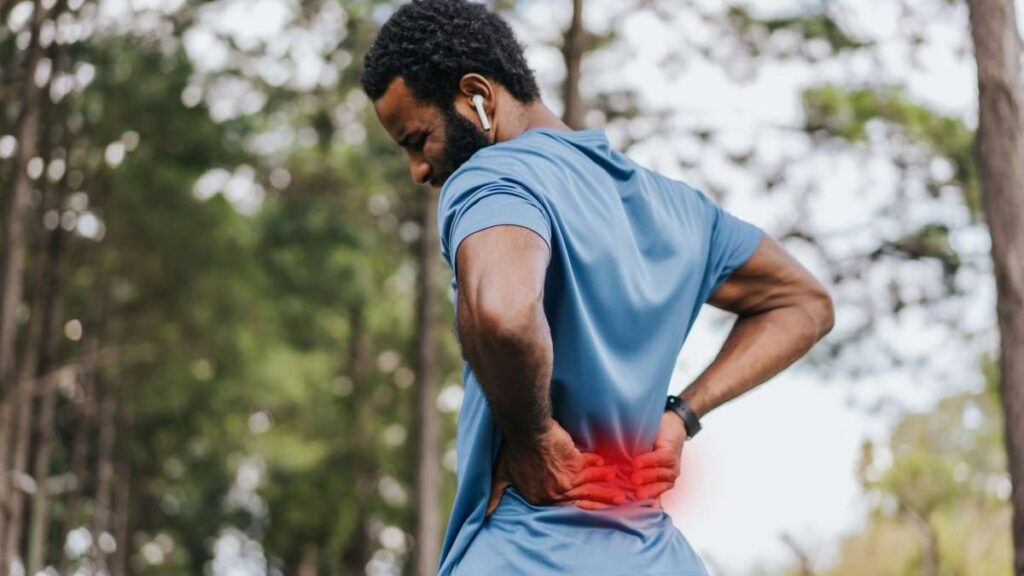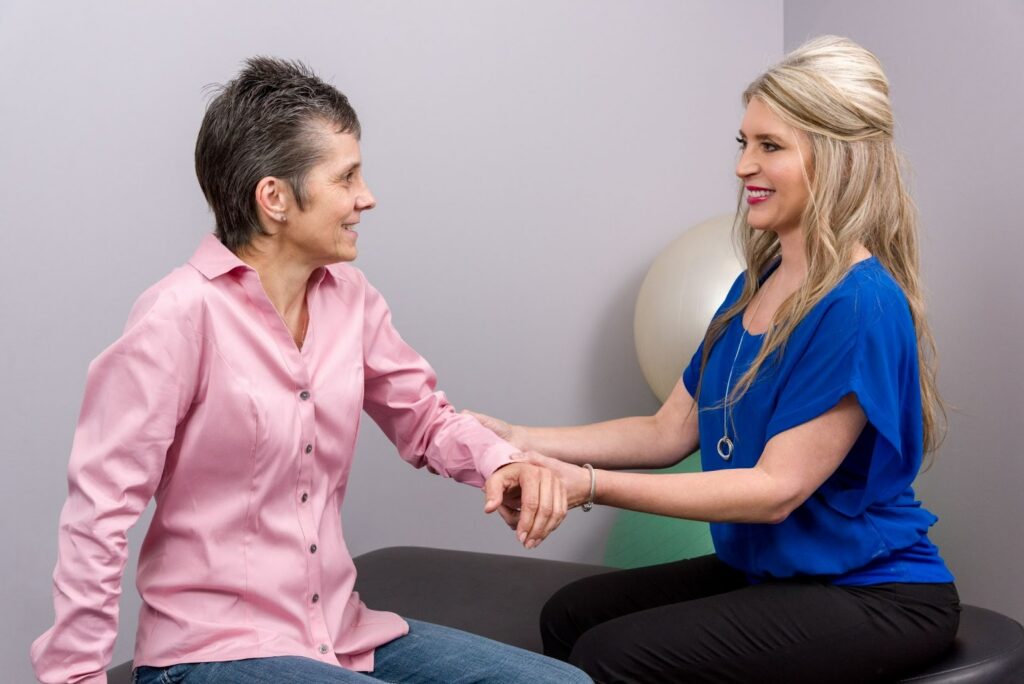

When you experience a sports injury, seeking professional help isn't just important—it's essential. You might think you can tough it out or self-manage, but doing so could lead to misdiagnosis and long-term complications. A qualified assessment provides clarity, while personalized treatment plans cater to your specific needs, ensuring a more effective recovery. Plus, advanced techniques available only through professionals can greatly speed up healing. Curious about how these factors can impact not just your recovery but also your overall performance? Let's explore the key reasons you should prioritize professional help for sports injuries.
Understanding the Injury Type
When you get injured while playing sports, understanding the type of injury is essential for effective recovery. Recognizing whether it's a sprain, strain, fracture, or a more serious injury can drastically change how you approach treatment. Each type of injury has its own set of symptoms and healing timelines. For instance, a sprain involves ligaments and may cause swelling and pain, while a strain affects muscles or tendons, often leading to muscle spasms and tenderness.
Once you identify the injury, you can take appropriate action. If it's a minor sprain, resting and applying ice might suffice. However, a fracture requires immediate medical attention and possibly a cast or surgery. Understanding the severity helps you in making informed decisions about when to seek professional help. It's important not to underestimate the seriousness of your injury, as this can lead to complications down the line.
You should also consider how the injury impacts your ability to play your sport. If you notice persistent pain or immobility, it's a sign that you might need a professional evaluation. By clearly understanding your injury, you can also communicate more effectively with healthcare providers, ensuring you receive the right treatment.
In short, get to know your injury type. Doing so will empower you to make better choices regarding your health, set realistic recovery goals, and ultimately, get you back in the game sooner. Take this important step in your recovery process!
Preventing Long-Term Damage
Preventing long-term damage from sports injuries is vital for any athlete looking to maintain their performance and overall health. Ignoring an injury or not seeking proper care can lead to chronic pain, decreased mobility, and even long-lasting physical limitations.
It's important to take the necessary steps to guarantee you recover fully and protect your body in the long run.
Here are some key practices to help you prevent long-term damage:
- Listen to Your Body: If you feel pain or discomfort, don't push through it. Resting and addressing the issue early can save you from more serious complications later.
- Seek Professional Help: Consult a sports medicine specialist or physical therapist who can accurately diagnose your injury and recommend a tailored recovery plan.
- Follow Rehabilitation Protocols: Stick to any prescribed rehab exercises and routines. These are designed to strengthen the affected area and restore function.
- Gradual Return to Activity: Slowly ease back into your sport. Jumping back in too quickly can exacerbate your injury and lead to further complications.
Enhanced Recovery Time
Taking the right steps after a sports injury can greatly improve your recovery time. When you seek professional help, you get immediate access to the expertise needed to address your specific injury. This means you won't just be resting and hoping for the best; instead, you'll receive accurate assessments and effective treatment strategies tailored to your needs.
Injuries can lead to muscle stiffness, inflammation, and pain, which can hinder your progress. By consulting a healthcare professional, you can receive guidance on the best rehabilitation exercises, stretching techniques, and pain management options. These strategies not only speed up your recovery but also help you regain strength and flexibility more effectively.
Additionally, professionals can monitor your progress and make necessary adjustments to your recovery plan. This ongoing support guarantees you're not pushing yourself too hard or too fast, which can lead to setbacks. You'll learn how to listen to your body and recognize when you're ready to resume your activities.
Ultimately, by seeking help, you'll greatly reduce the time it takes to heal and get back to doing what you love. Enhanced recovery time not only improves your physical health but also boosts your mental well-being. You'll feel more confident and motivated when you see progress, and that can make all the difference in your return to sports.
Don't underestimate the power of professional assistance; it's an essential step towards a quicker and more effective recovery.
Personalized Treatment Plans
Personalized treatment plans are crucial for effective recovery from sports injuries. When you seek help from a healthcare professional, they'll assess your unique situation, taking into account your specific injury, athletic goals, and personal history.
This tailored approach guarantees that you receive the most appropriate care and rehabilitation strategies for your needs.
Here's what you can expect from a personalized treatment plan:
- Comprehensive Evaluation: Your healthcare provider will conduct a thorough assessment to understand the extent of your injury and any underlying issues.
- Customized Rehabilitation Exercises: You'll engage in exercises specifically designed to strengthen the affected area while minimizing the risk of further injury.
- Nutritional Guidance: Proper nutrition plays a crucial role in recovery. Your plan may include dietary recommendations to support healing and overall performance.
- Ongoing Support and Adjustments: As you progress, your treatment plan will be regularly updated based on your recovery, guaranteeing you stay on track and adapt to any new challenges.
Access to Advanced Technology
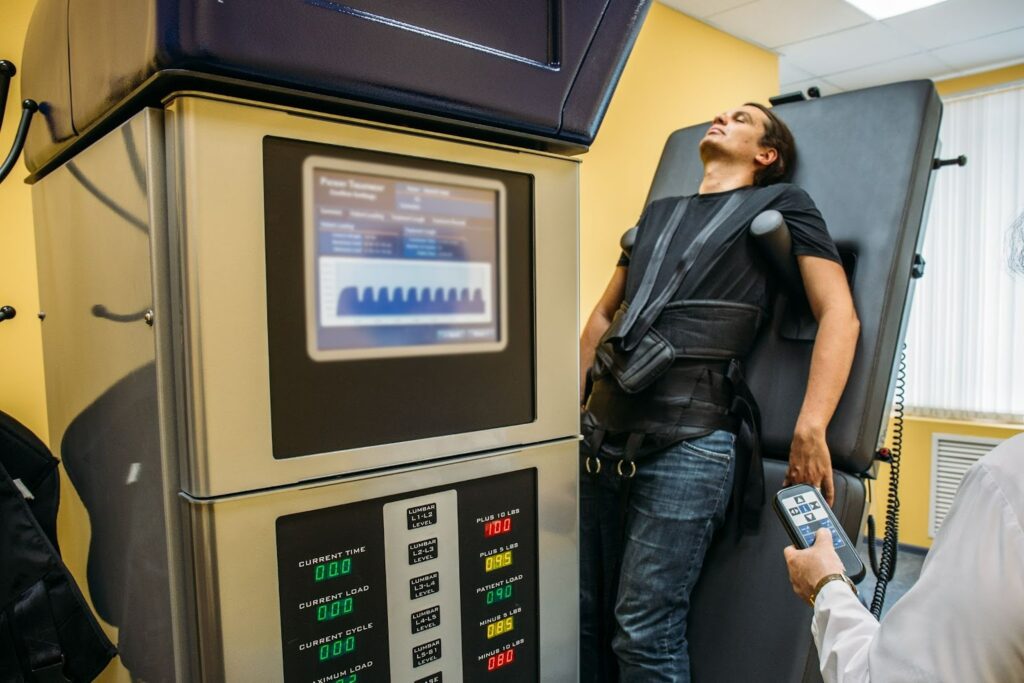
When you seek help for sports injuries, you gain access to cutting-edge diagnostic tools that can pinpoint the exact issue.
Innovative treatment techniques are often available, ensuring you receive the most effective care tailored to your needs.
Plus, enhanced recovery protocols can greatly speed up your healing process, getting you back in the game faster.
Cutting-edge Diagnostic Tools
Access to cutting-edge diagnostic tools can greatly enhance your understanding of a sports injury. These advanced technologies allow healthcare professionals to assess your condition accurately and tailor your treatment plan effectively. Knowing exactly what's going on with your body can make a huge difference in your recovery journey.
Some benefits of using these tools include:
- Imaging Techniques: MRI and CT scans provide detailed images of your bones, muscles, and soft tissues, helping to identify problems that mightn't be visible through standard examinations.
- Wearable Technology: Devices that monitor your movements and biomechanics can pinpoint issues in your technique that may lead to injuries.
- Ultrasound: This tool can assist in real-time imaging, allowing specialists to visualize soft tissue injuries and monitor healing progress.
- Diagnostic Injections: Injecting a small amount of anesthetic can help pinpoint the source of pain, giving insight into the specific injury.
Innovative Treatment Techniques
After gaining a clear understanding of your injury through advanced diagnostic tools, the next step is to explore innovative treatment techniques that leverage this technology.
You'll find that modern approaches to injury recovery can greatly enhance your healing process. For instance, techniques like ultrasound therapy use sound waves to promote tissue healing and reduce inflammation, allowing you to recover more effectively.
Another promising method is the use of electrical stimulation, which can help reduce pain and improve muscle function. This technique encourages your body to heal naturally while minimizing the need for medication.
Additionally, regenerative medicine, including platelet-rich plasma (PRP) therapy, harnesses your body's own healing properties to accelerate recovery.
You might also consider incorporating specialized bracing or orthotics designed through advanced imaging, ensuring a tailored fit that supports your healing without compromising mobility.
These innovative treatments not only target the specific areas of injury but also enhance overall performance.
Enhanced Recovery Protocols
Utilizing advanced technology in your recovery protocol can greatly enhance your healing journey. Access to cutting-edge tools and methods can help you recover faster and more effectively from sports injuries.
Here's how modern technology can make a difference:
- Diagnostic Imaging: Advanced imaging techniques, like MRI and ultrasound, provide detailed insights into your injury, allowing for accurate treatment plans.
- Cryotherapy: Utilizing extreme cold to reduce inflammation and pain, cryotherapy can speed up your recovery process considerably.
- Electrical Stimulation: This technique helps to stimulate muscle recovery and reduce pain, ensuring you get back to your sport quicker.
- Wearable Technology: Devices that monitor your movement and recovery can offer real-time feedback, helping you and your healthcare provider make informed decisions about your rehabilitation.
Professional Assessment and Diagnosis
When you get injured, accurate injury identification is essential for your recovery.
A professional assessment helps you understand the extent of your injury and guarantees you receive a personalized treatment plan that fits your needs.
This targeted approach not only speeds up healing but also minimizes the risk of future injuries.
Accurate Injury Identification
Accurate injury identification is essential for effective recovery, as misdiagnosing a sports injury can lead to prolonged pain and further complications.
It's vital to get a professional assessment to guarantee you understand the exact nature of your injury. Here's why proper diagnosis matters:
- Avoiding Further Damage: Misidentifying an injury might push you to continue exercising, worsening your condition.
- Targeting the Right Treatment: Knowing the specific injury helps in choosing the most effective recovery methods, avoiding ineffective or harmful ones.
- Preventing Recurrence: Understanding the root cause of your injury can help you implement strategies to prevent future issues, guaranteeing you stay in the game longer.
- Boosting Your Mental Game: Clarity about your injury can reduce anxiety and uncertainty, allowing you to focus on recovery rather than worry.
Personalized Treatment Plans
Many athletes overlook the importance of personalized treatment plans after a sports injury, but tailored recovery strategies can greatly enhance healing. When you seek help from a professional, they'll conduct a thorough assessment that considers your specific injury, medical history, and overall fitness level.
This individualized approach means you won't be following a one-size-fits-all recovery program, which often leads to inadequate healing or even re-injury.
With a personalized treatment plan, you'll benefit from targeted therapies designed just for you. These may include specific physical therapy exercises, nutritional guidance, and even mental health support to help you regain confidence.
Your treatment plan will evolve as you progress, ensuring that you're always working towards the best possible outcome.
Additionally, professionals will monitor your recovery closely, adjusting your plan based on how your body responds. This level of attention helps you stay on track and reach your goals faster.
In short, investing in a personalized treatment plan can make all the difference in your recovery journey, allowing you to return to your sport stronger and more resilient.
Don't underestimate the power of personalized care—your body deserves it.
Improved Performance Metrics
Improving performance metrics is often a key reason athletes seek help for sports injuries. When you get injured, it can feel like your progress stalls.
However, addressing those injuries with professional support can lead to enhanced performance once you're ready to return to your sport. Here's how seeking help can positively impact your metrics:
- Faster Recovery Time: Professional treatment can expedite your healing, allowing you to get back to the game sooner.
- Better Technique: Specialists can identify how an injury may have altered your form, helping you refine your technique for improved efficiency.
- Increased Strength: Tailored rehabilitation programs can help you regain strength and function, often leading to performance improvements beyond your previous levels.
- Enhanced Endurance: You'll learn strategies to manage fatigue and maintain peak performance throughout your game.
Strengthening Weak Areas
Identifying and strengthening weak areas in your body is essential for preventing future injuries and enhancing overall performance. When you're engaged in sports, you may notice certain muscles or joints aren't as strong or flexible as others. This imbalance can lead to injuries that could sideline you for weeks or even months. By focusing on these weak spots, you can build a more resilient body that's better equipped to handle the demands of your sport.
Working with a coach or a physical therapist can help you pinpoint these vulnerabilities. They can assess your movements and identify any areas that require extra attention. Once you've identified the weak areas, you can create a tailored strength-training program that targets those specific muscles. This targeted approach not only improves strength but also enhances coordination and stability, reducing the risk of injury.
Incorporating exercises like resistance training, balance drills, and flexibility routines will help you develop strength in those overlooked areas. Remember, it's not just about lifting heavy weights; it's about functional strength that translates to your sport.
When you take the time to strengthen your weak areas, you're setting yourself up for long-term success. You'll not only reduce the risk of injury but also improve your overall athletic performance.
Education on Injury Prevention
Understanding injury prevention is vital for every athlete, regardless of skill level. By educating yourself on how to avoid injuries, you can prolong your athletic career and enhance your performance.
Recognizing the importance of injury prevention means you're taking a proactive approach to your health and well-being.
Here are some key aspects of injury prevention you should focus on:
- Proper Warm-Up: Always start your workouts with a thorough warm-up. This prepares your muscles and joints for the physical demands ahead.
- Correct Technique: Verify you're using the right techniques for your sport. Poor form can lead to unnecessary stress on your body.
- Use of Appropriate Gear: Invest in quality equipment that's suitable for your sport. Wearing the right shoes, pads, or protective gear can make a significant difference.
- Rest and Recovery: Don't underestimate the power of rest. Allowing your body time to recover is essential in preventing overuse injuries.
Emotional and Mental Support
While physical recovery is essential, emotional and mental support plays an equally important role in healing from sports injuries. When you face an injury, it's not just your body that needs care; your mind and emotions require attention too. Experiencing pain, frustration, or fear of re-injury can take a toll on your mental well-being, affecting your motivation and overall recovery process.
Seeking emotional support from friends, family, or mental health professionals can provide you with a safe space to express your feelings and concerns. Talking about your struggles can help you process your emotions, reducing feelings of isolation. Surrounding yourself with a supportive network can boost your morale, reminding you that you're not alone in this journey.
Additionally, working with a sports psychologist can be beneficial. They can equip you with coping strategies to manage anxiety and stress related to your injury. Techniques like visualization and mindfulness can help you maintain a positive mindset, keeping your focus on rehabilitation.
Don't underestimate the impact of emotional well-being on your physical recovery. By addressing both aspects, you're setting yourself up for a more thorough healing process. Remember, it's okay to ask for help.
Prioritizing your emotional health not only aids in your recovery but also prepares you mentally for returning to the sport you love. Embrace this holistic approach, and you'll find yourself stronger, both physically and emotionally, as you move forward.
Conclusion
Injuries can sideline you, but seeking professional help is a game changer. By understanding your injury type and getting a personalized treatment plan, you can prevent long-term damage and enhance your recovery time. Plus, access to advanced technology and education on injury prevention will help you strengthen weak areas and improve your performance. Don't underestimate the importance of emotional support, either. Taking this step can set you on the path to a successful recovery and a stronger comeback.