
If you're struggling with chronic back pain, you might be seeking alternatives that don't involve medication or surgery. Non-invasive solutions, such as physical therapy, acupuncture, and lifestyle adjustments, offer promising pathways to relief. You may find that these methods not only address your symptoms but also enhance your overall well-being. However, understanding which options truly work for you can be complex and requires careful consideration. What if a simple adjustment in your daily routine could make a significant difference?
Understanding Chronic Back Pain
Chronic back pain can feel like an unwelcome companion that affects your daily life. It's that nagging discomfort that lingers, making simple tasks like bending down or lifting objects a struggle. You're not alone in experiencing this; millions of people deal with chronic back pain, and understanding what it's can help you manage it better.
Essentially, chronic back pain lasts longer than three months, and it can stem from various causes. Sometimes, it's due to an injury, like a sprain or herniated disc. Other times, it could be linked to conditions such as arthritis or sciatica. It's important to identify the root cause of your pain, as this can guide your approach to finding relief.
Your emotional and mental state can also play a significant role in chronic back pain. Stress, anxiety, and depression can exacerbate your symptoms, creating a cycle that's hard to escape. Recognizing this connection can empower you to seek thorough solutions that address not just the physical pain, but also the emotional factors at play.
Lifestyle choices, such as your level of physical activity, posture, and weight, can influence your back health. Being mindful of these aspects can lead to improvements in your condition.
Physical Therapy Techniques
When it comes to managing chronic back pain, physical therapy techniques can make a real difference.
You'll benefit from manual therapy approaches that target pain relief, while strengthening exercises help build resilience in your back.
Plus, incorporating stretching and flexibility techniques can improve your overall mobility and comfort.
Manual Therapy Approaches
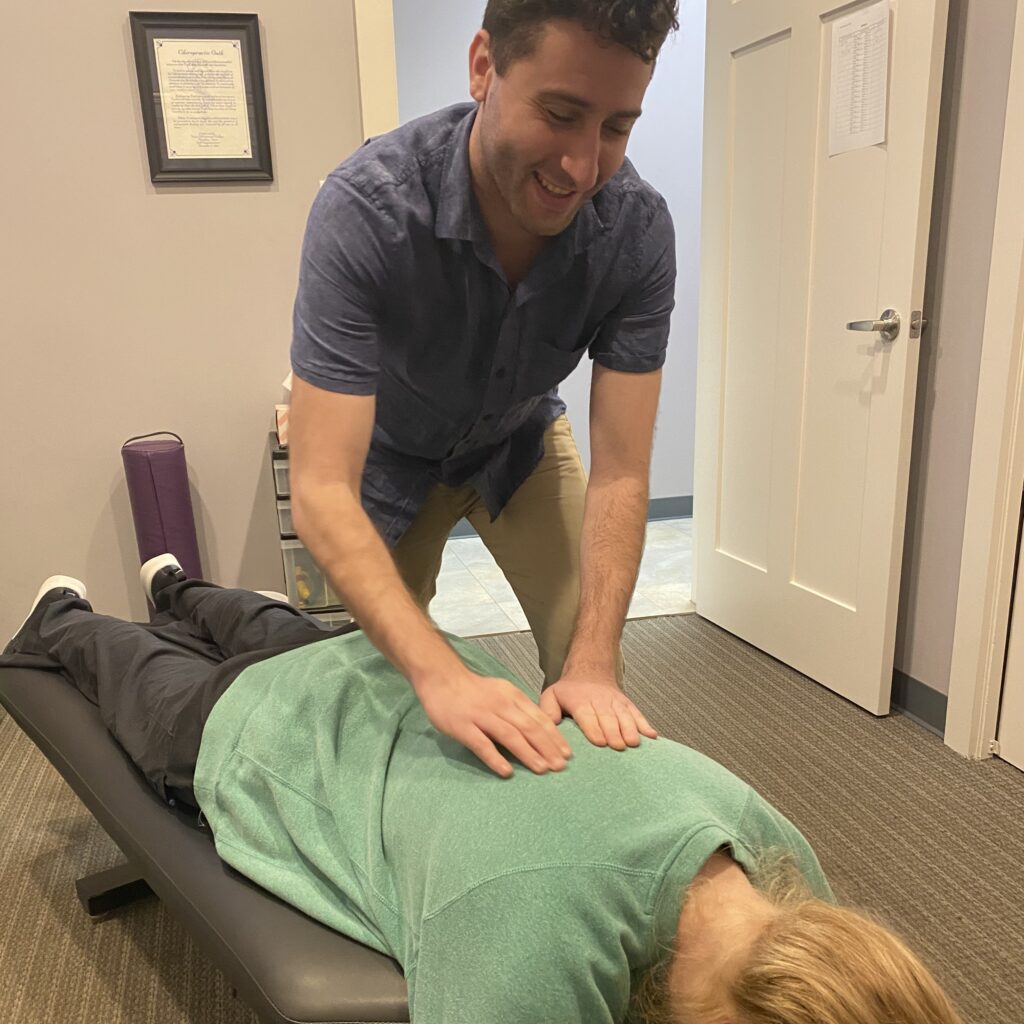
Manual therapy approaches, like those used in physical therapy, can be game-changers for managing back pain. These techniques focus on hands-on manipulation of soft tissues and joints, helping to relieve pain, improve mobility, and promote healing. When you work with a skilled therapist, they'll assess your specific condition and tailor treatments to your needs.
One effective technique is joint mobilization, which involves controlled movements to restore function and reduce stiffness in your spine. You might also experience myofascial release, where the therapist releases tension in your fascia—the connective tissue surrounding muscles. This can help alleviate pain and improve blood flow.
Another approach is soft tissue mobilization, which targets muscle knots and tension, promoting relaxation and improving overall movement. You might find that these therapies not only relieve pain but also enhance your overall quality of life.
It's essential to communicate openly with your therapist about your pain levels and any discomfort during treatment. By engaging actively in your therapy sessions and following your therapist's advice, you can greatly benefit from these manual therapy approaches in your journey toward managing chronic back pain.
Strengthening Exercises Benefits
Strengthening exercises play an essential role in managing back pain and enhancing overall spinal health. By focusing on the muscles that support your spine, you can improve stability and reduce the likelihood of injuries.
When you engage in these exercises, you're not just building muscle; you're also increasing endurance and flexibility, which are critical for maintaining proper posture and reducing strain on your back.
Incorporating core-strengthening movements into your routine can greatly alleviate discomfort. Strong abdominal and back muscles work together to support your spine, helping to distribute weight evenly and minimize stress on vulnerable areas.
This balance can lead to less pain and a greater ability to perform daily activities.
Moreover, strengthening exercises can boost your confidence in physical activities. As you notice improvements in strength and stability, you may find yourself more willing to engage in exercises and sports that once seemed intimidating.
This increased activity can further contribute to your overall health and well-being.
Stretching and Flexibility Techniques
Flexibility is essential for maintaining a healthy spine and preventing chronic back pain. Incorporating stretching and flexibility techniques into your daily routine can greatly improve your spinal health. When you stretch regularly, you enhance your range of motion and reduce muscle tension, which are vital for overall back support.
Start with gentle stretches that target the major muscle groups around your spine. For instance, try the cat-cow stretch to improve spinal flexibility. This dynamic movement warms up your back and promotes mobility.
You can also benefit from the child's pose, which gently stretches the lower back while encouraging relaxation. Hold each stretch for about 20-30 seconds and breathe deeply to maximize benefits.
Consistency is key, so aim to include these stretches at least three times a week. Additionally, consider incorporating yoga or Pilates into your routine. Both practices emphasize flexibility, balance, and core strength, all of which support a healthy spine.
Benefits of Acupuncture
Many people find relief from chronic back pain through acupuncture, a time-tested alternative therapy. This technique involves inserting thin needles into specific points on your body, stimulating the nervous system and promoting natural healing. You might be surprised to learn that acupuncture can help alleviate pain and reduce inflammation, making it a popular choice for those seeking non-invasive solutions.
One significant benefit of acupuncture is its ability to release endorphins, your body's natural painkillers. By activating these feel-good hormones, you can experience a decrease in pain perception and an overall sense of well-being. Additionally, acupuncture can improve blood circulation in the affected areas, allowing your body to heal more effectively.
Another advantage is that acupuncture has minimal side effects compared to many conventional treatments. You won't have to worry about addiction or dependency, as it doesn't involve medication. This makes it a safer option, especially for those who prefer to avoid pharmaceuticals.
Furthermore, acupuncture is highly customizable. Your practitioner will tailor the treatment to your specific pain patterns and needs, ensuring a more personalized approach to your back pain. This individualization can lead to more effective results over time.
Finally, many people find that acupuncture also helps reduce stress and anxiety, contributing to a more holistic sense of well-being. By addressing both physical and emotional aspects of pain, acupuncture can provide a thorough approach to managing chronic back pain.
If you're considering alternative therapies, acupuncture might just be the relief you've been searching for.
Innovative Technologies
Alongside traditional methods like acupuncture, innovative technologies are revolutionizing the way we manage chronic back pain. You're likely familiar with the discomfort and frustration that comes from persistent back issues, but new advancements can offer you hope and effective relief.
One of the most promising developments is the use of wearable devices that monitor your posture and movement. These gadgets provide real-time feedback, alerting you when you're slouching or engaging in activities that might exacerbate your pain. By making you more aware of your body mechanics, they can help you make necessary adjustments and avoid further strain.
Another exciting innovation is the use of neuromodulation techniques. Devices like transcutaneous electrical nerve stimulation (TENS) units send gentle electrical impulses to stimulate nerves and reduce pain signals before they reach your brain. This non-invasive method can be used at home, allowing you to manage discomfort on your terms.
Virtual reality (VR) is also making waves in pain management. Through immersive experiences, VR can distract you from pain while helping you engage in therapeutic exercises. This can be particularly beneficial during rehabilitation, as it combines physical activity with a fun and engaging environment.
Lastly, advancements in ultrasound therapy provide targeted pain relief by using sound waves to stimulate healing. This technology can penetrate deeper tissues, promoting blood flow and reducing inflammation without any invasive procedures.
Together, these innovative technologies offer you new avenues to explore in your fight against chronic back pain.
Mind-Body Approaches
When it comes to managing chronic back pain, mind-body approaches can be incredibly effective. These techniques focus on the connection between your thoughts, emotions, and physical body. By harnessing this connection, you can reduce pain and improve your overall well-being.
One popular method is mindfulness meditation. Practicing mindfulness helps you become more aware of your body and its sensations, allowing you to manage pain with greater ease. By focusing on your breath and observing your thoughts without judgment, you can create a sense of calm that may alleviate discomfort.
Another approach is guided imagery. This technique involves visualizing peaceful and healing images, which can help distract you from pain. By immersing yourself in these positive mental images, you might find that your perception of pain diminishes.
You could also explore yoga, which combines physical movement with breath control and meditation. Gentle stretches and poses can enhance flexibility and strength while promoting relaxation, making it an excellent option for back pain relief.
Lastly, cognitive-behavioral therapy (CBT) is worth considering. This therapeutic approach helps you identify and change negative thought patterns related to pain. By addressing these thoughts, you can reshape your emotional response to pain, leading to improved coping strategies.
Incorporating these mind-body techniques into your routine may empower you to take control of your chronic back pain. Embracing these practices can foster resilience and promote healing, allowing you to live a more fulfilling life.
Lifestyle Modifications
Integrating lifestyle modifications into your daily routine can greatly enhance your ability to manage chronic back pain. Start by evaluating your daily activities and identifying any patterns that may contribute to your discomfort. For instance, if you spend long hours sitting, consider investing in an ergonomic chair that supports your spine.
Regular breaks to stretch and move around can also alleviate tension and improve circulation.
Incorporating physical activity into your routine is essential. Aim for low-impact exercises like walking, swimming, or yoga, which help strengthen your back muscles without putting undue stress on your body. These activities can increase flexibility and reduce pain over time.
Remember to listen to your body and avoid any movements that exacerbate your discomfort.
Additionally, pay attention to your posture throughout the day. Whether you're standing, sitting, or lifting, maintaining proper alignment can greatly reduce strain on your back. When lifting, bend at your knees and keep the item close to your body to prevent injury.
Don't overlook the importance of sleep. A good quality mattress and proper sleeping positions can make a world of difference in how you feel each day.
Try to sleep on your side with a pillow between your knees or on your back with a pillow under your knees for ideal support.
Lastly, managing stress through mindfulness practices like meditation or deep-breathing exercises can help reduce muscle tension.
Nutritional Considerations
Nutritional considerations play an essential role in managing chronic back pain, as what you eat can greatly impact inflammation and overall health. Incorporating anti-inflammatory foods into your diet can help alleviate pain. Focus on fruits and vegetables rich in antioxidants, like berries, spinach, and kale. These foods combat oxidative stress, which can exacerbate inflammation.
Omega-3 fatty acids are another vital component. You can find these healthy fats in fatty fish, walnuts, and flaxseeds. They've been shown to reduce joint pain and stiffness, making them beneficial for your back. Additionally, spices like turmeric and ginger have natural anti-inflammatory properties, so consider adding them to your meals.
On the flip side, you should limit processed foods, refined sugars, and trans fats, as they can promote inflammation. Instead of reaching for sugary snacks, opt for whole grains, lean proteins, and healthy fats. These options will provide your body with the nutrients it needs to heal and function effectively.
Staying hydrated is also important; water helps maintain elasticity in your joints and can support overall cellular health. Aim for at least eight glasses of water a day.
Lastly, consider consulting a nutritionist who can guide you in creating a personalized diet plan tailored to your specific needs. By making these nutritional changes, you can take a proactive approach to managing your chronic back pain and improve your quality of life.
Conclusion
Incorporating non-invasive solutions for chronic back pain can truly transform your experience. By embracing physical therapy, acupuncture, and mind-body techniques, you can alleviate discomfort and enhance your mobility. Don't forget the importance of lifestyle changes, like maintaining good posture and eating anti-inflammatory foods, to support your overall wellness. By taking charge of your health through these holistic approaches, you can reclaim control over your pain and improve your quality of life.