
When you experience a sports injury, it's vital to explore the various treatment options available to guarantee a smooth recovery. You might consider traditional methods like the R.I.C.E. technique or physical therapy, but have you thought about innovative therapies like PRP or stem cell treatments? Each choice carries its own set of benefits and challenges that can greatly impact your healing process. Understanding these differences can help you make informed decisions about your recovery, but the options don't stop there. What other strategies might be important for your long-term health?
Common Types of Sports Injuries
Sports injuries can be frustrating and painful, often sidelining you when you least expect it. Understanding the common types of sports injuries can help you identify and manage them more effectively.
One of the most frequent injuries you might encounter is a sprain, which occurs when ligaments stretch or tear. This typically happens in the ankles, knees, or wrists, often due to sudden twists or falls.
Another common injury is a strain, affecting muscles or tendons, usually from overexertion or improper technique. You can experience strains in various areas, especially in the back, hamstrings, or shoulders.
Fractures, or broken bones, are also prevalent in sports. These can range from small hairline fractures to complete breaks, often resulting from high-impact collisions or falls. If you suspect a fracture, it's important to seek immediate medical attention.
Tendinitis is another condition you may face, characterized by inflammation of the tendons. This often develops gradually due to repetitive movements, commonly affecting the elbows, knees, or shoulders. You'll likely feel pain and stiffness, especially during activity.
Lastly, concussions are a serious concern in contact sports. They occur when a blow to the head disrupts normal brain function. If you experience symptoms like confusion, headaches, or dizziness, it's vital to get assessed by a healthcare professional.
Recognizing these common sports injuries can empower you to take proactive measures for prevention and recovery.
Traditional Treatment Methods
When it comes to managing sports injuries, traditional treatment methods play a vital role in your recovery process. These methods focus on proven techniques that help reduce pain, promote healing, and restore function.
One of the most common approaches is the R.I.C.E. method—Rest, Ice, Compression, and Elevation. By applying this technique immediately after an injury, you can minimize swelling and pain, setting a solid foundation for recovery.
Physical therapy is another essential traditional treatment option. A trained therapist will design a personalized program that includes exercises to strengthen the injured area, improve flexibility, and enhance overall movement. They'll guide you through each step, ensuring you're performing exercises correctly to avoid further injury.
Over-the-counter pain relievers, such as ibuprofen or acetaminophen, can help manage pain and reduce inflammation. Always follow the recommended dosages and consult with a healthcare professional if you're unsure about the best option for your specific injury.
In some cases, your doctor might recommend corticosteroid injections to reduce inflammation, especially for chronic conditions. While these injections can provide temporary relief, they should be used cautiously and under a physician's guidance.
Lastly, in severe cases, surgical intervention might be necessary to repair damaged tissues or joints. This is typically a last resort after other treatments have been exhausted.
Innovative Therapies
Innovative therapies are transforming the landscape of sports injury treatment, offering fresh solutions that go beyond traditional methods. If you're dealing with a sports injury, you might find that these approaches not only speed up recovery but also enhance your overall performance.
One exciting option is platelet-rich plasma (PRP) therapy. This involves drawing your blood, processing it to concentrate the platelets, and injecting it back into the injured area. The growth factors in the platelets can promote healing, reducing recovery time considerably.
You might also want to explore stem cell therapy, which harnesses the body's natural healing capabilities by using stem cells to regenerate damaged tissues.
Another innovative therapy gaining traction is cryotherapy. By exposing your body to extremely cold temperatures for short periods, you can reduce inflammation and pain. Many athletes swear by this method for its quick recovery benefits.
Similarly, infrared therapy uses light to penetrate your skin, helping to reduce pain and inflammation at a cellular level.
You could also benefit from electrical stimulation therapies, which utilize electrical impulses to promote muscle recovery and decrease pain. This non-invasive method can be a game-changer for athletes looking to enhance their rehabilitation process.
Lastly, consider trying virtual reality (VR) for pain management and motivation during recovery. By immersing yourself in a virtual environment, you can distract yourself from pain and stay engaged in your rehabilitation journey.
These innovative therapies can help you bounce back stronger and faster.
Rehabilitation Techniques
Rehabilitation techniques play an essential role in your recovery journey after a sports injury. Whether you've sprained an ankle or torn a ligament, the right rehabilitation approach can greatly enhance your healing process and restore your functional abilities.
First, physical therapy is a cornerstone of rehabilitation. A skilled therapist will create a personalized program tailored to your specific injury and needs. This may include exercises to improve strength, flexibility, and range of motion. You'll work on regaining muscle function and stability, which are critical for a successful return to your sport.
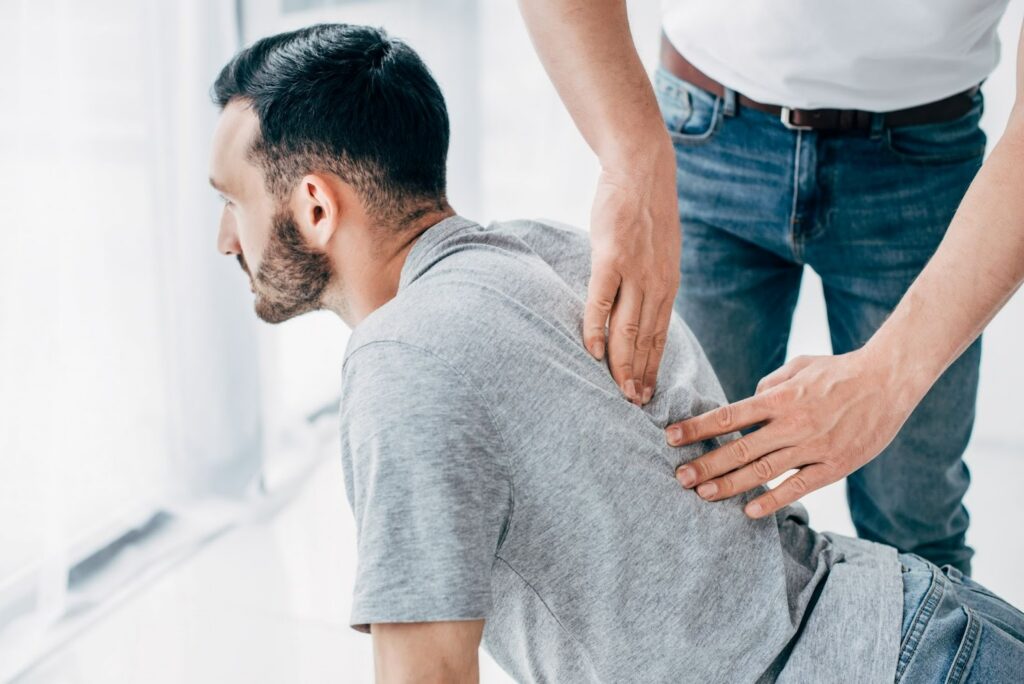
Another key component is manual therapy, which involves hands-on techniques to relieve pain and improve mobility. Your therapist may use methods such as massage, joint mobilization, or stretching to address tightness and discomfort.
You can also benefit from modalities like ultrasound, electrical stimulation, or heat therapy. These treatments can reduce inflammation and promote healing by enhancing blood flow to the injured area.
Moreover, incorporating balance and proprioception exercises into your routine is essential. These drills help you regain confidence in your body's ability to move safely, which is particularly important for preventing further injuries.
Finally, don't underestimate the importance of mental recovery. Engaging in mindfulness practices or sports psychology can help you cope with the emotional challenges that often accompany injuries.
Prevention Strategies
How can you effectively reduce the risk of sports injuries? Implementing preventive strategies is crucial for keeping yourself healthy and active. By focusing on these strategies, you can help guarantee that you enjoy your favorite sports without the risk of injury.
1. Warm-Up and Cool Down: Always start with a proper warm-up to prepare your muscles and joints for activity. Dynamic stretching can increase blood flow and flexibility.
After your workout, cool down with static stretching to promote recovery and prevent stiffness.
2. Use Proper Equipment: Confirm you're using the right gear for your sport. This includes wearing well-fitted shoes and protective equipment like helmets, shin guards, or knee pads.
The right equipment can absorb impact and offer necessary support, reducing the chance of injury.
3. Listen to Your Body: Pay attention to any signs of discomfort or fatigue. If you feel pain, it's vital to rest and recover instead of pushing through it.
Overtraining can lead to serious injuries, so don't hesitate to take breaks when needed.
Conclusion
To summarize, when faced with a sports injury, it's crucial to explore various treatment options to guarantee a full recovery. From traditional methods like R.I.C.E. and physical therapy to innovative therapies such as PRP and stem cell treatments, you have many choices. Don't forget the importance of rehabilitation techniques and prevention strategies to keep you in the game. By understanding these options, you can make informed decisions that support your healing journey and long-term athletic health.