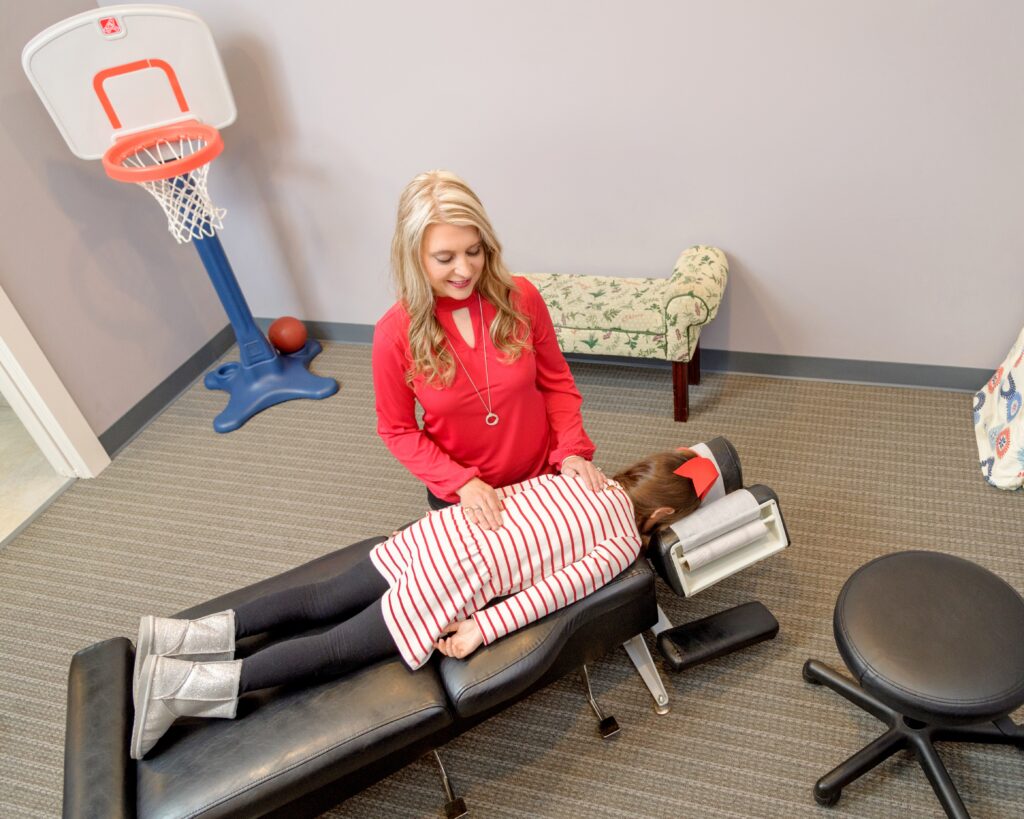

As a local chiropractor, I often see patients who are dealing with that persistent discomfort in their upper back. This discomfort is commonly caused by factors such as poor posture, stress, or repetitive activities that we may not even realize are affecting us. It's crucial to recognize how these everyday habits can contribute to your pain. By addressing them, you can make a significant improvement in your overall well-being.
In my practice, I recommend incorporating simple stretches and making ergonomic adjustments to your workspace as practical steps to help alleviate tension. These changes can be quite effective in relieving discomfort. However, if you find that you're still struggling despite these efforts, it may be time to investigate deeper solutions.
Chiropractic care focuses on understanding the underlying issues that may be causing your pain. By exploring these factors, we can work together to create a tailored approach that supports your long-term comfort and health. Remember, it's not just about managing the pain; it's about finding a path to wellness through natural healing methods. If you're ready to take that step, I'm here to help guide you on your journey to feeling your best.
Understanding Upper Back Pain
As a local chiropractor, I want to take a moment to discuss upper back pain and its often-overlooked impact on your overall well-being. Understanding the causes of this discomfort is essential for finding effective relief, and I'm here to help guide you through that process.
Many people are unaware that upper back pain can arise from a multitude of factors that may not be immediately obvious. One common culprit is poor posture, especially if you find yourself hunched over your computer or smartphone for long periods. This can lead to muscle tension in the upper back. Additionally, lifting heavy objects without the proper support can cause strain.
Even activities that you enjoy, such as sports or workouts, can contribute to discomfort if they're performed incorrectly or without adequate warm-up.
However, it's not only physical factors that can lead to upper back pain. Stress and anxiety play a significant role in physical discomfort. When you're feeling stressed, your muscles tend to tighten, which can manifest as pain in your upper back. It's crucial to recognize how emotional factors can influence your physical health.
Taking the first step towards alleviating your pain involves recognizing these contributing elements. Rather than waiting for your discomfort to worsen, I encourage you to pay attention to how your body feels during different activities throughout the day.
Small adjustments to your workspace or incorporating gentle stretches into your daily routine can make a significant difference. Keeping track of your daily habits can help you identify patterns that might be contributing to your pain.
Understanding upper back pain is a journey, and I'm here to empower you to take control of your health. By exploring natural healing methods and chiropractic care tailored to your lifestyle, you can find effective strategies to relieve discomfort and improve your overall quality of life.
Let's work together to get you on the path to feeling your best.
Common Causes of Discomfort
As a local chiropractor, I want to help you understand the common causes of upper back discomfort that many of my patients experience.
A significant factor is poor posture habits that you may not even be aware of. It's easy to fall into the habit of slouching or hunching over your devices, which can lead to considerable pain over time.
Furthermore, everyday activities—like lifting, bending, or even sitting for long periods—can create unnecessary strain on your muscles, exacerbating your discomfort.
Poor Posture Habits
As a local chiropractor, I often see patients who are unaware of how poor posture habits can significantly impact their upper back health. Many individuals don't realize that the way they sit, stand, or move can lead to discomfort and pain in this area.
Let's explore some common habits that may be contributing to your upper back issues:
- Slouching: When you sit or stand with your shoulders hunched forward, it places undue strain on your upper back muscles, leading to discomfort over time.
- Leaning Forward: Whether you're working at your desk or scrolling on your phone, leaning forward can create muscle imbalances and increase discomfort in your upper back.
- Crossing Your Arms: This seemingly harmless habit can restrict your shoulder movement and tighten the muscles in your upper back, resulting in tension and pain.
- Improper Screen Height: If your computer screen isn't at eye level, you may find yourself craning your neck, which adds extra stress to your upper back.
Recognizing these habits is an essential first step toward improving your posture and alleviating discomfort.
By making mindful adjustments in your daily activities, you can start to promote better posture and overall well-being.
Remember, even small changes can lead to significant relief over time!
If you're looking for personalized guidance, I'm here to help you on your journey to better health through chiropractic care and natural healing.
Muscle Strain Factors
As a local chiropractor, I often see patients who are unaware of how everyday activities can lead to muscle strain, particularly in the upper back. It's important to understand that our daily habits, such as hunching over a computer, lifting heavy objects without proper technique, or even sleeping in an awkward position, can all contribute to discomfort and pain in the back.
Repetitive motions, such as reaching for items on high shelves or frequently turning your head while driving, can also place undue stress on your muscles. When your muscles are overworked or stretched beyond their limits, inflammation and soreness can occur. That's why it's essential to be mindful of your movements throughout each day.
One common mistake many make isn't warming up adequately before engaging in physical activities. Jumping into workouts without proper preparation can lead to muscle strain, particularly in the upper back.
Additionally, stress plays a significant role; when you're tense, your muscles naturally tighten, which can lead to further discomfort.
To help combat these issues, I recommend incorporating regular breaks into your daily routine, using proper lifting techniques, and practicing relaxation methods to relieve tension.
Importance of Good Posture
As a local chiropractor, I want to emphasize the importance of good posture for your upper back health and overall well-being. Many people may not realize that how you sit or stand can greatly impact your spine and the muscles surrounding it.
Here's why maintaining good posture is crucial:
1. Reduces Pain: When your body is properly aligned, it helps to minimize tension in your muscles, which can alleviate discomfort in your upper back.
Slouching, on the other hand, places unnecessary pressure on your spine and surrounding muscles, often leading to pain and discomfort.
2. Improves Breathing: Good posture allows your chest to open up, enabling your lungs to expand more effectively.
When your spine is aligned, you can take deeper breaths, facilitating better oxygen flow throughout your body, which is essential for overall health.
3. Boosts Confidence: Standing tall not only affects how others perceive you but also how you perceive yourself.
Good posture fosters a confident demeanor, which can enhance your interactions, whether in social or professional settings.
4. Enhances Focus: Maintaining good posture keeps your body in a state of readiness, which can improve your concentration and productivity.
Conversely, slouching can lead to fatigue and distraction, making it more difficult to stay engaged in your tasks.
As your chiropractor, I encourage you to be mindful of your posture throughout the day.
Simple adjustments can make a significant difference in your well-being and can help you lead a healthier, more active life.
If you have any questions or need guidance on how to improve your posture, feel free to reach out during your visits.
Your spine will thank you!
Stretching for Relief
As a local chiropractor, I want to emphasize the importance of stretching as a natural method to alleviate upper back discomfort. Many patients are unaware of how effective stretching can be for enhancing flexibility and reducing tension in the muscles.
By integrating specific stretching techniques into your daily routine, you can experience significant relief. Stretching not only helps to ease tightness but also supports overall spinal health.
It's a simple practice that, when done consistently, can lead to improved mobility and a reduction in discomfort. I encourage you to explore various stretching exercises that can target your upper back, and I'm here to guide you through this process.
Together, we can work towards achieving the relief you seek through natural healing methods.
Benefits of Stretching
As a local chiropractor, I want to help you understand how simple stretching can be a powerful tool for relieving upper back tension. Many people are unaware of the numerous benefits that stretching can offer for their overall well-being.
Let's explore four key advantages that you can incorporate into your daily routine to alleviate discomfort:
- Increased Flexibility: Stretching is essential for lengthening your muscles and enhancing joint movement. This improvement in flexibility makes everyday activities, such as bending or reaching, much easier and more comfortable.
- Reduced Muscle Tension: Regular stretching can significantly decrease tightness in your upper back. By easing this tension, you increase your range of motion, which can lead to less discomfort during daily tasks and improve your overall quality of life.
- Enhanced Posture: Stretching not only helps to relieve tension but also strengthens the muscles that support your spine. This can promote better posture, which is crucial in preventing chronic back pain and maintaining spinal health.
- Stress Relief: Engaging in stretching routines serves as a form of relaxation. It can help reduce stress and tension in both your body and mind, contributing to a more balanced lifestyle.
By incorporating these stretching benefits into your daily life, you can experience significant relief and comfort.
Effective Stretching Techniques
As a chiropractor dedicated to helping you achieve natural healing, I want to share some effective stretching techniques that can help alleviate upper back tension. Understanding the importance of movement and flexibility is key to maintaining a healthy spine.
One of the first stretches I recommend is the cat-cow stretch. Begin on all fours, allowing your body to move fluidly with your breath. Inhale as you arch your back, looking upwards, and then exhale as you round your back, tucking your chin. This gentle movement not only promotes flexibility but also releases tightness in your back.
Another beneficial stretch is the seated spinal twist. While seated, place your right hand on the outside of your left knee and gently rotate your torso to the left. Hold this position for a few breaths before repeating on the other side. This twist enhances mobility and helps to reduce tension in the upper back, which is incredibly important for spinal health.
Don't overlook the doorway stretch, either. Stand in a doorway with your arms positioned on the frame, then lean forward slightly. This stretch will provide a deep release in your chest and shoulders, which can help alleviate strain in your upper back—a common issue for many who spend long hours sitting.
Lastly, I encourage you to incorporate side stretches into your routine. Stand tall and reach your right arm overhead, then lean to the left, creating a long stretch along your side. Hold this for a few breaths before switching sides. These side stretches target tight areas effectively, offering you relief from discomfort.
I urge you to practice these stretches daily. With consistency, you'll likely notice a significant improvement in your upper back tension and overall well-being.
Stretching Routine Tips
As a chiropractor, I often emphasize the importance of a well-rounded stretching routine to enhance your overall well-being and alleviate discomfort, particularly in the upper back. Here are some practical tips to help you incorporate effective stretching into your daily life:
- Set a Regular Stretching Schedule: I recommend setting aside a specific time each day for your stretching routine. Whether you choose to stretch in the morning to wake up your muscles, during your work breaks to relieve tension, or in the evening to unwind before bed, consistency is vital in developing a beneficial habit.
- Warm Up Your Muscles: Before diving into stretching, it's crucial to warm up your muscles. Engage in a few minutes of light cardio—activities like brisk walking or jumping jacks can significantly increase blood flow and prepare your body for stretching.
- Target Tight Areas: Focus on the areas of your body that feel the tightest or most tense. For upper back relief, I suggest incorporating stretches such as the cat-cow, doorway stretch, and thoracic spine rotation into your routine. These specific stretches can help alleviate discomfort and improve mobility.
- Tune Into Your Body: As you stretch, it's essential to listen to your body's signals. Avoid pushing yourself into pain; instead, ease into each stretch, holding each position for 15-30 seconds to achieve optimal results. This mindful approach can enhance your stretching effectiveness and promote relaxation.
By incorporating these tips into your stretching routine, you can significantly improve your overall health and reduce upper back discomfort.
Strengthening Exercises
As a chiropractor, I often emphasize the importance of strengthening your upper back to improve posture and alleviate discomfort. Incorporating targeted exercises into your daily routine can help build the muscles that support your spine, enhancing your overall stability and well-being. Here are some effective exercises that I recommend to my patients.
First, let's discuss the seated row. You can perform this exercise by sitting on the edge of a sturdy chair, grasping a resistance band or light dumbbells. As you pull the band toward your chest, focus on squeezing your shoulder blades together. This exercise is great for engaging the muscles in your upper back. I suggest aiming for three sets of 10-15 repetitions.
Next, consider the superman exercise. Lie face down on the floor with your arms extended straight out in front of you. Lift your arms, chest, and legs off the ground simultaneously, holding the position for a few seconds before lowering back down. This exercise is effective for strengthening both your upper and lower back, and I recommend performing three sets of 10-12 reps.
Another fantastic exercise is the reverse fly. Stand with your feet shoulder-width apart while holding light weights in each hand. Bend slightly at the hips and allow your arms to hang down. Then, raise your arms out to the side while maintaining a slight bend in your elbows, and remember to squeeze your shoulder blades together. Aim for three sets of 10-15 reps with this exercise.
Lastly, I encourage you to try wall angels. Stand with your back against a wall and raise your arms to create a "W" shape. Slowly slide your arms up into a "Y" position, all while keeping your back flat against the wall. Repeat this movement for 10-15 reps.
Incorporating these exercises into your routine can significantly improve your strength and posture over time. As your chiropractor, I'm here to guide you on your journey to better health through natural healing approaches. You'll be amazed at the difference these small changes can make!
Ergonomic Workspace Setup
As a local chiropractor, I want to emphasize that maintaining a healthy posture is vital for your overall well-being, especially in our digital age.
While building strength in your upper back is important, it's only one part of the equation. An ergonomic workspace setup plays a crucial role in preventing strain and discomfort that can lead to chronic issues.
By making a few thoughtful adjustments, you can create a supportive environment that fosters good posture and contributes to your long-term health.
Here are four essential elements to consider for your workspace:
- Chair: Invest in an adjustable chair that provides proper support for your lower back. Ideally, your feet should rest flat on the floor, and your knees should be at or slightly below hip level to promote optimal alignment.
- Desk Height: Ensure that your desk is positioned so your elbows sit at a 90-degree angle while typing. This alignment helps prevent unnecessary strain on your shoulders and upper back, reducing the risk of discomfort.
- Monitor Placement: Your computer screen should be at eye level or slightly lower. This arrangement allows you to maintain a neutral head position, minimizing the risk of neck and upper back tension.
- Keyboard and Mouse: Keep your keyboard and mouse within easy reach so you can use them comfortably without stretching. Your wrists should remain straight, and your hands should hover above the keys when typing to avoid strain.
By incorporating these ergonomic principles into your workspace, you can support your posture and overall health.
As a chiropractor, I encourage you to take these steps seriously, as they can have a significant impact on your well-being and help prevent future discomfort.
Stress Management Techniques
As a local chiropractor, I often see how accumulated stress can manifest physically, particularly in the upper back.
It's important to recognize that stress doesn't only affect our minds; it can lead to tension and discomfort in our bodies as well.
To help manage this stress, I recommend integrating deep breathing exercises and mindfulness meditation into your daily routine.
These natural techniques can significantly contribute to a calmer mind and a more relaxed body, promoting overall well-being.
Deep Breathing Exercises
As a local chiropractor, I want to share with you the benefits of deep breathing exercises, which can be an effective way to relieve stress and tension, particularly in the upper back. Engaging in these exercises not only calms your mind but also helps release built-up pressure in your muscles.
Here's a simple guide to practicing deep breathing:
- Find a Comfortable Position: Begin by sitting or lying down in a quiet area. It's important to ensure your back is straight to allow for optimal lung expansion.
- Inhale Deeply: Close your eyes and take a slow, deep breath in through your nose, counting to four. Pay attention to how your abdomen rises as you fill your lungs with air.
- Hold Your Breath: Pause for a count of four. This brief moment helps increase oxygen flow throughout your body and promotes a deeper sense of relaxation.
- Exhale Slowly: Gently release the breath through your mouth for a count of six. As you exhale, visualize the tension in your upper back gradually melting away.
I encourage you to practice these simple steps for a few minutes each day. Many of my patients experience a significant reduction in stress and discomfort after incorporating deep breathing into their routines.
Not only does this exercise help your body relax, but it also clears your mind, making it easier to face daily challenges. Start today, and you'll likely feel the positive difference it can make!
Mindfulness Meditation Practices
As a local chiropractor, I want to share some valuable insights on how mindfulness meditation can complement your chiropractic care and enhance your overall well-being.
Alongside our adjustments and therapies, incorporating mindfulness practices into your daily routine can significantly improve your stress management and promote a healthier spine.
Mindfulness meditation encourages you to focus on the present moment, which can help reduce anxiety and tension—common contributors to upper back discomfort that I often see in my practice.
To get started, find a quiet space where you can relax without interruptions. Sit comfortably, close your eyes, and take a few deep breaths to help ground yourself.
Once you're settled, direct your attention to your breath. Notice how the air flows in and out of your body. It's normal for thoughts to pop up, but rather than getting frustrated, acknowledge them without judgment and gently redirect your focus back to your breathing.
Even just five to ten minutes of this practice each day can make a difference.
Over time, you'll develop a deeper awareness of your body and where you hold tension. This newfound awareness is powerful, as it allows you to pinpoint stressors and take proactive steps to manage them—whether through mindfulness, chiropractic adjustments, or other holistic approaches.
Many of my patients report feeling relief in their upper back as they learn to release built-up tension through these practices.
Remember, consistency is crucial. By making mindfulness meditation a regular part of your routine, you may notice a decrease in stress levels and an improvement in your overall health.
Embracing both chiropractic care and mindfulness can lead to a happier, healthier you!
When to Seek Professional Help
As a local chiropractor, I want to help you understand the importance of recognizing when it's time to seek professional help for your upper back pain.
While many individuals find relief through home remedies, certain signs indicate that it's crucial to consult with a healthcare professional—like a chiropractor—to ensure you receive the appropriate care. Ignoring these symptoms can lead to increased discomfort and potential complications down the line.
Here are four important signs that suggest you should reach out for professional assistance:
- Persistent Pain: If your upper back pain lingers for more than a few days or keeps returning, it's a signal that there may be an underlying issue that requires attention.
- Radiating Pain: If you're experiencing pain that radiates to other areas, such as your arms, shoulders, or neck, this could indicate nerve involvement or other conditions that warrant immediate evaluation.
- Numbness or Tingling: Should you notice any numbness, tingling, or weakness in your arms or hands, it could suggest nerve compression. This is a situation where professional assessment can make a significant difference.
- Difficulty with Daily Activities: If your pain disrupts your daily life—making it challenging to lift objects, sit for extended periods, or even get a good night's sleep—it's time to schedule a visit with a chiropractor.
As your chiropractor, I'm here to offer natural healing approaches that not only alleviate your pain but also address the root causes.
Don't hesitate to reach out if you're experiencing any of these signs. Your well-being is my priority!
Daily Habits for Prevention
As a local chiropractor, I want to share some essential daily habits that can significantly help in preventing upper back pain. First and foremost, it's crucial to be mindful of your posture throughout the day—whether you're sitting at a desk, standing in line, or walking around. Aim to keep your shoulders back and your spine aligned.
If you have a desk job, ensure that your chair provides adequate support for your lower back and that your computer screen is at eye level to avoid the common tendency to slouch.
Incorporating regular breaks into your daily routine is another vital practice. I recommend setting a timer to remind yourself to stand up, stretch, or walk around every hour. Engaging in simple stretches can relieve tension in your muscles and enhance flexibility.
Focus on shoulder rolls, neck stretches, and upper back twists to keep your muscles loose and relaxed.
Staying active is key! Regular physical activity not only strengthens your back and core muscles but also plays a significant role in maintaining good posture. I encourage you to include activities like walking, swimming, or yoga in your weekly routine.
These exercises can enhance muscle strength while promoting relaxation and relieving stress.
Hydration and nutrition are equally important. Drinking enough water is essential for maintaining muscle elasticity and joint lubrication. Additionally, a balanced diet rich in anti-inflammatory foods supports overall musculoskeletal health.
This holistic approach can make a real difference in how your body feels.
Lastly, don't overlook your sleep position. A supportive mattress and pillow can make a world of difference. I advise sleeping on your back or side to ensure proper spinal alignment throughout the night.
Long-Term Wellness Strategies
As a local chiropractor dedicated to your health, I want to share some long-term wellness strategies that can significantly improve your upper back health and overall well-being.
It's essential to understand that by incorporating these strategies into your daily life, you can't only strengthen your upper back but also cultivate a more resilient and balanced body.
Here are four effective long-term wellness strategies that I recommend:
1. Regular Strength Training: It's important to engage in exercises targeting your upper back, shoulders, and core. Strengthening these areas helps maintain proper posture, which can alleviate strain on your back and prevent pain from becoming a recurring issue.
2. Mindfulness and Stress Management: Did you know that stress can contribute to muscle tension and worsen back pain? Incorporating mindfulness practices such as meditation, yoga, or deep breathing into your routine can help you manage stress effectively, promoting relaxation and reducing tension in your body.
3. Ergonomic Adjustments: Take a closer look at your workspace and daily activities. Ensuring that your desk, chair, and computer screen are set up to promote good posture is crucial.
Even small ergonomic adjustments can make a significant difference in your upper back health and comfort throughout the day.
4. Consistent Stretching Routine: Making stretching a part of your daily habits is vital. Focus on areas that often become tight, such as your chest, shoulders, and neck.
Regular stretching enhances flexibility and helps relieve tension in your upper back, contributing to better overall health.
By adopting these strategies, you're taking proactive steps toward a healthier lifestyle, and as your chiropractor, I'm here to support you on this journey to long-term wellness.
Conclusion
As a local chiropractor, I want to share with you how addressing upper back pain can significantly enhance your comfort and overall well-being. Many people overlook the importance of good posture, but it plays a crucial role in preventing discomfort. Incorporating regular stretching and stress management techniques into your daily routine can also make a world of difference.
Don't underestimate the impact of small, consistent habits and strengthening exercises—they can be vital in keeping your upper back healthy and pain-free. If you find that your pain persists, I encourage you to seek professional guidance. Remember, prioritizing your upper back health is key to enjoying a more active lifestyle without the burden of pain. Take these proactive steps today, and together we can work towards a brighter, more comfortable tomorrow!