
If you're struggling with neck pain, you might wonder if simple adjustments could provide relief. You don't have to suffer in silence, as incorporating ergonomic changes, practicing effective stretches, and exploring therapies like massage and acupuncture could make a difference. By maintaining good posture and taking regular breaks, you may find your discomfort easing. But what specific techniques should you focus on, and when should you consider seeking professional help? The answers might surprise you as you explore the options available to improve your neck health.
Understanding Neck Pain
When it comes to understanding neck pain, it's essential to recognize that it can stem from various sources. You might experience discomfort due to muscle strain, poor sleeping positions, or even stress. Often, repetitive movements can lead to overuse injuries, making your neck feel stiff and sore. If you spend long hours hunched over your phone or computer, it's no surprise that your neck could be protesting.
In addition to muscle-related issues, neck pain can also arise from injuries. Whiplash, often caused by car accidents, is a well-known culprit that can lead to persistent pain and discomfort. Even minor falls or sports injuries can contribute to neck stiffness. You may find that your pain intensifies with certain movements or after a long day at work, signaling that your neck needs some attention.
Sometimes, underlying health conditions can also play a role. Conditions like arthritis or herniated discs can make your neck feel achy and reduce your range of motion. It's important to listen to your body; if your pain persists or worsens, don't hesitate to consult a healthcare professional for proper evaluation and treatment.
Lastly, emotional factors can contribute to neck pain. Stress and anxiety tend to manifest physically, often leading to muscle tension in your neck and shoulders. Understanding these various sources of neck pain can help you pinpoint the cause and take appropriate action for relief.
Importance of Good Posture
Maintaining good posture can greatly reduce neck pain and prevent future issues. When you sit or stand with proper alignment, you distribute your weight evenly across your spine. This means less strain on your neck and surrounding muscles.
It's easy to forget about your posture, especially during long hours at a desk or while using your phone, but making a conscious effort can lead to significant relief. You should aim to keep your head centered over your shoulders. If you find yourself leaning forward or hunching over, you're likely putting extra pressure on your neck.
Instead, try to align your ears with your shoulders, and keep your chin parallel to the ground. This position allows your spine to maintain its natural curvature, which is vital for overall health.
Additionally, your workspace can play an important role in your posture. Make certain your computer screen is at eye level, and use a chair that supports your lower back. If you spend a lot of time on your phone, hold it at eye level rather than looking down.
Small adjustments can make a big difference.
Effective Neck Stretches
Incorporating effective neck stretches into your daily routine can greatly alleviate tension and discomfort. You don't need to set aside a lot of time; even a few minutes can make a significant difference.
Start by gently tilting your head to one side, bringing your ear toward your shoulder. Hold this position for about 15-30 seconds, feeling the stretch along the opposite side of your neck. Switch sides and repeat.
Next, try the chin tuck. While sitting or standing, pull your chin in towards your throat, keeping your spine straight. Hold for a few seconds, then relax. This stretch helps strengthen the muscles that support your head and neck.
Another effective stretch involves looking over your shoulder. Sit up straight and slowly turn your head to one side, aiming to align your chin with your shoulder. Hold for 15-30 seconds, then switch sides. This stretch not only enhances flexibility but also helps reduce stiffness.
Finally, consider a shoulder shrug. Simply lift your shoulders up towards your ears, hold for a few seconds, and then release them down. Repeat this several times to relieve built-up tension in your neck and shoulders.
Incorporating these simple stretches into your day can help you combat neck pain and improve your overall comfort. Try to perform them regularly, especially during breaks at work or after long periods of sitting. Your neck will thank you!
Ergonomic Adjustments at Work
To reduce neck pain at work, you need to make some ergonomic adjustments.
Start by positioning your monitor at eye level, ensuring your chair and desk setup supports good posture, and placing your keyboard and mouse within easy reach.
These simple changes can make a big difference in your comfort throughout the day.
Monitor Positioning Techniques
While you mightn't realize it, the position of your monitor can considerably affect your neck health. If your screen's too high or low, you'll likely strain your neck as you adjust your posture to see the display clearly.
Ideally, the top of your monitor should be at or just below eye level. This way, you can maintain a neutral neck position while you work.
Next, keep the monitor about an arm's length away from your face. If it's too close, you'll lean forward, putting additional strain on your neck.
Adjust the angle of your screen to reduce glare; tilting it slightly backward can help you avoid awkward neck positions.
Don't forget about your light sources, too. Position your monitor to minimize reflections from windows or overhead lights, which can cause you to squint and adopt uncomfortable postures.
Finally, remember to take regular breaks. Stand up, stretch, and refocus your eyes.
These simple monitor positioning techniques can make a big difference in your neck health, helping you work comfortably and efficiently throughout your day.
Chair and Desk Setup
How can the right chair and desk setup transform your comfort at work? A well-adjusted chair and desk can make a significant difference in how you feel throughout the day.
Start by choosing a chair that supports your lower back; it should encourage good posture and allow your feet to rest flat on the floor. If your chair is adjustable, make sure it's set to the right height for your desk.
Next, position your desk so that your elbows form a 90-degree angle while typing. This reduces strain on your neck and shoulders. Your monitor should be at eye level, which you may have already adjusted, but it's crucial to align it with your chair and desk setup.
Consider using a footrest if your feet don't comfortably reach the ground, as this can help maintain your posture.
Keyboard and Mouse Placement
A well-organized chair and desk setup lays the foundation for effective keyboard and mouse placement. To minimize neck pain, position your keyboard so that your elbows are at a 90-degree angle or slightly obtuse. Your forearms should be parallel to the floor, allowing for relaxed shoulders. Keep the keyboard close to the edge of your desk to avoid reaching and straining.
For your mouse, place it at the same level as your keyboard. This alignment helps maintain a neutral wrist position. Try to keep your hands relaxed and avoid gripping the mouse too tightly. If you find yourself constantly stretching to reach your mouse, consider a mouse pad with wrist support to enhance comfort.
Additionally, use keyboard shortcuts to reduce reliance on the mouse, which can help keep your movements more efficient. Remember to take regular breaks to stretch and reset your posture.
Adjusting your keyboard and mouse placement may seem minor, but it can greatly impact your neck health. With these simple changes, you'll create a more ergonomic workspace that keeps you comfortable and focused throughout your workday.
Heat and Cold Therapy
Using heat and cold therapy can be an effective way to alleviate neck pain and promote healing. Each method offers unique benefits, and knowing when to use them can make a significant difference in your comfort levels.
When you apply heat, it helps increase blood flow to the affected area, which promotes healing and relaxes tense muscles. You can use a heating pad, warm towel, or even take a warm shower to bring relief. Just make sure to keep the heat source at a comfortable temperature to avoid burns. Aim to apply heat for about 15-20 minutes at a time, several times a day.
On the other hand, cold therapy is excellent for reducing inflammation and numbing sharp pain. A cold pack or ice wrapped in a cloth can help minimize swelling and provide a soothing effect. You should apply cold therapy for about 10-15 minutes, allowing your skin to return to normal temperature between applications. Remember not to apply ice directly to your skin, as this can cause frostbite.
Combining both therapies can be highly beneficial. Start with cold therapy to reduce inflammation, then switch to heat to relax muscles and improve circulation.
Listen to your body; if one method feels better, stick with it. Ultimately, finding the right balance of heat and cold therapy can help you manage your neck pain more effectively.
Massage and Manual Therapy
Many people find that massage and manual therapy can be effective methods for relieving neck pain. These techniques target muscle tension, improve circulation, and enhance flexibility, helping you regain comfort and mobility.
When you choose massage therapy, a trained therapist can manipulate your muscles and soft tissues, reducing tension and promoting relaxation. You might find deep tissue massage particularly beneficial, as it focuses on deeper layers of muscle, helping to alleviate chronic pain.
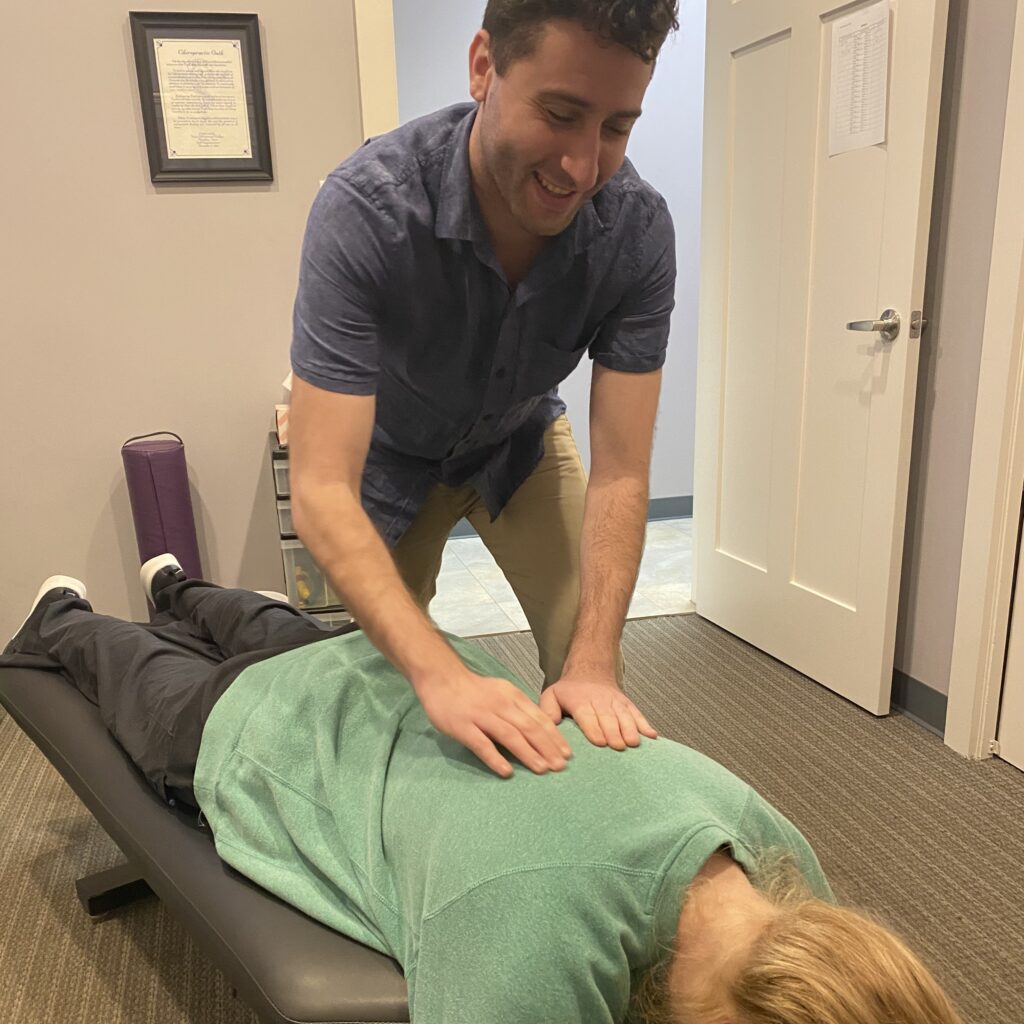
Manual therapy, on the other hand, involves hands-on techniques that address joint and soft tissue function. This may include mobilization or manipulation, which can help improve your range of motion and reduce stiffness in the neck area.
By working with a skilled practitioner, you can experience immediate relief and long-term benefits. Incorporating these therapies into your routine can also help you manage stress, which is often a contributing factor to neck pain.
As you relax during a session, you may notice a decrease in overall tension, leading to a more balanced state of mind. To maximize the benefits of massage and manual therapy, consider combining these treatments with other pain relief methods, such as stretching or ergonomic adjustments in your workspace.
Listening to your body and communicating with your therapist about your pain levels and preferences will guarantee a more tailored approach. Ultimately, finding a qualified professional can lead to lasting relief and a better quality of life.
Acupuncture Benefits
Acupuncture, a time-honored practice rooted in Traditional Chinese Medicine, offers significant benefits for neck pain relief. If you're dealing with persistent neck discomfort, this holistic approach might be just what you need. By inserting fine needles into specific points on your body, acupuncture targets your pain directly and promotes healing.
One of the primary benefits of acupuncture is its ability to stimulate the release of endorphins, your body's natural painkillers. This means you could experience immediate relief from your neck pain without relying on medication.
Additionally, acupuncture helps improve blood circulation in the affected areas, which can enhance the healing process and reduce inflammation.
You may also find that acupuncture helps relieve tension and stress, which often contribute to neck pain. By promoting relaxation, acupuncture can ease muscle tightness and improve your overall range of motion. Many people report feeling more relaxed and rejuvenated after a session, which can be especially beneficial if your pain is exacerbated by stress or poor posture.
Furthermore, acupuncture is generally considered safe when performed by a trained professional. It's a drug-free alternative that can complement other treatment methods like physical therapy or massage.
If you're looking for a natural way to manage your neck pain, consider giving acupuncture a try. It might just provide the relief you've been searching for, helping you reclaim your comfort and mobility.
Lifestyle Changes for Relief
To find relief from neck pain, you might want to contemplate making some lifestyle changes.
Setting up an ergonomic workstation and incorporating stretching and strengthening exercises into your routine can make a significant difference.
These adjustments not only support better posture but also help reduce tension in your neck.
Ergonomic Workstation Setup
Creating an ergonomic workstation can substantially reduce neck pain and enhance your overall comfort while working.
Start by adjusting your chair so your feet rest flat on the floor and your knees are level with your hips. A supportive chair with good lumbar support will help maintain your spine's natural curve.
Next, position your computer monitor at eye level, about an arm's length away. This guarantees you won't have to crane your neck up or down, reducing strain. If you're using a laptop, consider a stand or an external monitor to achieve this height.
Your keyboard and mouse should be within easy reach, allowing your arms to stay relaxed at your sides. Keep your wrists straight while typing, and use a wrist rest if necessary.
Remember to take short breaks every hour to stand, stretch, and give your eyes a break from the screen.
Lastly, pay attention to your overall posture. Sit back in your chair, keep your shoulders relaxed, and avoid leaning forward.
Stretching and Strengthening Exercises
Incorporating regular stretching and strengthening exercises into your daily routine can markedly alleviate neck pain and improve your overall mobility.
Start with gentle neck stretches. Slowly tilt your head to the side, holding for 15-30 seconds on each side. This helps to release tension and increase flexibility. You can also try chin tucks; sit up straight and gently pull your chin back, keeping your head level. This exercise strengthens the neck muscles and promotes better posture.
For strengthening, focus on exercises targeting your upper back and shoulders. Resistance band rows can be particularly effective. Attach a band to a sturdy object, hold the ends, and pull them towards your chest while squeezing your shoulder blades together. Aim for 10-15 repetitions.
Consistency is key. Try to dedicate at least 10-15 minutes daily to these exercises. Remember to listen to your body; if something feels painful, stop and reassess.
As you build strength and flexibility, you'll likely notice reduced neck pain and improved function. Don't forget to combine these exercises with proper posture habits for the best results.
When to Seek Professional Help
Neck pain can be a frustrating experience, and knowing when to seek professional help is vital for your well-being. If your neck pain persists for more than a week despite self-care methods like rest, ice, or over-the-counter pain relievers, it's time to consult a healthcare professional. Chronic pain that doesn't improve can indicate an underlying issue that needs attention.
You should also seek help if you experience additional symptoms such as numbness, tingling, or weakness in your arms or hands. These signs can signal nerve involvement, which may require specialized treatment.
In addition, if your neck pain follows an injury or accident, it's important to get evaluated to rule out serious conditions like fractures or whiplash.
If your pain is accompanied by headaches, dizziness, or vision problems, don't hesitate to reach out for medical advice. These symptoms can point to more serious health concerns that require immediate attention.
Lastly, if you find that your neck pain interferes with daily activities, work, or sleep, a professional can provide tailored treatment options to improve your quality of life. They can assess your situation, perform necessary tests, and recommend physical therapy, medications, or other interventions to help alleviate your discomfort.
Listening to your body is key. When in doubt, it's always better to err on the side of caution and seek professional guidance for your neck pain. Your health deserves the best care possible.
Conclusion
Incorporating these methods can truly help relieve your neck pain. By focusing on good posture, engaging in effective stretches, and making ergonomic adjustments at work, you'll set the stage for better neck health. Don't forget the benefits of heat and cold therapy, massage, and acupuncture. Also, consider lifestyle changes to support your overall well-being. If your pain persists, don't hesitate to seek professional help. Taking these steps can lead to a more comfortable, pain-free life.