
If you’ve ever struggled with a persistent headache, it may be time to consider how your body alignment is affecting your overall health. Poor posture can create tension in your neck and shoulders, leading to discomfort and a cycle of pain that can be challenging to escape. Fortunately, by making simple adjustments to your posture and movement, you can help alleviate that nagging headache, and chiropractic care can play a pivotal role in this journey.
As a local chiropractor, I want to share some easy changes you can implement to find relief. Start by being mindful of how you sit. Ensure your back is straight and your feet are flat on the floor. When standing, keep your shoulders back and your head aligned over your spine. Simple stretches throughout the day can also help relax tight muscles that might contribute to headaches.
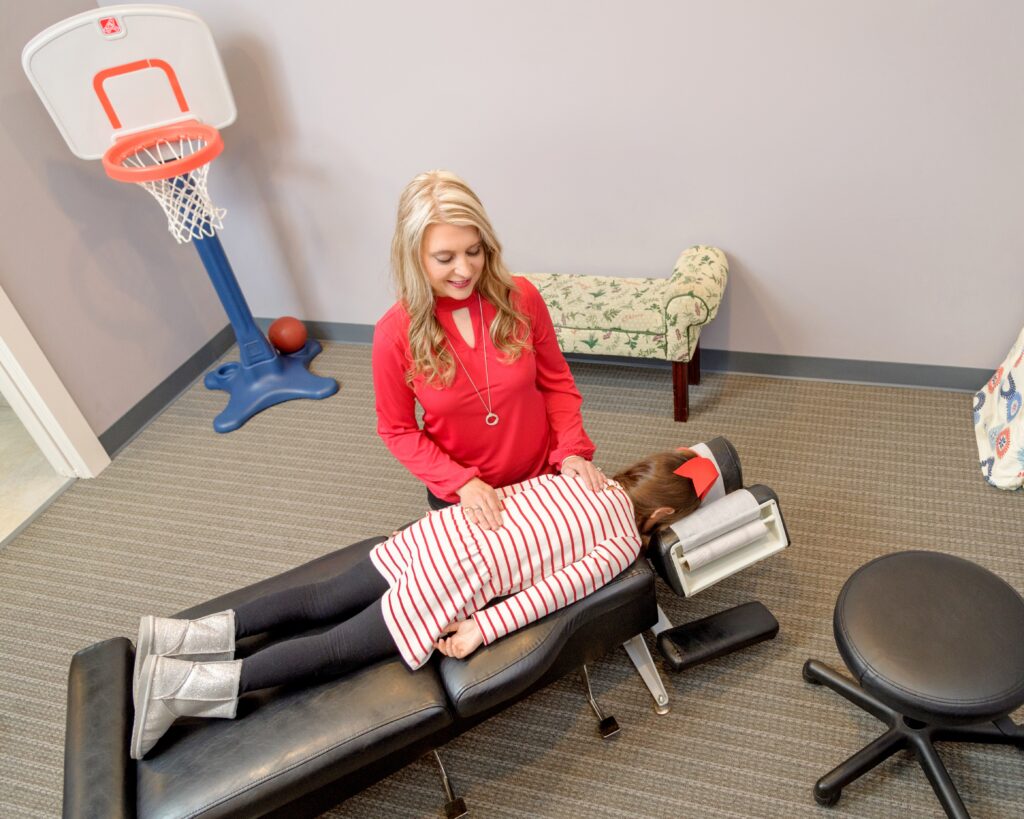
Regular chiropractic adjustments can help restore proper alignment in your spine, reduce tension, and improve your overall well-being. By focusing on spinal health and posture, you’re not just treating a symptom; you’re addressing the root cause of your headaches.
Incorporating these tips into your daily routine can lead to significant improvements in how you feel. Remember, chiropractic care is a natural and effective way to achieve optimal health and relieve headache pain. Prioritize your health by considering how alignment affects your body, and don’t hesitate to seek the expertise of a chiropractor to support your journey toward wellness.
Key Takeaways
Align Your Body to Relieve Headache Pain Naturally
As a local chiropractor, I’m here to share valuable tips on how to relieve headache pain effectively through natural methods that promote overall wellness. By focusing on proper alignment and spinal health, you can not only alleviate headaches but also enhance your quality of life.
- Maintain Proper Posture: Start by sitting with your back straight and feet flat on the ground. This simple adjustment can significantly reduce tension in your neck and shoulders, which are common culprits in headache pain. Good posture supports your spine and helps your body function optimally.
- Optimize Your Workspace: Ensure that your computer screens are positioned at eye level. This prevents unnecessary neck strain and promotes better alignment of your spine. When your workspace is ergonomically friendly, you’re more likely to maintain a comfortable posture throughout the day.
- Take Regular Breaks: Incorporate short breaks every 30-60 minutes to relieve muscle tension and improve circulation. Use these moments to stand up, stretch, or walk around. This not only helps prevent headaches but also boosts your overall energy and focus.
- Incorporate Gentle Stretches: Practice simple neck and shoulder stretches, such as shoulder rolls and neck tilts. These exercises can help alleviate tightness and enhance flexibility. Regular stretching can contribute to better spinal health and reduce the frequency of headaches.
- Explore Chiropractic Care: Consider visiting a chiropractor to address any misalignments in your spine. Chiropractic care is a natural approach that focuses on restoring balance and function to your body. By correcting misalignments, you can find relief from posture-related headaches without resorting to medications or invasive procedures.
By implementing these tips and considering chiropractic care, you can take proactive steps towards natural headache relief and overall wellness. Remember, your body is designed to heal itself, and with the right support, you can achieve optimal health.
Understanding the Connection Between Body Alignment and Headaches
When your body isn’t aligned properly, it can lead to tension and discomfort, often resulting in headaches. As a chiropractor, I’ve seen how poor posture—like slouching at your desk or craning your neck to look at your phone—can create unnecessary strain on your muscles and joints.
This misalignment not only affects your neck and shoulders but can also radiate pain up to your head, making you feel uncomfortable and distractible.
One of the best ways to combat headaches is by improving your posture. When you sit or stand with better alignment, you’ll likely notice a significant reduction in tension, which can help alleviate headache triggers. Proper alignment encourages better blood flow and reduces muscle strain, both of which are essential for minimizing discomfort.
Listen to your body’s signals. If you feel tightness in your neck or shoulders, it’s a sign that it may be time to adjust your posture. Simple adjustments, like sitting up straight, keeping your shoulders back, and using ergonomic furniture, can make a big difference.
Incorporating regular chiropractic care into your wellness routine can also help maintain proper alignment, allowing your body to heal naturally without the need for medications or invasive procedures.
With consistent awareness and practice, you can improve your alignment and enhance your overall well-being, reducing the likelihood of headaches and promoting a healthier lifestyle.
Common Types of Headaches Linked to Poor Posture
Poor posture can lead to various types of headaches, and understanding these connections is crucial for finding natural relief through chiropractic care. One of the most common types of headaches linked to poor posture is tension headaches. When you slouch or hunch over your computer, your neck and shoulder muscles become tight, which can result in pain radiating to your head.
Another headache type to consider is cervicogenic headaches, which stem from issues in the cervical spine. If you frequently look down at your phone or sit in a slouched position, you place extra strain on your neck, leading to discomfort that can worsen over time.
Migraines can also be triggered by poor posture. When the body is misaligned, it can create additional tension and stress, potentially sparking a migraine episode.
By recognizing how your posture influences the type of headache you experience, you can take meaningful steps towards addressing the root cause and finding relief. Here are some general tips to help you improve your posture and minimize headaches:
- Set Up Your Workspace: Ensure your computer screen is at eye level, and your chair supports your lower back. Your feet should be flat on the floor or on a footrest.
- Take Regular Breaks: Set a timer to remind yourself to stand, stretch, and move around every 30 to 60 minutes. This can help relieve tension in your neck and shoulders.
- Practice Good Posture: Keep your shoulders back and down, and your head aligned over your spine. Use a chair that encourages good posture.
- Stay Hydrated: Dehydration can contribute to headaches, so make sure to drink plenty of water throughout the day.
- Consider Chiropractic Care: Regular chiropractic adjustments can help align your spine, reduce muscle tension, and promote overall wellness. Your chiropractor can provide personalized advice and exercises tailored to your specific needs.
Techniques for Improving Posture and Body Alignment
To enhance your posture and body alignment, it’s important to incorporate specific techniques into your daily routine, and as a chiropractor, I’m here to guide you on this journey toward optimal health.
First, let’s talk about your sitting position. Be mindful of how you sit: keep your feet flat on the floor, your back straight, and your shoulders relaxed. A chair that supports your lower back is essential for maintaining proper alignment. This simple adjustment can make a world of difference in how your spine feels.
When standing, focus on distributing your weight evenly on both feet. Engaging your core muscles is key to supporting your spine and improving your posture. Strong core muscles not only help you stand tall but also reduce the risk of discomfort in your back.
Screen time is another significant factor in posture. Position your computer monitor at eye level to avoid straining your neck. If you’re using a smartphone, try to hold it at eye level rather than looking down. This small change can alleviate tension in your neck and upper back, promoting better alignment.
Don’t forget the importance of taking breaks! Regularly stepping away from prolonged sitting or standing is vital. Stand up, stretch, and walk around to reset your posture. Movement is crucial for maintaining a healthy spine, and it can help prevent pain.
By implementing these techniques into your daily life, you won’t only improve your body alignment but also reduce the risk of headaches and discomfort related to poor posture.
Stretching and Strengthening Exercises for Headache Relief
To help relieve headache pain, incorporating specific stretching and strengthening exercises into your routine can make a significant difference. As a chiropractor, I believe that focusing on neck stretches, shoulder strengthening, and upper back mobility not only eases tension but also promotes better posture, which is essential for your overall health.
Here are some effective exercises you can try at home to find relief from headaches while also supporting your spine and well-being.
- Neck Stretches: Gently tilt your head from side to side, holding each position for about 15-20 seconds. This helps to relieve tension in your neck muscles and can reduce headache symptoms. Remember to breathe deeply and relax your shoulders during the stretch.
- Shoulder Strengthening: Simple shoulder rolls can do wonders. Roll your shoulders forward and then backward in a circular motion. Aim for 10 rolls in each direction. This exercise strengthens the shoulder muscles and alleviates tightness that can contribute to headaches.
- Upper Back Mobility: Try a seated twist to open up your upper back. While sitting, place your right hand on your left knee and gently twist your torso to the left, holding for 15-20 seconds. Repeat on the other side. This movement enhances mobility in your upper back and can help decrease tension that leads to headaches.
In addition to these exercises, maintaining good posture throughout your daily activities is crucial. Be mindful of how you sit, stand, and move.
Incorporating chiropractic care into your wellness routine can also provide additional support for relieving headaches, as a chiropractor can help address underlying spinal issues that may contribute to your discomfort.
Remember, staying hydrated and taking regular breaks from screens can also help prevent headaches. By combining these exercises with chiropractic care, you can enjoy a more natural approach to wellness and pain relief.
Take charge of your health today!
Neck Stretch Techniques
Neck stretch techniques can be a fantastic way to relieve headache pain and promote overall well-being. As a chiropractor, I often see how these simple stretches can make a significant difference in reducing tension and enhancing relaxation.
Incorporating these stretches into your daily routine can support your spinal health and help you feel your best. Here are some effective stretches to try:
- Side Neck Stretch: Gently tilt your head to one side, allowing the opposite side of your neck to stretch. This can help alleviate tightness and improve mobility.
- Chin Tuck: Slowly pull your chin toward your chest, ensuring your head is aligned with your spine. This exercise can help strengthen the muscles that support your neck, promoting better posture.
- Neck Rotation: Turn your head slowly from side to side, allowing your neck to loosen up. This movement can enhance flexibility and reduce stiffness.
- Shoulder Shrugs: Raise your shoulders toward your ears and then let them drop back down. This simple action can help relieve tension in your neck and shoulders.
By integrating these techniques into your wellness routine, you can experience significant relief from headache discomfort and improve the flexibility of your neck.
Shoulder Strengthening Exercises
Strengthening your shoulders can significantly contribute to alleviating headache pain, and as your local chiropractor, I’m here to guide you through some effective exercises that can complement your chiropractic care.
Focusing on your shoulder muscles not only improves posture but also reduces tension that may lead to headaches.
Start with simple shoulder shrugs. Lift your shoulders toward your ears, hold for a few seconds, and then gently release. This exercise is excellent for loosening tight muscles and promoting relaxation.
Next, incorporate wall push-ups into your routine. Stand a few feet from a wall, place your hands on it, and push away gently. This movement activates your shoulder muscles and helps maintain stability without straining your back.
Lastly, consider using a resistance band for external rotations. This exercise strengthens the rotator cuff, which is crucial for shoulder health. Simply attach the band to a sturdy anchor, hold the end in one hand, and rotate your arm outward, keeping your elbow close to your body.
Aim to perform these exercises a few times a week. Not only will you build shoulder strength, but you’ll also enhance your overall stability, which can greatly assist in managing headache pain.
Upper Back Mobility
Improving upper back mobility is crucial for alleviating headache pain, and incorporating targeted stretching and strengthening exercises can significantly enhance your well-being. Focusing on your upper back not only increases flexibility but also helps reduce tension, which is often a major contributor to discomfort.
Here are some effective exercises to try, along with how chiropractic care can support your journey toward better health:
- Cat-Cow Stretch: This simple movement involves alternating between arching and rounding your back, which can greatly improve spinal flexibility. A chiropractor can guide you on proper form to maximize benefits and prevent strain.
- Thoracic Extensions: By sitting or standing tall and gently arching your upper back, you open up your chest and promote better posture. Regular chiropractic adjustments can complement this exercise by aligning your spine and enhancing mobility.
- Wall Angels: Stand against a wall with your arms at a 90-degree angle, sliding them up and down. This exercise strengthens your upper back while promoting better shoulder function. Chiropractic care can help ensure that your shoulder and spine are optimally aligned, making these movements more effective.
- Seated Twist: This involves crossing one leg over the other and gently twisting to deepen your stretch. It’s a great way to release tension in your back. A chiropractor can also provide additional techniques to enhance your spinal health during these stretches.
Incorporating these exercises into your routine regularly can bring significant relief.
The Role of Ergonomics in Preventing Headaches
The way you set up your workspace can have a significant effect on your overall health, particularly when it comes to headaches. As a chiropractor, I want to emphasize the importance of ergonomics in creating a space that supports your body and minimizes discomfort. By tailoring your environment to fit your needs, you can help prevent headaches and promote wellness.
Start with your monitor: keeping it at eye level can reduce strain on both your neck and eyes, which are common headache triggers. This simple adjustment helps maintain proper spinal alignment, reducing the risk of tension headaches.
Your chair is another crucial element. Opt for one that supports your lower back and encourages good posture, ensuring your spine remains aligned. A chair that allows your feet to rest flat on the floor can improve circulation and relieve tension, which also contributes to headache prevention.
Positioning your keyboard and mouse within easy reach is essential. This prevents overextending your arms, which can lead to shoulder strain and exacerbate headache symptoms.
Don’t forget the importance of taking regular breaks. Stretching and changing your position can help maintain a comfortable posture and reduce muscle tension. Incorporating these practices into your daily routine not only enhances your workspace but also supports your overall health.
By prioritizing these ergonomic principles, you’re not just creating a more comfortable workspace; you’re also taking proactive steps towards better health.
Additional Tips for Maintaining Alignment and Reducing Pain
To maintain proper alignment and reduce pain throughout your day, it’s essential to be mindful of your body mechanics during everyday activities. Simple adjustments can make a significant difference in how you feel, and chiropractic care can help guide you in achieving optimal alignment and wellness.
Here are some valuable tips to keep you aligned and pain-free:
- Sit with your back supported: Choose a chair that promotes good posture. Make sure your feet are flat on the floor to support your spine and reduce strain.
- Stand tall and balanced: Distribute your weight evenly on both feet, and avoid locking your knees. This helps maintain a natural curve in your spine, which is crucial for overall health.
- Lift with your legs: When picking up objects, bend at your knees instead of your waist. This technique not only protects your back but also engages your core muscles, which is essential for stability.
- Stretch regularly: Incorporate gentle stretches into your routine, especially if you’ve been sitting or standing for long periods. Stretching can relieve tension and promote flexibility, making it easier for your body to stay aligned.
By adopting these simple practices, you can significantly reduce discomfort and enhance your overall well-being.
Conclusion
Aligning your body is a powerful way to reduce headache pain and enhance your overall well-being. As a local chiropractor, I want to emphasize that simple adjustments in your daily routine can lead to significant improvements in your health.
First, maintaining good posture is crucial. Whether you’re sitting at a desk or standing, ensure that your spine is aligned. This can help prevent unnecessary tension in your neck and shoulders, which are common culprits of headaches.
In addition to posture, incorporating gentle stretches into your daily routine can greatly benefit your spinal health. Focus on stretches that target the neck, shoulders, and upper back. These can help alleviate tension and promote relaxation.
It’s also vital to pay attention to your workspace ergonomics. Make sure your chair, desk, and computer screen are set up in a way that supports your spinal alignment. Adjust your chair height so that your feet are flat on the ground, and your elbows are at a comfortable angle while typing.
Don’t forget the importance of taking regular breaks! Step away from your work to move around, stretch, and relax your muscles. This will not only help relieve tension but also refresh your mind.
Chiropractic care is an excellent choice for addressing headache pain naturally. I encourage you to consider regular chiropractic adjustments, which can help align your spine and promote your body’s natural healing abilities. By focusing on holistic approaches to health, you can achieve a pain-free and vibrant life.
Start making these small adjustments today, and experience the difference they can make for a healthier tomorrow!