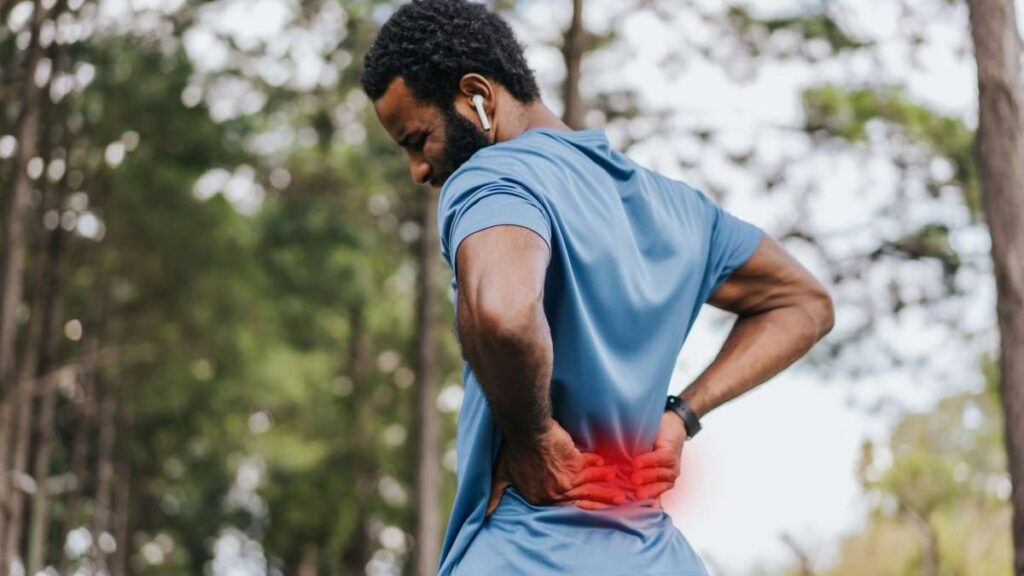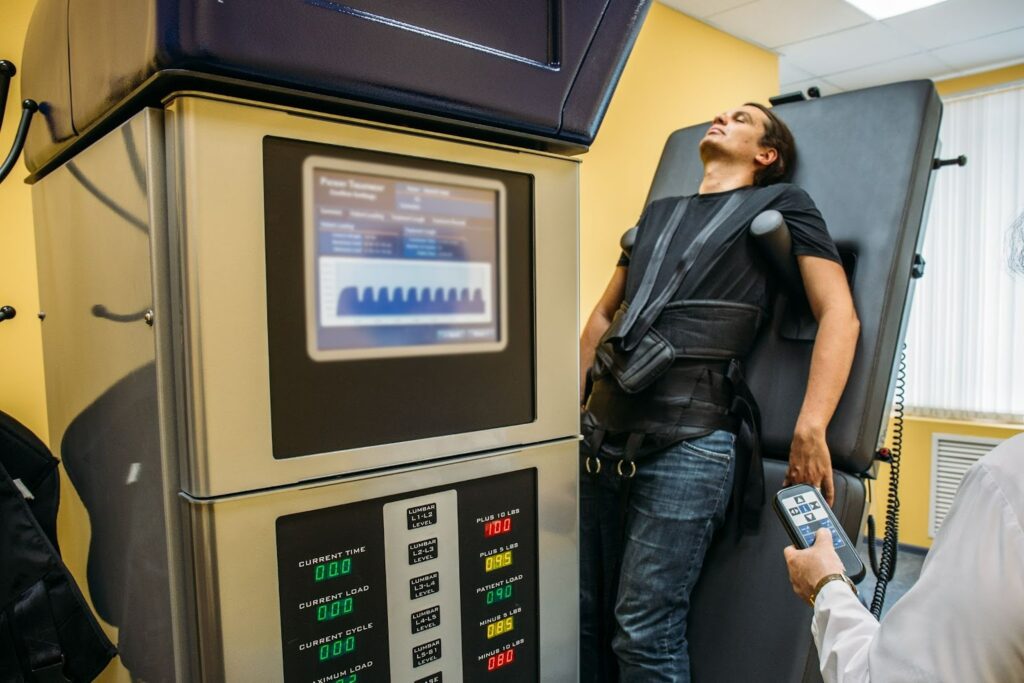

When you encounter a sports injury, it’s crucial to take a step back and reevaluate your recovery strategy. As a local chiropractor, I want to emphasize that making thoughtful adjustments to your training regimen can significantly enhance your healing process while preserving your overall fitness. Integrating low-impact activities into your routine can be beneficial, and collaborating with physical therapists is a great way to ensure a comprehensive rehabilitation journey.
However, recovery goes beyond just modifying your exercises. It’s important to understand the holistic nature of healing. Chiropractic care focuses on aligning the spine and improving overall body function, which can play a vital role in your recovery. By addressing underlying issues and promoting natural healing, chiropractic adjustments can help restore your body’s balance and facilitate a quicker return to peak performance. Remember, the journey to recovery is not just about physical exercise; it’s about nurturing your entire body.
Understanding the Nature of Sports Injuries
As a local chiropractor, I want to emphasize the importance of understanding sports injuries for those of you who may not be familiar with chiropractic care and natural healing. When you participate in sports, being aware of the types of injuries that can occur is crucial for preventing and managing them effectively. Sports injuries can vary significantly, from minor sprains to more severe fractures, and recognizing the signs and symptoms can help you respond appropriately.
Each type of injury has its own unique causes, such as overuse, acute trauma, or improper technique. It’s vital to listen to your body; it often provides important clues when something isn’t right. For example, if you experience persistent pain or swelling, this could be a sign of a more serious issue that requires attention.
By recognizing these warning signs early, you can adjust your training regimen or seek medical advice—potentially preventing the situation from worsening.
Additionally, understanding the recovery process for different injuries is essential. This knowledge allows you to set realistic expectations and timelines for healing. As a chiropractor, I can guide you through the natural healing process, helping you make informed decisions about your training and rehabilitation.
This not only enhances your performance but also significantly reduces the risk of future injuries. By staying proactive about your health and well-being, you can ensure that your body remains strong and resilient.
Let’s work together to keep you active and injury-free!
The Importance of Early Intervention
As a local chiropractor, I want to emphasize the critical importance of early intervention when it comes to sports injuries. Recognizing the signs—such as pain, swelling, or limited mobility—at the onset can significantly impact your recovery journey.
By addressing these symptoms promptly, you can prevent the injury from escalating into something more severe that might require extensive treatment. Ignoring these early warning signs often leads to extended downtime and can result in more complicated injuries.
That’s where chiropractic care comes in. Early intervention allows us to tailor an appropriate treatment plan that may include rest, ice, and specific chiropractic adjustments to help alleviate your discomfort and promote healing.
This proactive approach not only accelerates your recovery but also reduces the risk of re-injury. Understanding your injury’s nature plays a pivotal role in guiding your rehabilitation process, ensuring you return to your sport even stronger than before.
Modifying Training Regimens for Recovery
As a local chiropractor, I want to emphasize the importance of modifying your training regimen to recover effectively from a sports injury. It’s crucial to listen to your body and make adjustments to your workouts as needed.
Start by lowering the intensity and frequency of your sessions. Engaging in low-impact activities, like swimming or cycling, can help you maintain your fitness without putting additional stress on the injured area.
Incorporating rehabilitation exercises is vital, and I often recommend specific exercises tailored to your needs. These will help target strength and flexibility in the affected region, allowing for a smoother recovery process.
As you regain confidence and strength, we’ll gradually reintroduce sport-specific drills to ease you back into your routine.
Patience is key during this recovery phase. I urge you not to rush back into high-intensity training, as this can lead to setbacks. It’s also important to pay close attention to how your body responds during each session. If you encounter pain, it’s wise to reduce your efforts and consult with me or another healthcare professional.
Ultimately, our goal is to build a solid foundation for your safe return to your sport, ensuring that you come back even stronger and less susceptible to future injuries.
Nutrition’s Role in Healing
As a local chiropractor, I want to emphasize the importance of nutrition in your recovery process after a sports injury. While adjusting your training regimen is crucial, don’t underestimate how vital proper nutrition is for healing and regaining strength.
Here are three key nutritional components that I encourage you to include in your diet:
- Protein: This nutrient is essential for repairing damaged muscle tissue and promoting overall recovery. I recommend incorporating lean protein sources like chicken, fish, tofu, or beans into your meals to support your healing process.
- Vitamins and Minerals: Nutrients such as Vitamin C and zinc play a significant role in strengthening your immune system and facilitating tissue repair. To ensure you’re getting these vital nutrients, include a variety of colorful fruits, vegetables, and whole grains in your daily diet.
- Hydration: Staying well-hydrated is crucial for maintaining joint function and supporting your overall health during recovery. Make it a habit to drink plenty of water throughout the day, and consider adding electrolyte-rich beverages, especially if you’re engaging in light physical activity.
By focusing on these nutritional elements, you can enhance your healing journey and complement the chiropractic care you receive.
Incorporating Rehabilitation Techniques
As a local chiropractor, I want to emphasize how vital nutrition is for your recovery, but it’s equally important to incorporate effective rehabilitation techniques to enhance your healing process.
One of the first steps I recommend is working closely with a physical therapist who can design a personalized rehabilitation program tailored to your specific injury and individual needs.
Incorporating stretching and strengthening exercises is crucial as they help restore flexibility and build the surrounding muscles of the affected area. Additionally, don’t underestimate the importance of range-of-motion exercises; these are key to preventing stiffness and promoting healthy circulation.
If your therapist suggests it, consider modalities like ultrasound or electrical stimulation. These techniques can significantly alleviate pain and aid in the healing of tissue.
Establishing a consistent rehabilitation schedule is essential—set aside dedicated time each day to focus on your recovery.
Remember, patience is important; trying to rush back into your regular activities too quickly can lead to setbacks and prolong your recovery.
By diligently adhering to a structured rehabilitation plan, you can’t only improve your healing process but also enhance your overall performance when you return to your normal routine.
Embracing chiropractic care alongside these techniques may provide you with a holistic approach to your recovery.
The Psychological Aspect of Recovery
As a local chiropractor, I want to emphasize the often-overlooked importance of the psychological aspect of recovery. Your mindset can significantly influence how quickly and effectively you heal from an injury. Here are three key factors to consider as you embark on your healing journey:
- Positive Thinking: Cultivating a hopeful and optimistic mindset can enhance your motivation and resilience. When you approach recovery with a positive attitude, you’re more likely to push through challenging days and stay committed to your healing process.
- Stress Management: It’s essential to recognize that high levels of stress can impede your recovery. Techniques such as mindfulness, deep breathing exercises, and even gentle chiropractic adjustments can help reduce anxiety and promote an environment conducive to healing.
- Support System: Surrounding yourself with encouraging friends, family, and even your chiropractic team can make a world of difference. The emotional support you receive can help alleviate feelings of isolation during your recovery, making the journey feel more manageable and less daunting.
Utilizing Technology for Injury Management
As your local chiropractor, I want to share how integrating technology into your injury recovery can significantly enhance your healing journey. Wearable devices, such as smartwatches and fitness trackers, are excellent tools for monitoring your physical activity, heart rate, and sleep patterns. This information can empower you to make informed choices about your recovery and overall health.
There are also mobile apps specifically designed for rehabilitation that can guide you through exercises tailored to your unique injury. These apps help ensure you maintain proper form and track your progress, which is crucial for effective healing and preventing future injuries.
Additionally, virtual reality tools can provide immersive experiences that not only assist with mental conditioning but also help manage pain, making your recovery process more engaging and less daunting.
Telehealth services are another great resource, allowing you to consult with me or other healthcare professionals remotely. This means you can receive expert advice without the hassle of travel, ensuring you have the support you need when you need it.
By incorporating these technologies into your recovery routine, you can optimize your healing process and stay motivated on your journey back to peak performance.
Building a Support System
Recovering from a sports injury involves more than just physical healing; it’s crucial to establish a strong support system to aid your recovery.
As your local chiropractor, I want to emphasize the importance of engaging with family and friends for emotional support during this time. Their encouragement can be a vital part of your healing journey.
Additionally, seeking professional guidance, such as chiropractic care, can provide you with natural healing techniques and resources tailored to your specific needs.
Chiropractic adjustments and therapies can help alleviate pain, improve mobility, and promote overall wellness.
Importance of Emotional Support
As a local chiropractor, I want to emphasize that while physical rehabilitation is vital for recovery, the role of emotional support is equally significant. A strong support system can have a profound effect on your motivation and healing process.
Here are three ways emotional support can aid in your recovery:
- Boosts Morale: Engaging with supportive friends and family can uplift your spirits and help you maintain focus on your healing goals. This positive energy is essential as you work through your recovery.
- Reduces Anxiety: Sharing your experiences and concerns with trusted individuals can help reduce stress. This open communication allows you to navigate the challenges of recovery with greater ease, making it less daunting.
- Enhances Resilience: Emotional support fosters mental fortitude, equipping you to handle setbacks that may arise during your rehabilitation. With a strong support network, you’re more likely to stay committed to your healing journey and embrace the natural healing methods we promote in chiropractic care.
Incorporating emotional well-being into your recovery plan is just as important as the physical treatments we provide.
Together, we can ensure a holistic approach to your health and healing.
Engaging Family and Friends
Building a strong support system is vital for your recovery journey, especially when it comes to engaging family and friends in your chiropractic care. Their encouragement can significantly enhance your morale and help you stay focused on healing.
Involve them in your recovery process by sharing your chiropractic goals and progress. Organize activities that foster connection, whether it’s a movie night that allows you to relax or a simple chat over coffee to discuss your wellness journey.
Don’t hesitate to ask for their support when you need it; they’re often eager to assist you in any way they can. Additionally, having loved ones around can provide distraction from discomfort or frustration, making your healing process feel less isolating.
Together, you can cultivate a positive environment that not only nurtures your recovery but also strengthens your relationships. Remember, you aren’t alone in this journey to better health!
Professional Guidance and Resources
As a local chiropractor dedicated to educating our community about natural healing, I believe that finding the right professional guidance is crucial for recovering from sports injuries. Surrounding yourself with the appropriate resources can significantly enhance your healing journey.
Here are three essential components to consider:
- Chiropractic Care: As a chiropractor, I specialize in assessing and treating musculoskeletal injuries. By utilizing hands-on adjustments and therapeutic techniques, I can help restore proper alignment and function to your body, creating a personalized recovery plan tailored specifically to your needs.
- Nutrition for Healing: Nutrition plays a vital role in recovery. Collaborating with a nutritionist can ensure that you’re consuming the right foods to support your body’s healing processes and to rebuild strength after injury.
- Community Support: Engaging with support groups can be incredibly beneficial. Connecting with others who are navigating similar challenges can provide you with emotional support, motivation, and practical advice.
I encourage you to seek out local or online groups focused on sports injuries to share experiences and encourage one another.
Preventing Future Injuries Through Adjustments
As your local chiropractor, I want to emphasize the importance of proper alignment techniques and strengthening your supporting muscles to help prevent future injuries.
By focusing on these adjustments, you can significantly improve your stability and enhance your overall performance.
Let’s delve into how making these changes can have a profound impact on your athletic journey and overall well-being.
Understanding the benefits of chiropractic care and natural healing can empower you to take charge of your body and prevent injuries before they occur.
Proper Alignment Techniques
As a local chiropractor, I want to emphasize how crucial proper alignment techniques are for your recovery from a sports injury and for preventing future issues.
By prioritizing alignment, you can enhance your body’s efficiency and minimize strain. Here are three fundamental techniques I encourage you to consider:
- Posture Awareness: It’s important to maintain a neutral spine during your daily activities. This helps prevent unnecessary stress on your joints and muscles, which can lead to further complications.
- Joint Alignment: When performing movements such as squats or lunges, ensure that your knees are aligned with your toes. This alignment is vital in reducing the risk of injury and promoting safe movement patterns.
- Breathing Techniques: Incorporating diaphragmatic breathing can support your core stability, which is essential for maintaining proper alignment during physical activities.
By integrating these techniques into your daily routine, you can’t only promote healing but also set yourself up for a successful return to your favorite sports.
Strengthening Supporting Muscles
As a local chiropractor, I want to emphasize the importance of strengthening your supporting muscles, especially if you’ve faced a sports-related injury. These muscles play a crucial role in creating the stability your body needs to protect your joints and enhance your overall athletic performance.
Incorporating exercises such as squats, lunges, and resistance band workouts into your routine can effectively target these essential areas.
In addition to strength training, maintaining flexibility is key. Regular stretching not only improves muscle elasticity but also reduces the risk of strains and injuries.
It’s vital to listen to your body—if you notice any discomfort or something feels off, please address it right away. Regular check-ins with me can help ensure your alignment is correct, allowing your muscles to work harmoniously together.
By committing to strengthening your supporting muscles and incorporating these practices, you can expedite your recovery and lay the groundwork for long-term success in your athletic endeavors.
Conclusion
As your local chiropractor, I want to emphasize the importance of taking a proactive approach to enhance your recovery from sports injuries. Understanding your injury is the first step in the healing process. By making necessary adjustments to your training and seeking guidance from healthcare professionals like myself, you can promote healing while maintaining your fitness levels.
It’s crucial to recognize that nutrition and mental well-being play significant roles in your recovery journey. A balanced diet can support your body’s healing processes, while a positive mindset can motivate you to stick with your rehabilitation plan. Embracing technology, such as apps for tracking your progress or telehealth options for consultations, can also streamline your recovery.
Building a strong support system around you—whether it’s friends, family, or healthcare providers—can make a world of difference. Remember, these steps not only help you recover more quickly but also prepare you to prevent future injuries. By following this holistic approach, you can return to your sport stronger and more resilient than ever. Let’s work together to ensure you achieve optimal health and wellness through natural healing methods like chiropractic care.