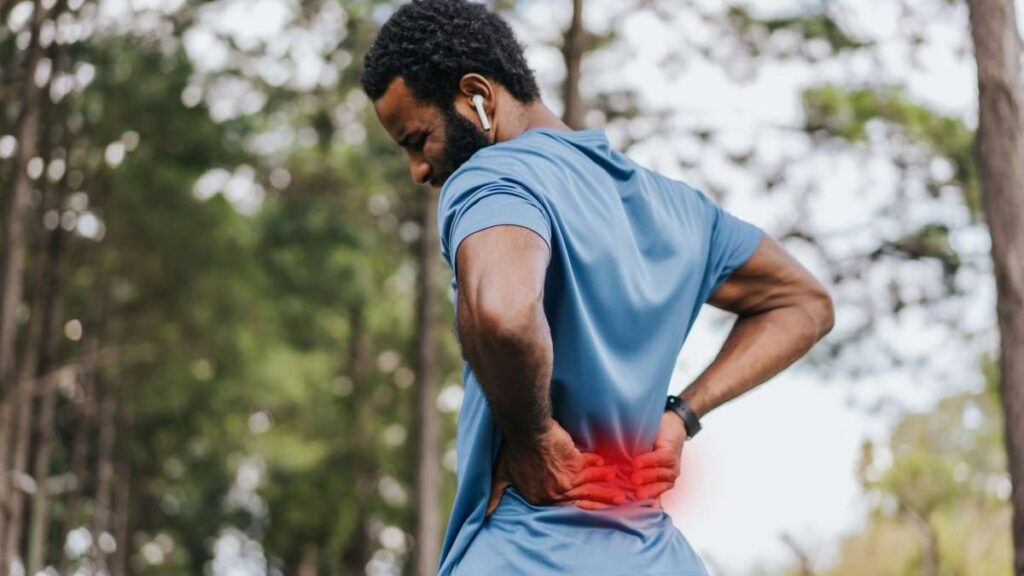

When you experience an athletic injury, navigating the path to recovery can seem daunting. As a local chiropractor, I understand that you may be unsure about the first steps or which treatments will yield the best results. Early intervention is crucial, and chiropractic care can be an essential part of your recovery process. By focusing on evidence-based techniques and creating personalized rehabilitation plans, we can work together to help you achieve a successful comeback.
However, it’s important to recognize that recovery goes beyond just addressing the physical aspects of an injury. Other factors, such as nutrition, mental well-being, and proper biomechanics, play significant roles in your overall healing journey. By considering these elements along with chiropractic adjustments, we can optimize your recovery and help you return to the activities you love. If you’re curious about how chiropractic care can assist you in your recovery, I’m here to guide you on this journey to better health.
Understanding Common Athletic Injuries
As a local chiropractor, I want to share some important information about common athletic injuries that many of you mightn’t be familiar with. These injuries can occur in an instant, whether during practice or competition, and understanding them is key to maintaining your health and performance.
Sprains and strains are among the most frequent injuries we see. A sprain occurs when ligaments are stretched or torn, while a strain involves the muscles or tendons. It’s essential to recognize the difference, as this can influence how we approach treatment and recovery.
Additionally, fractures—breaks in the bone—and tendinitis, which is the inflammation of a tendon often due to overuse, are also prevalent.
Knee injuries, particularly ACL tears, are common in sports requiring sudden stops or changes in direction. Shoulder injuries are another area of concern, especially for athletes involved in throwing or overhead movements. By understanding the symptoms associated with these injuries, you can take the necessary steps to address them promptly.
As a chiropractor, I focus on natural healing methods to help you recover and prevent future injuries. By being informed about these common athletic injuries, you can better prepare yourself and minimize their impact on your overall performance.
The Importance of Early Intervention
As a local chiropractor, I want to emphasize the crucial role early intervention plays in your recovery process. Many people are unaware of how important it’s to address injuries promptly, and I’m here to shed some light on this topic.
When you notice any signs of injury, whether it’s pain, stiffness, or discomfort, it’s vital to take action right away. Early intervention can significantly enhance your recovery experience, and here’s why it should be a priority for you:
- Prevents Worsening: By addressing an injury in its early stages, we can stop it from escalating into a more serious condition. This proactive approach can save you from needing more extensive treatments down the line.
- Enhances Recovery: Chiropractic care is designed to support your body’s natural healing abilities. When we begin treatment early, we can help improve your recovery time, allowing you to return to your daily activities more quickly.
- Reduces Pain: Early intervention can lead to reduced pain and discomfort. By managing your injury promptly, you can maintain a more active lifestyle without the burden of ongoing issues.
Don’t wait until your symptoms worsen. By prioritizing early intervention and seeking chiropractic care, you can set yourself on a path toward a smoother and more effective recovery. Your health is worth it!
Evidence-Based Treatment Options
When it comes to recovering from athletic injuries, it’s important to consider a holistic approach that includes evidence-based treatment options, such as chiropractic care. As a local chiropractor, I want to help you understand how these methods can effectively support your healing process.
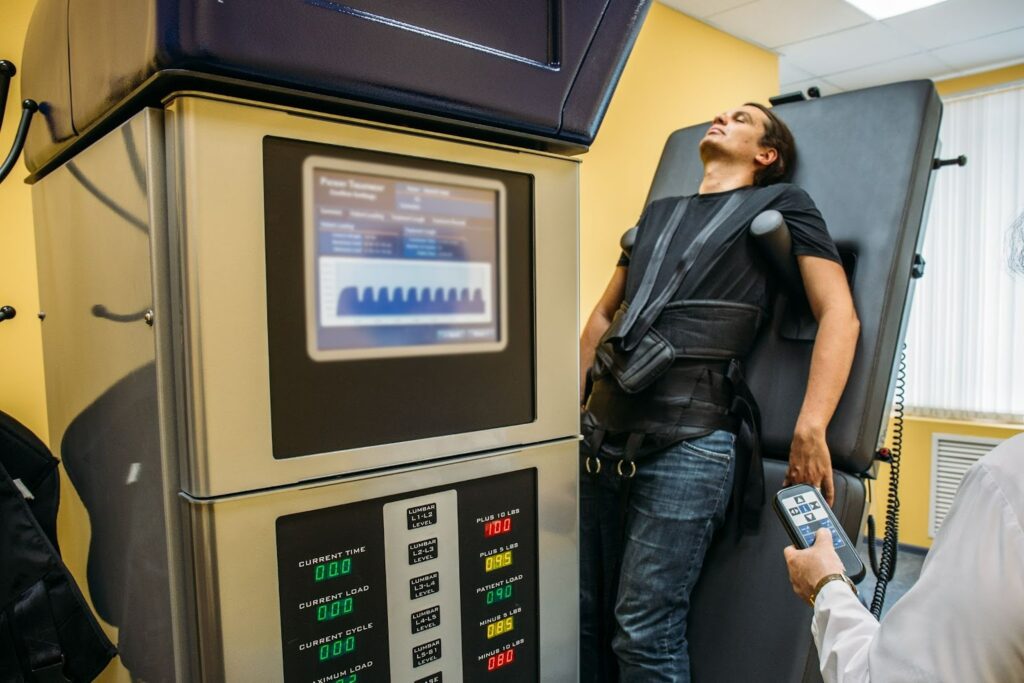
Chiropractic care focuses on restoring function to the body and alleviating pain through hands-on adjustments and manipulations. Research has demonstrated that chiropractic treatment can significantly enhance recovery by addressing underlying issues related to your injury, allowing you to regain your strength and mobility more effectively.
In addition to spinal adjustments, I often recommend complementary therapies such as physical therapy, which can be tailored to your specific needs. Non-steroidal anti-inflammatory drugs (NSAIDs) may also be suggested for managing pain and swelling during the early stages of recovery. However, my goal is to help you find natural alternatives whenever possible.
We also utilize modalities like cryotherapy and ultrasound therapy, which have been shown to support the healing process. Active recovery techniques, which involve gentle movement to stimulate circulation while protecting the injured area, are another integral part of our approach.
Rehabilitation Techniques for Optimal Recovery
As a local chiropractor dedicated to educating patients about the benefits of chiropractic care and natural healing, I want to emphasize the importance of effective rehabilitation techniques for achieving optimal recovery from athletic injuries.
These approaches not only facilitate the rebuilding of strength but also ensure a safe and confident return to your sport. Here are three essential techniques to consider:
1. Chiropractic Care: Collaborating with a qualified chiropractor can help you develop a personalized rehabilitation plan that focuses on restoring proper alignment, mobility, and overall function.
Chiropractic adjustments can enhance your body’s natural healing processes and improve your range of motion.
2. Strength Training: Introducing strength training exercises gradually is crucial for rebuilding muscle around the injured area.
This not only provides better support but also minimizes the risk of re-injury. A chiropractor can guide you in selecting the right exercises that complement your recovery journey.
3. Functional Movement Training: Participating in movements that closely resemble your sport is vital for regaining coordination and balance.
This type of training, often integrated into chiropractic rehabilitation, helps you smoothly transition back into your regular training routine while ensuring your body is prepared for the demands of your sport.
Mental Health and the Recovery Process
As a chiropractor, I want to emphasize that physical recovery is just one aspect of the healing journey, especially when it comes to recovering from an athletic injury. It’s crucial to also focus on your mental health during this time. Many athletes experience feelings of frustration, anxiety, or even depression as they navigate their rehabilitation. Acknowledging these emotions is the first step toward addressing them effectively.
Staying connected with your support network—whether it’s friends, family, or teammates—can provide the encouragement and understanding you need. Additionally, incorporating mindfulness practices such as meditation or journaling can be beneficial in managing stress and fostering a positive mindset.
Setting small, achievable goals throughout your recovery process can enhance your motivation and give you a sense of accomplishment.
If you find yourself struggling with these emotional challenges, don’t hesitate to seek professional help. A therapist or counselor can provide you with valuable tools to cope with the mental aspects of your recovery.
Conclusion
Injuries can indeed feel like a major hurdle, but I want to assure you that with the right approach, you can return to your active lifestyle even stronger. As a local chiropractor, I emphasize the importance of early intervention. Seeking chiropractic care can help alleviate pain and promote healing through natural methods. We focus on evidence-based treatments tailored to your individual needs, ensuring that your rehabilitation plan is personalized just for you.
Additionally, it’s crucial to consider the mental aspect of recovery. Emotional support and effective stress management play a significant role in the healing process. I encourage you to engage in open communication with your healthcare team, including myself, as we work collaboratively to support your recovery journey.
By trusting in chiropractic solutions, you’re taking a proactive step toward regaining your strength and mobility. Together, we can pave the way for a safe and effective return to the activities you love. Let’s get started on your path to recovery today!