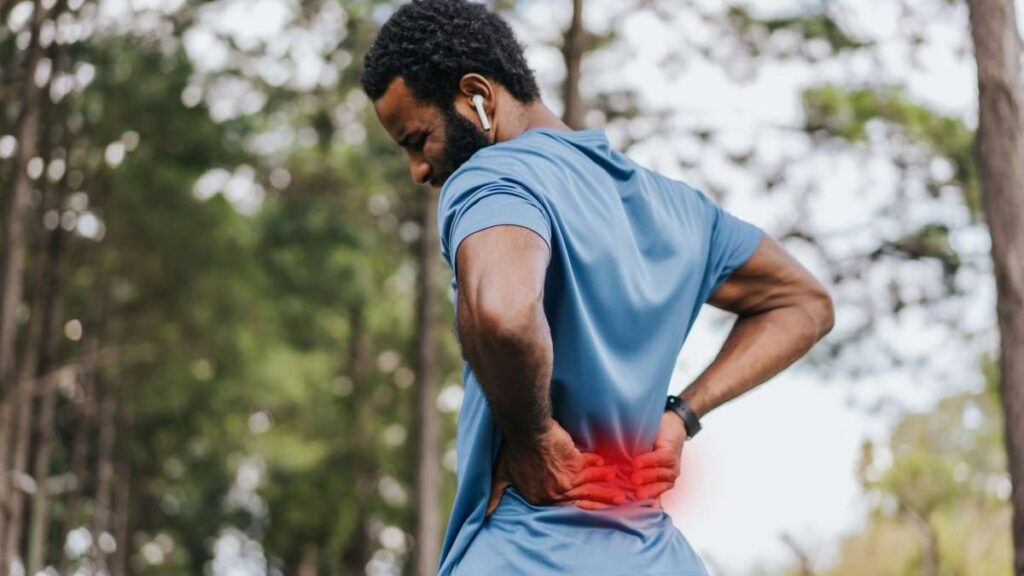

As a local chiropractor, I understand that dealing with a sports injury can be daunting, especially when it comes to knowing the best recovery techniques. While rest is crucial, you may be wondering about other methods like ice therapy and compression techniques. Each of these plays a vital role in your healing journey, and it's important to understand how they work in tandem to support your recovery.
Incorporating approaches such as physical rehabilitation, chiropractic adjustments, and proper nutrition can significantly enhance your recovery process. Many patients are surprised to learn how natural healing techniques can complement traditional methods, promoting overall well-being and faster healing.
If you're curious about advanced therapies, such as spinal adjustments or soft tissue mobilization, these can take your recovery to the next level. Let's dive into the top techniques that can help you bounce back stronger than ever, ensuring you're ready to get back in the game with confidence.
Rest and Recovery
As a local chiropractor, I want to emphasize the critical role that rest and recovery play in healing from sports injuries. It can be tempting to jump back into your usual activities, but doing so too soon can lead to further injury and extended discomfort. Prioritizing adequate rest gives your muscles, ligaments, and joints the necessary time to heal and regain their strength.
During this recovery phase, it's essential to tune in to your body. Be mindful of any signals of discomfort or pain. It's important to distinguish between typical soreness from activity and pain that may indicate a worsening injury. By respecting your body's limits, you create a foundation for a more effective recovery.
Incorporating light mobility exercises can be a vital part of your healing journey. Gentle stretching helps maintain flexibility and promotes blood circulation, both of which are beneficial in the healing process. However, avoid any movements that exacerbate your injury. Instead, focus on gentle movements that feel comfortable and assist your recovery.
Don't underestimate the importance of quality sleep in your recovery process. Adequate rest not only rejuvenates your body but also helps to decrease inflammation. Aim for 7-9 hours of restful sleep each night. Establishing a calming bedtime routine can significantly improve your sleep quality, further facilitating your recovery.
Lastly, I encourage you to seek advice from a healthcare professional, like myself, who specializes in chiropractic care. I can provide personalized recommendations tailored to your specific injury and help guide you on the path to recovery.
Ice Therapy
As a local chiropractor, I want to share with you the incredible benefits of ice therapy when it comes to recovery from sports injuries and other ailments. If you've ever experienced pain, swelling, or inflammation, applying ice can be a game-changer in alleviating these symptoms. The reason behind this is quite simple: the cold temperature helps constrict blood vessels, which decreases blood flow to the injured area and minimizes swelling. This method is particularly effective within the first 48 hours following an injury.
To utilize ice therapy safely and effectively, it's essential to wrap ice or a cold pack in a thin towel. This will help prevent any skin damage. Apply the wrapped ice to the affected area for about 15 to 20 minutes at a time, aiming to do this every hour as needed during the initial recovery phase.
It's also important to allow your skin to rest between sessions to avoid frostbite; just listen to your body.
While ice therapy is excellent for acute injuries, it can also help with chronic conditions such as tendonitis. By applying ice after physical activity, you can relieve any lingering pain and help prevent further inflammation. Always pay attention to how your body responds; if the cold becomes too uncomfortable or increases your pain, it's time to take the ice off.
Keep in mind that ice therapy is just one part of a comprehensive recovery strategy. I always recommend combining it with other healing techniques, such as rest and gentle stretching, to give your body the best chance to recover fully.
Compression Techniques
As a local chiropractor, I want to share how compression techniques can play a vital role in your recovery from sports injuries. Many people may not realize the significant benefits compression can provide, not only in reducing swelling but also in offering much-needed support during the healing process.
When you sustain an injury, wrapping the affected area with a compression bandage can enhance your recovery. It's important to apply the right amount of pressure: too tight can restrict blood flow, while too loose won't give you the support you need.
A common method I recommend is using elastic bandages or wraps. These are designed to conform to your body while still allowing for some movement, which is crucial for healing. Start by wrapping from the farthest part of the limb (the distal end) and work your way up, ensuring that the coverage is even and there are no gaps.
Remember to check your skin color and temperature regularly. If you notice excessive swelling or numbness, it's essential to loosen the bandage to avoid complications.
Another effective option is compression sleeves or garments. These are fantastic for providing consistent pressure, especially over joints like knees and ankles. They're user-friendly and can be worn during light activities, which promotes blood flow and helps reduce muscle soreness.
For more severe cases, there are specialized compression devices that apply intermittent pressure. These can be particularly beneficial in managing swelling and enhancing circulation during recovery.
I encourage you to incorporate these compression techniques into your recovery routine. They can significantly accelerate healing and help you return to your favorite activities sooner.
Always consult with a healthcare professional, like myself, to find the best approach tailored to your specific injury and needs. Your health and well-being are our top priorities, and we're here to support you on your healing journey!
Elevation Strategies
As a local chiropractor dedicated to your recovery, I want to share the importance of elevation as a key strategy in healing from sports injuries. Elevating the injured area can significantly aid your recovery by reducing swelling and enhancing blood circulation, which, in turn, accelerates the healing process. Ideally, you should aim to keep the injured limb elevated above heart level whenever possible. This position encourages fluid drainage away from the injury site, helping to minimize inflammation.
To effectively elevate the injured area, find a comfortable position that allows you to keep it raised. You can utilize pillows, cushions, or even a specially designed wedge to provide support. Make it a point to maintain this elevation for several hours a day, particularly during the first few days following your injury. Whether you're relaxing at home or watching TV, propping your limb up can make a significant difference in your recovery.
It's important to note that elevation is most effective when used alongside other recovery strategies, such as ice therapy and compression. Each of these methods plays a critical role in alleviating pain and reducing swelling, so don't overlook their benefits.
Additionally, be cautious about how you elevate your limb; avoid positioning it in a way that puts unnecessary pressure on the injury, as this can affect your overall comfort.
While you're elevating, keep an eye on the injured area. If you notice any increase in pain, numbness, or tingling, it might be a signal to adjust your position.
Physical Rehabilitation
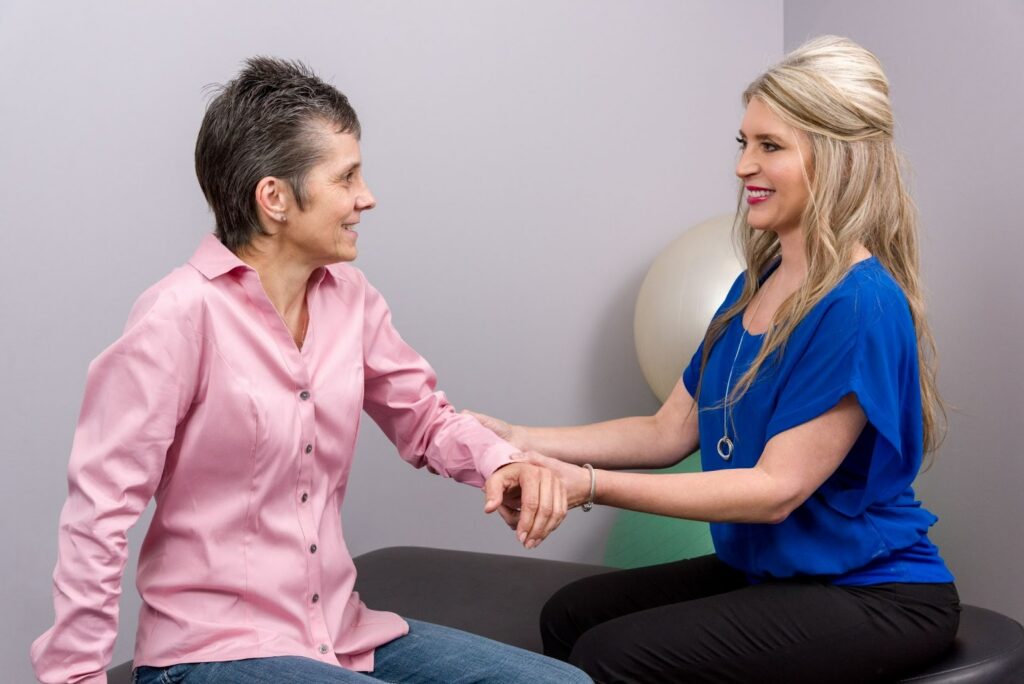
Recovering from a sports injury is a crucial process, and as a local chiropractor, I want to emphasize the importance of incorporating chiropractic care into your rehabilitation journey. Chiropractic care can play a significant role in helping you regain strength, mobility, and overall well-being through natural healing methods.
When you come to see me after an injury, I'll assess your specific condition and create a customized treatment plan tailored to your unique needs. The focus in the early stages of rehabilitation is often on restoring your range of motion. I utilize gentle adjustments and mobilization techniques to help relieve stiffness and improve your flexibility.
Listening to your body is essential; I encourage you to pay attention to any discomfort, as it can guide us in adjusting your treatment plan.
As you progress in your recovery, we can introduce more advanced techniques and exercises that challenge your body while promoting healing. It's essential to stay committed to this journey. Regular chiropractic sessions not only help you regain your physical capabilities but also provide valuable mental support and motivation.
I'll monitor your progress closely, ensuring that we advance safely and effectively, minimizing the risk of re-injury. Communication is vital in this process. I encourage you to share any concerns or feelings about your recovery, as it helps us work together to achieve the best results.
Additionally, we can incorporate complementary therapies such as heat and ice application, which can alleviate pain and support tissue healing, making your rehabilitation even more effective.
Ultimately, chiropractic care is a significant step in your recovery journey. By following a well-structured program and actively participating in your healing process, you'll create a solid foundation for a safe return to your sport and reduce the likelihood of future injuries.
Embracing natural healing through chiropractic care can be transformative, and I'm here to support you every step of the way.
Strengthening Exercises
As a local chiropractor, I want to emphasize the crucial role that strengthening exercises play in your recovery from sports injuries. These exercises not only aid in rebuilding the muscles and stability necessary to prevent future issues but also contribute to your overall confidence, helping you feel prepared to return to the activities you love.
Here are four essential strengthening exercises that I highly recommend you incorporate into your rehabilitation plan:
- Resistance Band Exercises: These versatile bands come in various resistance levels and can be customized to address your specific injury. They're excellent for building strength while minimizing stress on your joints, making them a safe option during your recovery.
- Bodyweight Squats: This fundamental exercise is fantastic for strengthening your legs and core. I encourage you to prioritize proper form to ensure you establish a solid foundation, which will help mitigate the risk of further injury.
- Planks: Core stability is paramount in preventing injuries. By including planks in your routine, you'll enhance your core strength and improve your overall body mechanics, which is vital for long-term health.
- Single-Leg Deadlifts: This exercise not only targets your hamstrings and glutes but also significantly improves your balance and stability. It's particularly beneficial for those recovering from lower body injuries.
As you begin to integrate these exercises into your rehabilitation journey, it's important to listen to your body.
Remember, healing is a process that shouldn't be rushed; gradual progression is key to a successful recovery. Stay committed to your routine, and you'll not only heal but also emerge stronger than before.
Nutrition for Healing
As a local chiropractor, I want to emphasize that rebuilding strength after a sports injury involves more than just physical therapy; nutrition is a crucial component of your healing journey. The foods you consume can significantly influence how quickly and effectively your body recovers from injuries. To aid in your recovery, it's essential to focus on a well-rounded diet that's rich in vitamins, minerals, and protein.
Protein is vital for repairing tissues and supporting muscle recovery. Incorporate sources such as lean meats, fish, eggs, dairy, legumes, and nuts into your meals. A diverse range of protein sources ensures you receive all the essential amino acids your body needs.
Additionally, don't overlook the importance of healthy fats found in avocados, olive oil, and fatty fish. These fats can help mitigate inflammation and promote overall recovery.
Vitamins and minerals are equally important in the healing process. For instance, Vitamin C—abundant in citrus fruits, berries, and leafy greens—is essential for collagen production, which aids in tissue repair. Zinc, found in meat, shellfish, and legumes, plays a vital role in the healing process as well.
It's also crucial to ensure you're getting enough calcium and vitamin D, as these are fundamental for maintaining bone health.
Lastly, I want to highlight the importance of hydration, which is often underestimated. Staying well-hydrated helps transport nutrients throughout your body and can alleviate muscle soreness.
Consider incorporating electrolyte-rich fluids into your routine, especially if you've been sweating during your recovery.
Massage Therapy
As a local chiropractor, I want to emphasize the importance of incorporating massage therapy into your recovery plan, especially if you've experienced a sports injury. This natural healing approach not only alleviates pain but also encourages relaxation and enhances circulation, both of which are crucial for effective recovery.
By integrating massage therapy into your routine, you're not just addressing your injury; you're taking a significant step toward improving your overall health and well-being.
Here are four key benefits of massage therapy that can support your recovery journey:
- Pain Relief: Massage therapy effectively reduces muscle tension and discomfort, helping you feel more at ease as you heal.
- Increased Flexibility: Regular massage sessions can enhance your range of motion, making it easier to return to the sports and activities you love.
- Reduced Swelling: By improving circulation and lymphatic flow, massage therapy can help minimize inflammation, which in turn accelerates your recovery time.
- Mental Well-Being: The calming effects of massage can significantly lower stress and anxiety, providing you with the mental clarity needed to stay focused on your recovery objectives.
Integrating massage therapy into your recovery protocol offers both physical and emotional benefits.
Why not treat yourself to a session? You deserve to feel better and come back stronger than ever.
By embracing this healing technique, you're not only healing your body but also nurturing your spirit, setting the stage for a successful return to your athletic endeavors.
Advanced Therapies
As a local chiropractor, I want to share how advanced therapies can significantly aid your recovery from sports injuries.
Techniques like cryotherapy are beneficial for reducing inflammation and speeding up the healing process. Another effective method is hyperbaric oxygen therapy, which increases oxygen levels in your body, promoting faster recovery.
These innovative treatments can be essential in helping you return to your favorite activities more quickly and safely. Embracing these natural healing approaches, along with chiropractic care, can truly enhance your overall recovery experience.
Cryotherapy Benefits
As a local chiropractor, I often recommend various natural therapies to support my patients' overall health and recovery. One such therapy that has gained popularity, especially among athletes, is cryotherapy. This advanced treatment involves exposing the body to extremely cold temperatures for a brief period, and it offers several benefits for healing and wellness.
Let me share how cryotherapy can be advantageous for you:
- Reduces Inflammation: The cold exposure is effective in minimizing swelling, which is crucial for recovery after injuries or intense workouts. By reducing inflammation, your body can heal more efficiently.
- Speeds Up Recovery: Following a cryotherapy session, increased blood circulation can enhance your body's natural healing processes, allowing you to bounce back faster from physical exertion or injury.
- Enhances Performance: Incorporating cryotherapy into your routine may lead to improved athletic performance. Regular sessions can help you maintain peak physical condition, making it easier to achieve your fitness goals.
- Boosts Mood: The release of endorphins during and after cryotherapy can significantly enhance your mood, leaving you feeling more energized and motivated in your daily activities.
With these notable benefits, it's clear why many individuals, not just athletes, are exploring cryotherapy as part of their recovery and wellness plan.
This therapy not only supports your physical recovery but also provides a mental boost that can keep you focused on your health and fitness objectives. If you haven't considered adding cryotherapy to your wellness routine, now might be the perfect time to explore its potential benefits for your overall health.
Hyperbaric Oxygen Therapy
As your local chiropractor, I want to introduce you to an effective and innovative treatment option that can significantly enhance your recovery: Hyperbaric Oxygen Therapy (HBOT).
If you're unfamiliar with this therapy, it involves breathing pure oxygen in a pressurized environment. This unique approach allows your body to absorb oxygen more efficiently than it typically would, which can be a game-changer for healing sports injuries.
During HBOT sessions, the increased pressure enhances the oxygen's ability to promote tissue healing and reduce inflammation. This treatment stimulates the formation of new blood vessels, which is crucial for delivering essential nutrients and oxygen to damaged tissues.
Many of my patients have experienced reduced pain and swelling after HBOT, making it easier for them to engage in rehabilitation exercises and get back to their active lifestyles.
I've seen many athletes benefit from incorporating HBOT into their recovery routines, reporting quicker recovery times and improved performance.
While it's important to note that this therapy may not be suitable for everyone, it can be particularly advantageous for various conditions, including fractures, soft tissue injuries, and concussions.
Before considering HBOT, I encourage you to have a conversation with me or another healthcare professional to determine if it's the right fit for your needs.
With a tailored approach, Hyperbaric Oxygen Therapy could be an essential part of your natural healing journey.
Mental Health Considerations
As a local chiropractor, I want to emphasize that recovery from a sports injury involves more than just physical healing.
It's crucial to also consider your mental health during this process. Many of my patients experience feelings of frustration, sadness, or anger as they confront their recovery journey. Your mental state can significantly influence how quickly you heal, so prioritizing your emotional well-being is essential.
Here are some insights to keep in mind:
- Acknowledge Your Emotions: It's perfectly normal to experience a range of emotions following an injury. Give yourself permission to grieve the loss of your physical abilities and the disruption to your daily routine. Recognizing these feelings is the first step towards recovery.
- Stay Connected: Don't hesitate to reach out to friends, family, or teammates. Sharing your thoughts and feelings can help ease emotional burdens and foster a sense of support as you work through your recovery.
- Set Small Goals: While you may be aiming for a complete return to your sport, it's important to establish achievable short-term goals. Celebrate these milestones along the way, as they can boost your motivation and help maintain a positive mindset.
- Seek Professional Help: If you find that feelings of anxiety or depression become overwhelming, it may be beneficial to consult a mental health professional. They can equip you with coping strategies and assist you in navigating both your emotional and physical recovery.
Remember, chiropractic care can support your overall healing journey, addressing not just the physical aspects of your injury, but also contributing to your mental well-being.
Let's work together to help you recover holistically.
Conclusion
As a local chiropractor, I want to share some valuable insights on effective recovery techniques for sports injuries that can significantly enhance your healing process. Emphasizing the importance of rest is crucial; allowing your body to recuperate is the first step towards recovery. Utilizing ice and compression can help alleviate pain and minimize swelling, which are common challenges after an injury.
Elevating the injured area is another simple yet effective method to promote healing. Additionally, engaging in physical rehabilitation exercises under professional guidance can support your recovery and strengthen the surrounding muscles.
Don't overlook the vital role of nutrition and hydration in your healing journey. A well-balanced diet and staying hydrated can aid in reducing inflammation and speeding up recovery. Mental health is equally important; maintaining a positive mindset can make a difference in how you feel throughout the healing process.
Lastly, consider incorporating advanced therapies such as chiropractic adjustments, massage therapy, or cryotherapy into your recovery plan. These methods can enhance your body's natural healing abilities and help restore mobility.
With dedication to these techniques and a holistic approach, you can expect to return to your favorite activities even stronger than before. If you have any questions or need guidance, feel free to reach out for more personalized advice on your recovery journey.