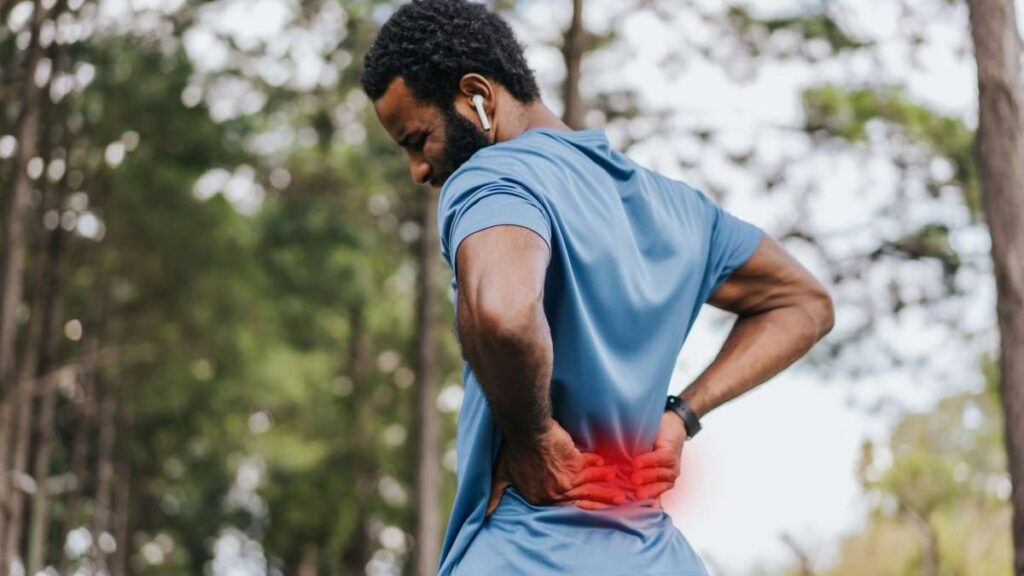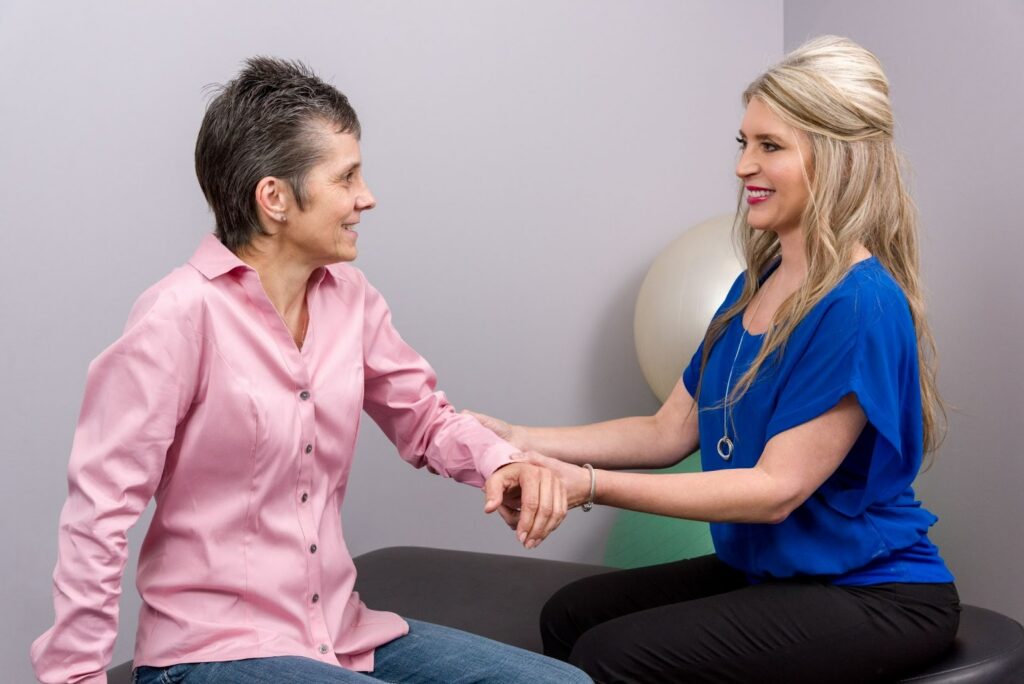

When you sustain a sports injury, seeking care might seem like an afterthought, but it's key to your recovery and future performance. Early diagnosis can prevent complications, while customized treatment plans cater to your unique needs, ensuring you get back to your sport safely. You'll also benefit from expert guidance that helps you avoid further damage. But that's just the beginning; there are more compelling reasons to contemplate professional care that can greatly impact your journey. Curious about what they are?
Early Diagnosis of Injuries
When it comes to sports injuries, catching them early can make all the difference. You might think that a little pain or discomfort is nothing to worry about, but ignoring those initial signs can lead to more severe problems down the line. By seeking care as soon as you notice something off, you give yourself the best chance to recover quickly and effectively.
An early diagnosis allows you to understand the exact nature of your injury. Whether it's a sprain, strain, or something more serious, knowing what you're dealing with is vital. You can avoid complications that might arise from untreated injuries, such as chronic pain or permanent damage.
Plus, getting a professional evaluation can help you avoid unnecessary rest or restrictions on your activity levels. When you seek care early, you're also taking a proactive approach to your health. This means you're not just waiting for the injury to worsen before addressing it. Instead, you're actively participating in your recovery process.
You may receive advice on how to manage your injury, including exercises that promote healing and prevent future issues. Additionally, timely intervention can often mean a shorter recovery time. You can get back to doing what you love quicker, whether that's running, playing basketball, or hitting the gym.
Customized Treatment Plans
When you get injured, a one-size-fits-all approach won't cut it.
Customized treatment plans focus on your specific needs, helping you recover effectively.
Individualized Recovery Strategies
Since every athlete's body is unique, individualized recovery strategies are essential for effective healing from sports injuries. When you face an injury, a one-size-fits-all approach often falls short. Instead, a tailored plan considers your specific needs, injury type, and activity level, ensuring you receive the most appropriate care.
Your recovery strategy should begin with a thorough assessment of your injury and overall health. This evaluation helps identify the best course of action, whether it's rest, physical therapy, or a gradual return to your sport. Open communication with your healthcare provider is imperative; they can adjust your plan based on your progress and any challenges you encounter.
Incorporating your goals into your recovery strategy is also essential. If you aim to return to competitive play, your recovery plan should focus on building strength, flexibility, and endurance tailored to your sport.
Remember, following your customized strategy not only aids in healing but also helps prevent future injuries.
Ultimately, investing in individualized recovery strategies can greatly enhance your healing process, allowing you to get back to doing what you love safely and effectively. Don't underestimate the power of a personalized approach.
Targeted Rehabilitation Techniques
Building on your individualized recovery strategy, targeted rehabilitation techniques play a significant role in customizing your treatment plan. These techniques focus on your specific injury, addressing your unique symptoms and functional limitations. By tailoring exercises and therapies to your needs, you can optimize your recovery process.
For instance, if you're dealing with a knee injury, your rehabilitation might include strength training for the surrounding muscles, flexibility exercises to enhance range of motion, and balance work to prevent future injuries. The key is to identify your personal goals and challenges, allowing your healthcare provider to create a plan that evolves with your recovery.
Incorporating modalities like manual therapy, electrical stimulation, or ultrasound can also enhance your treatment. These targeted approaches promote healing, reduce pain, and improve mobility, ensuring you're not just recovering but thriving.
Regular communication with your healthcare team is essential; it helps adjust your plan based on your progress. Remember, you're an active participant in your recovery journey, and targeted rehabilitation techniques empower you to regain strength and confidence, getting you back to the activities you love more effectively and safely.
Prevention of Further Damage
Acting quickly after a sports injury is essential to prevent further damage. When you sustain an injury, your body starts the healing process immediately. However, if you don't address the injury in a timely manner, you risk exacerbating the problem. Ignoring pain or pushing through it can lead to more serious issues, such as chronic pain or long-term disability.
First, you need to assess the severity of the injury. If you're experiencing severe pain, swelling, or inability to move the affected area, seeking professional help is vital. A medical professional can provide an accurate diagnosis and recommend appropriate treatment to mitigate further harm. Early intervention can mean the difference between a minor setback and a long-term injury.
Next, remember to rest the injured area. Continuing to use it can lead to additional strain, worsening your condition. Using ice, compression, and elevation can help reduce swelling and minimize damage. However, these are just temporary measures. You should still consult a healthcare provider to develop a thorough plan that addresses your specific needs.
Additionally, don't hesitate to ask questions during your medical visit. Understanding your injury and the steps needed for healing can empower you to take an active role in your recovery.
Speeding Up Recovery
To speed up your recovery from a sports injury, it's important to follow a structured rehabilitation plan tailored to your specific needs. This plan should include a combination of rest, physical therapy, and gradual return to activity. Rest allows your body to heal, while physical therapy strengthens the injured area and improves flexibility. Engaging in guided exercises can help you regain strength without overexerting yourself.
Stay consistent with your rehabilitation exercises; they're designed to enhance your recovery. It's imperative to listen to your body and avoid pushing through pain. If an exercise causes discomfort, modify it or consult your healthcare provider for adjustments. They can suggest alternative exercises that promote healing without risking further injury.
Nutrition also plays a significant role in your recovery. Consuming a balanced diet rich in proteins, vitamins, and minerals can help repair tissues and reduce inflammation. Hydration is equally important, so drink plenty of water to support your body during the healing process.
Don't underestimate the power of rest and sleep. Quality sleep is when your body does most of its repairing. Aim for 7 to 9 hours of restful sleep each night to optimize your recovery.
Lastly, staying positive and focused on your goals can greatly impact your recovery journey. Set realistic milestones, and celebrate small victories along the way. By adhering to your rehabilitation plan and maintaining a proactive mindset, you'll be on track to return to your sport stronger and more resilient than before.
Access to Rehabilitation Resources
When you seek care for sports injuries, you gain access to specialized treatment options tailored to your needs.
These resources include personalized recovery plans and advanced rehabilitation equipment that can greatly enhance your healing process.
Utilizing these tools can help you return to the field stronger and more prepared.
Specialized Treatment Options
Access to specialized treatment options can make all the difference in your recovery from a sports injury. When you're dealing with pain or limited mobility, it's essential to explore various therapies designed specifically for athletes. These options can enhance your healing process and help you regain strength and function more effectively.
One valuable resource is physical therapy, where professionals can tailor exercises to your specific injury. They'll help improve your range of motion and build strength, ensuring you return to your sport safely.
You might also benefit from techniques like chiropractic care, which focuses on spinal alignment and can alleviate pain and improve overall performance.
Sports medicine specialists are another important resource. They understand the demands of your sport and can offer insights into injury prevention and management.
Additionally, modalities such as massage therapy, acupuncture, or even cryotherapy can provide relief and promote healing.
Personalized Recovery Plans
Creating a personalized recovery plan is vital for effectively managing your sports injury and getting back to peak performance. This plan tailors your rehabilitation process to your specific needs, injury type, and athletic goals. By working closely with healthcare professionals, you'll identify the right combination of exercises, stretches, and recovery techniques that suit your individual circumstances.
Your personalized plan should include a timeline that outlines your recovery milestones. This way, you can track your progress and stay motivated. Regular check-ins with your healthcare provider will make sure your plan remains effective and can be adjusted as necessary.
In addition to physical rehabilitation, consider incorporating mental strategies to aid your recovery. Visualization techniques or mindfulness practices can help you stay focused and positive throughout the healing process.
Lastly, don't underestimate the value of nutrition and hydration in your recovery. A balanced diet can greatly impact your healing speed and overall performance.
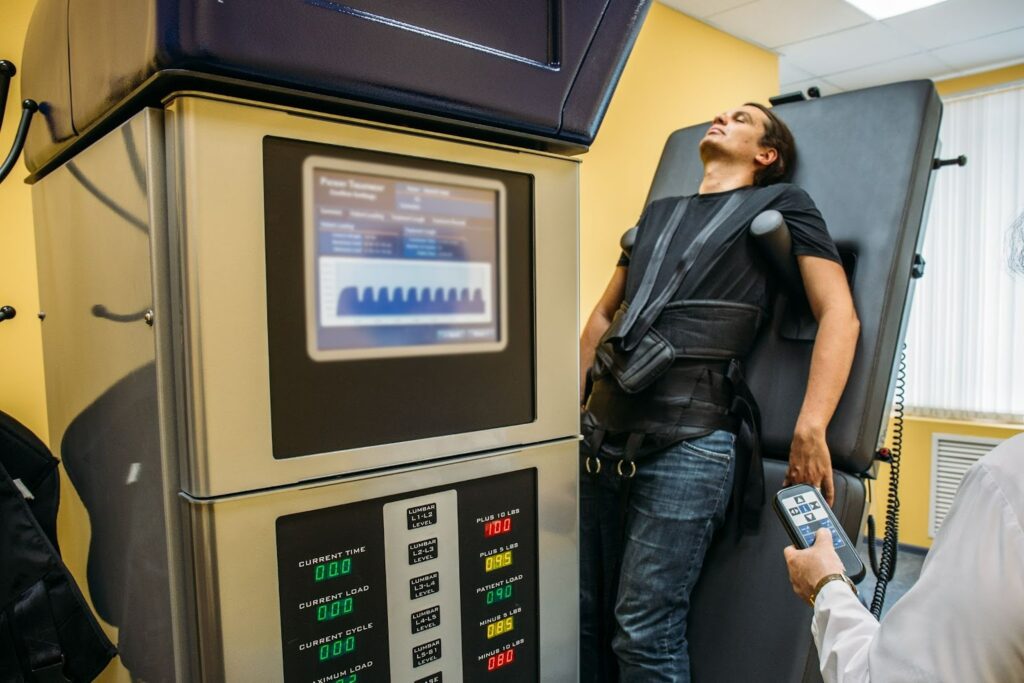
Advanced Rehabilitation Equipment
Utilizing advanced rehabilitation equipment can considerably enhance your recovery process following a sports injury.
With the right tools at your disposal, you can target specific areas of injury, improve your strength, and regain your mobility more effectively.
Here are some key pieces of equipment that can make a significant difference in your rehabilitation journey:
- Therapeutic Ultrasound: This device uses sound waves to promote healing by increasing blood flow and reducing inflammation in injured tissues.
- Electrical Stimulation Units: These units help reduce pain and muscle spasms while promoting muscle strength and function through electrical impulses.
- Resistance Bands: They provide varying levels of resistance, allowing you to perform tailored exercises that gradually strengthen your injured area without overexertion.
- AlterG Anti-Gravity Treadmill: This innovative treadmill lets you run or walk with reduced body weight, making it easier to regain your normal gait while minimizing stress on your injury.
Expert Guidance and Support
When you face a sports injury, seeking expert guidance can make all the difference in your recovery. Professionals like physical therapists, sports medicine doctors, and athletic trainers provide tailored advice that fits your specific condition. They understand the nuances of various injuries and can help you navigate the complex world of rehabilitation.
You might think you can just tough it out or rely on home remedies, but that often leads to prolonged recovery or even a worsened condition. Experts offer valuable insights into the best practices for healing, ensuring you don't make common mistakes that can set you back. They'll evaluate your injury, recommend an appropriate treatment plan, and monitor your progress closely.
Additionally, having a knowledgeable guide can alleviate your fears and uncertainties about the recovery process. They can address your concerns, answer questions, and provide reassurance. This support can keep you motivated and focused on your rehabilitation goals, reducing the likelihood of frustration that often accompanies injuries.
Moreover, expert guidance isn't just about physical healing; it's also about mental support. Knowing you have someone in your corner who understands the demands of your sport can make a significant difference in your mindset. They'll help you set realistic expectations and celebrate small victories along the way.
In short, when you seek expert guidance and support, you're investing in a smoother, more effective recovery journey. Don't underestimate the importance of professional help; it can lead to a more thorough and confident return to your sport.
Improved Performance Post-Injury
Recovering from a sports injury can actually set the stage for improved performance, as it often provides an opportunity to reassess your training methods and strengthen weaknesses.
When you take the time to heal, you can focus on areas that need improvement, transforming setbacks into stepping stones toward greater athletic success.
Here are some key benefits of improving performance post-injury:
- Identifying Weaknesses: Injuries often reveal areas in your body that need more attention. You can work on these weaknesses during your recovery to enhance your overall strength and stability.
- Refining Technique: This recovery phase allows you to evaluate and refine your technique. Working with a coach or therapist can help you make adjustments that could prevent future injuries and improve your performance.
- Mental Resilience: Overcoming an injury can foster mental toughness. You'll learn to push through challenges, which can help you stay focused and determined during competitions.
- Incorporating New Training: You can take the time to explore new training routines or exercises that you might've overlooked before your injury. This fresh approach can lead to better performance and less risk of re-injury.
Conclusion
Injuries don't have to sideline you for long. By seeking care, you get an early diagnosis, customized treatment, and expert support that can speed up your recovery. You'll not only prevent further damage but also access valuable rehabilitation resources tailored to your needs. Embracing this journey can transform your challenges into opportunities, ultimately leading to improved performance and resilience. Don't wait—take the first step toward healing and get back to doing what you love!